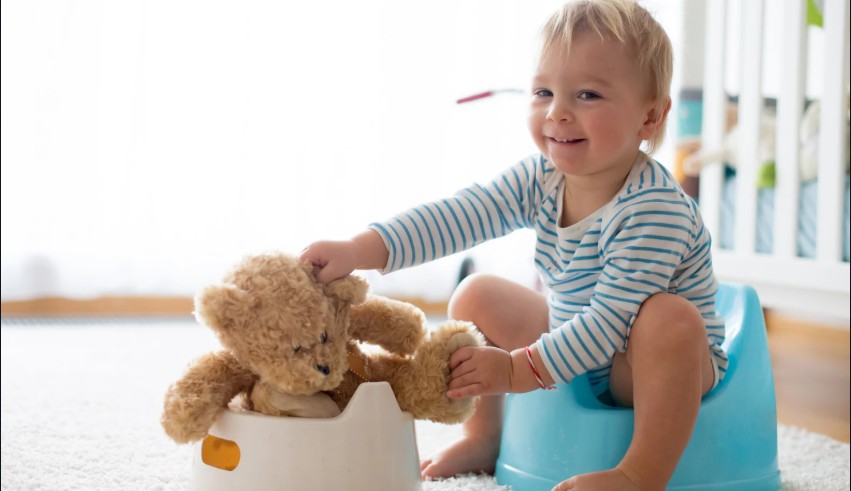
How to Get Toddler to Stay in Bed—is this your nightly challenge too? Does your little one keep sneaking out of bed right after lights out? If bedtime feels more like a battle than a bonding moment, you’re not the only parent facing this.
Establishing a consistent bedtime routine, using positive reinforcement, and setting clear boundaries are key to solving this issue. Sleep experts like Dr. Marc Weissbluth stress that structure and routine help toddlers feel secure and settled at night. With the right approach, your toddler can learn to stay in bed peacefully.
But there’s much more to learn than just routines and rewards. From common mistakes to expert-approved tricks, we’ve gathered everything you need step by step. Let’s dive in and unlock the secrets to stress-free bedtimes!
Why Toddlers Can Struggle to Stay in Bed and Fall Asleep?
Toddlers are in a stage of rapid development, which can make it difficult for them to stay in bed and fall asleep. This age is characterized by increased independence, curiosity, and a desire to explore their surroundings.
As a result, your toddler may get out of bed multiple times, testing boundaries and seeking attention. Additionally, fear of the dark is common at this age, which can cause anxiety and make it harder for them to settle down. Understanding these factors can help you create an environment that is more conducive to sleep and comfort.
Moreover, toddlers often have a natural resistance to bedtime, which can lead to what many parents refer to as the “bedtime battle.” Their reluctance to go to sleep may stem from wanting to engage in more activities or simply not feeling tired yet.
It’s essential to recognize that your child may not be ready for sleep even when it’s time for bed. By being patient and consistent with your approach, you can help your toddler develop better sleep habits over time.
What to Do If Your Toddler is Climbing Out of the Crib?
If your toddler is climbing out of the crib, it’s a clear sign that they are ready to transition to a toddler bed. This change can be both exciting and daunting, but ensuring your child’s safety is paramount. Start by removing any objects that could assist them in climbing out, and consider lowering the crib mattress to its lowest position.
If they continue to climb out, it may be time to make the switch to a toddler bed, as this can provide them with a sense of independence and control over their sleeping space.
When transitioning to a toddler bed, create a safe sleep environment by ensuring the room is child-proofed. You can also establish clear boundaries by explaining that it’s time for sleep when they are in bed.
If your toddler gets out of bed, gently put them back in bed without engaging in lengthy conversations or distractions. Consistency is key; over time, your toddler will learn that their bed is the place for sleep, and they will be less likely to climb out.
How to Get Toddler to Stay in Bed at Night? (10 Proven Tips)
Getting a toddler to stay in bed at night can be a real challenge, but with a bit of consistency and patience, it can definitely improve. Here are some effective tips to help:
🌙 1. Create a Calm Bedtime Routine
Predictability is gold for toddlers. A soothing routine (bath, PJs, story, snuggles) helps signal it’s time to wind down. Keep it consistent every night.
🕰️ 2. Set a Consistent Bedtime
Try to stick to the same bedtime every night — even on weekends. Overtired toddlers actually have a harder time staying in bed.
🛏️ 3. Make Their Bed Inviting
Let your toddler choose fun bedding, a favorite stuffed animal, or even glow-in-the-dark stars. The bed should feel like their cozy little zone.
🧸 4. Use a Sleep Timer/Night Light
A night light or a toddler “okay to wake” clock can help. It turns green (or gives a signal) when it’s okay to get out of bed. Game-changer for early risers!
👂 5. Address Fears Gently
If your toddler says they’re scared, take it seriously. Offer comfort, maybe a “monster spray” (aka water in a spray bottle), or a special “protector” stuffed animal.
🗣️ 6. Keep Goodbyes Short & Sweet
Avoid long drawn-out goodnights. It may seem loving, but it gives them room to stall. Calm hug, kiss, “I love you, see you in the morning” — then leave.
🐢 7. Be Boring With Returns
If they get up, gently walk them back to bed without talking much. No scolding, no cuddles — just a neutral return to bed. It shows them getting up isn’t exciting.
⭐ 8. Use Positive Reinforcement
Sticker charts, small rewards, or morning praise go a long way! “You stayed in bed all night! High five!” Toddlers love feeling proud of themselves.
🧘 9. Wind Down Earlier
Start the “quiet time” a bit before bed. Screens off, lights dimmed, soft music or books can help their brain settle.
⏳ 10. Give a Final “Last Chance” Before Bed
Let them get their water, potty, hugs before they climb into bed. Make a game of it: “Okay, last chance to do anything before lights out!”
What Is Toddler Sleep Training?
Toddler sleep training is a method used by parents to teach their little ones how to fall asleep independently and stay in bed throughout the night.
This process can involve various techniques, from gradual methods to more direct approaches, depending on what works best for your family. The goal is to help your toddler develop healthy sleep habits that will last a lifetime and ensure both you and your child enjoy restful nights.
One common sleep training technique is the “Ferber Method,” which involves allowing your toddler to cry for progressively longer intervals before comforting them. Alternatively, some parents may prefer a gentler approach, such as the “no tears” method, which focuses on soothing without letting them cry.
Regardless of the method chosen, consistency and patience are essential during the sleep training process, as it can take time for your toddler to adjust and learn to fall asleep without assistance.
Toddler Bedtime Routine with Printable Chart
Creating a bedtime routine is vital for setting the stage for good sleep habits in toddlers. A consistent bedtime routine can include activities such as bathing, brushing teeth, reading a story, and tucking your little one in.
To make this routine visually appealing and easy to follow, consider creating a printable chart that outlines each step of the process. This chart can serve as a helpful tool for both you and your child, making bedtime more predictable and less stressful.
Incorporate your toddler in the creation of this chart. Let them choose some of the activities they enjoy most, and use colorful illustrations or stickers to represent each step. This involvement can make your toddler more excited about bedtime, as they will have a sense of ownership in the routine.
By following this structured approach consistently, your child will learn to associate these activities with sleep, making it easier for them to settle in their bed and go to sleep peacefully.
Commonly Asked Questions about Toddler Keep Getting out of Bed (FAQs)
Why Won’t kids go to sleep?
Kids won’t sleep due to overstimulation, lack of routine, or hidden needs like hunger or discomfort. Screen time, naps, or anxiety can also delay bedtime. Consistency and calm help.
Why does your toddler keep getting out of bed?
Toddlers get out of bed due to overtiredness, separation anxiety, or testing limits. Establish a calming toddler to sleep routine, set clear boundaries, and ensure comfort for better rest.
How can you help your child get a good night sleep in their own bed?
To help your child sleep well in their own bed, establish a bedtime routine, encourage back to sleep strategies, support potty training, and gently leaving the bedroom when they settle.
Is it normal for a 4 year old to still need a nap?
Yes, many 4-year-olds still need naps due to high energy and growth. If they resist, offer quiet time instead. Dropping naps is normal if they sleep well at night.
Is your child ready for a toddler bed?
If your child can climb out of a crib, shows interest in a bed, and is at least 18 months old, your child will get better sleep in a toddler bed.
How to deal with a toddler who keeps getting out of bed?
To help your toddler go back to sleep, establish a consistent bedtime routine and gently guide them back to bed. Consult a pediatric sleep consultant if issues persist.
How do I stop a 4 year old from coming into my bed?
To stop your 4-year-old from coming into your bed, calmly put her back in bed each time she gets up, reinforcing the importance of staying in her own space.
How to get a toddler to stay in their own bed?
Start a consistent bedtime routine, use positive reinforcement, and calmly return your toddler to their bed each time they leave the room. Offer comfort items and ensure their room feels safe.
Conclusion
So, how to get a toddler to stay in bed? Getting your toddler to stay in bed and develop healthy sleep habits can be challenging, but with patience, consistency, and the right strategies, it is achievable. Understanding the reasons behind your toddler’s behavior is the first step in addressing their sleep struggles.
Implementing a consistent bedtime routine, considering sleep training methods, and creating a safe and comforting sleep environment can greatly improve your child’s ability to stay in bed and enjoy restful sleep. Remember, every toddler is different, so it may take time to find the approach that works best for your little one. With dedication and love, you can help your toddler learn to fall asleep and stay in bed, leading to better sleep for the entire family.
Recommended posts
- How to Put a Toddler to Sleep in 40 Seconds: (Fast Trick)
- How Long Does It Take to Potty Train a Toddler: (Timelines)
- When to Transition to Toddler Bed: Signs Your Child Is Ready
- Why Is My Toddler Limping Suddenly Without Pain: (Quick Fix)
- How to Fix a Grey Tooth Toddler: Causes & Treatment Options
- Effective Toddler Sleep Training Tactics (Moms Should Know!)
- Can a Crib Mattress Work for a Child Bed: Is It Ok to Use?
- Sleep Talking in Toddlers: What’s Normal & When to Worry?
- 2 Year Old Not Talking: Speech Delay or Just Late Bloomer?