Tired of endless bedtime battles with your toddler, How to put a toddler to sleep in 40 seconds? Many parents dream of getting their little one to fall asleep in under a minute—but is it really possible? Can you actually put a baby to sleep in just 40 seconds?
While it might sound like magic, techniques like the “military sleep method” and calming routines can help your baby fall asleep faster than you’d think. By combining gentle breathing, dim lighting, and relaxing touch, some parents report success in under a minute. This article explains the science, step-by-step methods, and realistic expectations behind ultra-fast toddler sleep techniques.
Pediatric sleep consultant Dr. Lynelle Schneeberg notes that consistency and calmness are key to fast and peaceful bedtimes. Curious if your toddler can become a super sleeper too? Let’s explore how you can wind them down in seconds—with patience and a little bedtime magic.
Understanding Baby Sleep Patterns:
Understanding baby sleep patterns is crucial for parents striving to help their child fall asleep quickly. Babies and toddlers have unique sleep cycles, which differ from those of adults.
Typically, toddlers require about 12 to 14 hours of sleep a day, including naps. Knowing when your little one is most likely to feel sleepy can help you establish a consistent bedtime routine for toddlers that works.
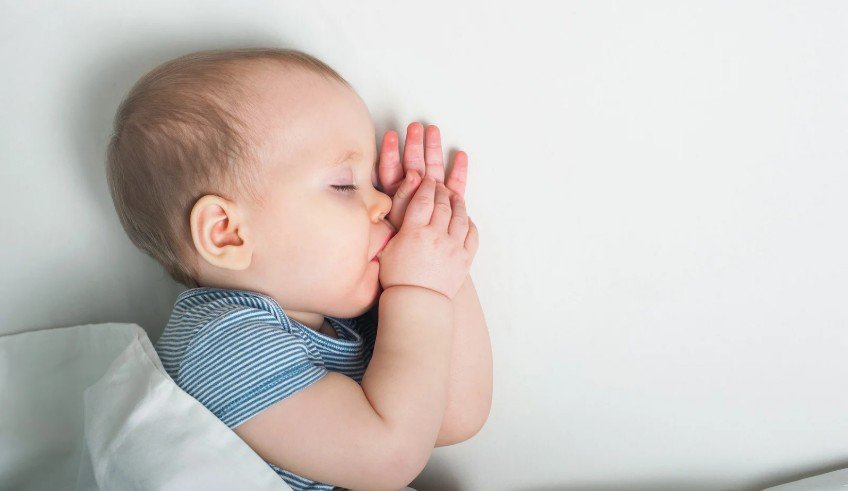
Furthermore, recognizing signs of tiredness, such as rubbing their eyes or becoming fussy, can help parents act quickly to soothe their child. By creating an environment that promotes peaceful sleep, you can help your toddler relax and drift off to sleep effortlessly.
Moreover, sleep cycles in toddlers are shorter, consisting of lighter sleep stages that can easily be disrupted. This is why understanding these patterns is essential for developing effective strategies to help your child sleep through the night.
A consistent bedtime routine not only signals that sleep is coming but also encourages toddlers to thrive on routine. By familiarizing yourself with these sleep habits and routines, you can create a nurturing environment that promotes healthy sleep, ultimately leading to a better night for both you and your little one.
What is the 40-Second Sleep Trick?
The 40-second sleep trick for toddlers is a calming technique that has recently gone viral on social media. It involves gently helping your toddler fall asleep within about 40 seconds by using soothing, repetitive motions and calming cues. While there’s no official “scientific” method branded under this exact name, here’s the basic idea behind the popular version of the trick:
How the 40-Second Sleep Trick Works:
- Create a Calm Environment
- Dim the lights, reduce noise, physical closeness, and make sure your toddler is comfortable.
- Gentle Face Stroking
- Lightly stroke your toddler’s forehead and down the bridge of the nose with your fingers or a soft tissue.
- Use slow, rhythmic motions.
- The repeated gentle strokes can help their eyes get heavy and close naturally.
- Stay Consistent
- Repeat the same motion for around 40 seconds. The soothing and predictable sensation can relax the nervous system and ease them into sleep.
- Speak Softly (Optional)
- Whisper lullabies, calming phrases, or shushing sounds in a soft, monotone voice if your child finds that soothing.
Why It Might Work:
This trick taps into sensory soothing — much like how some adults find repetitive motions (like hair brushing or back rubbing) sleep-inducing. It activates the parasympathetic nervous system, which helps calm the body and mind.
Note:
It won’t work for every child or in every situation (especially if they’re overtired or overstimulated), but it’s a gentle and non-invasive technique that many parents swear by.
How to Put a Toddler to Sleep in 40 Seconds?
To put a baby to sleep in 40 seconds, begin by creating a calming environment that promotes relaxation. Start by dimming the lights in their room, as this helps signal that sleep is coming. Next, you can incorporate white noise, which masks other noises and creates a soothing atmosphere.
Once the environment is set, gently stroke your toddler’s back or read a short bedtime story to help your child unwind. By establishing this calming atmosphere, you’ll make it easier for your toddler to relax and fall asleep quickly.
Additionally, consistency is key to making this trick work effectively. If you consistently perform the same soothing actions and maintain a predictable routine, your toddler will begin to associate these actions with sleep.
This builds a powerful connection that encourages your little one to drift off to sleep faster. Remember, the goal is not only to help your child fall asleep in 40 seconds but also to foster a healthy sleep routine that can be sustained over time. By implementing these techniques nightly, you can transform bedtime into a peaceful experience for both you and your child.
Remember: The slow change to dimness assists your toddler’s body in acknowledging the move from being awake to falling asleep, setting the stage for a quick and restful start to sleep.
How to Create a Calming Bedtime Routine (without stress)
Creating a calming bedtime routine without stress is essential for both parents and toddlers. Start by establishing a consistent sequence of activities leading up to bedtime. This could include a warm bath, followed by brushing teeth, and then reading a bedtime story.
Each activity should be relaxing and enjoyable, allowing your toddler to wind down from the day’s activities. By incorporating these elements into your bedtime rituals, you help your child understand that it’s time to prepare for sleep, making the transition smoother.
Moreover, consider engaging in calming activities that promote relaxation, such as playing soft music or practicing gentle stretches together. This not only helps your little one to relax but also strengthens the bond between parent and child.
Additionally, be mindful of the time spent on each activity; keeping it brief yet enjoyable can prevent overstimulation. A routine that works well for your toddler can significantly reduce bedtime struggles, allowing them to get the rest peacefully. Remember, the key is consistency and creating an environment where your child feels secure and relaxed, paving the way for restful nights.
How To Make Child Sleep Alone Comfortably?
Helping your toddler sleep alone comfortably is an important step in fostering independence and healthy sleep habits. Start by making their sleep environment as inviting and cozy as possible.
This may include investing in a comfortable mattress, white noise machine, soft bedding, and incorporating a nightlight if your child feels anxious in the dark. It’s also beneficial to allow your toddler to choose a special stuffed animal or blanket that can accompany them to bed, providing a sense of security as they learn to sleep alone.
Additionally, making bedtime routine can help your little one feel more at ease. By performing the same activities each night, you help signal that it’s time for sleep. It’s essential to reassure your child about sleeping alone, emphasizing that they are safe in their space.
Gradually, you can encourage your toddler to spend more time in their own bed by offering praise and positive reinforcement when they successfully sleep alone. This nurturing approach helps instill confidence in your child, making the transition to independent sleeping a more comfortable experience for everyone involved.
Conclusion
In conclusion, putting a toddler to sleep in 40 seconds may seem like a challenging task, but with the right techniques and understanding of sleep patterns, it is achievable. By implementing the 40-second sleep trick, creating a calming bedtime routine, and fostering an environment that promotes relaxation, parents can effectively help their child drift off to sleep quickly.
Remember, consistency is key when developing healthy sleep habits that will benefit both you and your toddler. As you navigate this journey, keep in mind that every little one is different, and it may take some time to find a routine that works best. With patience and dedication, you can transform bedtime into a peaceful and enjoyable experience for both you and your child.
Recommended posts
- How Long Does It Take to Potty Train a Toddler: (Timelines)
- When to Transition to Toddler Bed: Signs Your Child Is Ready
- Toddler Hitting Himself Often? Expert Tips to Respond Calmly
- How to Get Toddler to Stay in Bed at Night: (9 Proven Ways)
- Effective Toddler Sleep Training Tactics (Moms Should Know!)
- How to Get a Toddler to Sleep in Own Bed: (7 Effective Tips)