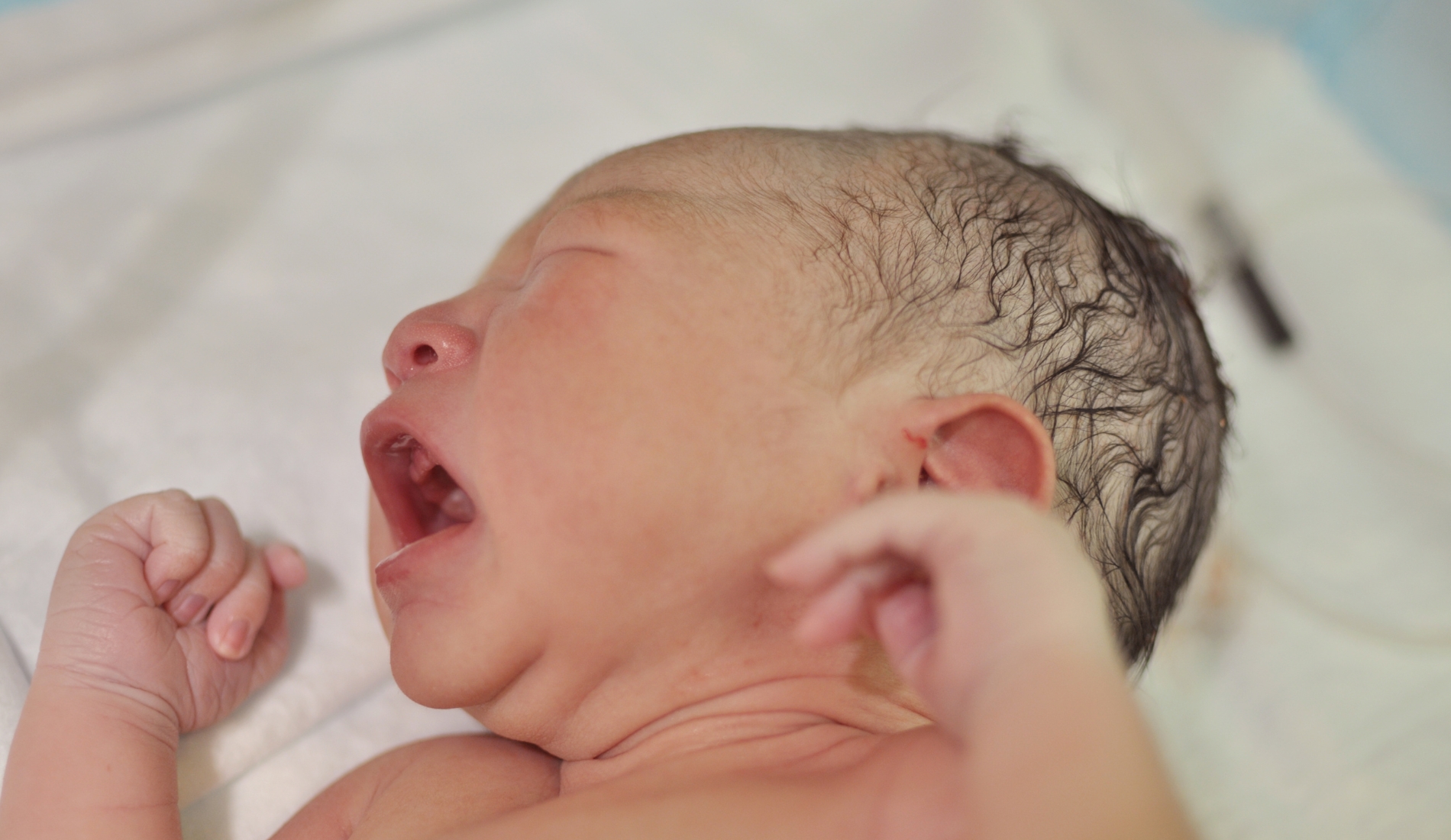
Have you ever seen a newborn with tiny teeth already present at birth? These early-appearing teeth are called natal teeth in newborns. Though rare, they can surprise new parents and raise several questions—are they normal, safe, or cause for concern?
Natal teeth, present in about 1 in every 2,000 to 3,000 births, are most often lower central incisors. In most cases, they are not a sign of any serious health issue. This article explores their causes, potential complications, treatment options, and when to consult a pediatric dentist.
Renowned pediatric dental expert Dr. Jeffrey A. Dean, former President of the American Board of Pediatric Dentistry, has provided valuable insights into this unique condition. Curious about what causes these early teeth or if they need to be removed? Let’s dive into everything you need to know about natal teeth in newborns.
Is Natal Teeth in Newborns Good or Bad?
The presence of natal teeth in newborns can be both good and bad, depending on various factors. On one hand, these teeth may typically be central incisors and can signify healthy development if they are normal teeth.
However, natal teeth can also be associated with certain syndromes, such as Ellis-van Creveld syndrome and Hallermann-Streiff syndrome, which may indicate underlying health issues.
Parents should consult a healthcare provider to determine the implications of natal teeth on their baby’s overall health, especially during the first month of life.
It is essential to recognize that while natal teeth are often harmless, they can occasionally lead to complications. For instance, they may cause ulceration or damage to your child’s tongue due to their positioning. Therefore, understanding the context of natal teeth is crucial.
If they are causing issues or if they are classified as supernumerary teeth, parents may need to consider their removal. Ultimately, the assessment of whether natal teeth are good or bad hinges on their individual characteristics and the baby’s health.
What Causes Natal teeth in Newborn Babies?
The causes of natal teeth can vary widely, but they are generally attributed to genetic factors and certain syndromes. Natal teeth may erupt due to inherited traits from parents or can be linked to conditions such as chondroectodermal dysplasia, Sotos syndrome, and other genetic syndromes.
The exact cause of natal teeth is not always clear, and in many cases, they simply appear without any underlying syndrome. This unpredictability raises questions about the factors that contribute to their development.
In some instances, the presence of natal teeth may be associated with disturbances in normal tooth development. For example, supernumerary teeth may erupt alongside primary teeth, complicating the situation. The incidence of natal teeth is relatively low, affecting only a small percentage of newborns.
However, understanding these potential causes is essential for parents who want to ensure their baby’s teeth are healthy and developing appropriately within the first 30 days of life.
Complications Associated with Natal Teeth:
Complications linked to natal teeth can range from minor to significant, requiring careful monitoring. One common issue is the potential for ulceration of the tongue, as the sharp edges of natal teeth can cause damage.
This condition, known as Riga-Fede disease, can be painful for the infant and may necessitate intervention. Additionally, parents may need to watch for signs of infection or discomfort in their baby, which could indicate further complications.
Moreover, the presence of natal teeth can affect feeding. If they are present at birth and interfere with breastfeeding or bottle-feeding, parents may need to seek advice from a healthcare provider to find alternative feeding methods.
In rare cases, natal tooth may also be associated with other dental anomalies or developmental issues, emphasizing the importance of ongoing dental evaluations to ensure the baby’s primary dentition is healthy and progressing as expected.
Do Natal Teeth Need to Be Removed?
The question of whether natal teeth need to be removed is a common concern among parents. In many cases, if natal teeth are normal and do not cause any complications, they may not need to be extracted.
However, if they are supernumerary teeth or if they pose a risk of damaging your baby tongue or gums, removal may be necessary. It’s crucial to consult with a healthcare provider to evaluate the specific situation and determine the best course of action.
Ultimately, the decision about extraction should be based on the health of the baby and the condition of the natal teeth. In some instances, monitoring may be sufficient, while in others, proactive removal may prevents damage to your child tongue.
Parents should be aware of the need for regular dental check-ups to assess the development of their child’s teeth and to address any emerging issues during the first month of life.
Differences Between Natal Teeth and Neonatal Teeth in Babies?
Natal and neonatal teeth, while similar in that they both refer to teeth present during infancy, differ primarily in their timing. Natal teeth are those that erupt before birth, while neonatal teeth erupt within the first month of life.
Understanding this distinction is essential for parents as it can influence the management of the baby’s dental health. Natal teeth may often be central incisors, while neonatal teeth can also include other types of teeth.
Moreover, the complications associated with natal and neonatal teeth can differ as well. Since natal teeth are present at birth, they may lead to immediate issues, such as ulceration or feeding difficulties, whereas the baby neonatal tooth may not pose problems until they fully developed.
Parents should be well-informed about these differences to ensure their baby’s teeth are monitored appropriately, facilitating timely intervention if needed.
Management of Natal and Neonatal Teeth
Managing natal and neonatal teeth involves regular dental assessments to ensure that the primary dentition is healthy and developing correctly. Parents should schedule appointments with a pediatric dentist to evaluate the teeth and address any concerns related to their child’s oral health.
If complications arise, such as ulceration or feeding difficulties, the dental professional can recommend appropriate treatment options. Additionally, parents should be educated about proper oral hygiene practices for infants, even if their baby is born with teeth. Keeping the mouth clean is essential in preventing infections or complications associated with natal teeth.
By actively managing the health of natal and neonatal teeth, parents can help ensure that their child’s primary teeth develop normally and any associated issues are addressed promptly.
Commonly Asked Questions about Complications of Natal and Neonatal Teeth (FAQs)
What Do Natal Teeth Look Like?
Natal teeth are teeth that erupt at birth, appearing as small, loose, or discolored pegs—often on lower gums. An X-ray may check root development. Consult a pediatric dentist if present.
What is baby born with teeth astrology Mean?
Baby born with teeth astrology refers to cultural beliefs linking natal teeth to traits like luck, strength, or destiny. Scientifically, it’s a rare but harmless condition (1 in 2,000 births).
Are Natal Teeth the Same as Primary Teeth?
Are Natal Teeth Primary Teeth? Yes, natal teeth are primary teeth that erupt at birth. They are typically the lower incisors. Though present early, they are part of the normal primary dentition.
What is the difference between natal teeth and neonatal teeth?
Natal or neonatal teeth are baby teeth present at birth (natal) or erupting within the first 30 days (neonatal). Both are rare, but natal teeth are more common.
How Are Natal Teeth Diagnosed?
Natal teeth are diagnosed via visual exam and sometimes an X-ray to assess root development. A pediatric dentist checks stability—loose teeth may need removal to prevent choking risks.
What is the treatment for natal teeth?
Natal teeth treated depends on stability: if loose, dentists often smooth the top edges, or remove them to prevent choking or feeding issues. If stable, they’re monitored but usually left in place.
How long does it take for natal teeth to fall out?
Natal teeth often loosen and fall out smoothly the first month of life. If retained, they typically shed like normal baby teeth by age 6–7. Dentists monitor stability.
What causes cleft lips in babies?
Cleft lip and palate occur due to genetic and environmental factors (smoking, diabetes, poor nutrition) disrupting facial fusion in early pregnancy. Surgery can repair it, often in infancy.
Conclusion
In conclusion, understanding natal teeth in newborns is essential for parents who may encounter this unique situation. While they can be a sign of healthy development, there are potential complications and considerations that must be taken into account. Consulting with healthcare providers can help parents navigate the challenges associated with natal and neonatal teeth and ensure their baby’s oral health is maintained. Whether natal teeth are deemed good or bad, being informed and proactive will ultimately benefit both parents and their infants.
Recommended posts
- Top 5 Best Newborn Parenting Books for New Parent: Must Read
- Why Do Newborns Stick Out Their Tongues & When to Seek Help!
- How Many Teeth Does a Teenager Have & What Changes to Expect?