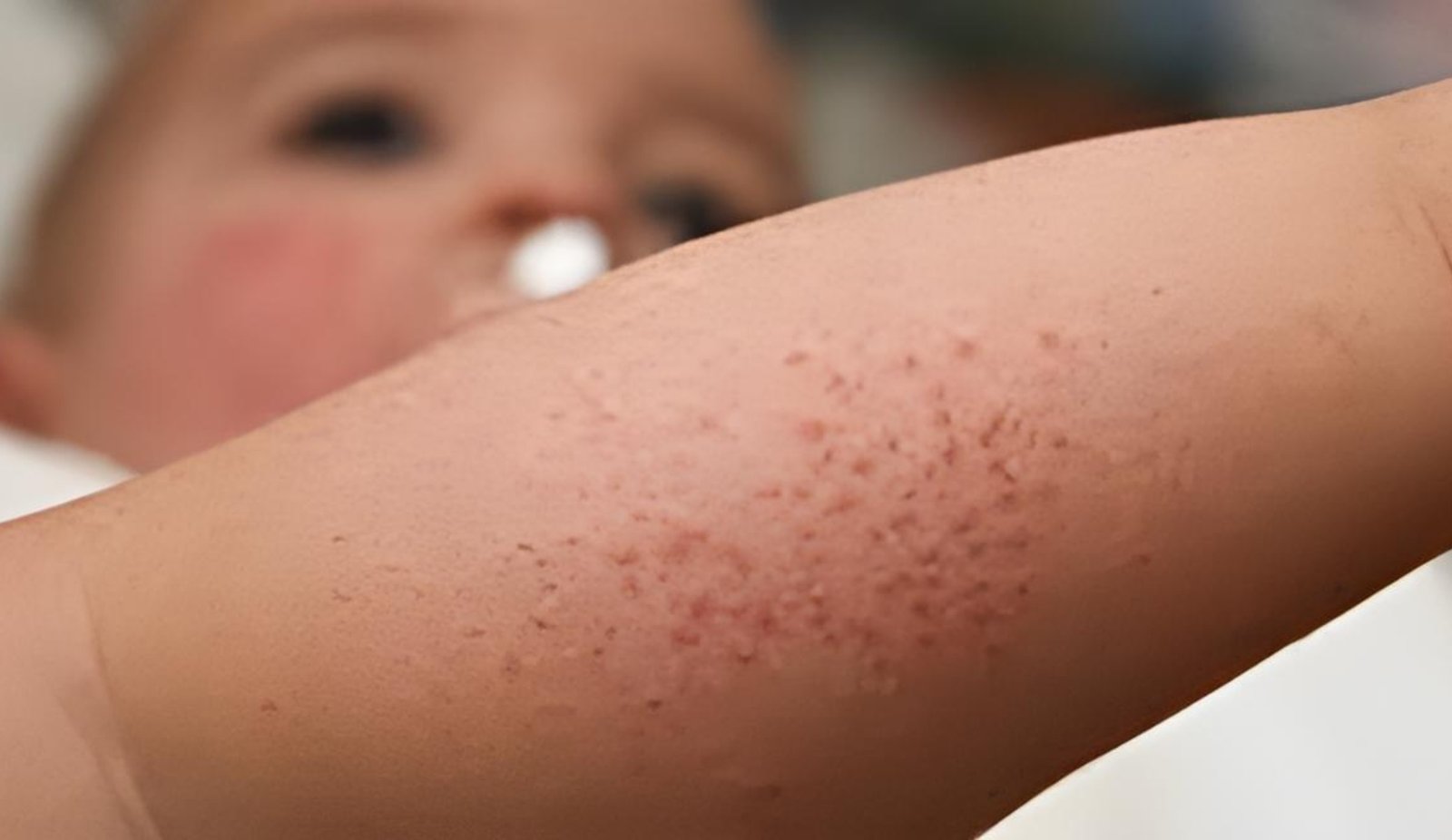
Newborn flea bites symptoms—are those tiny red bumps something to worry about? If your baby suddenly has extremely itchy spots or seems more fussy than usual, fleas might be the hidden culprit. Curious about what these bites look like and how to handle them safely?
Flea bites on newborn babies often appear as small red clusters, usually on the legs, arms, or neck. According to pediatric dermatologist Dr. Tanya Altmann, newborn skin is ultra-sensitive, and even minor flea exposure can cause visible reactions. This article dives into how to spot symptoms, choose gentle remedies, and protect your baby from future bites.
Don’t let these pesky pests take over your baby’s comfort or your peace of mind. From safe, natural treatments to pediatrician-approved prevention tips, we’ve got everything you need to know. Let’s take the itch out of the issue—scroll on for the complete guide!
Complications Of Flea Infestations In Babies
Flea infestations can lead to a variety of complications in babies, including severe itching, allergic reactions, and even infections. When fleas bite, they can transmit various diseases, which can be particularly dangerous for infants.
The saliva of fleas may cause allergic reactions, leading to intense discomfort and potential secondary infections from excessive scratching.
In some cases, a flea infestation can also lead to anemia, especially if the baby is bitten frequently, as the loss of blood can affect their health. Therefore, recognizing the signs of flea infestation and taking immediate action is crucial for your baby’s well-being.
Additionally, newborns may not be able to communicate their discomfort effectively, making it vital for parents to be vigilant about any signs of flea bites. If a baby is experiencing persistent itching or discomfort, it is important to consult a pediatrician.
Cat Flea infestations can also lead to anxiety and stress for parents, who worry about their child’s health. This highlights the need for effective flea control measures in homes with infants. Prompt action can prevent a flea infestation from escalating, ensuring a safe and healthy environment for your baby.
Symptoms of Newborn Flea Bites
Flea bites on newborns can be concerning, especially since their skin is so sensitive. Here’s what to look for and the symptoms you might notice:
🦟 What Do Flea Bites Look Like on a Newborn?
Flea bites on a newborn typically appear as:
- Small red bumps: About the size of a pinhead, often with a small raised red halo around them.
- Clustered or in a line: Fleas tend to bite humans in groups of 2–3 or in a straight row.
- Swelling: The bites might swell slightly, more so than on older children or adults.
- Itchy skin: Babies may become fussy or irritable, especially if the bites are itchy or uncomfortable.
- Common areas: Bites often appear on legs, feet, arms, and sometimes the head or neck if the baby isn’t fully covered.
🧸 Symptoms of Flea Bites in Newborns
Aside from the visible marks, you might also notice:
- Irritability or excessive crying (especially if the bites are itchy or painful).
- Redness or rash near the bite area. flea bite rash newborn
- Scratching (if they’re old enough to do so or rubbing their skin more than usual).
- Possible blistering (in more sensitive cases or allergic reactions).
- Fever or signs of infection if the bites get scratched open or infected (rare but needs attention).
⚠️ When to Worry
Contact a child doctor if you notice:
- Signs of allergic reaction (swelling of lips/face, difficulty breathing).
- Bites that ooze pus or seem infected.
- Fever or other signs of illness after flea exposure.
- Excessive swelling or widespread rash.
🧼 Tips for Care and Flea Prevention
- Clean bedding and baby clothes regularly.
- Vacuum carpets and furniture where fleas might hide.
- Treat pets and the home if fleas are present.
- Use baby-safe anti-itch creams (as advised by a pediatrician).
- Keep baby’s nails short to avoid scratching wounds.
Flea Bites vs. other Insect Bites
Distinguishing flea bites from other insect bites, such as those from mosquitoes or bedbugs, is essential for effective treatment. Flea bites usually occur in clusters and may appear in a straight line, while mosquito bites tend to be singular and more random.
Bedbug bites often present as red welts that may be more pronounced and can lead to significant itching as well. Understanding these differences can help parents determine the right course of action for treating their baby’s discomfort. Additionally, flea bites often cause more intense itching due to the allergic reaction they can provoke in some individuals.
It’s also important to note that while fleas primarily infest pets, they can easily transfer to humans, especially in homes where pets are present. Babies, with their sensitive skin and propensity for scratching, are particularly vulnerable to flea bite on newborn baby.
Parents should keep a close eye on their babies and monitor for any signs of an infestation, especially if they notice unusual bite patterns. Identifying flea bites promptly can lead to quicker eradication of the flea population in your home, preventing further discomfort for your little one.
What to Do if you See Flea Bites on Your Baby?
If you notice flea bites on your baby, it is crucial to act quickly to alleviate their discomfort. Start by gently cleaning the affected area with mild soap and water to remove any irritants and reduce the risk of infection.
Avoid using harsh chemicals or topical treatments without consulting a pediatrician, as babies have sensitive skin. Applying a cool compress can provide immediate relief from itching and reduce swelling. If the itching persists, consider consulting a pediatrician about safe antihistamine options that can help alleviate your baby’s symptoms.
In addition to treating the immediate effects of flea bites, it is vital to address the underlying flea infestation. Thoroughly vacuum your home, especially areas where your baby spends time, to remove fleas, eggs, and larvae.
Washing bedding and any fabric your baby frequently contacts can further reduce the flea population in your home. If necessary, consult a veterinary professional for advice on safely treating pets, as they can be a primary source of fleas.
Taking these steps can help ensure your baby is not only treated for flea bites but also protected from future infestations.
Safe to Use Treatment For Fleabites In Babies
Treating flea bites in babies requires caution, as their sensitive skin can react adversely to many products. The first step is to clean the bite sites with mild soap and water to prevent infection.
After cleaning, applying a soothing lotion or cream containing calamine or aloe vera can help reduce itching and promote healing. Avoid using topical steroids unless prescribed by a healthcare provider, as these can have side effects in infants.
If your baby continues to experience severe itching or discomfort, consult a pediatrician for safe antihistamine options that are appropriate for their age.
In addition to topical treatments, parents should monitor the bites for any signs of infection, such as increased redness, swelling, or pus. If these symptoms arise, medical attention should be sought immediately.
It’s also essential to implement effective flea and tick control measures in your home to prevent future bites. Regularly vacuuming carpets, upholstery, and pet bedding can help eliminate fleas and their eggs.
Using collars and flea medications for pets, as advised by a veterinarian, can further reduce the risk of flea infestations. These steps will not only help treat current flea bites but also create a safer environment for your baby.
How to Prevent a Baby’s Contact with Fleas
Preventing your baby’s contact with fleas is essential for their health and comfort. First and foremost, if your pet has fleas, ensure that they are treated regularly with veterinarian-recommended flea products. Regular grooming and bathing of pets can significantly reduce the flea population in your home.
Additionally, maintaining a clean living environment is crucial; vacuum carpets, rugs, and upholstery frequently to eliminate fleas and their eggs. Washing your baby’s bedding in hot water can also help keep the sleeping area flea-free.
Another important strategy is to limit your baby’s exposure to areas where fleas are prevalent, such as places where pets spend a lot of time. When visiting homes with pets, be mindful of your baby’s contact with surfaces that may harbor fleas.
Using dogs and cats flea collars and topical flea treatments on pets can further reduce the risk of bringing fleas into your home. It’s important to remain vigilant and monitor for any signs of flea bites on your baby, as early detection can prevent a minor issue from escalating into a larger infestation.
How to get rid of fleas
Getting rid of fleas in your home requires a multi-faceted approach to effectively eliminate both adult fleas and their larvae. Start by vacuuming your entire home, paying special attention to carpets, rugs, and upholstery.
After vacuuming, dispose of the vacuum bag or contents outside to prevent fleas from re-entering your home. Washing all pet bedding and your baby’s bedding in hot water can also help kill any remaining fleas and eggs. Consider using insect growth regulators (IGRs) as they can disrupt the flea life cycle and prevent future infestations.
In addition to household cleaning, consider employing flea control products that are safe for use around babies and pets. There are various sprays and powders available that target fleas without posing a risk to your child’s health.
If the infestation persists, you may want to consult a pest control professional who specializes in safe, effective flea eradication methods. Taking these comprehensive steps will help you get rid of fleas and ensure a flea-free environment for your baby.
Treatment for Bites Caused by Fleas, Mites and Chiggers
Treatment for bites caused by fleas, mites, and chiggers involves similar approaches, given the irritation they cause. Start by cleaning the bite area with mild soap and water to prevent infection.
After cleaning, applying a topical treatment such as calamine lotion or hydrocortisone cream can help relieve itching and reduce inflammation.
For severe itching, consult your pediatrician about safe antihistamine options that can be used for infants. It’s essential to monitor the bite sites for any signs of infection, such as increased redness or swelling.
In addition to treating the bites, it’s important to take preventive measures to avoid future bites. Regularly vacuuming your home, washing bedding, and ensuring pets are treated for fleas can significantly reduce the likelihood of encountering these pests.
If necessary, consult a veterinarian for recommendations on effective flea products. Taking a proactive approach will not only treat your baby’s current discomfort but also safeguard against future infestations and bites caused by fleas, mites, and chiggers.
Conclusion about Flea Bites on Babies
In conclusion, understanding the symptoms of newborn flea bites and implementing effective treatment and prevention strategies is essential for keeping your baby comfortable and healthy. Flea bites can lead to significant itching and discomfort, so prompt action is necessary if you notice signs of fleabites on babies. By maintaining a clean home, treating pets regularly, and using appropriate remedies such as oral flea medication, you can significantly reduce the risk of flea infestation in your home. Remember to consult with healthcare professionals for any concerns about your baby’s well-being, and take proactive measures to create a flea-free environment. With the right knowledge and precautions, you can ensure your little one remains safe from the discomfort of flea bites.
Recommended posts
- Normal Vital Signs in Newborn: What Every Parent Should Know
- Bed Bug Bites Newborn: Signs, Risks, and Prevention Tips
- Newborn Leg Tremors Normal? Causes and When to Seek Help!