Understanding 3 month old developmental milestones helps parents track how a baby’s skills evolve beyond the newborn stage. At three months, infants become more alert, responsive, and socially engaged. Are you curious about which changes signal healthy growth at this age?
At this age, most babies lift their head and chest during tummy time, smile socially, and follow moving objects with their eyes. According to the Centers for Disease Control and Prevention, many infants also begin cooing, opening and closing their hands, and recognizing familiar caregivers. These 3 month old milestones reflect steady progress in motor, sensory, and social development.
Yet these milestones do not define the full picture of your baby’s abilities. Renowned pediatricians like Dr. Harvey Karp stress that development occurs within a wide and normal range. So, let’s dive deeper and explore what three month old milestones truly reveal about your baby’s growth journey.
What Developmental Milestones Child Should Reach by Three Months of Age?
What can your 1 to 3-month-old baby do at this age? By three months of age, babies transition from primarily reflex-driven behavior to more intentional movement and interaction. This period marks the foundation of voluntary control, early communication, and social engagement.
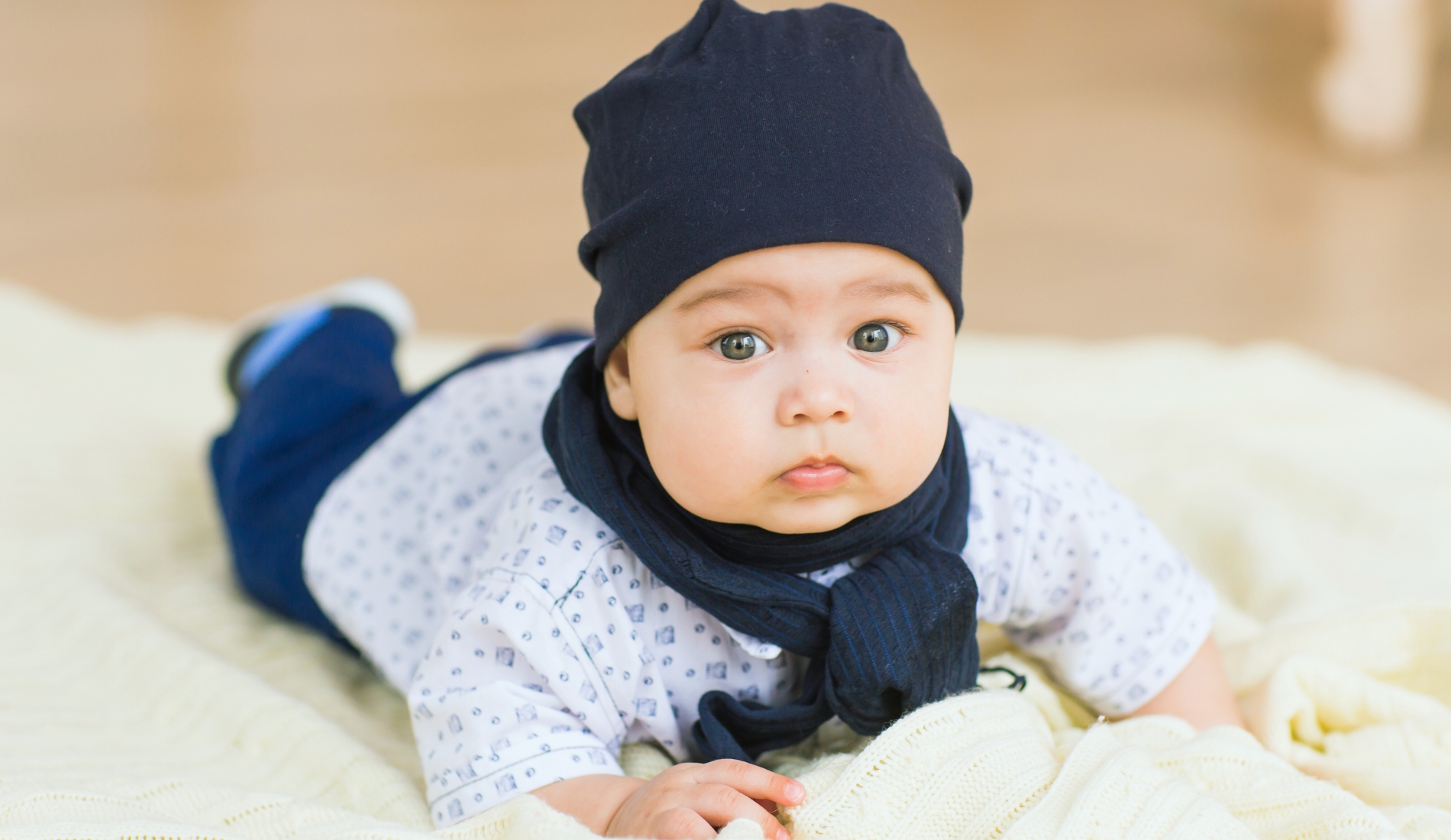
Physically, most three-month-old babies demonstrate improved head and neck control. When placed on their tummy, they can lift their head and chest using their forearms. Many babies can hold their head steady when supported in an upright position. Arm and leg movements become smoother, less jerky, and more purposeful.
Cognitively, babies at this age show increased alertness and curiosity. They begin to track moving objects with their eyes, recognize familiar faces, and respond to changes in their environment. Their attention span lengthens slightly, allowing them to focus on faces, toys, and sounds for short periods.
Emotionally and socially, three-month-olds start to smile spontaneously, especially in response to people. They enjoy interaction, may attempt to “talk” back when spoken to, and show excitement through body movement and facial expressions. These behaviors signal the early development of social bonding and emotional regulation.
3 Month Developmental Milestones: At a Glance
For a quick overview, here are the hallmark achievements most parents can expect to see as their baby approaches or reaches the three-month birthday:
- Motor & Physical: Holds head up steadily during tummy time; pushes up on forearms; opens and shuts hands; brings hands to mouth; may bat at dangling objects.
- Sensory: Follows moving objects and faces with eyes; turns head toward interesting sounds or familiar voices; shows preference for complex patterns and faces.
- Communication: Coos and makes vowel sounds ( “ooh,” “aah”); smiles in response to your smile; begins to mimic some facial expressions.
- Social & Emotional: Engages in prolonged eye contact; develops a distinct, responsive “social smile”; starts to enjoy playtime and may cry when play stops.
- Feeding & Sleep: Establishes a more predictable feeding pattern; may sleep for longer stretches at night (4-6 hours).
What Can Your 1 to 3-month-old Baby Do at This Age?
Between one and three months, babies undergo remarkable transformations. During the earlier weeks, movements are largely reflexive, but by three months, babies gain increasing control over their bodies.
Motor development accelerates significantly. Babies can kick their legs vigorously, stretch their arms, and bring both hands together. Many enjoy watching their hands move, an important step in developing hand-eye coordination. Tummy time becomes more productive, with babies lifting their head higher and holding the position for longer periods.
Sensory development also advances. Vision sharpens, allowing babies to see objects more clearly at a distance of about 8 to 12 inches. They can distinguish colors better and show a preference for high-contrast patterns. Hearing is well developed, and babies often calm when they hear a familiar voice or become excited by new sounds.
Sleep and feeding patterns also become more predictable during this period. Many babies begin to establish longer nighttime sleep stretches and more consistent feeding intervals, though variation remains normal.
3 Month Old Developmental Milestones Checklist
A developmental checklist can help parents monitor progress while keeping expectations realistic. By three months, most babies can:
- Hold their head steady when supported
- Push up on forearms during tummy time
- Open and close their hands
- Bring hands to mouth
- Follow moving objects with their eyes
- Smile in response to people
- Make cooing or gurgling sounds
- Recognize familiar faces and voices
- Show interest in surroundings
- React to loud sounds
It is important to remember that 3 month milestones are guidelines, not strict rules. Some babies may achieve certain skills earlier or later than others. Consistent progress over time is more important than meeting every milestone exactly at three months.
Your 3-month-old baby’s growth – Learn the signs
Growth at three months involves more than just weight and length; it encompasses muscle strength, coordination, and sensory integration. Most babies experience steady physical growth during this period, with noticeable increases in alertness and activity.
Signs of healthy growth include increased muscle tone, improved posture, and greater endurance during activities like tummy time. Babies may show excitement by waving their arms and kicking their legs when they see a caregiver or hear a familiar voice.
Parents may also notice changes in feeding efficiency. Babies often feed more effectively, taking in more milk in less time. This efficiency supports consistent weight gain and overall growth.
Healthcare providers track growth using standardized growth charts, which consider weight, length, and head circumference. Regular well-baby visits are essential for ensuring your baby’s growth pattern remains healthy and proportional.
Social and Emotional Development Milestones
Social and emotional development becomes especially noticeable at three months. Babies begin to engage more actively with the people around them, laying the groundwork for secure attachment and emotional intelligence.
One of the most significant 3 month infant milestones is the social smile. Babies smile intentionally in response to faces, voices, and interactions, rather than reflexively. This behavior indicates growing emotional awareness and social responsiveness.
Babies also begin to express a wider range of emotions. They may show excitement through animated movements, contentment through relaxed body language, or frustration through fussing and crying. These expressions help caregivers learn and respond to their baby’s needs more effectively.
Interaction plays a crucial role in emotional development. Talking, singing, holding, and making eye contact help babies feel secure and valued. Consistent, responsive caregiving strengthens emotional bonds and supports healthy social development.
Talking – Communication and Language Development
Communication development at three months centers on sound production, listening skills, and early turn-taking. While babies are not yet forming words, they are actively learning the foundations of language.
Cooing is a hallmark of this stage. Babies produce soft vowel sounds such as “oo” and “ah,” often in response to hearing a familiar voice. They may pause as if waiting for a response, demonstrating early conversational skills.
Babies also become more expressive with their faces, using smiles, raised eyebrows, and widened eyes to communicate interest or excitement. They turn their head toward sounds and may become quiet or alert when spoken to.
Parents can support language development by speaking frequently, narrating daily activities, reading aloud, and responding to their baby’s vocalizations. These interactions reinforce the connection between sounds, meaning, and social engagement.
Commonly Asked Questions about 3 Month Old Development Milestones (FAQs)
What can my 1- to 3-month-old baby see?
According to the American Academy of Pediatrics, your 1-3 month-old can see bold patterns and faces 8-12 inches away. Their vision is blurry, but they begin to track objects. Watching your face helps infant and toddler visual development in these first months.
What are the baby milestones in order?
Key baby developmental milestones in order are: social smiling, head control, cooing, reaching for objects, and rolling over. The American Academy of Pediatrics outlines these as general guidelines for how babies typically reach milestones in their first months.
What can my 1- to 3-month-old baby say?
Your baby may coo, gurgle, and make vowel sounds like “ah” or “oh.” These early noises are how your baby needs to communicate before speech. Know your baby is practicing by responding to your voice during these first months of sound exploration.
What does my 1- to 3-month-old baby understand?
Your baby understands comfort, your voice, and basic routines like feeding. They learn that crying brings a response. This foundational trust is a crucial baby developmental milestone. Hold your baby often to reinforce this bond and help them feel secure.
What can my 1- to 3-month-old baby hear?
Your baby can hear well and recognizes familiar voices, especially parents’. They may startle at loud noises and turn toward sounds. The American Academy of Pediatrics notes responding to your voice is a key infant and toddler hearing milestone in these first months.
How long should my 1- to 3-month-old baby sleep?
Your baby needs 14-17 hours of sleep daily, in short naps and longer night stretches. Sleep patterns vary. The American Academy of Pediatrics emphasizes safe sleep practices. Know your baby’s unique cues to help establish healthy sleep habits during these first months.
When should my 3 month old begin to smile and show awareness of the world?
Most babies begin to smile socially around two to three months, a key infant milestone showing awareness of the world. If your baby doesn’t smile by four months, discuss them with your pediatrician to rule out concerns about your baby’s social or brain development later.
What motor milestones should a three month old reach and when should I worry?
At three months infants commonly are able to lift their head during tummy time and begin reaching for toys, three month milestones. If your old baby development seems delayed, talk to your pediatrician; early intervention can help them learn and support growth and 3 month old development progress.
How can I support my baby’s speech development and let your baby learn to communicate?
To support speech development, talk to your baby often, narrate activities, sing, and use the sound of your voice during play. Offer a rattle, toys and books for interaction. Let your baby coo and respond; listening to your voice builds communication foundations and learning skills.
What warning signs at three months should prompt me to discuss them with your pediatrician?
Warning signs at three months include no visual tracking, not beginning to smile, poor muscle tone, or inability to lift head during tummy time. If your baby seems unusually sleepy or feeds poorly, discuss them with your pediatrician. Discussion supports early intervention and child’s development.
How do I know if my baby is developing as expected during growth spurt periods?
Remember each baby is unique; some reach certain milestones earlier or later. During growth spurts, babies may feed more and sleep differently. Caring for your baby includes tracking changes, support, talking to your pediatrician when concerned, and they can help your baby learn and grow.
Conclusion
The third month of life represents a crucial developmental window marked by rapid growth and increasing interaction with the world. Understanding 3 Month Old Developmental Milestones empowers parents to nurture their baby’s physical, cognitive, emotional, and communication skills with confidence.
While 3 month milestones provide helpful benchmarks, it is essential to remember that every baby develops at their own pace. Consistent care, loving interaction, and regular pediatric checkups are the most important factors in supporting healthy development. If concerns arise, early consultation with a healthcare professional can provide reassurance and guidance.
By staying informed and engaged, parents can enjoy this rewarding stage while laying a strong foundation for their child’s future growth and well-being.
Recommended posts
- Essential Developmental Milestones for Infants 0-12 Months
- When Do Babies Start Crawling? (3 Tricks To Crawl Sooner)
- 3 Proven Ways to Strengthen Early Childhood Bonding (Tested)