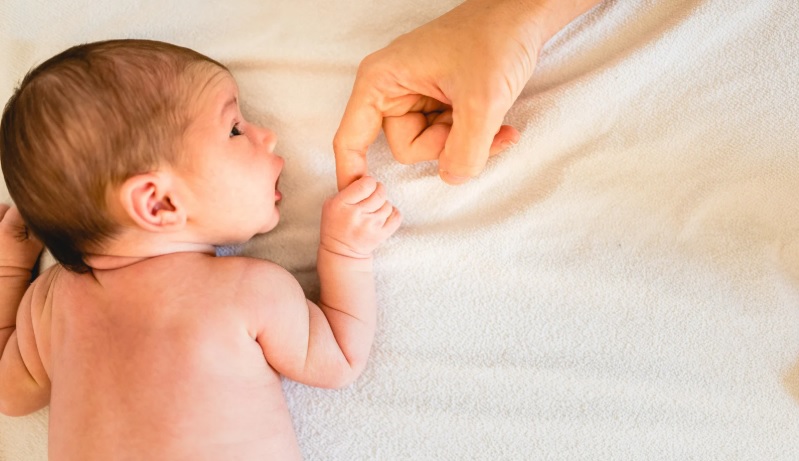
What should your one month old be doing? Tracking 1 month infant milestones helps parents understand how a newborn starts adapting to the world. At this stage, babies show early signs of growth in movement, senses, and communication. Are you wondering what changes truly matter during your baby’s first month?
At one month, most infants briefly lift their head, respond to loud sounds, and focus on faces at close range. They begin to communicate through crying, make reflexive movements, and sleep 14–17 hours a day, as reported by the American Academy of Pediatrics. These 1 month newborn milestones signal healthy neurological and physical development.
Yet these early signs only scratch the surface of your baby’s progress. Pediatric experts like Dr. T. Berry Brazelton emphasize that every infant develops at a unique pace within a healthy range. So, without delay, let’s explore the key one month newborn milestones every parent should recognize and understand.
What are the Developmental Milestones Child Should Reach by One Month of Age?
Developmental milestones are age-specific skills or behaviors that most children can perform within a certain timeframe. By one month of age, infants are transitioning from the reflex-driven behaviors of the newborn period to more intentional interactions with their environment.
At this stage, development primarily occurs in four domains: physical growth, motor skills, sensory awareness, and social-emotional engagement. One-month-old babies are beginning to lift their heads briefly, focus on faces, respond to sounds, and communicate their needs through cries and early vocalizations. These milestones indicate that the baby’s nervous system, muscles, and sensory pathways are developing appropriately.
It is important to remember that milestones are guidelines rather than rigid rules. Slight variations are normal, especially for babies born prematurely or with differing birth experiences. Consistent progress over time is the key indicator of healthy development.
One Month Infant Milestones: What’s Normal and What’s Not?
At one month old, infants are rapidly developing, and observing their milestones can help you understand what’s typical for their age. Here’s a breakdown of what you might expect:
Normal Milestones
- Physical Development:
- Reflexes: Infants often display reflexes such as the grasp reflex (they’ll grasp your finger) and startle reflex.
- Movement: They can turn their head from side to side while lying on their stomach.
- Social and Emotional Development:
- Social Smiles: Some infants may start to show social smiles in response to familiar voices or faces.
- Cuddling: They enjoy being held and may actively seek out contact or comfort with parents.
- Cognitive Development:
- Alertness: They will become more alert during wake periods and may recognize their parents’ voices.
- Visual Focus: They begin to focus on objects about 8-12 inches away and may track moving objects with their eyes.
- Communication:
- Cooing: Infants might start to make cooing sounds and respond to sounds around them.
What’s Not Normal
- Lack of Reflexes:
- Absence of newborn reflexes (like the grasp or startle reflex) may indicate a problem.
- Poor Eye Contact:
- If your baby doesn’t seem to focus on faces or objects, it might warrant a check-up.
- No Responses to Sounds:
- Not reacting to loud sounds or voices could signal hearing issues.
- Extreme Fussiness or Lethargy:
- Excessive crying without a clear reason, or being unusually lethargic, should be discussed with a pediatrician.
- Physical Posture:
- If the baby holds their arms and legs rigidly or feels floppy.
When to Consult a Pediatrician?
It’s always best to err on the side of caution. If you notice any of the “not normal” signs, or if you have concerns about your infant’s development, consult a pediatrician for advice and assessment. Each child develops at their own pace, but professional guidance is important to ensure healthy development.
1 Month Infant Milestones Checklist
A structured checklist can help parents and caregivers monitor early development while reducing unnecessary anxiety. By one month, many infants demonstrate the following milestones:
- Lifts head briefly when placed on their stomach
- Moves arms and legs symmetrically
- Brings hands close to face
- Follows objects briefly with their eyes
- Focuses on faces, especially caregivers
- Responds to loud sounds
- Begins to recognize familiar voices
- Cries to communicate hunger, discomfort, or fatigue
- Makes brief cooing or vowel-like sounds
- Displays moments of alertness between sleep cycles
This checklist provides a snapshot of typical development. Missing one or two items does not automatically indicate a concern, but a consistent lack of progress across multiple areas may warrant a discussion with a pediatrician.
Interacting – Social and Emotional Development
Social and emotional development begins at birth and rapidly evolves during the first month as babies start forming connections with caregivers.
– Physical Development Milestones
At one month, physical development is closely tied to neurological maturation. Babies are still gaining head and neck control, but many can briefly lift or turn their head while lying on their stomach. Muscle tone improves gradually, though movements may still appear jerky or uncoordinated.
Infants at this age are also growing rapidly. Most babies gain weight steadily and may outgrow newborn clothing by the end of the first month. Proper nutrition, whether through breastfeeding or formula feeding, supports this essential physical growth.
– Social and Communication Milestones
Social awareness emerges early. One-month-old babies may briefly fix their gaze on a parent’s face and show early signs of social engagement. While intentional smiling usually appears closer to six to eight weeks, some infants may display fleeting reflexive smiles during sleep or contented moments.
Babies also begin to recognize primary caregivers by voice and scent, which helps establish emotional security. Consistent, responsive caregiving builds trust and lays the foundation for healthy attachment.
– Talking – Communication and Language Development
Although babies are not yet talking, communication development is already underway. Crying remains the primary method of expressing needs, but caregivers may start noticing different cries for hunger, discomfort, or fatigue.
By one month, some infants produce early cooing sounds—soft vowel-like noises that represent the first stage of language development. Talking, singing, and reading to your baby at this stage supports auditory processing and language acquisition later in infancy.
– Moving – Physical or Motor Development
Motor development during the first month is dominated by reflexes, such as the rooting and grasp reflex. However, babies also begin to show voluntary movements, particularly in their arms and legs.
During supervised tummy time, many infants can lift their head briefly and turn it from side to side. These early movements strengthen the muscles needed for later milestones such as rolling, sitting, and crawling.
Infant Development – Birth to 3 Months
The period from birth to three months is often referred to as the “fourth trimester” because babies are still adjusting to life outside the womb. Development during this time is rapid and foundational.
Between one and three months, infants gradually gain better head control, increased alertness, and improved visual tracking. Social behaviors become more pronounced, with purposeful smiling and increased vocalization emerging by the end of this period.
Sleep patterns also begin to change. While newborns sleep most of the day, one-month-old babies may start having slightly longer periods of wakefulness, allowing for more interaction and bonding.
Understanding this broader developmental window helps parents place one-month milestones in context and anticipate upcoming changes.
Supporting Your Baby’s 1-Month Developmental Milestones
Parents play a critical role in supporting early development through everyday interactions. Simple, responsive activities are often the most effective.
- Practice tummy time daily: Even a few minutes at a time helps strengthen neck, shoulder, and core muscles.
- Engage in face-to-face interaction: Talking, smiling, and making eye contact encourage social and emotional growth.
- Respond promptly to cries: Consistent responsiveness builds trust and emotional security.
- Provide sensory stimulation: Soft sounds, gentle touch, and high-contrast visuals support sensory development.
- Maintain a predictable routine: Regular feeding, sleeping, and interaction patterns help babies feel safe and regulated.
Supporting development does not require structured lessons or expensive tools. Attentive caregiving and a nurturing environment are the most powerful influences during this stage.
Encourage 1-Month-Old Milestones with the Boppy Tummy Time Pillow
Tummy time is one of the most important activities for promoting early motor development, and supportive tools can make it more comfortable and effective. The Boppy Tummy Time Pillow is designed to provide gentle support while encouraging babies to lift their heads and engage their muscles.
By positioning the pillow under the baby’s chest during supervised tummy time, caregivers can help reduce strain and increase comfort. This support often allows babies to tolerate tummy time for longer periods, which contributes to stronger neck and upper body muscles.
Additionally, many tummy time pillows include sensory elements such as mirrors or textures, which stimulate visual and tactile exploration. When used safely and appropriately, these tools can complement daily developmental activities.
Commonly Asked Questions about 1-Month-Old Infant Milestones (FAQs)
What should my one month old be doing?
At this age, your baby should be able to lift their head briefly during tummy time, focus on faces, react to sounds, and make cooing noises. Primitive reflexes like grasping are strong. Expect lots of sleeping and eating in short cycles.
What are typical 1 month infant milestones?
At 1 month of age babies mainly sleep, feed frequently, and show newborn milestones like the Moro reflex and brief visual tracking; caregivers should interact with your baby gently, hold your baby often, and observe baby’s growth while knowing every baby develops at their own pace.
What warning signs suggest developmental delay at one month?
Warning signs of developmental delay at one month include very weak feeding, no alertness to sound, absence of Moro reflex when expected, or extreme floppy tone; follow signs, document concerns, and seek early intervention so extra help and pediatric advice can support healthy growth now.
How can I help your baby reach baby developmental milestones?
To help your baby’s growth and intellectual development, hold your baby securely, talk and sing, provide tummy time briefly, focus on objects within sight, respond to the baby’s cries, interact with your baby daily, and let your baby explore sounds and faces for child development.
How long does the Moro or startle reflex last?
The Moro reflex, or startle reflex, appears at birth and usually fades by about 3 months old; the reflex helps infants react to sudden stimuli, and persistence past expected age should prompt evaluation and possible early intervention to support the baby’s healthy growth and development.
Should I give my baby tummy time and how to time your baby?
Tummy time from 0-1 month, supervised and short, encourages neck strength and motor skills; caregivers should time your baby’s sessions, interact with your baby, let your baby lift their head briefly, and reach for toys later, supporting one month newborn milestones and overall growth and development progress.
Why does my baby cry so much and how does that relate to SIDS?
Crying is a baby’s primary communication; expect frequent cries in the first month as baby needs feeding, comfort, and sleep; safe sleep practices reduce sudden infant death syndrome risk, so place infants on their backs, avoid loose bedding, and follow guidance for infant safe sleep.
When should I seek early intervention or extra help?
Seek extra help or early intervention if your 1 month of age baby shows poor weight gain, rarely opens eyes, lacks startle or Moro reflex when expected, extreme floppy tone, or doesn’t respond to voices; these warning signs may indicate developmental delay merit pediatric assessment.
How do I balance comparing newborn milestones and remembering every baby is unique?
Remember every baby is unique and develops at their own pace; while parents should discover essential developmental milestones, letting your baby grow with responsive caring, tracking newborn milestones, and consulting professionals if unclear ensures supportive child development without worry about comparisons to other infants.
Conclusion
The first month of life is a remarkable period of transformation, marked by rapid growth and the emergence of essential skills. Understanding 1 Month Infant Milestones empowers parents to support their baby’s development with confidence and clarity. While every child follows their own unique timeline, awareness of typical milestones helps caregivers recognize progress, celebrate achievements, and identify potential concerns early.
By providing responsive care, engaging in simple developmental activities, and creating a nurturing environment, parents can lay a strong foundation for their baby’s physical, cognitive, and emotional well-being. As your baby continues to grow beyond the first month, these early interactions will play a lasting role in shaping their future development.
Recommended posts
- Essential Developmental Milestones for Infants 0-12 Months
- The Complete 18 Month Developmental Milestones Guide
- Encouraging Rolling Over Milestones: The Simple Daily Habits