The First Infant Social Smile marks one of the most anticipated milestones in early development. Parents often ask: when does a baby smile back on purpose? That tiny grin feels magical, but it also signals important neurological and emotional growth.
Most infants show their first true social smile between 6-8 weeks of age. At this stage, babies smile in response to familiar faces, eye contact, and gentle voices rather than reflexes. Pediatric research links this milestone to rapid brain development and early social awareness.
Child development experts like Dr. T. Berry Brazelton and psychologist Mary Ainsworth emphasized the socially responsive smile as a foundation for attachment and bonding. Yet timing, triggers, and meaning vary from baby to baby. So, what shapes this milestone, and when should parents pay closer attention?
When Do Babies Smile Socially?
Most babies begin to show first smiles between 6 and 10 weeks of age, with many reaching this milestone around 8 weeks. A social smile is defined as a smile that occurs in response to another person, typically a parent or caregiver, and is accompanied by eye contact, facial engagement, or vocalization.
Unlike earlier smiles, social smiles are deliberate. Your baby is not just moving facial muscles randomly; they are responding to social stimuli such as your face, voice, or interaction. This marks an important step in emotional and neurological development, indicating that the brain is beginning to process social cues.
By approximately 2 to 3 months of age, social smiling becomes more consistent. Babies may smile when you talk, sing, or make exaggerated facial expressions. Over time, these smiles often expand into cooing, laughter, and more complex social behaviors.
Is The First Baby Smile a Reflex?
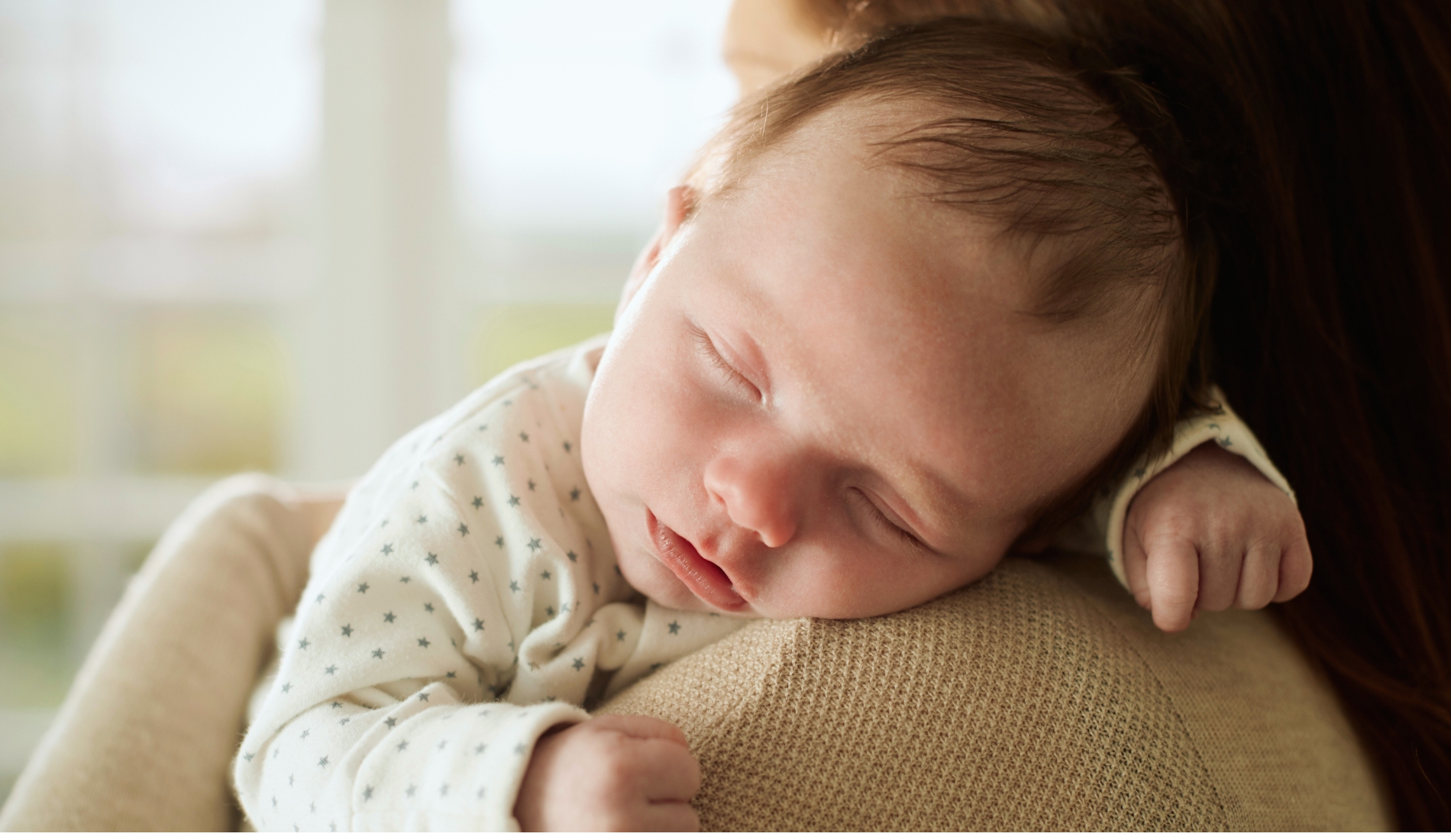
Yes—the earliest smiles newborns display are almost always reflexive, not social. These reflex smiles typically appear within the first few days to weeks of life, often during sleep or moments of physical comfort, such as after feeding.
Reflex smiles are governed by the brainstem rather than higher cognitive centers. They are involuntary and do not indicate emotional intent or recognition. Common characteristics of reflex smiles include:
- Occurring during sleep
- Not accompanied by eye contact
- Appearing random or fleeting
- Unrelated to interaction or stimulation
As the baby’s nervous system matures, these reflexive smiles gradually give way to intentional, socially driven expressions. Parents sometimes mistake early reflex smiles for social ones, which is entirely understandable—but the key difference lies in responsiveness and engagement.
What if Your Baby Is Smiling but Not Looking to You?
It is not uncommon for babies to smile without making direct eye contact, especially in the early stages of social development. Visual tracking and sustained eye contact are skills that develop progressively.
Several factors may explain this behavior:
- Visual immaturity: Newborn vision is limited, and babies may not yet focus well on faces.
- Overstimulation: Babies can become overwhelmed and avert their gaze while still expressing pleasure.
- Developmental pacing: Social smiling, eye contact, and vocalization do not always emerge simultaneously.
If your baby smiles but does not consistently look at you, this is generally not a cause for concern—particularly if they are otherwise alert, responsive, and progressing in other developmental areas. Over the next several weeks, eye contact typically strengthens alongside social smiling.
What To Do if Your Baby Isn’t Smiling Yet?
While most babies smile socially by 10 weeks, there is a normal range of variation. Some babies take a little longer, especially if they were born prematurely or have a naturally calm temperament.
If your baby is not smiling yet, consider the following steps:
- Observe overall responsiveness
Is your baby reacting to sounds, voices, or movement? General responsiveness is a positive sign. - Increase face-to-face interaction
Spend time engaging directly with your baby during calm, alert periods. - Ensure adequate rest and nutrition
Fatigue and hunger can reduce social engagement. - Adjust expectations for prematurity
If your baby was born early, developmental milestones should be assessed based on adjusted age.
If your baby has not shown any social smiling by 12 weeks, or if there are additional concerns such as lack of eye contact, minimal movement, or limited responsiveness, it is appropriate to consult a pediatrician. Early evaluation provides reassurance or, if necessary, timely intervention.
How to Encourage More Social Smiles?
Parents play a critical role in fostering social development. Socially responsive smile thrive on interaction, repetition, and emotional connection. To encourage more frequent smiling:
- Position yourself at eye level
Babies are more likely to engage when they can clearly see your face. - Use expressive facial movements
Exaggerated smiles and raised eyebrows are easier for babies to interpret. - Speak in a warm, animated tone
Infant-directed speech captures attention and supports emotional bonding. - Pause and wait for responses
Give your baby time to process and respond—social interaction is a two-way exchange.
Consistency matters. Frequent, positive interactions help reinforce the idea that communication is rewarding and enjoyable.
Why it’s important to Smile Back at Your Baby?
Smiling back at your baby is not merely affectionate—it is developmentally essential. When you return your baby’s smile, you are engaging in what developmental psychologists call serve-and-return interaction.
This reciprocal exchange supports:
- Emotional security: Babies learn that their expressions elicit positive responses.
- Brain development: Neural pathways associated with social and emotional processing are strengthened.
- Communication skills: Babies begin to understand cause and effect in social contexts.
- Attachment formation: Responsive caregiving fosters trust and bonding.
Failing to respond consistently does not mean occasional missed smiles are harmful; however, regular engagement significantly enhances early development. Your smile signals safety, connection, and mutual enjoyment.
Tips To Help Your Baby Smile
Incorporating simple, everyday strategies can make social smiling more frequent and enjoyable for both parent and baby:
- Choose the right moment: Engage when your baby is calm, alert, and comfortable.
- Reduce distractions: Turn off loud noises or screens during interaction.
- Play gentle games: Peekaboo, soft singing, or mirroring expressions can elicit smiles.
- Use touch appropriately: Gentle stroking or cuddling can enhance emotional connection.
- Be patient and consistent: Development unfolds at its own pace.
Remember that temperament matters. Some babies are naturally more expressive, while others are more reserved. Both are normal.
Commonly Asked Questions about Social Smile Newborn Age (FAQs)
When do babies start smiling and laughing?
Babies typically begin to smile around six to eight weeks. Around this time, you may notice your baby’s smiles occur frequently, bringing joy to your parent’s face and strengthening the mother-infant bond.
How can I encourage my baby to smile?
To encourage your baby to smile, engage in playful interactions and mirror their expressions. When your baby is starting to respond, you’ll notice your baby’s smiles occur more often, lighting up your parent’s face.
When do infants social smile?
Infants usually start to socially smile around six to eight weeks of age. During this period, you might notice your baby’s smiles occur as they connect emotionally, creating memorable moments for every parent’s face.
Baby social smile at what age?
Most babies develop a socially responsive smile between six to twelve weeks. During this time, you’ll notice your baby’s smiles occur as they respond lovingly to their surroundings, especially to their parent’s face.
When do newborns social smile?
Newborns typically start to show social smiles around six weeks. At this point, notice your baby’s smiles occur often, deepening the mother-infant bond and delighting every parent’s face.
What is the first social smile age?
The first engaged smiles generally appear between six to eight weeks. You’ll notice your baby is starting to engage more, and their smiles occur joyously, brightening every parent’s face and enhancing the mother-infant relationship.
When does the infant social smile typically begin?
Most infants typically start smiling on purpose around 6 to 8 weeks; parents often notice at about 8 weeks old. The American Academy of Pediatrics and researchers such as Messinger describe a baby’s first reciprocal smile as part of social interaction and infants’ affective development.
How can I tell real smiles from reflexive ones?
Real smiles that make eye contact and occur during social interaction often involve eye crinkling; adults are quicker to smile. By 4 months of age infants’ affective expressions grow complex, and parents who see your baby smile can easily encourage early social and emotional development.
What happens in the first few weeks versus baby’s first social smile?
During the first few weeks infants show reflexive smiles, not social ones. Typically baby’s first engaged smile begins around 4 to 6 or 6 to 8 weeks. By 6 months of age smiles differ and infants’ social and emotional development includes smile or laugh responses.
When should I worry about developmental delays related to smiling?
If your baby does not hit this milestone by 8 weeks or makes little eye contact, consult your pediatrician. American Academy of Pediatrics recommends monitoring baby’s development; early evaluation can identify developmental delays and support interventions to promote infant smiling, social interaction, and baby’s development.
How can parents encourage the infant social smile?
To encourage infant social smile, smile at your baby, look directly and make eye contact during early face-to-face play. Parents’ face, vocalizations, and responsive social interaction reinforce smiling. Researchers like Cohn report adults are quicker to smile back, which strengthens baby’s social and emotional development.
Conclusion
The First Infant Social Smile is a meaningful milestone that reflects growing awareness, emotional engagement, and neurological maturation. While reflex smiles may appear in the earliest weeks, true social smiling typically emerges between 6 and 10 weeks, becoming more reliable by three months.
By understanding the distinction between reflexive and social smiles, responding warmly to your baby’s cues, and creating opportunities for face-to-face interaction, you actively support healthy emotional development. If concerns arise, professional guidance can provide clarity and reassurance.
Ultimately, your baby’s smile is more than a charming expression—it is an early form of communication, signaling connection, trust, and the beginning of a lifelong relationship built on interaction and responsiveness.
Recommended posts
- Infant Developmental Milestones by Month for Tracking Baby Growth
- The Complete 6 Month Old Milestones Checklist (Exclusive)
- When Do Infants Begin to Crawl? (3 Tricks To Crawl Sooner)
- The Developmental Milestones for 30 Months – Checklist and Tips