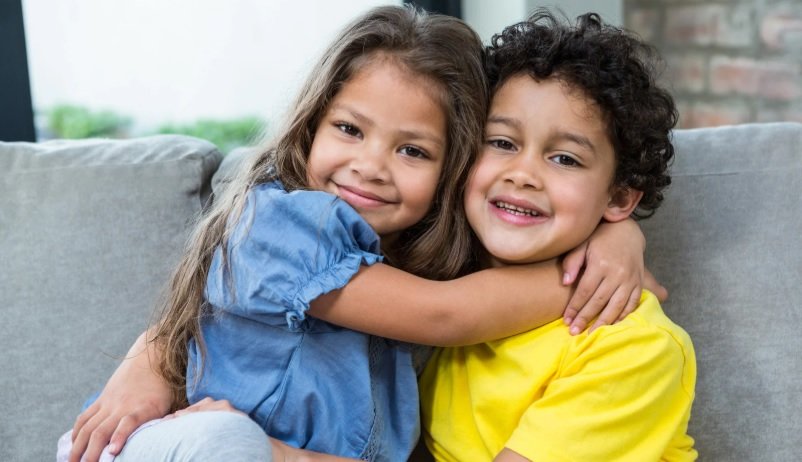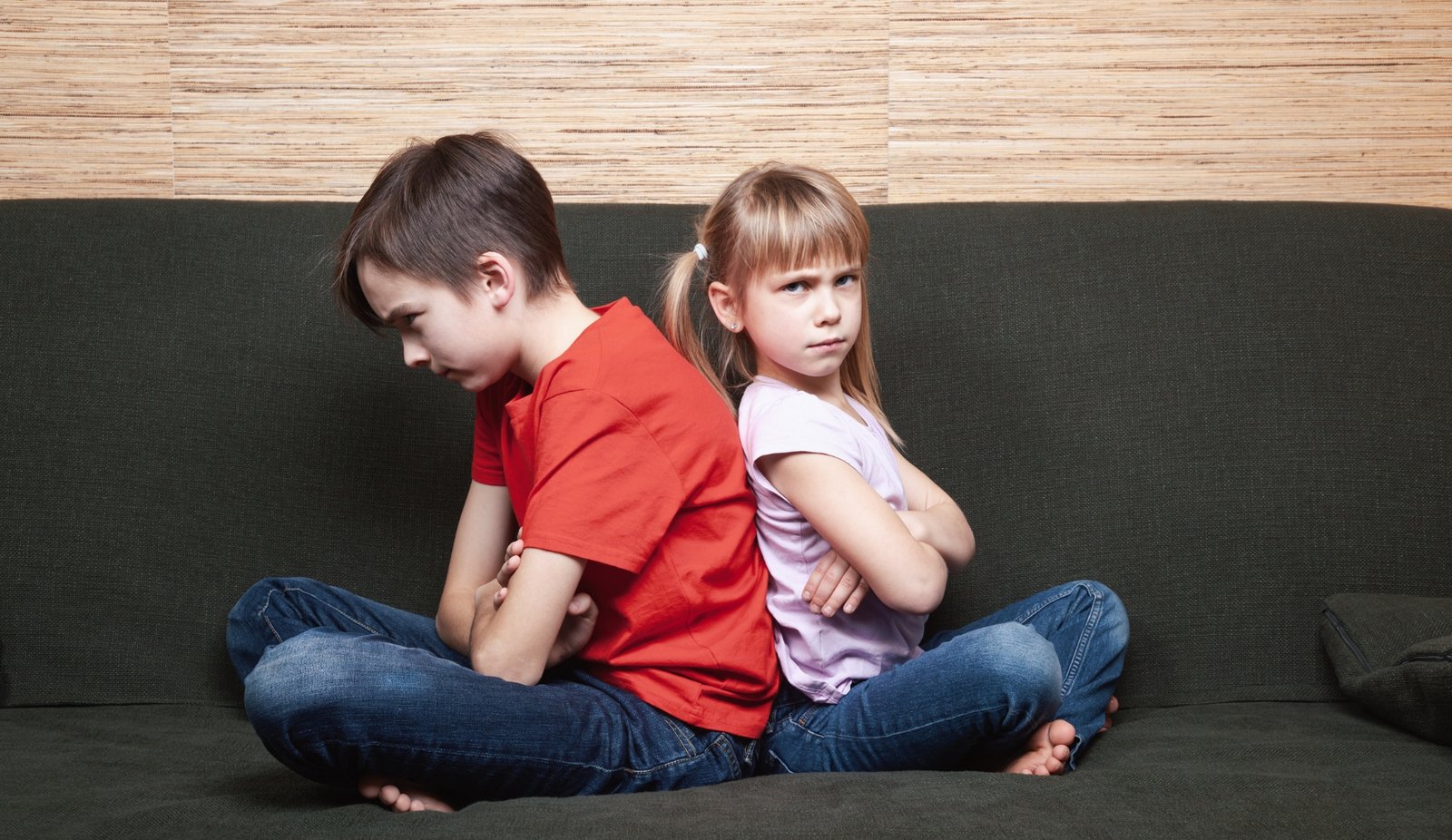
Effective Sibling Conflict Resolution Strategies shape how children build lifelong relationships, but why do everyday disagreements escalate so quickly at home? Sibling conflict ranks among the most frequent family challenges, especially in households with close age gaps. Have you ever wondered how parents can stop constant arguments without choosing sides?
Clear communication, emotional validation, and consistent boundaries form the core of effective sibling conflict resolution activities. Parents who coach children to express feelings, listen actively, and negotiate solutions reduce recurring fights and build mutual respect. Experts like Adele Faber and Elaine Mazlish emphasize skill-building over punishment to create long-term harmony.
Yet these proven strategies only scratch the surface of what truly works in real homes. Family psychologist Dr. John Gottman highlights that children who learn conflict repair skills early show stronger emotional regulation later in life. So, are you ready to explore practical, expert-backed techniques that transform rivalry into cooperation?
Feeling overwhelmed as a parent? 📖✨ Every successful team has a playbook—and so should every family. The Parenting Playbook empowers you to lead your home with confidence while your children grow into who God created them to be. From toddlers to teens, these proven strategies restore order, peace, and joy where it matters most. 🏡❤️
Ready to transform your home? 👉 CLICK HERE and start leading with purpose today.
Are Tired of the Comparing, Jealousy, and Arguing Between your Kids?
If daily life feels like an endless cycle of complaints such as “That’s not fair,” “He started it,” or “She always gets more,” you are not alone. Sibling clashes is one of the most common challenges parents face, regardless of family size, culture, or parenting style. The emotional toll can be significant: parents feel exhausted, children feel misunderstood, and the household atmosphere becomes tense.
The good news is that constant fighting is not a sign of parental failure. Rather, it reflects unmet emotional needs, developmental differences, and limited conflict-resolution skills. With intentional guidance, parents can transform these moments into powerful learning opportunities that strengthen sibling bonds instead of damaging them.
Why Siblings Bicker?
Sibling bickering is rarely about the surface issue—who touched whose toy or who sat in the “wrong” seat. These arguments often stem from deeper emotional and psychological drivers. Children may argue because they are still learning how to express frustration, negotiate boundaries, or manage strong emotions.
Additionally, siblings share parents, space, and attention. This inherently creates competition. When children lack the language or skills to articulate feelings like jealousy, insecurity, or fear of exclusion, conflict becomes their default communication method. Understanding this helps parents respond with empathy rather than punishment.
Understanding Conflict in Sibling Relationships
Argument within sibling relationships is developmentally appropriate and, when handled well, beneficial. Research in developmental psychology shows that siblings who experience moderate conflict—and are guided toward resolution—often develop stronger social skills, better emotional intelligence, and improved problem-solving abilities.
However, unmanaged conflict can escalate into chronic hostility, aggression, or long-term resentment. The difference lies in parental intervention style. Parents who act as referees or judges often reinforce rivalry, while those who act as coaches empower children to resolve conflict independently over time.
Healthy sibling conflict is characterized by:
- Temporary disagreements rather than ongoing hostility
- Opportunities for communication and repair
- Parental modeling of calm and respectful behavior
Why Does Sibling Rivalry Occur?
Sibling rivalry is rooted in both biology and environment. From an evolutionary perspective, children compete for parental resources and attention. From a psychological standpoint, rivalry intensifies when children perceive imbalance or favoritism—whether real or imagined.
Key contributors to sibling rivalry include:
- Age and developmental gaps: Older and younger children have different needs and abilities, often leading to misunderstandings.
- Personality differences: Introverted and extroverted siblings may clash due to contrasting temperaments.
- Parental comparisons: Even subtle comparisons can fuel resentment and insecurity.
- Life transitions: Events such as the birth of a new sibling, school changes, or family stress increase quarrel frequency.
Recognizing these triggers allows parents to address root causes rather than reacting to symptoms.
7 Sibling Conflict Resolution Strategies That Rally Work
Parents searching for effective Sibling Conflict Resolution Strategies are not simply looking to stop arguments in the moment—they want sustainable tools that foster respect, empathy, and cooperation. This comprehensive guide provides research-backed insights and practical strategies to help parents manage sibling clashes constructively and confidently.
1. Stay Neutral and Avoid Taking Sides
When parents immediately assign blame, children focus on winning rather than resolving the issue. Neutrality signals fairness and encourages accountability. Instead of asking, “Who started it?” ask, “What’s happening here?”
2. Validate Feelings Without Validating Behavior
Acknowledge emotions while setting clear boundaries. For example: “I see you’re angry that your sister used your toy. It’s okay to feel angry, but it’s not okay to hit.” This approach teaches emotional literacy and self-control.
3. Teach Conflict Language
Children need words to express needs and frustrations. Phrases such as “I feel upset when…” or “I need a turn after you” empower them to communicate rather than lash out.
4. Encourage Collaborative Problem-Solving
Instead of imposing solutions, involve children in resolving disputes. Ask open-ended questions like, “What ideas do you both have to fix this?” This builds ownership and cooperation.
5. Set Clear Family Rules Around Respect
Establish non-negotiable rules: no hitting, no name-calling, no yelling. Consistent enforcement creates psychological safety and predictability.
6. Reduce Opportunities for Conflict
Many quarrels are situational. Ensure children have adequate personal space, predictable routines, and age-appropriate expectations. Prevention is often more effective than intervention.
7. Model Healthy Conflict Resolution
Children learn more from observation than instruction. Demonstrate calm disagreement, active listening, and repair in your own relationships. This modeling reinforces lessons far more powerfully than lectures.
Recommendations for Parents on Managing Sibling Conflict and Aggression
When brother and sister conflict escalates into aggression, intervention becomes critical. Physical or verbal aggression should never be dismissed as “normal sibling rivalry.” Parents must respond promptly and consistently.
Best practices include:
- Separating children calmly to de-escalate emotions
- Addressing safety first, then discussing the quarrel later
- Avoiding shaming or harsh punishments, which increase resentment
- Teaching alternative coping strategies such as taking space or asking for help
For persistent aggression, consider consulting a child psychologist or family therapist. Professional support can uncover underlying emotional or behavioral challenges and provide tailored strategies.
How to Help kids Problem-Solve?
Problem-solving is a skill that develops through guided practice. Parents play a crucial role in scaffolding this process until children can manage conflicts independently.
Effective problem-solving coaching involves:
- Pause the conflict: Allow emotions to settle before discussing solutions.
- Clarify perspectives: Help each child articulate their viewpoint without interruption.
- Identify the problem together: Define the issue in neutral terms.
- Brainstorm solutions: Encourage multiple ideas without immediate judgment.
- Agree on a plan: Let children choose a solution they both find acceptable.
- Follow up: Revisit the outcome and reinforce effort, not perfection.
Over time, this structured approach builds confidence, empathy, and resilience.
Unlock Your Parenting Playbook with Good Inside
Modern parenting requires more than intuition; it demands evidence-based tools and emotional insight. Platforms like Good Inside emphasize the belief that children are inherently good and that challenging behaviors signal unmet needs rather than defiance.
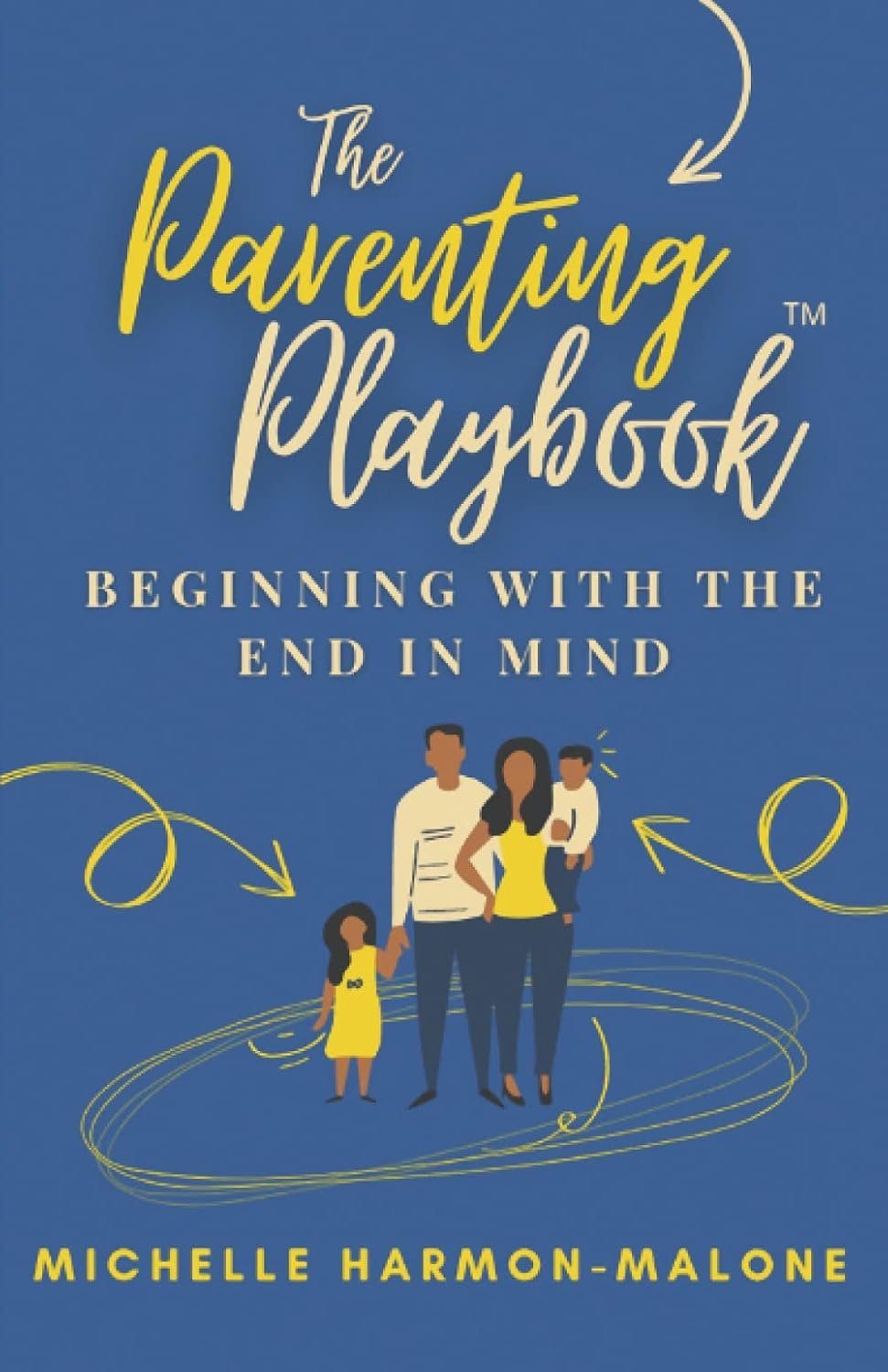
By adopting this mindset, parents shift from control-based tactics to connection-driven strategies. This approach not only reduces sibling disagreements but also strengthens parent-child relationships, fostering long-term emotional health.
Commonly Asked Questions about Conflict Resolution Between Siblings (FAQs)
How can parents resolve sibling conflict constructively?
Parents can model emotion regulation, set clear fair rules, teach problem solving steps, and act as mediator. Encourage compromise, taking turns, and cooperative activities. Address underlying family system dynamics and big feelings to prevent long-standing patterns that leave one sibling excluded or constantly fighting today.
What strategies help young children handle conflict between brothers and sisters?
Use simple emotion labels, guided play, and clear turn-taking rules. Teach sharing, model calm problem solving, and provide consequences for hitting. Maintain consistent routines and time together to strengthen attachment. Invite cooperative games that require compromise so kids learn interpersonal skills before conflicts become entrenched.
How does birth order affect sibling dynamics and conflict?
Birth order influences roles, expectations, and perceived fairness; oldest often assumes responsibility, youngest may seek attention. These differences can intensify competition or cooperation depending on parenting. Awareness lets parents distribute privileges fairly, reduce rivalry, and teach problem solving to lower internalizing or externalizing problems overall.
When should parents intervene in long-standing sibling fights?
Intervene when conflicts escalate to aggression, cause emotional withdrawal, or continue despite parental guidance. If kids fight affect school, friendships, or family functioning, seek support. Address underlying emotions, family system patterns, and teach emotion regulation. Consider child and family studies informed strategies or professional help before problems become entrenched.
How can siblings learn to compromise and get along during cooperative play?
Set shared goals, rotate roles, and teach negotiation language. Use timers for turns, praise cooperative behavior, and scaffold problem solving so children propose solutions. Parents can act as neutral mediators, gradually fading support so siblings practice compromise, build interpersonal skills, and strengthen their cooperative habits.
What role does emotion regulation play in resolving sibling conflict among kids?
Emotion regulation helps children manage big feelings, reducing outbursts and promoting thoughtful problem solving. Teach calming strategies, breathing, naming emotions. Improved regulation lowers aggression and withdrawal risks, preventing internalizing and externalizing problems. Support from caregivers and routines enhances interpersonal regulation skills within the family system.
How can parents act as mediators without taking sides when siblings differ?
Listen to each child impartially, validate emotions, and restate their perspectives. Set neutral rules, guide them through problem solving steps, and encourage compromise. Avoid blaming language or preferential treatment. Use consistent consequences for behavior, model cooperative communication, and address whole system patterns, not one sibling.
When is professional help needed for sibling interpersonal problems?
Seek professional help if arguments cause persistent anxiety, depression, aggression, school problems, or if siblings display internalizing or externalizing problems. If parenting strategies fail, fights stay long-standing, or family functioning declines, seek therapy to support development and realign the whole system before problems become entrenched.
Conclusion
Sibling conflict is inevitable, but chronic rivalry and aggression are not. With intentional guidance, empathy, and consistent boundaries, parents can transform everyday disputes into opportunities for growth. Implementing proven sibling conflict resolution strategies equips children with lifelong skills—communication, empathy, negotiation—that extend far beyond the family home.
Rather than aiming for a quarrel-free household, aim for a resilient one. When children learn how to navigate disagreements respectfully, they build stronger relationships with their siblings and a healthier foundation for future social interactions.
Recommended posts
- Sibling Attachment: How Bonds Shape Lifelong Relationships
- The Importance of Sibling Relationships for Lifelong Bonds
- 3 Proven Ways to Stop Sibling Fighting and Restore Peace
- Why Sibling Disagreements Aging Parents (Solved)
- How to Improve Sibling Relationships at Any Age