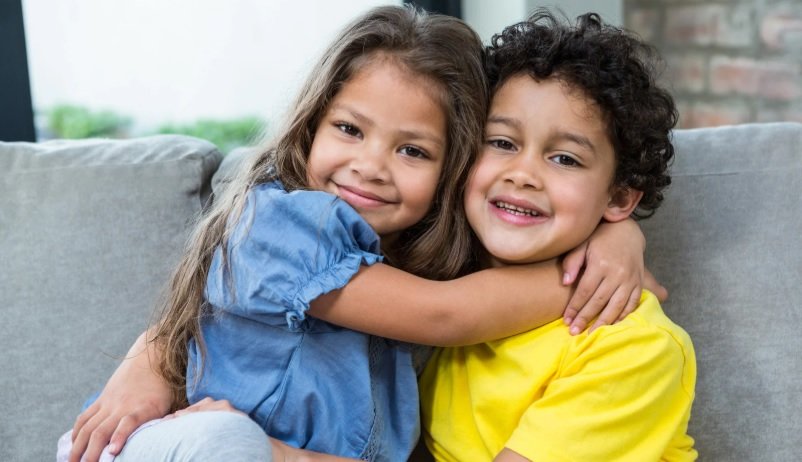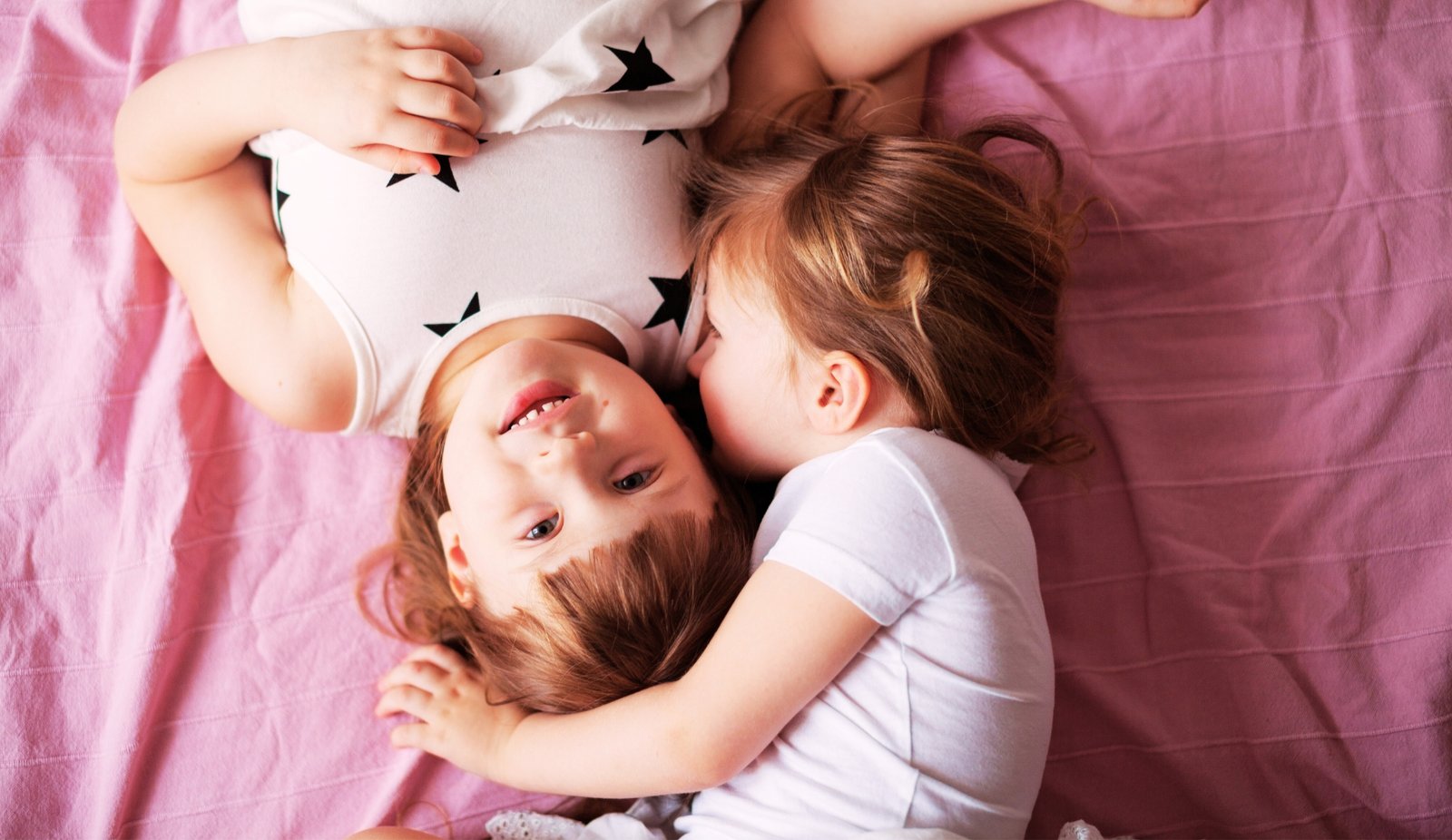
Why does the Importance of Sibling Relationships shape so many aspects of our emotional and social lives? From childhood rivalry to lifelong companionship, siblings influence how we communicate, resolve conflict, and build trust. Have you ever noticed how lessons learned with a brother or sister echo in adult relationships?
Sibling relationships matter because they foster emotional regulation, empathy, and social competence from an early age. Research led by developmental psychologist Dr. Susan McHale shows that positive sibling bonds strengthen mental health and resilience across the lifespan. Strong sibling connections also correlate with better stress management and higher well-being in adulthood.
Yet these benefits do not appear automatically, and many families struggle to nurture healthy sibling dynamics. What factors turn rivalry into respect and conflict into cooperation? Let’s explore expert-backed insights and practical perspectives that reveal why sibling relationships deserve far more attention than they usually receive.
Why Is It Important to Keep Siblings Together?
The question of keeping siblings together, particularly in contexts like foster care, adoption, or during family upheavals like divorce, strikes at the heart of early childhood and adolescence stability. The bond between siblings provides a crucial anchor of continuity and shared identity.
Separating siblings can sever this critical lifeline, leading to profound feelings of loss, grief, and instability. Siblings often act as buffers against stress, offering each other comfort and understanding that even parents cannot always provide, as they are navigating the same family environment.
From a developmental perspective, staying together allows siblings to maintain their shared narrative. They are living archives for each other, validating memories, inside jokes, and family lore. This shared history is integral to forming a coherent sense of self. Research consistently shows that children placed in foster or adoptive care alongside their siblings experience better emotional and behavioral outcomes.
They have a built-in support system, reducing feelings of isolation and anxiety in an unfamiliar setting. The sibling relationship provides a template for all future relationships—teaching negotiation, conflict resolution, and empathy.
To dismantle this primary social laboratory is to deprive a child of a key resource for healthy psychological development. Therefore, barring exceptional circumstances where safety is a concern, every effort should be made to preserve the sibling unit, recognizing it as a fundamental right and a critical component of a child’s well-being.
How Our Siblings Influence Our Lives?
The influence of siblings is both pervasive and subtle, shaping our lives from the playground to the boardroom. They are our first peers, and through interactions with them, we learn fundamental social scripts: how to share, how to argue, how to compete, and how to reconcile.
A sibling can be a role model, a cautionary tale, a confidant, or a rival—often all within the same day. This dynamic directly influences personality development; a younger sibling might develop strong negotiation skills to access an older sibling’s resources, while an older sibling may hone leadership and nurturing abilities.

This influence extends across the lifespan. In childhood, siblings affect academic motivation, social circle choices, and risk-taking behaviors. In adolescence, they can be a protective factor against negative peer pressure or, conversely, a conduit to it. In adulthood, siblings influence major life decisions, from financial choices to parenting styles. They provide a unique form of social support—one that comes with unconditional (if sometimes exasperated) longevity.
During parental aging or loss, siblings often become the primary keepers of family responsibility and memory, their bond taking on renewed significance. Furthermore, the quality of these relationships has been linked to adult mental health; supportive sibling ties are associated with lower rates of depression and anxiety, while chronically conflictual relationships can contribute to significant stress. In essence, our siblings are co-authors of our life story, their influence embedded in our character, our choices, and our capacity for connection.
3 Ways to Foster a Positive Sibling Relationship
While some sibling dynamics seem to flow naturally, a positive bond often requires intentional nurturing from both parents and the siblings themselves. Here are three foundational strategies to foster lifelong connection:
1. Prioritize Shared Positive Experiences Over Forced Harmony:
Focus less on eliminating all conflict (an impossible task) and more on consistently creating opportunities for positive shared experiences. This builds a reservoir of goodwill that helps relationships weather inevitable disputes.
This can include regular family traditions, cooperative projects (like building a fort or cooking a meal together), or simply ensuring one-on-one fun time without parental intervention. The goal is to create intrinsic positive associations with each other’s presence, reinforcing the idea that they are teammates, not just cohabitants.
2. Teach and Model Healthy Conflict Resolution:
Sibling conflict is not inherently bad; it’s a training ground. The key is to guide children through the process of repair. Instead of always dictating solutions (“Give that back to your sister!”), coach them through the steps: identifying their own feelings, listening to the other’s perspective, brainstorming fair solutions, and offering genuine apologies. Parents should model this in their own disagreements. This equips siblings with the tools to manage disputes independently, transforming rivalry into a workshop for emotional intelligence.
3. Honor Individuality and Avoid Comparisons:
A primary source of deep-seated sibling resentment is perceived parental comparison. Consistently celebrating each child’s unique strengths, interests, and needs without reference to the other is crucial. Avoid labels like “the athletic one” or “the smart one,” which can create rigid roles and fuel jealousy.
Encourage each child’s individual pursuits and ensure they have private space and possessions. When children feel securely valued for who they are as individuals, they are less likely to view their sibling as a competitor for a finite supply of parental love and more likely to appreciate them as a unique person.
What Does God Say About Sibling Relationships?
For those of a faith-based perspective, sibling relationships are not merely social arrangements but are imbued with spiritual significance and divine instruction. The biblical narrative is rich with sibling stories, offering both cautionary tales and aspirational models, underscoring their importance in God’s design for family and community.
The foundational principle is love and unity. Scriptures like Psalm 133:1 declare, “Behold, how good and pleasant it is when brothers dwell in unity!” This sets a positive ideal. The relationship between siblings is often used as a metaphor for the desired relationship among believers within the family of God.
However, the Bible is also starkly realistic about sibling strife, recounting jealousy (Cain and Abel), rivalry (Jacob and Esau), and betrayal (Joseph and his brothers). These stories don’t gloss over difficulty but highlight the destructive power of envy, favoritism, and unforgiveness.
The New Testament reinforces the call to reconciliation, love, and mutual support. Passages instruct believers to “love one another with brotherly affection” (Romans 12:10) and to not provoke or envy one another (Galatians 5:26). The model of Jesus Christ himself, who calls his followers his brothers and sisters (Matthew 12:50), elevates the concept of spiritual siblinghood.
The scriptural message is clear: sibling relationships are a training ground for practicing godly character—forgiveness, patience, kindness, and selfless love. They are a sacred trust where faith is lived out in the intimate, daily interactions of family life, with a call to overcome natural rivalries through divine grace.
What Is an Unhealthy Sibling Relationship?
While all sibling relationships experience conflict, an unhealthy one is characterized by persistent, destructive patterns that cause significant emotional distress and impede personal growth. It moves beyond occasional rivalry into a territory of sustained negativity. Key markers include:
- Chronic Contempt and Put-Downs: Interactions are dominated by sarcasm, belittling, name-calling, and disrespect that erodes self-esteem.
- Persistent Competition and Sabotage: A zero-sum mindset where one sibling’s success is seen as the other’s failure, leading to active undermining in academics, career, or personal life.
- Toxic Conflict Styles: Inability to resolve disagreements, leading to either volcanic explosions or stonewalling and decades-long silent treatments. Conflicts are about winning and inflicting hurt, not finding resolution.
- Manipulation and Coercion: Using guilt, gossip, or emotional blackmail to control the other sibling’s behavior or relationship with parents/family.
- Absence of Support: A complete lack of empathy, celebration, or comfort during life’s challenges or triumphs—a relationship of mere obligation with no emotional warmth.
- Parental Triangulation: Consistently drawing parents into conflicts to take sides, creating lasting family alliances and fractures.
An unhealthy relationship is draining and anxiety-provoking. It often forces individuals to choose between their own mental health and maintaining the familial tie. Recognizing these patterns is the first step toward establishing necessary boundaries, seeking mediation, or, in extreme cases, limiting contact for self-preservation.
Sibling Aggression and Abuse Research
Academic research has moved beyond dismissing sibling conflict as “normal rivalry” to seriously investigating sibling aggression and abuse, revealing its significant and lasting impacts. Studies distinguish between common, low-level conflict and severe, persistent aggression that involves a power imbalance and intent to harm.
Research indicates that sibling aggression is one of the most common forms of family violence. It can be physical (hitting, kicking), psychological (terrorizing, verbal degradation), or sexual.
The work of researchers like Corinna Jenkins Tucker has highlighted that repeated sibling victimization is linked to increased risks of depression, anxiety, and low self-esteem in children and adolescents, with effects sometimes rivaling those of peer bullying.
A critical factor is parental perception and response. Often, parents minimize sibling aggression with labels like “they’re just fighting,” which can normalize harmful behavior and leave the victim feeling unprotected in their own home. Research underscores that when aggression becomes chronic, one-sided, and severe, it constitutes abuse.
The developmental consequences are profound, as the home—the supposed safe haven—becomes a source of trauma. This body of research calls for greater awareness among parents, educators, and clinicians to identify and intervene in severe sibling aggression, recognizing it as a serious child welfare issue that requires clear boundaries, consequences, and professional support.
Sources of Variation in Sibling Relationships
Not all sibling bonds are created equal. Their quality and nature vary dramatically, influenced by a complex interplay of factors:
- Temperament and Personality: A naturally easygoing child and a highly reactive one may clash more frequently. Shared interests and compatible personalities often, though not always, predict closer bonds.
- Birth Order and Age Gap: Traditional birth order roles (responsible firstborn, rebellious middle, pampered youngest) can shape dynamics, though their influence is debated. Smaller age gaps (1-3 years) often lead to more intense relationships—both more companionship and more conflict—while larger gaps can create more parent-like or distant dynamics.
- Parental Treatment: This is arguably the most powerful factor. Actual or perceived parental favoritism is a poison to sibling relationships, breeding lasting resentment. Conversely, parents who foster fairness, avoid comparisons, and validate each child’s individuality lay the groundwork for sibling solidarity.
- Family Structure and Dynamics: Blended families, half-siblings, and the presence of a child with special needs create unique relational landscapes with their own challenges and bonds.
- Gender Composition: Some research suggests sister-sister pairs report the closest bonds in adulthood, while brother-brother pairs may share more activities. Mixed-gender siblings can offer unique cross-gender perspectives.
- Life Events and Cultural Context: Shared trauma or loss can either bind siblings together or drive them apart. Cultural norms regarding family obligation, gender roles, and collectivism versus individualism also profoundly shape sibling expectations and interactions.
Understanding these sources of variation helps normalize the diversity of sibling experiences. It moves us away from a one-size-fits-all ideal and allows for appreciation of each unique relationship on its own terms.
Commonly Asked Questions about The Importance of Sibling Relationships (FAQs)
What Are the Five Types of Sibling Relationships?
The five common sibling relationship types are: Caregiver, Buddy, Rival, Casual, and Hostile. These categories describe the emotional closeness, conflict levels, and roles siblings assume, defining their lifelong dynamic.
What are the effects of sibling aggression?
Sibling aggression causes emotional distress, anxiety, and low self-esteem. It normalizes conflict, harming future peer and family relationships. Chronic verbal or physical aggression can have lasting negative effects on mental health and social development.
Why are sibling relationships in childhood important?
Childhood sibling relationships are crucial training for social skills. They teach conflict resolution, empathy, and cooperation. These early bonds form a prototype for future friendships and adult relationships, influencing emotional health and social competence.
What is the importance of sibling relationships for child development?
Sibling relationships shape child development by influencing social skills, emotional regulation, and peer relationships. In early and middle childhood siblings provide support, model behaviors, and influence family dynamics. Warm sibling interaction promotes positive sibling relationships, while differential treatment affect sibling outcomes and human development.
How do adolescent sibling interactions influence emotional and social growth during adolescence?
Adolescent sibling interactions contribute to emotional growth by offering sibling support, companionship, and conflict that teach coping. In adolescence siblings can model peer relationships and close relationships outside family, affecting quality of sibling relationships and adjustment. Intervention for siblings can promote positive sibling relationships.
Can sibling rivalry harm children’s development and how can parents manage it?
Sibling rivalry can increase stress and strain sibling relations, affecting children’s sibling relationships and social competence. Parents who help their children by setting boundaries, encouraging fairness, and promoting sibling warmth reduce conflict. Improving sibling relationships involves consistent rules, modeling empathy, occasional intervention for siblings.
What does research on sibling studies say about long-term effects?
Research on sibling studies show that quality of sibling relationships predicts social skills, mental health, and sibling outcomes across life. Human development and family studies link warm sibling interaction in early and middle childhood to resilience, better peer relationships, and healthier family relationships overall.
How can parents promote positive sibling relationships when adding a new child?
When families grow from one child to two, parents can promote positive sibling relationships by preparing the older child, fostering cooperative play, and modeling warm sibling behavior. Help children share and respect differences. Preparation and family dynamics reduce conflict and support close sibling relationships.
Are there differences in sibling treatment and how do they affect children?
Differences in sibling treatment can undermine fairness and affect children’s self-esteem and sibling warmth. Unequal parental attention shapes perceptions of value and may worsen rivalry. Research suggests equitable parenting, tailored support for child development, and promoting warm sibling interaction improves sibling relationship qualities.
What is the Importance of Sibling Relationships in Psychoanalysis?
In psychoanalysis, sibling relationships are critically important as they form the earliest peer dynamic, shaping identity, rivalry, and attachment patterns that unconsciously influence all future relationships and internal object relations throughout life.
What is the importance of sibling relationships in foster care?
In foster care, maintaining sibling relationships is vital for emotional stability and identity. It provides a crucial continuous bond amidst trauma, reducing placement disruption and promoting resilience through shared history and mutual support during family separation.
What is the importance of sibling relationships in adulthood?
Sibling relationships in adulthood provide unique lifelong emotional support, shared history, and a sense of belonging. These bonds offer continuity from childhood, affecting well-being and acting as a buffer against stress and loneliness in later life stages.
Conclusion
The journey through the landscape of sibling relationships reveals a terrain of remarkable complexity and undeniable significance. From the imperative to keep siblings together for emotional stability to the deep, lifelong influence they wield, these bonds are foundational.
We have seen that fostering positivity requires intentionality—building shared joy, teaching healthy conflict, and honoring individuality. For many, faith provides a framework seeing these relationships as spiritually significant. Yet, we must also acknowledge the shadows: unhealthy patterns of aggression and abuse that research confirms have serious consequences, and the many factors that create stunning variation in these lifelong ties.
Ultimately, the Importance of Sibling Relationships lies in their raw, unfiltered humanity. They are our first friends and sometimes our first foes, teaching us about love, loyalty, frustration, and forgiveness in a context unlike any other.
While not every sibling relationship will be a storybook closeness, understanding its power gives us the tools to navigate its challenges, heal its wounds, and cherish its unique gifts. Investing in these bonds—whether through proactive nurture in childhood, reconciliation in adulthood, or the establishment of healthy boundaries—is an investment in our own emotional history and well-being. They are the keepers of our origin story, and in understanding them, we better understand ourselves.
Recommended posts
- Trust Between Siblings and Family Trust Governance Explained
- Sibling Support Project: Purpose, Benefits & Key Activities
- The Power of Fostering Sibling Connection (Revealed)
- Sibling Attachment: How Bonds Shape Lifelong Relationships
- 7 Effective Sibling Conflict Resolution Strategies That Work
- Why Sibling Conflict Over Care of Elderly Parent (Solved)
- 5 Effective Ways to Improve Sibling Relationships at Any Age