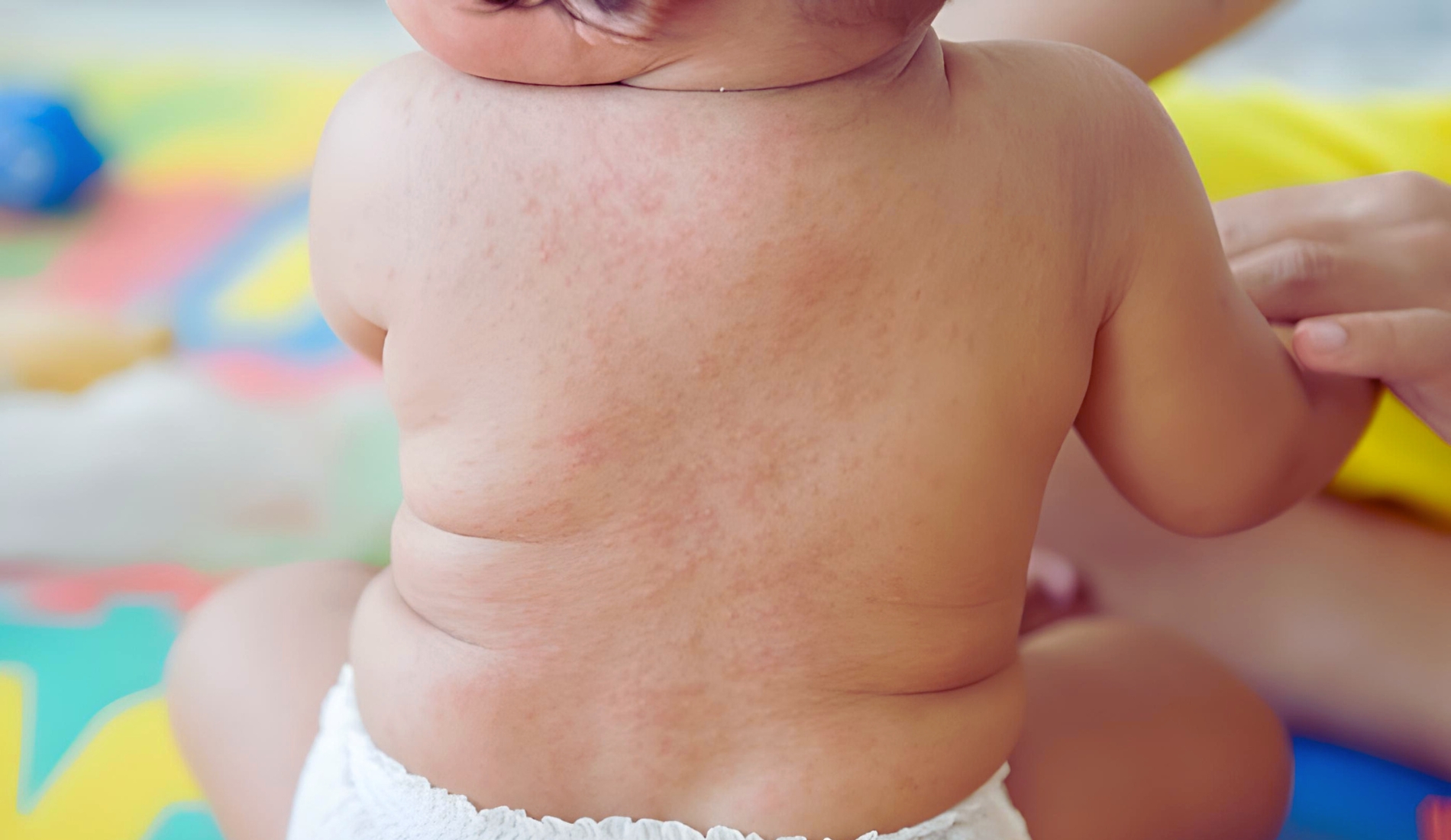
Bed bug bites on newborn—how serious can it be? As a parent, would you recognize the signs before it’s too late? When it comes to tiny invaders like bed bugs, their impact on your baby’s delicate skin could be more than just itchy red marks. Are you sure your nursery is safe enough?
Newborns are extra sensitive to bed bug bites due to their thin skin and underdeveloped immune systems. Symptoms include red welts, restlessness, and excessive crying.
Pediatric experts like Dr. Tanya Altmann warn that untreated bites may lead to infections or allergic reactions if not managed swiftly.
But signs of bites aren’t always obvious—and bed bugs don’t only live in dirty places. Curious how to identify, treat, and prevent these bites effectively? Let’s dig into expert-backed tips and must-know insights that every parent should have on their radar.
Bed Bug Bites Newborn: Have a Baby Bed Bug Problem?
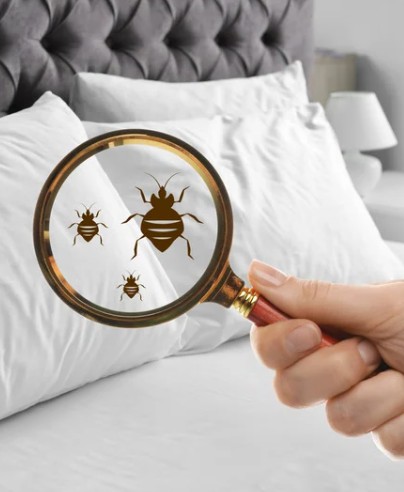
If you suspect that your baby has been bitten by bed bugs, it’s important to assess your living space for signs of bed bugs. Bed bugs are small, reddish-brown insects that can easily be overlooked. Check the seams of mattresses, bedding, and furniture for any signs of an infestation, such as bedbug eggs or live bugs.
If you notice a pattern of bites on your baby, particularly in clusters or lines, it may indicate that your home is infested with these pests. It’s crucial to act quickly to prevent further bites and ensure your baby’s comfort and safety.
In addition to visual inspections, consider whether there have been any recent changes in your baby’s environment, such as travel or acquiring used furniture, which could introduce bed bugs.
If you confirm a bed bug problem, it’s advisable to contact a licensed pest control professional. They can provide effective solutions tailored to eliminate the infestation while ensuring a safe environment for your baby. Early detection and intervention are key to managing bed bug bites and protecting your newborn.
Does Your Baby or Toddler Have Bed Bug Bites?
Identifying bed bug bites on your baby or toddler can be challenging, as their skin is sensitive and may react differently compared to older children and adults. Typically, bedbug bites appear as small, red bumps that can cause itching and discomfort.
If your baby has been bitten, you might notice them scratching the bites, which can lead to further irritation or infection. Look for clusters of bites, often located on exposed areas of skin such as arms, legs, and the face.
In some cases, infants may experience an allergic reaction to bed bug bites, resulting in increased swelling or discomfort. If you suspect that your baby has been bitten, monitor the affected area for any signs of infection, such as increased redness, warmth, or discharge.
Consulting a pediatrician can help determine the best course of action to alleviate itching and treat any potential complications. It’s essential to keep your baby’s nails trimmed short to minimize the risk of scratching and further irritation.
Symptoms of Bedbug Bites on Baby:
Bedbug bites on a baby can be distressing, and while they aren’t usually dangerous, they can cause discomfort and irritation. Here are common symptoms to look out for:
1. Red, itchy bumps
- Small, red welts that may appear in clusters or lines.
- Often found on exposed skin: face, neck, arms, hands, and legs.
2. Swelling and inflammation
- The skin around the bite may become swollen or inflamed, especially if your baby scratches it.
3. Irritability and fussiness
- Babies may become more irritable due to the itching and discomfort, especially at night.
4. Scratching or rubbing the area
- Babies may scratch or rub the affected area, which can lead to broken skin or even infection.
5. Sleep disturbances
- Bedbug bites can cause itching at night, which might affect your baby’s sleep.
6. Blisters or hives (in rare cases)
- Some babies may have a more severe allergic reaction, leading to blisters or hive-like bumps.
What to Do If You Suspect Bedbug Bites:
- Inspect the baby’s sleeping area for signs of bedbugs (tiny reddish-brown insects, dark spots, or shed skins).
- Clean and soothe the bites with gentle soap and water.
- Use a cold compress to reduce itching and swelling.
- Avoid scratching—trim your baby’s nails and use mittens if needed.
- See a pediatrician if bites seem infected or if your baby has an allergic reaction.
Is Pest Control Safe for Babies?
When dealing with a bed bug infestation, many parents wonder if pest control methods are safe for their infants. The safety of pest control depends on the techniques and products used.
Licensed pest control professionals are trained to employ methods that minimize risks while effectively eliminating newborn bed bugs. They can advise on the safest strategies for treating your home, ensuring that your baby is not exposed to harmful chemicals during the process.
It is crucial to communicate with your pest control provider about your concerns regarding your baby’s safety. Many pest control companies offer eco-friendly or low-toxicity options that are more suitable for homes with infants and toddlers.
Additionally, after treatment, it’s important to follow any guidelines provided by the pest control service to ensure a safe environment for your baby.
Ultimately, proactive communication and careful selection of pest control measures can help protect your child while effectively dealing with a bed bug infestation.
What Are the Health Risks of Bed Bug Bites ON Infants and Toddlers?
Bed bugs are small, blood-sucking insects that often hide in mattresses, bedding, and furniture. While they do not transmit diseases, their bites can pose several health risks—especially to vulnerable populations like infants and toddlers.
1. Allergic Reactions
- Skin Irritation: Infants and toddlers have delicate skin, making them more prone to severe irritation from bed bug bites.
- Swelling and Redness: Bites can cause significant swelling, redness, and itchiness. In some cases, children may develop blisters or rashes.
- Hypersensitivity: Some children may experience an allergic reaction leading to more intense symptoms like hives or widespread rash.
2. Infections
- Scratching Bites: Young children often scratch the itchy bites, which can break the skin and lead to secondary bacterial infections (e.g., impetigo or cellulitis).
- Delayed Healing: Infections can prolong the healing process and may require antibiotics.
3. Sleep Disturbances
- Bed bug bites often occur at night, disrupting the child’s sleep due to discomfort and itching. Lack of quality sleep can affect mood, behavior, and overall development.
4. Emotional and Behavioral Effects
- Persistent itching and discomfort can make infants and toddlers fussy, irritable, or anxious.
- Older toddlers may develop a fear of bedtime or sleeping alone due to previous bite experiences.
5. Anemia (Rare but Possible)
- In cases of severe infestation where a child is repeatedly bitten, chronic blood loss could lead to mild anemia, especially in very young or undernourished children.
6. Potential Developmental Impact
- If a child experiences prolonged sleep disturbances or chronic skin irritation, it can indirectly affect cognitive and emotional development during critical growth periods.
Dealing with Bedbug Bites on Babies and Toddlers (FAQs)
How can I tell if my baby has been bitten by bed bugs?
Look for small, red, itchy bites in clusters or lines, often on exposed skin. Bed bug bites may appear around the face, neck, arms, or legs, typically within hours of feeding.
What are the signs of bed bug bites on your baby?
Signs of bed bug bites on your baby can include small red welts or bumps on exposed skin, which may appear in clusters or a linear pattern. You might also notice blood stains on the sheets or bedding, as well as signs of a bedbug infestation such as dark spots or flecks.
Are bed bugs dangerous for newborns?
While bed bugs don’t pose a direct health threat, their bites can cause discomfort, leading to excessive itching. Additionally, scratching the bites can increase the risk for bacterial infection, especially in sensitive skin of babies and children.
How can I prevent bed bug bites on my newborn?
To prevent bed bug bites, regularly vacuum the room, especially around the mattress seams and bedding. Check for signs of bedbugs are small, such as their exoskeletons or bed bug eggs, and maintain good hygiene to avoid attracting these parasitic insects.
What should I do if I find bedbug bites on my baby?
If you find bedbug bites on your baby, gently clean the affected area with soapy water. You may apply an anti-itch cream to reduce the itching. If the insect bites appear to worsen or show signs of infection, consult a pediatrician for further advice.
How can I identify a bedbug infestation?
To identify a bedbug infestation, look for signs such as small red bite marks on exposed skin, blood stains on the sheets, and dark spots or flecks that may indicate bed bug droppings. Adult bed bugs are about the size of an apple seed and are often found in darker areas of the room.
Can bed bugs live in a crib or bassinet?
Yes, bed bugs can infest cribs or bassinets if they are present in the home. They tend to hide in darker areas and can be difficult to spot, so it’s essential to regularly inspect these areas for any signs of infestations.
What are the common locations for bed bugs in a home?
Common locations for bed bugs include bedding and mattress seams, as well as furniture and carpets near sleeping areas. They often hide in cracks and crevices, making them difficult to spot without a thorough examination.
How do bed bugs feed on humans?
Bed bugs feed on blood by piercing the skin with their mouthparts and drawing blood from their host. This typically occurs at night when the host is sleeping and exposed skin is available for feeding.
What should I do if I suspect my home has bed bugs?
If you suspect a bed bug infestation, it’s important to act quickly. Vacuum the room thoroughly, wash all bedding and clothing in hot water, and consider contacting a pest control professional who can assess the situation and provide treatment options.
Can you see bed bug nymphs?
Yes, bed bug nymphs are visible to the naked eye. They are tiny, translucent or yellow in color, and become more noticeable after feeding when their bodies turn reddish.
Are bed bugs active at night?
Yes, bed bugs are nocturnal. They typically come out in the dark to feed on human blood while people are sleeping, making nighttime their peak activity period.
How can you tell the difference between a bed bug bite and a mosquito bite?
Bed bug bites often appear in clusters or lines and cause intense itching, while mosquito bites are usually isolated, round, and puffy with mild to moderate itching. Bite pattern helps differentiate.
Conclusion
Bed bug bites newborn can be distressing for parents, but understanding the signs, symptoms, and risks is essential in managing the situation. Regularly inspect your home for signs of bed bugs and consult with licensed pest control professionals if needed. Timely action can help protect your baby from the discomfort of bites and minimize health risks. By staying informed and taking preventive measures, you can create a safe sleeping environment for your infant and ensure their well-being. Remember, your baby’s health and comfort should always be a priority, and being proactive in preventing bed bug infestations is key to achieving that goal.
Recommended posts
- Staph Infection on Newborn: Symptoms, Causes, and Treatment
- Is Newborn Leg Tremors Normal? Causes and When to Seek Help!
- Newborn Fighting Sleep? Tips to Help Your Baby Rest Better
- Newborn Flea Bites Symptoms: Safe Remedies & Prevention Tips
- Toddler Woke Up With Swollen Eye: Causes & When to Worry