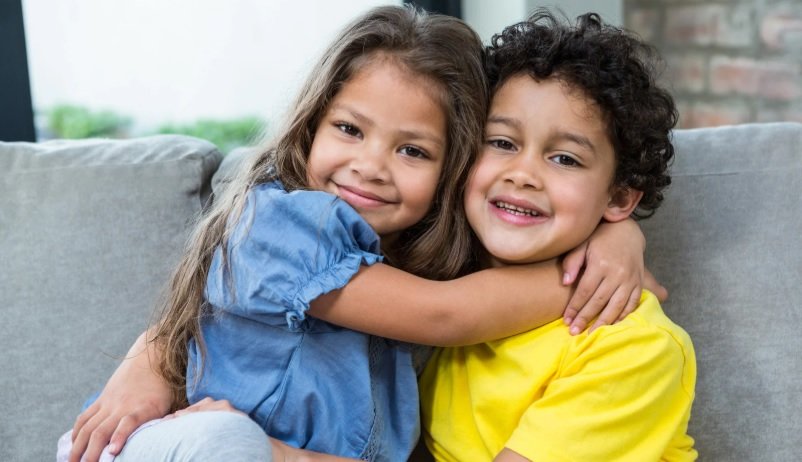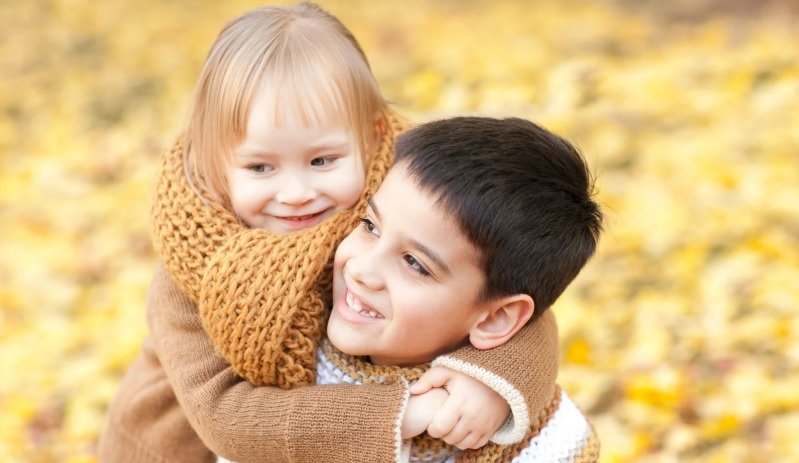
Fostering sibling connections plays a vital role in building strong family relationships that last a lifetime. Siblings share daily experiences that shape empathy, trust, and emotional understanding. Have you noticed how small shared moments can strengthen their bond over time?
You can foster sibling connections by encouraging open communication, shared activities, and mutual respect. Child development research shows that siblings who solve problems together develop stronger emotional intelligence and cooperation skills. Parents who model healthy conflict resolution help siblings build lasting connections.
But meaningful sibling bonds do not grow automatically; they need care and intention. Family expert Dr. John Gottman explains that emotional coaching within families strengthens long-term relationships. So let’s explore practical ways to nurture sibling connections and create bonds that truly stand the test of time—are you ready to begin?
What Is a Sibling Connection?
A sibling connection is the multifaceted, enduring emotional and social bond between brothers and sisters. It is not a single, static relationship but a dynamic and evolving linkage that encompasses a wide spectrum of interactions, from deep friendship and alliance to rivalry and conflict, often simultaneously. Unlike friendships we choose, this bond is assigned, creating a unique context where individuals learn to negotiate, share, compete, and cooperate from their earliest years.
At its core, the sibling connection is built on a foundation of shared history. Siblings grow up with the same parents, in the same home environment, and under similar family norms and values, even if their experiences within that framework differ. This common backdrop creates a repository of inside jokes, familial shorthand, and mutual witnesses to each other’s formative years. The connection is also characterized by its longevity; siblings often know each other across the entire lifespan, from infancy into old age, providing a continuous thread of personal identity and family narrative.
Ultimately, the quality of this connection exists on a continuum. For some, it is a primary source of emotional support and companionship. For others, it may be more distant or complex. But in nearly all cases, it represents a fundamental link to one’s origin story and a relationship that shapes social and emotional development in irreplicable ways.
The Sibling Connection Psychology
The psychological impact of the sibling bond is profound and well-documented by journal of family psychology today researchers. It serves as our first “peer group,” where we learn critical life skills. From a young age, siblings teach each other about conflict resolution, empathy, negotiation, and social cues. A child who learns to share toys with a sibling is practicing prosocial behaviors that extend far beyond the playroom.
Psychologists highlight several key roles siblings play in development:
- Attachment and Security: While parent-child attachment is primary, secure bonds with siblings can provide additional emotional security and a safe base for exploring the world.
- Identity Formation: Siblings constantly compare and contrast themselves with one another. This process helps individuals define who they are—often by identifying how they are different from their brother or sister. This “de-identification” can lead siblings to pursue different interests, social circles, and personal strengths.
- Modeling and Influence: Older siblings often serve as models (both positive and negative), while younger siblings can influence the older ones by introducing new perspectives. This bidirectional influence shapes attitudes toward school, relationships, and risk-taking.
- Emotional Regulation: The emotional intensity of sibling interactions—from furious arguments to heartfelt alliances—provides a training ground for managing strong emotions, practicing forgiveness, and repairing relationships.
Furthermore, the psychological framework of this bond in adulthood often hinges on perceived fairness in parental treatment (past and present), the ability to reconcile childhood rivalries, and the shared responsibility of caring for aging parents. A strong, positive sibling connection in adulthood is consistently linked to lower rates of depression, increased life satisfaction, and a greater sense of support.
Sibling Connection Signs
How can you recognize a strong, healthy sibling connection? It often manifests through specific behaviors and feelings that persist from childhood into adult years. These signs indicate a bond that is resilient and valued by both parties.
- Effortless Communication: You can pick up the phone after weeks of silence and fall straight into easy, deep conversation. There’s a shorthand in your communication—finished sentences, understood references, and a comfort with both silence and vulnerability.
- Unspoken Understanding: You share an intuitive grasp of each other’s perspectives, shaped by a common history. You understand why certain topics are sensitive, why particular achievements are monumental, or how family dynamics uniquely affected each of you.
- Steadfast Loyalty: Even when you disagree or are annoyed with one another, there is a fundamental loyalty. You defend each other to outsiders and feel a protective instinct that is almost automatic.
- Shared Humor: Your laughter is rooted in a private world of memories. Jokes that would be incomprehensible to others reduce you to tears of laughter, serving as a constant reinforcement of your shared history.
- Active Presence in Life Milestones: You are present for each other—not just physically at weddings or graduations, but emotionally during crises, challenges, and triumphs. Your sibling is one of the first people you want to share big news with, good or bad.
- Acceptance of Flaws: While you may see each other’s imperfections more clearly than anyone, there is an underlying acceptance. You love the whole person, including the quirks and flaws forged in your shared family system.
- Reciprocal Effort: The relationship isn’t one-sided. Both parties make an effort to initiate contact, remember important dates, and invest in each other’s lives and families.
Does the Foster Youth System Keep Siblings Together?
The foster youth system generally aims to keep siblings together whenever possible, as research shows that maintaining sibling relationships can be crucial for children’s emotional and psychological well-being. However, the success of this goal can vary based on several factors, including:
- State Policies: Different states have varying policies and practices regarding sibling placements. Some have specific guidelines that prioritize keeping siblings together, while others may not.
- Individual Circumstances: Factors like the age of the siblings, the reason for entering foster care, and the needs of the children can influence whether they are placed together or apart.
- Foster Home Availability: The availability of foster homes that can accommodate multiple siblings may also impact their placement.
- Judicial Decisions: Ultimately, decisions may involve the courts and child welfare agencies, which evaluate what is in the best interest of the children involved.
In summary, while the foster youth system strives to keep siblings together, it is not always guaranteed, and outcomes can vary widely across different regions and situations. Advocacy efforts continue to seek improvements in policies to prioritize sibling placements.
Real Life Sibling Connection Examples
The power of the sibling bond moves beyond theory and shines in real-world contexts. These examples illustrate how this connection functions as a practical force for resilience, achievement, and support.
- The Caregiver Alliance: When a parent falls ill or ages, siblings often must band together to navigate healthcare, finances, and emotional stress. A strong sibling connection turns this burden into a shared mission. They divide tasks based on strengths—one handles medical appointments, another manages paperwork—while providing each other with crucial emotional respite and understanding that no friend can fully offer.
- The Entrepreneurial Duo: Many successful businesses are built by siblings who combine complementary skills with deep, trust-based communication. Think of the Wright brothers or the founders of Warby Parker. Their shared history can foster a level of honesty, blunt feedback, and unwavering commitment that is difficult to replicate with a non-family business partner.
- The Keeper of Memory: After the loss of parents, siblings become the living archives of family history. They are the only ones who can confirm childhood stories, remember a departed parent’s quirks, and sustain family traditions. This shared role as “memory keepers” deepens the bond and provides mutual comfort in grief.
- The Unconditional Support System: Consider an adult going through a divorce or a significant career setback. A sibling often provides support free from the judgment that might be feared from parents or the limited perspective of newer friends. They offer a unique blend of familial love and peer-level understanding, often saying, “I know you, and you will get through this.”
- The Bridge Across Distance: Even siblings separated by geography maintain their connection through consistent ritual—a weekly phone call, an annual camping trip, or a shared text thread of funny memes. This deliberate maintenance, despite busy lives, is a testament to the bond’s priority.
Commonly Asked Questions about The Sibling Connection (FAQs)
What Are the Five Types of Sibling Relationships?
The five types of sibling relationships are supportive, competitive, distant, conflicted, and caregiving. Even in one child households, sibling relationships are important through cousins or peers. In the foster care system, these types shape how children relate to their siblings and build emotional security.
What’s the Psychology of Sibling Bonds?
The psychology of sibling bonds focuses on shared experiences, attachment, and identity formation. The influence of siblings affects emotional regulation, empathy, and social skills. Whether a child has siblings or is a one child, these bonds shape how they form relationships and perceive family roles.
What Are Signs of a Strong Sibling Bond?
Signs of a strong sibling bond include mutual trust, open communication, emotional support, and healthy conflict resolution. Children who feel secure in relation to their siblings often show resilience. In the foster care system, maintaining sibling bonds helps stability, identity, and long-term emotional well-being.
How does birth order affect sibling connection and relationships between siblings?
Birth order can shape roles, influence child’s personality, and affect sibling connection. Firstborns may feel responsibility, youngest children seek attention from parents, and middle children negotiate identity. These dynamics influence child development, sibling rivalry, and how siblings get along within family.
How can parents strengthen sibling connection when a new baby arrives?
To strengthen sibling connection when a new baby arrives, involve older child in care tasks, praise cooperative behavior, maintain routines, and provide one-on-one attention. Address favoritism concerns, explain newborn needs, and foster sibling influences across developmental stages to reduce conflict.
What strategies help siblings who are separated by foster care maintain relationships?
Siblings separated by foster care can maintain bonds with regular supervised visits, shared activities, letters, photos, and virtual calls. Advocate for sibling rights, request joint placements when possible, and prioritize contact to support emotional wellbeing and future adult sibling relationships.
How can parents reduce sibling rivalry and improve get along with a sibling?
Reduce sibling rivalry by setting clear rules, avoiding favoritism, giving equal attention, teaching conflict resolution. Encourage cooperation through joint tasks, celebrate individual strengths, and help children evaluate themselves in relation to siblings. Consistent parenting fosters healthier sibling dynamics and development.
How do siblings influence each other’s child’s development and personality?
Siblings influence child development and personality through modeling behaviors, shared experiences, and sibling influences on social skills. Older child mentorship may shape younger children’s interests, while rivalry can affect self-evaluation. These within-family interactions contribute to emotional, cognitive, and social growth.
What rights do siblings have in foster care regarding visitation and placement?
Sibling rights in foster care often prioritize keeping brothers and sisters together. Policies encourage sibling visits, joint placements, and contact planning. Advocate through caseworkers and lawyers to uphold rights and explain the importance of maintaining sibling connections for emotional stability.
Conclusion
The sibling connection is an unparalleled relationship that forms the bedrock of our social and emotional development. From the psychology shaped in shared childhood rooms to the visible signs of loyalty and understanding in adulthood, this bond exerts a continuous influence on who we are and how we navigate the world. It can be complicated, yes, marked by old rivalries and contrasting memories.
Yet, when nurtured with intention, forgiveness, and mutual effort, it matures into one of life’s most reliable sources of strength, identity, and unconditional acceptance. Investing in this relationship—by acknowledging its complexity, celebrating its uniqueness, and prioritizing its maintenance—is an investment in a lifelong anchor. Ultimately, our siblings are our living history, and in strengthening that connection, we reinforce our own story.
Recommended posts
- The 5 Types of Sibling Relationships Every Family Experience
- Sibling Love: What It Feels Like and Why It Lasts a Lifetime
- Sibling Brother Sister Relation: Love, Conflict and Laugh
- How to Reconnect with Siblings – Even If It’s Been Years!
- Why Sibling Relationships in Adulthood Matter More Than Ever?
- The Importance of Sibling Relationships for Lifelong Bonds