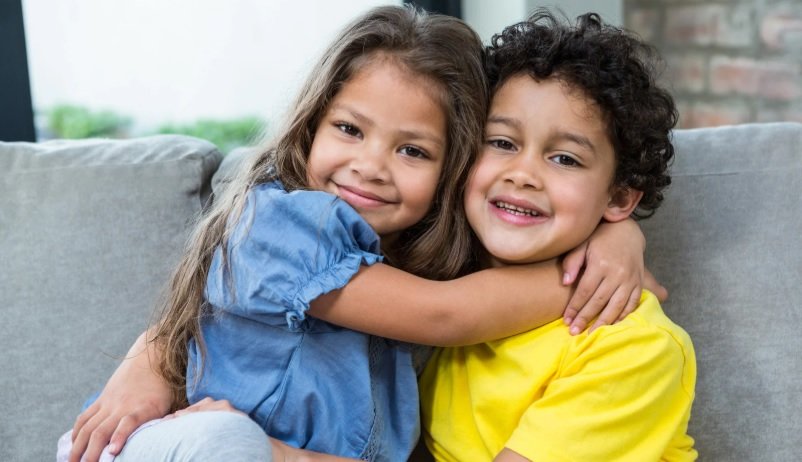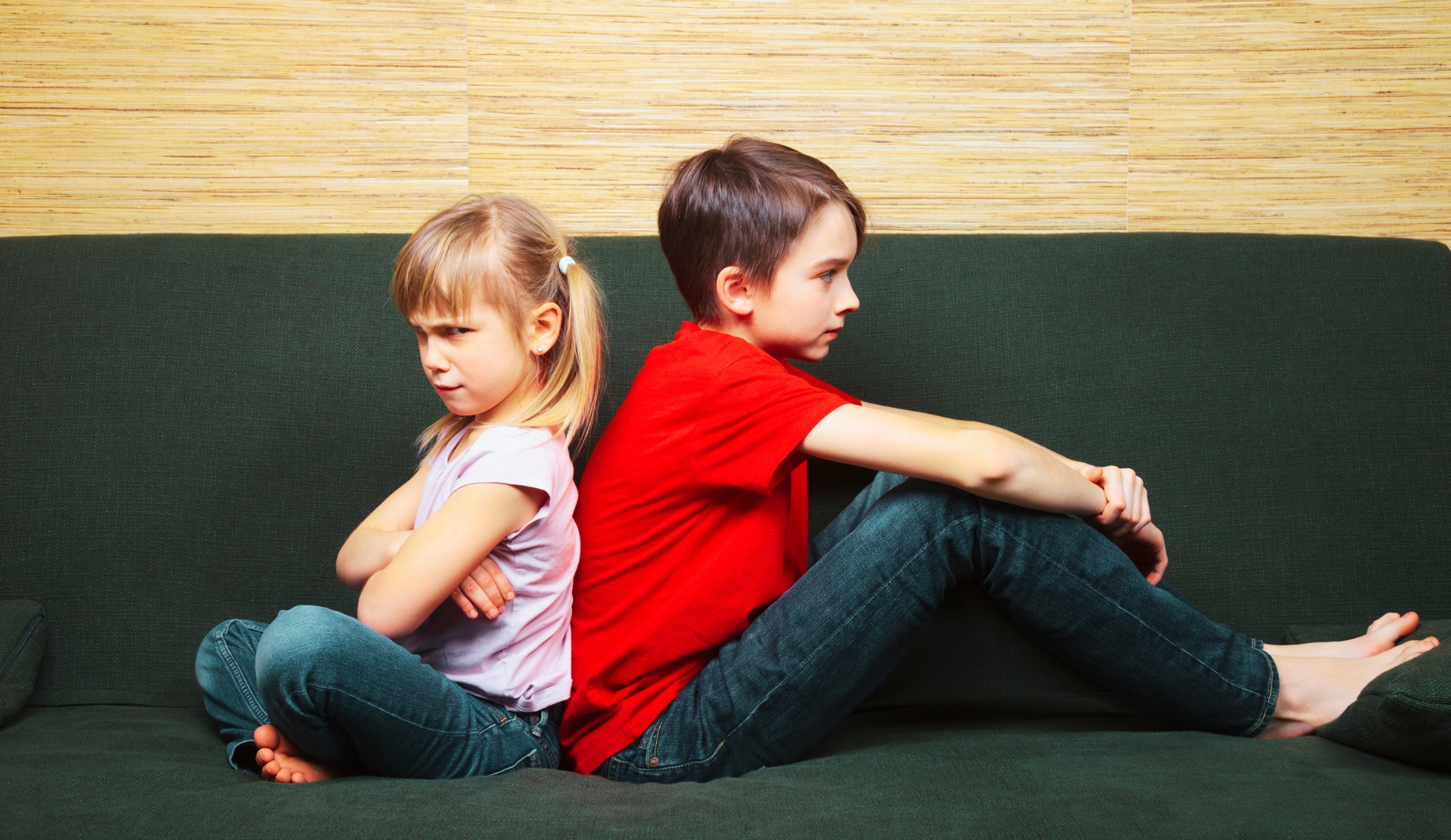
Sibling bonds shape identity, behavior, and emotional health, but not all sibling dynamics look the same. 5 Types of Sibling Relationships explain why some brothers and sisters become best friends while others clash for years. Have you ever wondered why your relationship with a sibling feels supportive, competitive, distant, or unpredictable?
The five types include the close-knit bond built on trust and warmth, the rivalrous relationship driven by competition, the caregiver–dependent dynamic marked by responsibility, the detached connection with limited emotional exchange, and the conflict-prone relationship defined by frequent disputes. Family psychology research links these patterns to personality traits, parenting style, and birth order. Each type influences communication habits and long-term family cohesion.
Yet these five types of sibling dynamics do not exist in isolation or remain fixed for life. Renowned psychologists like Alfred Adler and Judy Dunn show how sibling roles evolve with age, life events, and family systems theory. So, are you ready to see where your sibling bond fits and how it can grow into something healthier?
Is Sibling Rivalry Normal?
The short, unequivocal answer is yes. Sibling rivalry is not only normal but is a near-universal feature of family life. It arises from a fundamental competition for a finite resource: parental attention, love, and resources. From an evolutionary psychology perspective, this rivalry can be seen as a primal struggle for survival and preferential care.
Rivalry manifests in various ways, from mild bickering and teasing to intense physical or emotional conflict. Key triggers include:
- Perceived Favoritism: A child’s belief that a sibling is loved more or treated better is a potent fuel for rivalry.
- Temperamental Clashes: A naturally quiet, orderly child may constantly clash with a boisterous, chaotic sibling.
- Developmental Stages: A toddler going through the “mine” phase will conflict with an older sibling’s need for autonomy and possession.
- Life Changes: The arrival of a new baby, a parent’s job loss, or a move can heighten competition for stability and attention.
It’s crucial to distinguish between normal, manageable rivalry and problematic, destructive conflict. The former teaches negotiation, conflict resolution, and boundary-setting. The latter, characterized by persistent bullying, cruelty, or physical harm, requires parental intervention and possibly professional support. The goal for parents isn’t to eliminate rivalry entirely—an impossible task—but to manage it constructively, ensuring it doesn’t solidify into one of the more negative types of sibling relationships that persist into adulthood.
The Truth About Birth Order
The idea that our personality is shaped by whether we are the firstborn, middle child, lastborn, or an only child is captivating. Popular psychology attributes traits like leadership, responsibility, and perfectionism to firstborns; peacemaking, sociability, and rebellion to middle children; and charm, risk-taking, and entitlement to the babies of the family. But how much scientific truth is there to these stereotypes?
Research presents a nuanced picture. While broad trends can sometimes be observed, birth order alone is a weak predictor of personality when compared to other factors like gender, temperament, parental treatment, and overall family environment. The oft-cited “birth order effects” may have more to do with the specific roles and niches children adopt within the family system.
- Firstborns often, but not always, experience a period of undivided attention and higher expectations, which can foster language development and achievement orientation.
- Middle Children, in their quest for a unique identity, may indeed cultivate strong social skills outside the family.
- Lastborns may be more protected and take more social risks, as they have multiple role models ahead of them.
However, the “truth” is that these are not destiny. A highly sensitive second-born may not fit the outgoing middle-child mold. A blended family completely reshapes the dynamic. The greater impact of birth order may be on the sibling relationship itself—the age gap, the de facto roles assumed (the “smart one,” the “athlete”), and how parents compare children—rather than on rigid personality outcomes. It’s one piece of the puzzle, not the whole picture.
The 5 Types of Sibling Relationships Psychology
Psychological research, notably by scholars like Deborah Gold, has helped categorize the enduring patterns of sibling interaction into five primary types of sibling dynamics. These are not always static; relationships can evolve with life events, but they often represent the core dynamic established in childhood and adolescence.
1. The Caregiver Relationship
In this dynamic, one sibling assumes a protective, nurturing, almost parent-like role toward the other(s). This is common with large age gaps, in families where a sibling has special needs, or when parents are emotionally or physically absent. The caregiver sibling may provide emotional support, practical help, and guidance. While this can foster deep loyalty and affection, it can also lead to resentment in the caregiver (from lost childhood) and undue dependency or rebellion in the recipient.
2. The Buddy Relationship
Characterized by closeness, mutual support, and high enjoyment of each other’s company, buddy siblings are friends. They share interests, confide in one another, and choose to spend time together. This relationship is often facilitated by parents who encourage teamwork and minimize comparison. It is a tremendous asset for social and emotional development, providing a secure base for exploration and a model for healthy peer relationships.
3. The Rival Relationship
This is defined by persistent competition, comparison, and conflict. The core drive is to outdo the other, whether in academics, sports, parental approval, or life milestones. While rooted in normal sibling rivalry, it becomes the defining feature of the bond. Parents who constantly compare or foster a “win-lose” environment at home can cement this type. In adulthood, rivalry can continue over careers, spouses, or financial success, often masking a deep-seated desire for recognition.
4. The Casual/Apathetic Relationship
This is perhaps the most common type in adulthood. Siblings in this category are emotionally distant. They may have little in common, contact is infrequent and obligatory (holidays, family events), and there is minimal investment in the relationship’s depth. It’s not necessarily hostile; it’s often indifferent. This can stem from large age gaps, profoundly different personalities, or a family culture that doesn’t prioritize emotional connection among siblings.
5. The Toxic/Hostile Relationship
This is the most destructive type, marked by enduring resentment, cruelty, manipulation, or even abuse. Interactions are stressful and depleting. It may originate in severe parental favoritism, untreated mental health issues, traumatic family events, or a culmination of unchecked rivalry and conflict. These relationships are often characterized by a lack of boundaries, verbal hostility, and sometimes a need for complete estrangement for self-preservation.
Sibling Influences on Development and Adjustment
Siblings act as our first social laboratory. They are our first peers, competitors, and collaborators, profoundly shaping our trajectory. Their influence is multifaceted:
- Social Skill Development: Through play and conflict, siblings learn negotiation, sharing, persuasion, and how to read social cues. A child with a “buddy” sibling may enter school with advanced cooperative skills.
- Emotional Regulation: Witnessing a sibling’s emotions and reactions teaches empathy (or its lack). Sibling conflicts are a primary training ground for managing anger, jealousy, and frustration.
- Identity Formation: Siblings serve as constant comparators. A child defines themselves as “the artistic one” if their sibling is “the athletic one,” or “the responsible one” if their sibling is “the free spirit.” This process of de-identification helps carve out a unique sense of self within the family.
- Mental Health & Risk: A supportive sibling can be a powerful protective factor against stress, bullying, or parental conflict. Conversely, a toxic or rivalrous relationship is a significant risk factor, linked to increased likelihood of depression, anxiety, and antisocial behavior later in life.
The Effect of Siblings on Development
The effects of sibling relationships ripple across the lifespan. In childhood, they shape our immediate social world. In adolescence, siblings can be allies in navigating parental rules or sources of added social complexity. In adulthood, the nature of these bonds becomes a key component of our family support system, especially as parents age.
A warm, supportive sibling bond in middle and older age is correlated with greater life satisfaction, better coping with illness, and a buffer against loneliness. On the other hand, strained or apathetic relationships can lead to regret, complicate family caregiving and estate decisions, and represent a lost source of potential support.
Crucially, adults have agency. Understanding your type of sibling relationship is the first step toward change. A “casual” relationship can be deepened with intentional effort. “Rivalry” can be dialed back through acknowledgment and new, non-competitive shared experiences. Even in difficult dynamics, establishing firm boundaries can reduce harm.
Commonly Asked Questions about Types of Siblings Relationship (FAQs)
What are the different types of sibling relationships?
Different types of sibling dynamics include supportive, rivalrous, caregiving, distant, and ambivalent patterns; these reflect sibling relations across development, shaped by family processes, birth order, personality, parenting, and culture, and they influence social support, sibling attachment, and the quality of sibling relationships throughout life.
How can siblings get along better when conflict arises?
When siblings don’t get along, constructive strategies include calm communication, boundary-setting, parental modeling, consistent discipline, and family problem-solving; encouraging empathy, fair conflict resolution, and stronger connections helps create positive sibling relationships, reduces sibling conflict and ineffective parenting cycles, promoting healthy sibling relationships adolescence and adulthood.
How do older sibling and younger sibling roles affect dynamics?
Older siblings act as socializers, mentors, or caretakers while younger brothers may emulate, seek independence, or provide companionship; birth order interacts with family relations, parenting, temperament, and culture to shape sibling relationship qualities, influence development, determining how siblings enjoy each other’s company or experience rivalry.
What makes two siblings or sibling pairs unique, such as twins?
Two siblings, including twins, often develop unique bonds defined by similarity, competition, cooperation, and shared environment; sibling pairs can serve as sources of social support, identity formation, and risk behavior influence, with sibling relationships as contexts that shape emotional skills, peer interactions, and family dynamics.
How do researchers measure the quality of sibling relationships?
Sibling relationship quality is measured by warmth, conflict frequency, support, rivalry, and attachment; researchers in developmental psychology use surveys, observations, and longitudinal studies to assess how family processes, parenting, and sibling interactions predict outcomes like delinquency, academic adjustment, and mental health across adolescence and adulthood.
How does sibling conflict relate to ineffective parenting?
Sibling conflict often reflects inconsistent or ineffective parenting, unequal treatment, or stress; interventions focus on improving parenting practices, setting fair rules, and fostering positive sibling interaction, since healthy sibling relationships reduce family tension and provide social support during developmental transitions and strengthen long-term emotional bonds.
How do relationships with parents shape sibling relations?
Relationships with parents influence sibling dynamics: parental warmth, monitoring, and differential treatment shape whether siblings get along or clash; positive family relations foster closeness, while strained parent-child ties can exacerbate sibling rivalry and affect how siblings relate to their peers and significantly impact identity development.
What can be done when a sibling relationship is strained?
When the relationship is strained, therapy, family meetings, and skill-building improve communication, rebuild trust, and address past hurts; sibling attachment can be repaired over time through consistent empathy, shared activities, fair boundaries, and parental support that models conflict resolution and mutual respect and promotes healing.
Conclusion
The tapestry of family is woven with the unique threads of sibling relationships. From the devoted caregiver and the loyal buddy to the competitive rival, the distant acquaintance, and the harmful toxic connection, these 5 types of sibling relationships provide a framework for understanding one of life’s most influential bonds. While factors like birth order and normal rivalry play a part, they don’t dictate destiny.
Recognizing your own sibling dynamic is an act of powerful self-awareness. It allows you to appreciate its strengths, mitigate its weaknesses, and understand its role in shaping who you are. For parents, fostering an environment that minimizes destructive comparison and encourages cooperation and individual worth is the most significant gift, one that can steer children toward the lifelong support of a “buddy” bond. Ultimately, sibling relationships, in all their complex forms, remain a fundamental cornerstone of our human experience, teaching us about love, conflict, and identity from our first moments of shared life to our last.
Recommended posts
- Sibling Brother and Sister Relationship: Love, Conflict and Laugh
- Sibling Love: What It Feels Like and Why It Lasts a Lifetime
- The Power of Fostering Sibling Connection (Revealed)
- Romantic Relationship Between Siblings Risks & Consequences
- Why Sibling Relationships in Adulthood Matter More Than Ever?
- 100+ Heartwarming Bond Between a Brother and Sister Quotes
- Why Jealous Siblings in Adulthood Happens & What You Can Do
- Signs of Toxic Sibling Relationship Shouldn’t Ignore Anymore
- 3 Proven Ways to Stop Sibling Fighting and Restore Peace
- How to Set Boundaries With Family Without Guilt or Conflict
- 5 Effective Ways to Improve Sibling Relationships at Any Age