
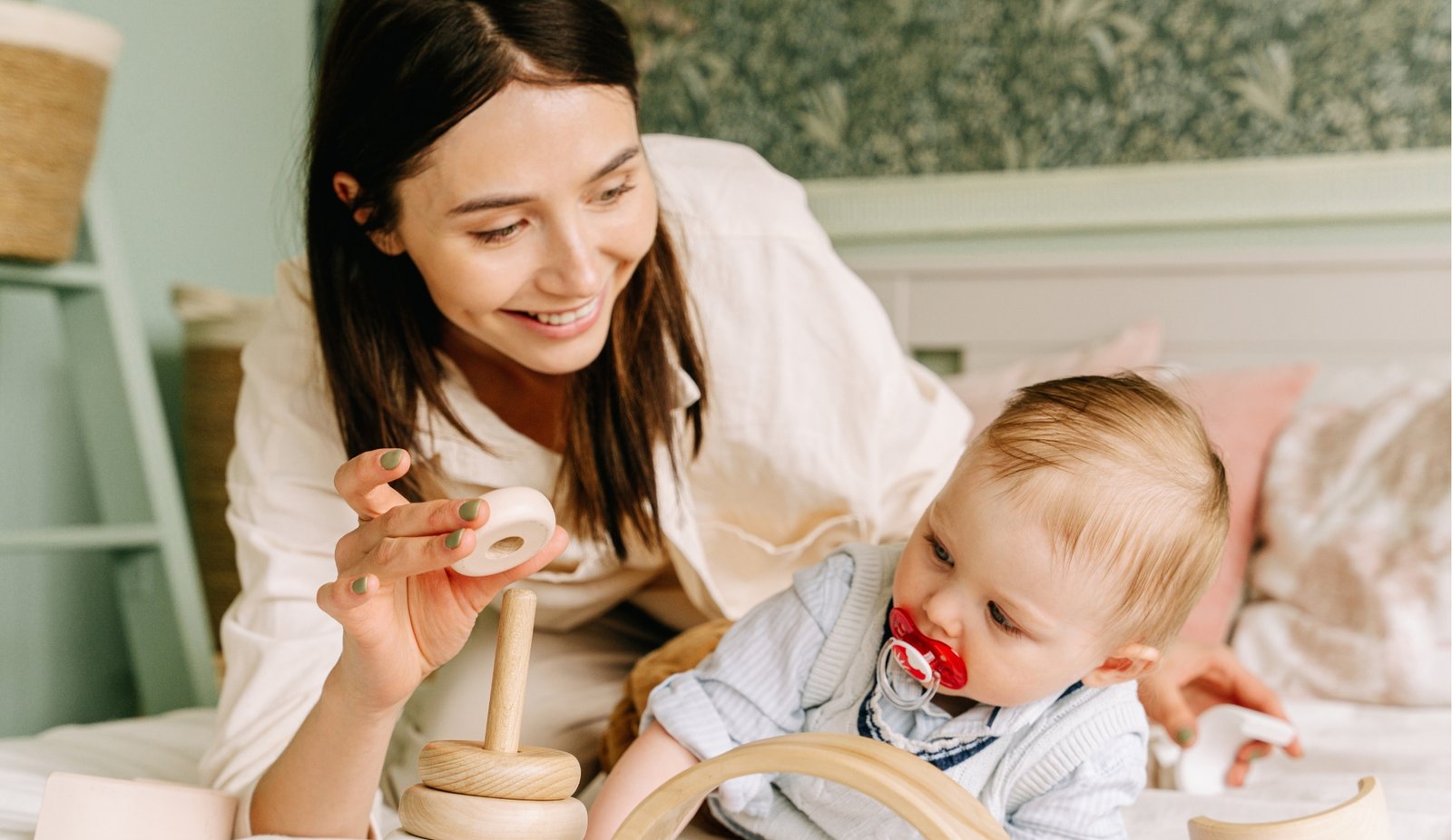
Finding the Best Pacifiers for Breastfed Newborns is crucial for parents who want to soothe their baby without compromising the breastfeeding bond. While pacifiers can offer comfort, not all are created equal—especially for babies accustomed to the natural feel and flow of breastfeeding.
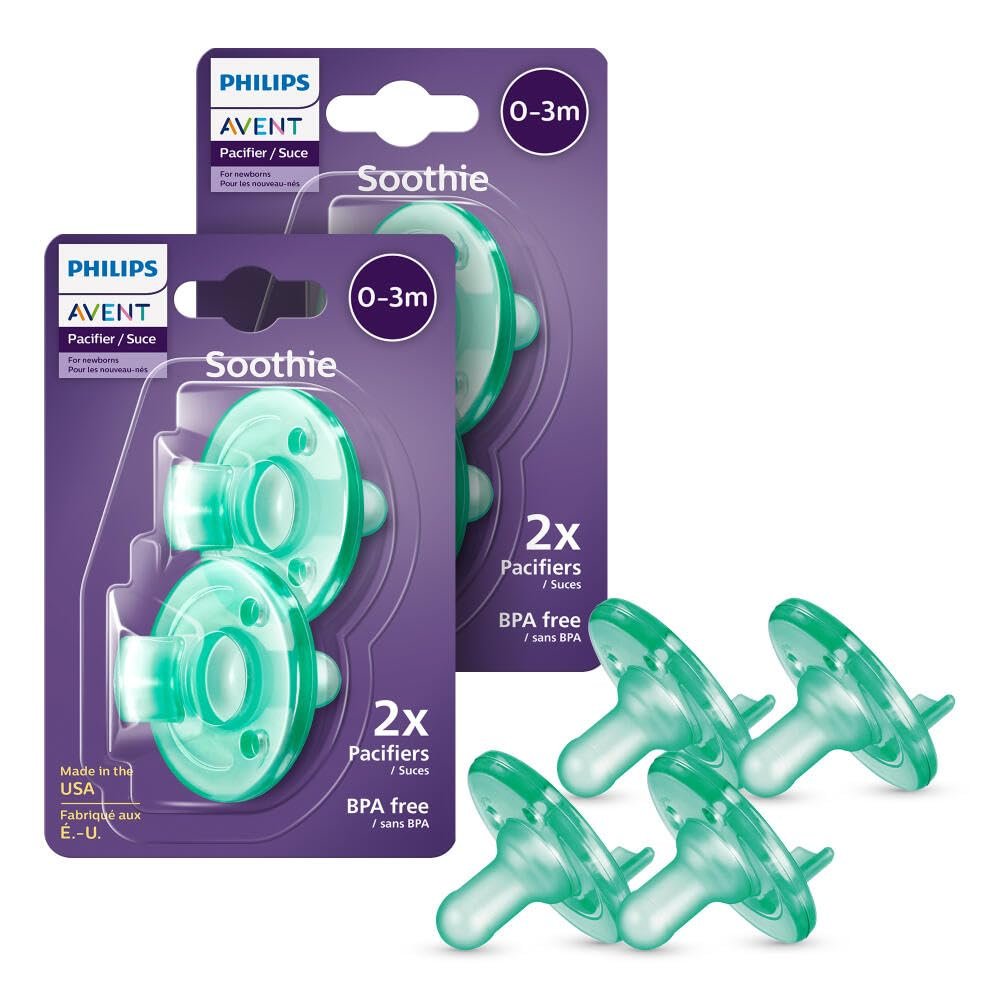
The top pacifiers for breastfed newborns use soft, breast-like silicone, orthodontic designs, and safe, lightweight materials. Leading picks such as the Philips Avent Soothie, Nuk pacifiers, Tommee Tippee Breast-Like Pacifier, and MAM Newborn Orthodontic Pacifier stand out for their shape, texture, and baby-friendly fit.
Lactation specialists, including Dr. Harvey Karp, often highlight these models for their comfort and breastfeeding-supportive structure.
But these are only a few standout options that parents trust worldwide. You’ll find more expert-backed choices and practical guidance inside the full ranking.
In this comprehensive guide, we’ll explore everything you need to know about choosing the perfect pacifier for breastfed babies—from understanding nipple confusion to our top breast pacifier picks that closely resemble a mother’s breast.
Understanding Nipple Confusion in Babies
Nipple confusion is a term used to describe a baby’s temporary difficulty switching between breast and artificial nipples. While not every baby experiences it, the concern typically arises when a baby becomes used to the firmer, faster flow of artificial nipples and then begins to struggle with the slower and more effort-required milk extraction at the breast.
Pacifiers, bottles, and even certain nipple shields can contribute to this issue. That’s why the design of a pacifier matters so much—especially for breastfed infants. Options like a pacifier most like breast, a breastfeeding dummy, or a pacifier like breast help introduce a familiar feel that encourages a natural suckling reflex and reduces the chances of feeding disruptions.
Not all babies respond the same way, so testing different shapes, sizes, and silicone densities may be necessary. Pacifiers designed with orthodontic shapes or natural nipple curves can help maintain proper tongue placement and jaw development, contributing to a safer transition between suckling methods.
Remember: Prevention is key to avoiding nipple confusion, and choosing the best pacifiers for breastfed newborns can help protect your baby’s latch and feeding routine; look for orthodontic, soft silicone options designed to mimic the breast and introduce them only after breastfeeding is well-established (usually around 3-4 weeks).
Can You Use a Pacifier While Breastfeeding?
Using a pacifier while breastfeeding is generally considered safe as long as breastfeeding is well established. Many lactation experts recommend waiting a few weeks—usually around 3 to 4—before introducing any type of artificial nipple. This allows babies to master latch, suckle rhythm, and milk transfer without interference.
However, there are exceptions. Some babies naturally have a strong need to suck for comfort, and pacifiers can help reduce fussiness, overfeeding, or using the breast mainly for soothing. Using a breastfeeding friendly pacifier can support these needs without compromising breastfeeding progress.
There’s also evidence showing that pacifier use during sleep may reduce the risk of SIDS, adding a safety benefit when used properly. The key is choosing the right style and introducing it at the right time to avoid confusion.
Remember: Using a pacifier too early can interfere with the establishment of effective breastfeeding because newborns are learning to latch and coordinate sucking, swallowing and fits perfectly under baby’s nose for easy breathing.
How to Choose the Best Pacifier for Breastfed Babies?
Finding the right pacifier for a breastfed newborn should mimic the size, flexibility, and texture of a mother’s nipple during feeding. Look for features that support natural oral movement and gentle comfort, especially with babies who are still mastering their latch.
Here are the most important features to consider in best pacifiers for newborns breastfed:
1. Shape and Nipple Design
A round, bulb-shaped nipple typically resembles the breast more closely than orthodontic or flat designs. Many parents favor “cherry” or “natural nipple” styles because they allow the baby’s tongue to move in a similar way to breastfeeding.
2. Silicone Flexibility
Soft, stretchy silicone responds to a baby’s mouth movement more naturally. This prevents harsh suction or resistance that could create preference issues.
3. Shield Size and Material
Lightweight shields prevent discomfort or added pressure on tiny mouths. Look for BPA-free, food-grade silicone designs or rubber options if you prefer natural materials.
4. Ventilation Holes
Pacifiers with ventilation holes reduce skin irritation and improve airflow, which helps protect delicate baby skin.
5. One-Piece Construction
One-piece pacifiers are safer because they eliminate crevices where dirt can hide and reduce choking risks. Many hospital-preferred pacifiers use this structure.
6. Compatibility With Breastfeeding Techniques
Some pacifiers are explicitly designed for breastfed babies—models that encourage the same tongue placement, suction pattern, and oral posture used at the breast.
Choosing the right pacifier for your baby helps prevent frustration, offering your infant the comfort they need while maintaining a healthy breastfeeding experience.
Tips for How to choose a pacifier
Here are some practical tips to help you choose a pacifier that works best for your breastfed infant:
- Go for Soft Silicone or Latex: Silicone is durable and easy to clean, while latex is softer but wears out faster. Choose what your baby prefers.
- Select a Shield That Fits Comfortably: A too-large or too-small shield can cause discomfort or leave marks on your baby’s face.
- Opt for a Lightweight Design: Newborns have limited muscle control, so a lighter pacifier is easier for them to use.
- Try Different Brands: Babies have preferences. Don’t be discouraged if the first one you try doesn’t work.
- Check for BPA-Free Labels: Ensure the materials are safe and free from harmful chemicals.
- Choose a Pacifier with a Breast-Like Nipple: This promotes easier transition and less confusion, especially for pacifiers and breastfeeding newborn dynamics.
10 Best Pacifiers for Breastfed Newborns (Pacifiers That Mimic Breastfeeding)
Discover the best ten top-rated pacifiers that closely mimic breastfeeding, offer excellent comfort, and have consistent parent approval. Each one supports natural oral development and gentle suckling, making them ideal for breastfed babies.
1. Philips Avent Soothie (0–3 Months)
A hospital favorite, this one-piece silicone pacifier features a natural shape and soft flexibility. It’s easy to clean, safe, and accepted by most babies.
2. NUK Orthodontic Newborn Pacifier
Designed to promote healthy jaw development, its asymmetrical teat supports tongue movement close to that used during breastfeeding.
3. Tommee Tippee Breast-Like Pacifier
Shaped like a real nipple with a soft, squishy feel, this option is excellent for babies used to the breast. Its flexibility mimics natural suckling.
4. Nanobébé Flexy Baby Pacifier
Designed specifically for breastfed infants, the Nanobébé pacifier is lightweight, silicone-grip friendly, and shaped to mimic a natural feeding latch.
5. MAM Newborn Start Pacifier
This pacifier has a soft silicone nipple and a lightweight design, making it easy for tiny mouths to keep in place.
6. BIBS Natural Rubber Pacifier
Loved for its soft, natural rubber and traditional round design, it closely resembles the breast and supports natural oral movement.
7. Medela Dummy – Soft Silicone Pacifier
The Medela dummy is crafted for breastfed babies with a soft and flexible nipple. Its ergonomic shield and natural shape help reduce confusion.
8. Chicco PhysioForma Soft Silicone soother
With orthodontic design and ultra-soft silicone, this pacifier helps maintain an open airway and proper tongue placement.
9. Dr. Brown’s HappyPaci One-Piece Silicone
Modeled after their bottle nipples but still gentle for breastfed babies, this pacifier is a favorite for its soft feel.
10. Haakaa Newborn Silicone Pacifier
Made with 100% food-grade silicone, this lightweight and flexible pacifier is ideal for infants who need gentle comfort.
Each of these breastfeeding pacifier options offers features aligned with pacifiers and breastfeeding newborn, best pacifier for breastfeeding, best pacifier breastfeeding, and pacifiers that mimic breastfeeding, making them ideal contenders for breastfed infants.
When to Introduce a Pacifier to a Breastfed Baby?
Most experts recommend waiting until breastfeeding is well established—typically around 3 to 4 weeks. By that time, babies usually have a strong latch, predictable feeding patterns, and consistent milk transfer.
However, early introduction may be fine in certain circumstances:
- Babies who need comfort and natural sucking during medical procedures
- Babies with a strong urge to suck
- Mothers with oversupply or nipple discomfort during early postpartum
Introducing a dummy for newborn breastfeeding or a breast milk pacifier too soon could potentially lead to latch issues, so watch for signs such as frustration at the breast, shallow latch, or decreased feeding frequency.
Safety Considerations for Using Pacifiers
Safety is non-negotiable. Always inspect pacifiers regularly for signs of wear and tear, such as discoloration, stickiness, or tears. Discard any damaged pacifier immediately.
- Do not hang a pacifier around your baby’s neck with a cord, as this is a strangulation hazard. Use a clip with a short, safe strap instead.
- Keep pacifiers clean by washing them with soap and water; sterilize them according to the manufacturer’s instructions, especially during the first few months.
- Finally, respect the weaning process—most children will naturally give up the pacifier between ages 2 and 4.
Are There any Alternatives to Pacifiers for Soothing a Fussy Baby?
Yes, while pacifiers are effective, they’re not the only solution for soothing a fussy or colicky baby. Alternatives include:
- Comfort Nursing: Letting the baby nurse for comfort rather than nutrition.
- White Noise Machines: Mimic womb sounds to calm the baby.
- Swaddling: Provides a sense of security.
- Babywearing: Skin-to-skin contact offers comfort and bonding.
- Motion: Rocking, swinging, or stroller rides can be soothing.
For babies who resist pacifiers or parents who prefer not to use them, these alternatives can serve as effective, nurturing options.
Commonly Asked Questions about Best Pacifier for Breastfeeding Infants (FAQs)
What are the beneficial uses of pacifiers?
Pacifiers can be a lifesaver for soothing babies, reducing crying, and helps the baby to sleep. They satisfy sucking needs, ease discomfort during flights, and may lower SIDS risk. Ensures your baby feels calm while supporting their preference for the pacifier.
Does pacifier use affect breastfeeding?
Pacifier use may shorten breastfeeding duration if introduced too early. To ensure your baby breastfeeds effectively, wait until breastfeeding is established. However, pacifiers can be a lifesaver for soothing between feeds without replacing the preference for the pacifier over nursing.
Are silicone pacifiers safe: pros and cons?
Silicone soothers are safe, durable, and easy to clean. They don’t retain odors and resist wear. However, they may be firmer than latex. Pacifiers can be a lifesaver when clean and safe, ensuring your baby develops a preference for the pacifier.
Are latex pacifiers safe: pros and cons?
Latex pacifiers are soft and natural, offering comfort and a flexible feel. However, they wear out faster and may cause allergies. Pacifiers can be a lifesaver, but ensure your baby has no latex sensitivity and prefers the pacifier for soothing.
When should I introduce pacifiers to a breastfed newborn?
It’s best to wait until breastfeeding is established, usually around three to four weeks old. Introducing pacifiers too early may interfere with breastfeeding sessions and milk supply. Monitor your baby’s latch and feeding cues before offering a pacifier to support breastfeeding and oral motor function development.
How do orthodontic pacifiers support healthy oral development?
Orthodontic pacifiers are best designed to support oral motor and healthy oral development by mimicking a mother’s nipple shape. Softer and more flexible nipples, one-piece design, and silicone options help preserve palate shape, reduce pressure, and minimize risk of dental problems with limited pacifier use.
Which material of the pacifier is better: silicone or latex?
Silicone and latex each offer benefits: silicone is firmer, odorless, and easy to clean; latex is softer and more flexible, which some babies prefer. If your baby has sensitivities, choose silicone. Ensure the pacifier is made from 100 percent safe material and a one-piece design.
Can pacifiers interfere with breastfeeding or reduce milk supply?
Pacifiers may interfere if introduced too early, potentially reducing breastfeeding sessions and affecting milk supply. It’s best to delay until breastfeeding is established. Use pacifiers to soothe between feeds, monitor your baby’s feeding, consult lactation support if unsure which pacifier is best for your baby.
How long can a breastfed baby use a pacifier without dental issues?
Prolonged pacifier use can lead to dental problems. For 0-6 months, use pacifiers sparingly once breastfeeding is established. Monitor oral motor function and plan to wean between 12 and 24 months to ensure healthy oral development and comfort for babies.
Conclusion
Choosing the Best Pacifiers for Breastfed Newborns for a successful breastfeeding involves more than just picking a cute design. The right pacifier can soothe your baby without disrupting the breastfeeding journey. By understanding nipple confusion, choosing wisely, and timing the introduction correctly, you can enjoy the benefits of pacifiers while maintaining a healthy nursing relationship.
Whether you’re looking for the best pacifier for breastfeeding or a breastfeeding friendly pacifier that supports your baby’s natural latch, there are plenty of options that align with your goals. From the pacifier like breast feel of Nanobébé to the trusted medela dummy, these products are designed to support both comfort and successful nursing.
Remember, every baby is different. You may need to try a few before finding the perfect fit. But once you do, both you and your baby can enjoy the soothing benefits of a well-chosen pacifier—even during those restless nights.
If you’re navigating the fine balance of pacifiers and breastfeeding newborn care, this guide is your go-to companion for making informed, confident choices.
Recommended posts
- Can Infants Sleep with a Pacifier? (Safety Tips for Parents)
- Bottle Feeding and Ear Infections – Is There a Connection?
- Toddler Wakes Up Multiple Times a Night Crying Causes (Help)

