

Are you struggling to produce enough milk or wondering which breastfeeding supplements really work? Many new mothers turn to vitamins, herbs, and nutritional aids to support lactation, but the sheer number of options can feel overwhelming. How can you know which supplements are safe, effective, and truly worth your time?
Nursing supplements to increase milk supply like fenugreek, moringa leaf tablets, Legendairy Milk, blessed thistle, and omega-3 fatty acids often help increase milk supply and support overall maternal health.
Experts such as Dr. Jack Newman emphasize that the right combination of diet, hydration, and targeted supplements can make a noticeable difference for nursing mothers. This article breaks down the most effective supplements and how to use them safely.
Try These natural lactation supplement to increase milk supply and support nursing.
You’ll learn which supplements have strong evidence, what dosages are recommended, and which ones to avoid. These insights come directly from lactation specialists and real-world experiences from breastfeeding moms. So, let’s dive into the world of breast milk supplements and discover what can truly enhance your lactation journey.
Should you Try Lactation Supplements?
Before diving into specific products, it’s vital to address the fundamental question: are lactation supplements right for you? The decision is highly personal and situational. nursing supplements, often called galactagogues, are substances used to induce, maintain, or increase milk production. They are not a first-line solution and should not replace foundational breastfeeding practices.
You might consider galactagogues if:
- You have a perceived low milk supply confirmed by insufficient infant weight gain or low diaper output, as advised by a healthcare professional or lactation consultant.
- You are relactating or starting to breastfeed after a period of not nursing.
- You are exclusively pumping and are struggling to match your baby’s demand.
- You are preparing to nurse after a previous low-supply experience.
However, it is absolutely critical to understand that supplements are not a magic bullet. The most effective way to establish and maintain a robust milk supply is through frequent and effective milk removal—either by the baby nursing or by pumping.
TOP 5 Breastfeeding Supplements for Mom
Best Lactation Supplements – Navigating the world of lactation aids can be confusing. This list breaks down five common categories of Breastfeeding Supplements for Mom, highlighting their intended use, key considerations, and popular examples. Remember, always consult your healthcare provider before starting any new supplement.
1. Fenugreek-Based Lactation Supplement

Fenugreek is perhaps the most well-known and widely used herbal galactagogue. Its use is rooted in traditional medicine, and many mothers anecdotally report a significant increase in milk production within 24 to 72 hours.
- How it’s believed to work: Fenugreek contains phytoestrogens that are thought to stimulate sweat and mammary glands, and its maple-syrup-like scent is often detectable in a mother’s sweat and milk once it’s working.
- Key Considerations: While effective for many, fenugreek is not for everyone. It can cause gastrointestinal upset in some mothers and babies. It is also not recommended for mothers with thyroid conditions, asthma, or those on blood-thinning medications. Crucially, about 10-15% of mothers may experience a decrease in supply. Starting with a low dose to assess tolerance is advised.
- What to look for: A high-quality supplement that standardizes the key active compounds (saponins) for consistency and potency.
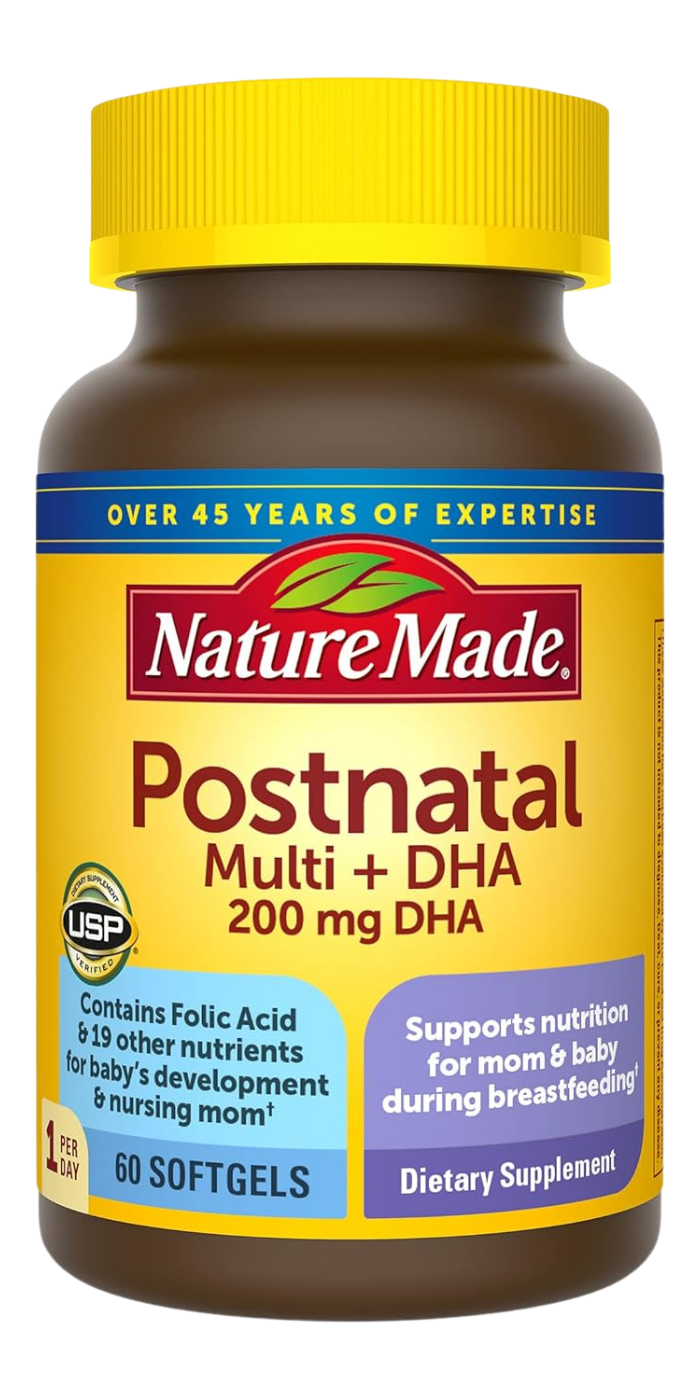
2. Nature Made Postnatal Multivitamin + DHA
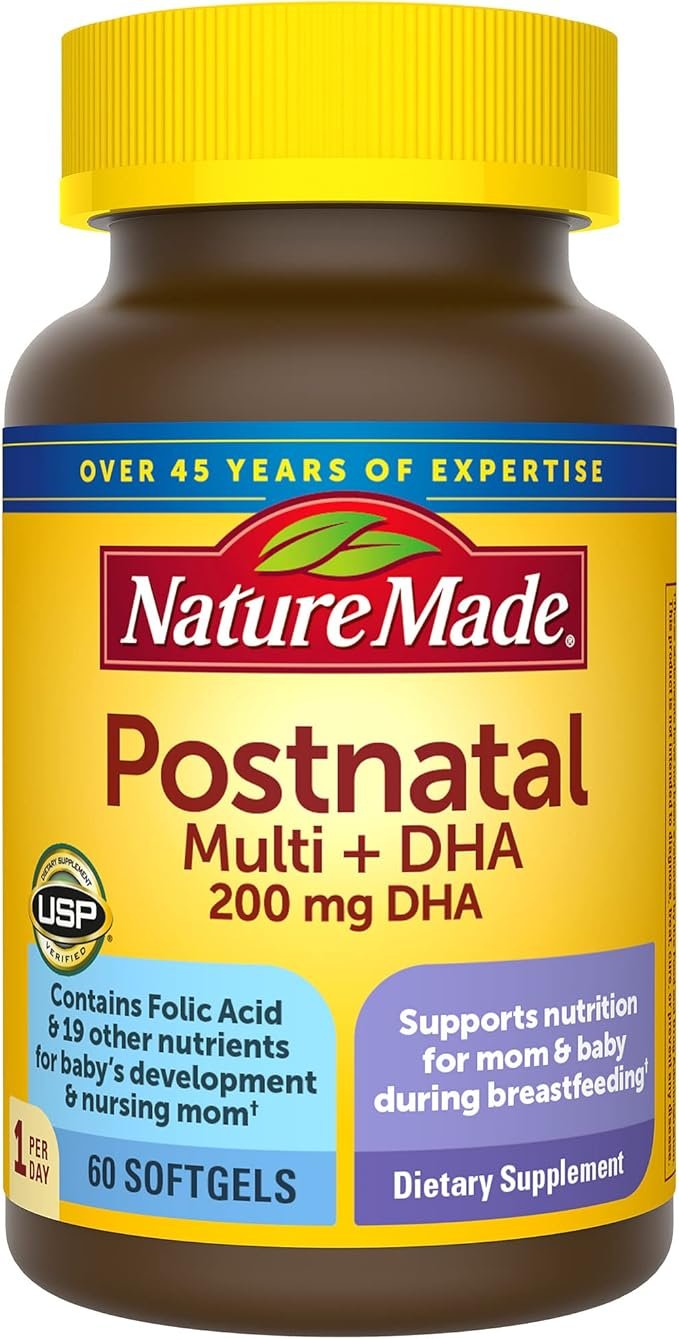
While not a direct galactagogue, a robust postnatal multivitamin is the foundational supplement for every breastfeeding mother. You cannot pour from an empty cup; producing nutrient-rich breast milk is metabolically demanding and depletes your own reserves.
- How it’s believed to work: This supplement supports overall maternal health, energy levels, and nutritional status. Key components like B vitamins are crucial for energy production, while iron helps prevent anemia-related fatigue. The inclusion of DHA (an Omega-3 fatty acid) is vital for the baby’s brain and visual development.
- Key Considerations: A high-quality postnatal ensures you are replenishing the vitamins and minerals being passed to your baby. Optimal maternal nutrition supports your body’s capacity to produce milk consistently.
- What to look for: Seek out a postnatal (not just a prenatal) that includes Methylated B-Vitamins for better absorption, adequate Iron, Choline, and at least 200mg of DHA.
3. Organic Baby and Toddler Iron Drops
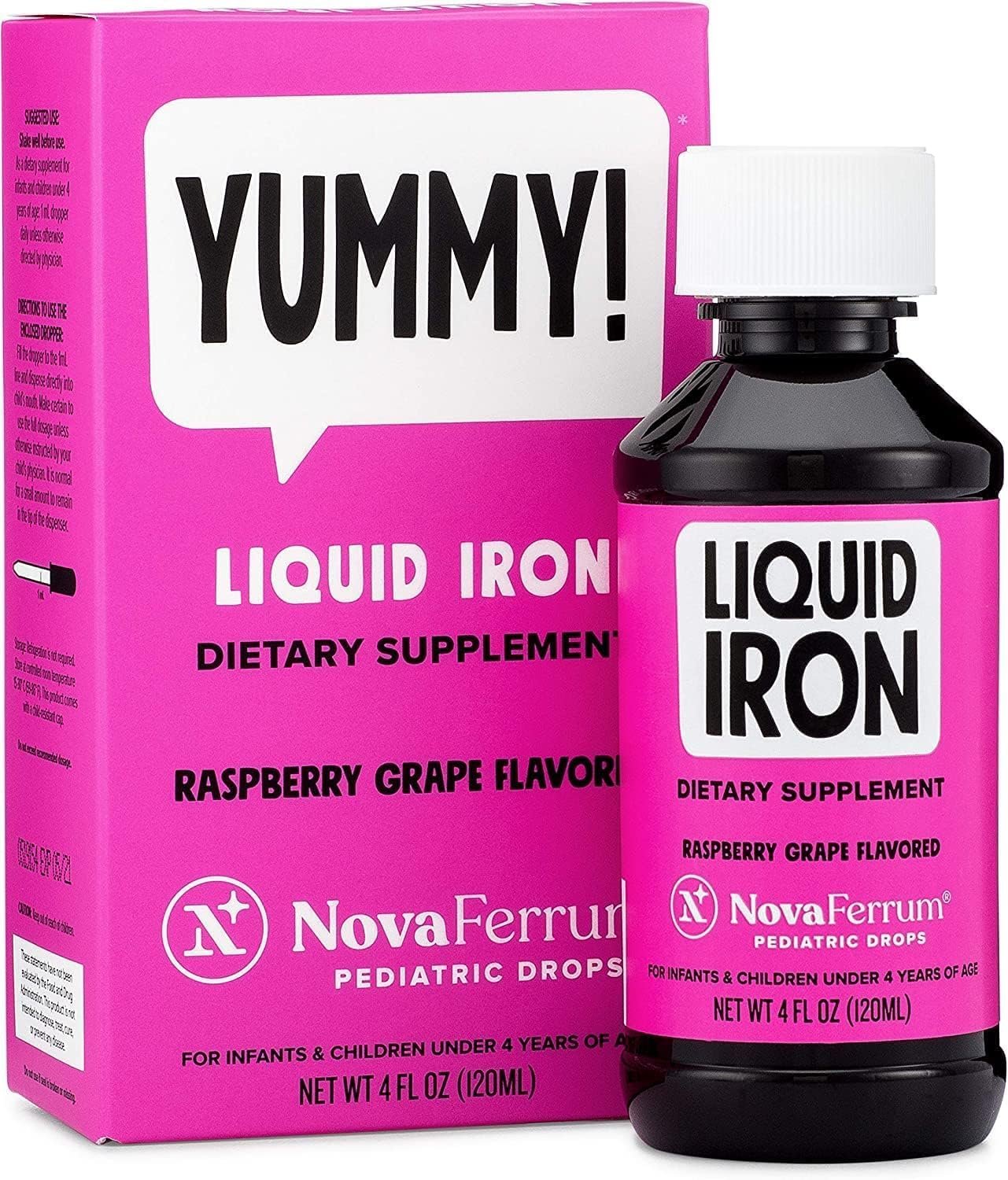
This entry may seem counterintuitive, but it directly addresses a critical nutritional need for the baby, which can indirectly support a mother’s breastfeeding journey. Around 4-6 months, a baby’s iron stores from birth begin to diminish. Breast milk is low in iron, so pediatricians often recommend supplementation.
- How it’s believed to work: A baby with sufficient iron levels is healthier, has more energy, and may nurse more effectively. An iron-deficient baby can be lethargic and may not nurse as vigorously or frequently, which can signal your body to produce less milk.
- Key Considerations: Never supplement your baby with iron without explicit direction from your pediatrician. They will assess your baby’s need based on factors like birth weight, gestation, and diet. Proper iron levels are crucial for your baby’s cognitive and motor development.
- What to look for: An organic, highly bioavailable form of iron (such as iron bisglycinate) that is gentle on a baby’s stomach and easy to absorb.
4. Organic Baby and Toddler D3&K2 Drops
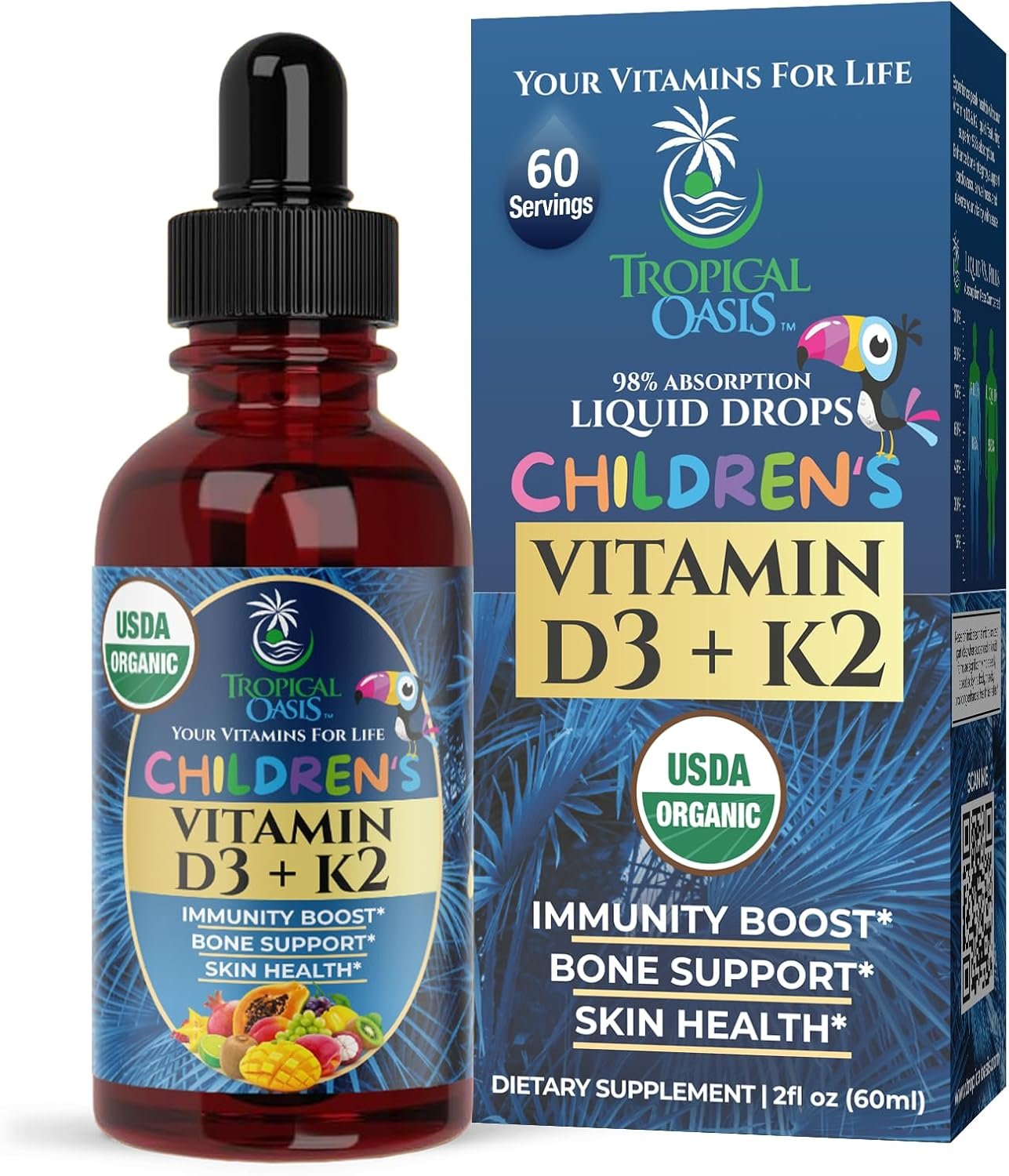
Similar to iron, Vitamin D is a crucial nutrient that breast milk often lacks in sufficient quantities. The American Academy of Pediatrics recommends that all breastfed (and partially breastfed) infants receive a daily Vitamin D supplement starting soon after birth.
- How it’s believed to work: Vitamin D is essential for calcium absorption and bone development. A healthy, thriving baby is a more efficient nurser. Ensuring your baby’s nutritional needs are fully met helps maintain a successful and sustainable breastfeeding relationship.
- Key Considerations: Vitamin D3 is the preferred form, and when paired with Vitamin K2 (as MK-7), it helps direct calcium to the bones and teeth where it’s needed.
- What to look for: An organic supplement that provides the recommended 400 IU of Vitamin D3 per dose, combined with K2 for superior bioavailability and effectiveness.
5. Organic Baby and Toddler Probiotic Drops
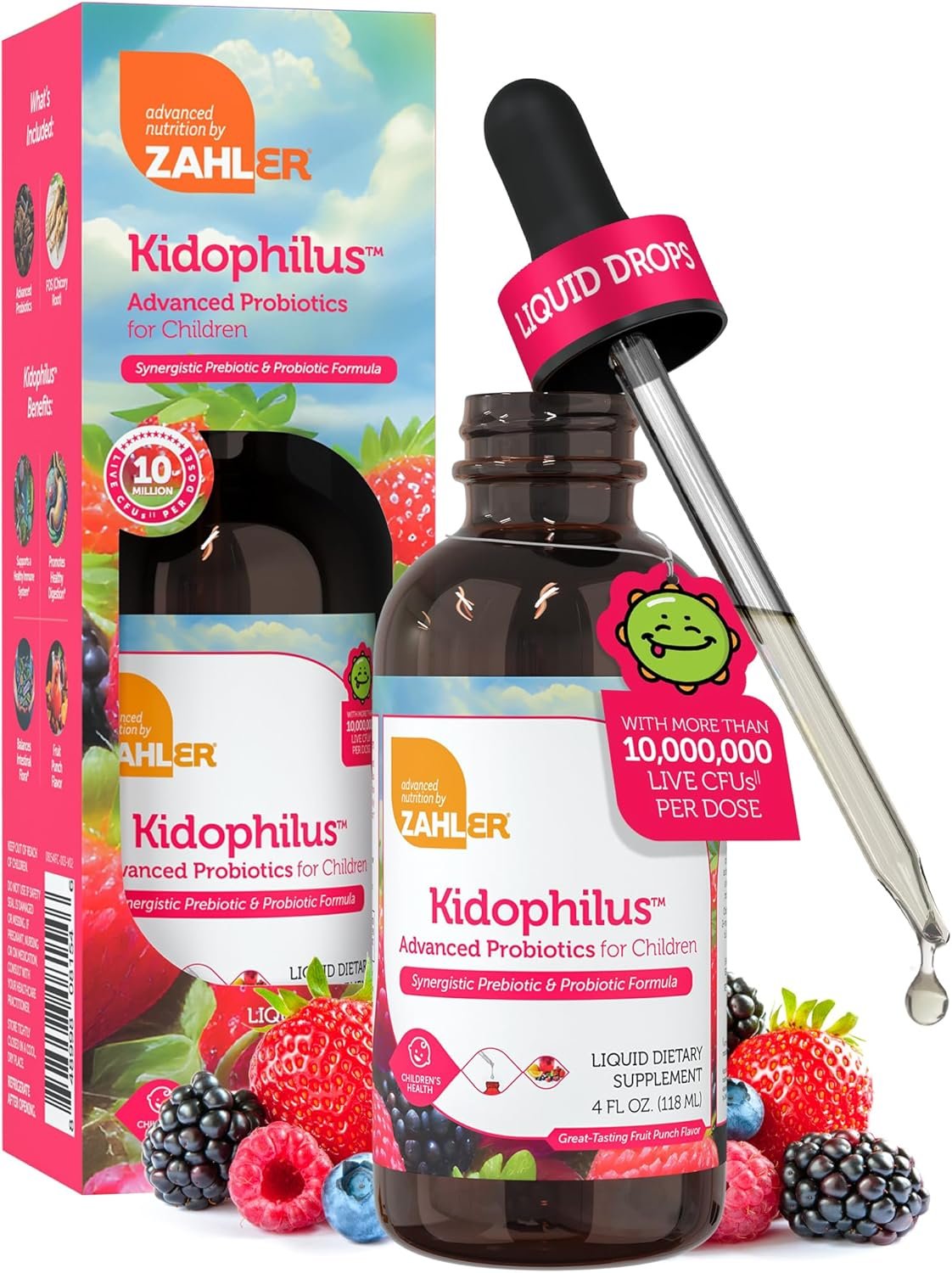
A baby’s gut microbiome is rapidly developing in the first years of life. Probiotics are beneficial bacteria that can support a healthy digestive system and immune function.
- How it’s believed to work: Probiotics can help manage common issues like colic, reflux, and gas in infants. A more comfortable baby who is less fussy and experiences less digestive pain will likely nurse more calmly and effectively. A happy, settled baby lactation supports a positive and uninterrupted breastfeeding session.
- Key Considerations: Look for strains specifically researched for infants, such as Lactobacillus reuteri DSM 17938, which has been shown to reduce colic symptoms. A healthy gut in your baby can lead to better overall well-being.
- What to look for: An organic formula with well-respected, clinically studied strains and a delivery method (like drops) that is easy to administer to an infant.
Why To Be Wary of Lactation Supplements To Increase Your Breast Milk Supply?
The allure of a quick fix for low milk supply is powerful, but a cautious and critical approach is non-negotiable. Relying solely on Lactation Supplements To Increase Your Breast Milk without addressing underlying issues can be ineffective and potentially risky.
- Lack of FDA Regulation: The supplement industry is not tightly regulated by the Food and Drug Administration (FDA). This means the potency, purity, and even the actual ingredients in a product are not guaranteed. One batch may be effective, while another is not.
- Potential Side Effects: Herbal supplements are potent and can have side effects for both mother and baby. As mentioned, fenugreek can cause digestive issues and is contraindicated for some health conditions. Other herbs like blessed thistle or goats rue can also have unintended consequences.
- Masking Underlying Problems: The most significant risk is that taking a supplement can create a false sense of security, delaying the diagnosis and treatment of a true problem. A poor latch, tongue tie, or a maternal health issue like thyroid dysfunction will not be resolved by a supplement. Without correcting the root cause, supply issues will persist.
- Financial Cost: High-quality supplements can be expensive. Investing in a consultation with an IBCLC is often a more cost-effective and successful long-term solution than cycling through numerous unregulated products.
Better Ways to increase Your Milk Supply
The most effective, evidence-based strategies for boosting milk production are behavioral and physiological, not pharmacological. Before or while considering supplements, master these foundational practices:
- Frequent and Effective Milk Removal: This is the single most important factor. Your body operates on a supply-and-demand basis. The more milk that is removed, the more your body will make. Aim for 8-12 nursing or pumping sessions in 24 hours.
- Ensure a Deep, Proper Latch: A shallow or painful latch means your baby is not transferring milk efficiently. This poor transfer signals your body to slow down production. An IBCLC can assess a latch in person and provide tailored advice.
- Incorporate Pumping Power Sessions: Adding a 15-20 minute pumping session after your first morning feed (when prolactin levels are high) or implementing “power pumping” (pumping in a pattern that mimics cluster feeding) can provide a powerful boost to supply.
- Practice Hands-On Pumping: While pumping, use breast compression and massage to help drain the breasts more thoroughly. Fully drained breasts produce milk faster.
- Prioritize Your Health: Your body is a milk-making machine that needs fuel and rest. Focus on a nutrient-dense diet, stay hyper-hydrated with water and electrolyte drinks, and seize every opportunity to sleep. Extreme fatigue and dehydration are common, yet overlooked, culprits of low supply.
Commonly Asked Questions about Natural Breastfeeding Supplements (FAQs)
Are lactation cookies effective for make more milk?
Lactation cookies can help by combining galactagogues like oats, flax, and brewer’s yeast to support supply and demand, but effects vary. Choose reputable brand products, check for fennel or fenugreek-free options, and consult breastfeeding advice if adverse symptoms appear soon.
Are supplements for milk safe while breastfeeding?
Supplements may support milk production, but safety depends on ingredients, dose, and individual health. Some herbs cause adverse effects or interact with medications. Discuss options with a healthcare provider, especially if you’re vegan, back to work, or relying on breastmilk.
Which herbs and tea increase breast milk supply or make milk?
Fenugreek and fennel are used to make milk, but effectiveness varies. Some prefer fenugreek-free or vegan herbal blends and lactation tea. Consider supply and demand practices first; herbs are remedy addition, not guaranteed fix and may cause adverse reactions sometimes.
Are there vegan lactation supplements, cookies, or brands available?
Yes, many brands offer vegan lactation cookies, and supplements for milk from plant-based ingredients. Verify labels for allergens and fenugreek-free claims if needed. Pair with breastfeeding advice to use supply and demand techniques, maximizing mother’s milk while avoiding adverse effects.
Can back to work moms use supplements to maintain breastmilk supply?
Back to work, supplements can help maintain breastmilk supply when combined with frequent pumping and supply and demand routines. Choose brand products, consider lactation tea or cookies, and monitor for adverse effects, discussing plans with lactation consultant or healthcare provider.
When should I stop supplements and see a provider for adverse effects?
Stop supplements and seek medical advice if you notice rash, fever, breathing problems in baby, or sudden drop in milk. Some supplements may cause maternal adverse effects. Document brand ingredients and tea or cookie use to share with your provider.
Conclusion
The path to a healthy and sufficient breast milk supply is multifaceted. While the market for Breastfeeding Supplements to Increase Breast Milk offers a range of promising options—from the classic fenugreek to foundational postnatal and targeted infant nutrients like iron, Vitamin D, and probiotics—they are best viewed as potential adjuncts to a solid breastfeeding foundation, not as primary solutions.
The most powerful tools at your disposal are frequent, effective milk removal, a proper latch, and meticulous self-care. Before investing in any supplement, the most valuable investment you can make is in a consultation with a qualified IBCLC and a discussion with your healthcare provider. They can help you identify the true cause of any supply concerns and create a holistic, safe, and effective plan to ensure you and your baby thrive on your breastfeeding journey.
You might also like
- The Truth about Vitamin D and Breastfeeding (Must-Read)
- Breastfeeding Mother Diet Chart for New Moms (Exclusive)
- What to Drink to Increase Breast Milk Supply Naturally at Home
- 10 Proven Ways to Increase Breast Milk Supply Naturally
- The Real Causes of Low Breast Milk Production & How to Boost It
- The Best Portable Bottle Warmer for Breastmilk in 2025 (Top Rated)

