
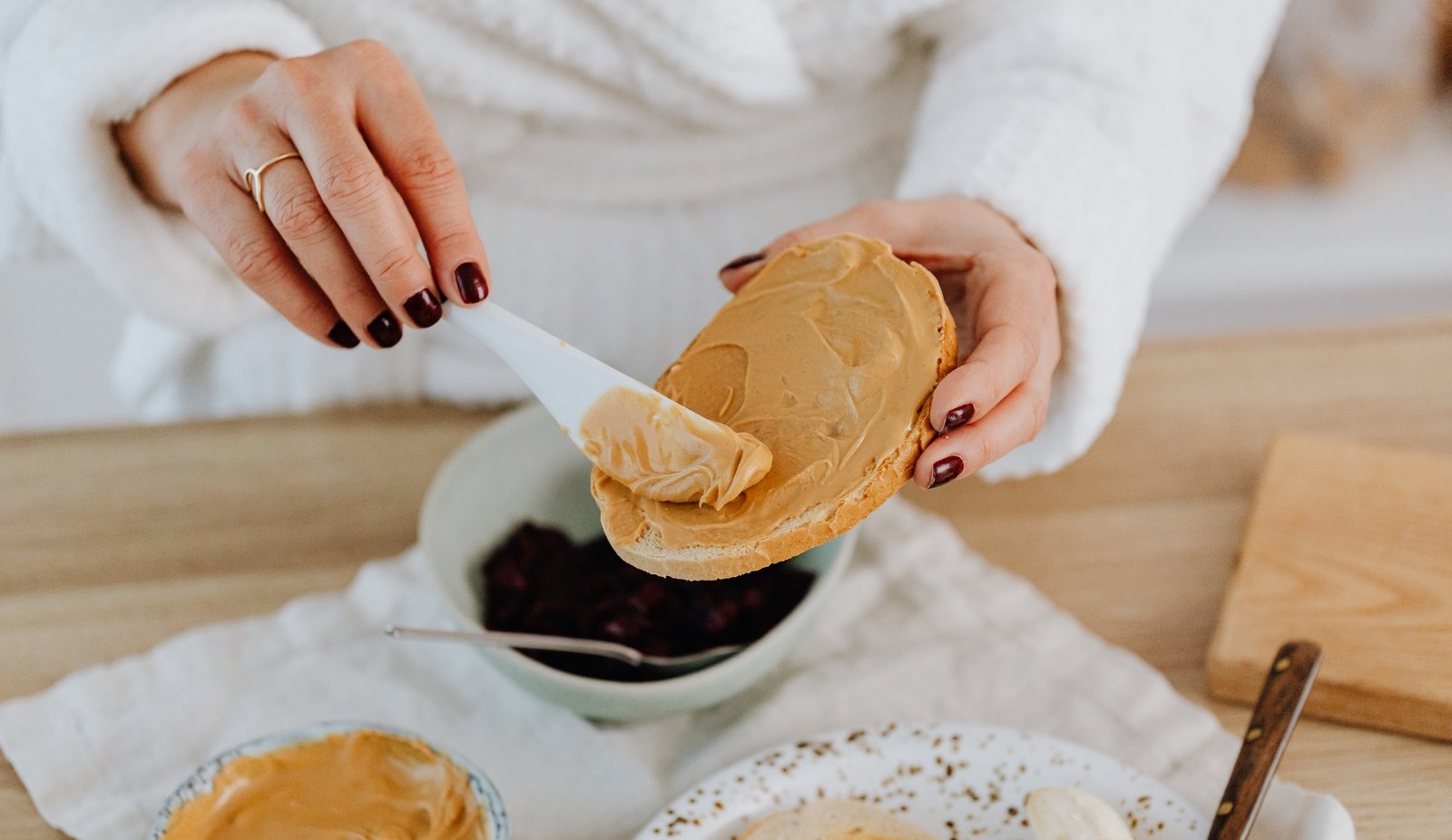
Eating Peanut Butter While Breastfeeding—can you enjoy it freely, or should you watch your intake? Many new moms wonder if common allergenic foods affect their babies. You might love the taste and protein boost, yet you also want to avoid any risk. So, does peanut butter belong in your breastfeeding diet?
You can enjoy eat peanut butter while breastfeeding, and research shows it doesn’t increase allergy risks for your baby. Most studies confirm that early exposure through breast milk may even support tolerance development. Renowned pediatric allergist Dr. Gideon Lack highlights that maternal peanut consumption during breastfeeding is generally safe and well-tolerated.
But every baby responds differently, and staying aware of any unusual reactions helps you move confidently. I’ll guide you through benefits, safety tips, and signs to watch for as you enjoy your favorite spread. So, let’s step into the essential details every breastfeeding mom should know before grabbing that next spoonful.
Can You Eat Peanut Butter While Breastfeeding?
Yes—you can safely eat peanut butter during breastfeeding unless you have a peanut allergy or your baby has shown signs of sensitivity. Peanut butter is nutrient-dense, convenient, and supportive of postpartum energy needs. Many mothers rely on it as a quick snack during feeding sessions or nighttime wake-ups.
Because it contains healthy fats, protein, and fiber, peanut butter provides slow, steady energy, unlike the spike-and-crash effect that can come from sugary snacks. The balance of protein and fat can help keep you full longer, which is especially important when maintaining adequate caloric intake during lactation.
This is one reason many mothers find eating peanut butter breastfeeding to be both energizing and satisfying. Additionally, the combination of its taste, accessibility, and versatility makes breastfeeding and peanut butter a common pairing in many households.
Is Peanut Butter Good for Breastfeeding?
Peanut butter can be an excellent food choice for breastfeeding mothers. Its high-fat content is beneficial for lactation, providing essential fatty acids that contribute to the quality of breast milk. Additionally, peanut butter contains:
- Protein: Important for recovery and milk production.
- Vitamins: Such as E, B6, and niacin, crucial for overall health.
- Minerals: Including magnesium and potassium, which support muscle and nerve function.
Incorporating peanut butter during breastfeeding not only enhances your diet but may also boost your energy levels, which is crucial during this exhausting period.
What Does Peanut Butter Do to Breast Milk?
When you eat peanut butter, the proteins and other compounds from the peanuts are broken down in your digestive system. A small fraction of these protein molecules, known as food allergens, can pass into your bloodstream and subsequently into your breast milk. This is not a cause for alarm; in fact, it’s a normal biological process.
Think of this as a form of “oral exposure therapy” for your baby. By encountering tiny, trace amounts of the peanut protein through your milk, your baby’s immune system is gently introduced to it in a safe and controlled environment.
This early peanut introduction low-dose exposure is now believed to help train the immune system to recognize peanuts as a friend, not a foe, potentially reducing the risk of developing an allergy later on.
So, rather than changing the fundamental nature of your breast milk, it simply enriches it with a diverse array of environmental antigens, which can be beneficial for your baby’s immune development.
Does Peanut Butter Cause Gas in Breastfed Babies?
Most babies tolerate peanut butter exposure very well. It is not a common cause of gassiness, and peanut butter proteins are typically easy for infants to digest when transferred through breast milk.
When Peanut Butter Might Cause Gas
Although rare, gas may occur if:
- The mother eats a very large amount of peanut butter
- The baby has an immature digestive system
- The infant has a mild sensitivity to peanuts
Still, gassiness is much more commonly caused by:
- Normal digestive development
- Swallowing air while feeding
- Maternal consumption of other foods such as dairy, cruciferous vegetables, or spicy meals
So while some mothers may suspect that eating peanut butter breastfeeding is the cause of their baby’s discomfort, peanut butter is rarely the culprit.
Can Babies React to Peanut Butter in Breast Milk?
While allergies to peanut butter can develop, reactions in breastfed babies are relatively rare, especially if the baby has not been exposed to peanuts directly. The American Academy of Pediatrics suggests that introducing peanuts to an infant’s diet can actually help prevent peanut allergies, especially for those at high risk.
If you have a family history of food allergies or if your baby shows any signs of an allergic reaction—such as hives, difficulty breathing, or swelling—consult your pediatrician immediately. Introducing peanuts or peanut butter into your diet while breastfeeding could be beneficial, but proceeding with caution is always advisable.
Current Research on Introducing Peanuts While Breastfeeding
The paradigm around peanut allergies has shifted dramatically in the last decade, and the role of breastfeeding is a key part of this new understanding. The groundbreaking LEAP study published in 2015 demonstrated that introducing peanut-containing foods to high-risk infants early (between 4-11 months) reduced the subsequent development of peanut allergy by a staggering 86%.
Subsequent research has explored the synergistic effect of breastfeeding and early introduction. A 2021 review of evidence suggested that the combination of maternal peanut consumption during lactation and the direct introduction of peanuts to the infant after 4 months of age may offer the strongest protective effect.
The theory is that the low-level exposure through breast milk “primes” the infant’s immune system, making it more tolerant when they later consume peanuts directly.
This makes the choice to include peanut butter during breastfeeding a potentially proactive step in safeguarding your child’s long-term health. When the time comes to introduce solids, discussing a safe plan for introducing peanuts with your pediatrician is the logical next step. Opting for a best breastfeeding peanut butter with minimal added sugar and hydrogenated oils ensures you’re passing on the purest nutritional benefits.
Commonly Asked Questions about Breastfeeding and Peanut Butter (FAQs)
Is peanut butter good for lactation?
Yes, peanut butter is beneficial for lactation. It’s a good source of healthy fats, protein, and essential nutrients, which can help support milk production. Additionally, it provides energy and might help with the infant feeding needs of breastfeeding mothers.
Does maternal peanut consumption while breastfeeding reduce the risk of peanut sensitization?
Moderate maternal peanut consumption while breastfeeding has been associated in some cohort studies with reduced risk of peanut sensitization in infants; breastfeeding may transfer peanut protein, helping protect against peanut allergy, but guidelines vary and individual risk, egg allergy, or family history should guide choices.
What did the landmark study found about early peanut ingestion and breastfeeding?
A landmark trial and several observational studies found that early introduction of peanut around 4–6 months reduced peanut allergy risk; breastfeeding may complement early peanut ingestion, but families should consult pediatricians, particularly if infant is high-risk due to eczema or egg allergy and family history.
Should I avoid peanut during pregnancy and breastfeeding to prevent allergy in children?
Most guidelines no longer recommend blanket avoidance of peanut during pregnancy or breastfeeding to prevent allergy; maternal peanut consumption has been studied with reports of reduced peanut sensitization, but prenatal and postpartum choices should follow clinician advice considering family history of allergy or ann allergy asthma immunol conditions.
How much peanut intake is safe while breastfeeding to help protect against peanut allergy?
There is no universally agreed dosing for peanut intake while breastfeeding; studies used varied maternal peanut consumption levels, so specific amounts to help protect against peanut allergy are unclear; healthcare providers may recommend moderate, peanut ingestion instead of avoidance, tailored to maternal and infant risk.
What should parents of high-risk infants do about peanut introduction and breastfeeding?
For infants at high risk due to eczema or family history, early introduction of peanut at around 4–6 months, with breastfeeding, may reduce risk of peanut allergy; j allergy clin immunol support supervised early introduction, with specialist testing if severe eczema or existing egg allergy.
Can peanut protein be transferred through breast milk and does it affect sensitization?
Peanut protein can be transferred into breast milk after maternal peanut ingestion, measurable for hours; this transfer may contribute to oral tolerance and reduced peanut sensitization, but levels vary widely and do not guarantee protection, especially in infants with existing allergic disease or severe eczema.
Does breastfeeding help protect against developing a peanut allergy?
Breastfeeding may help protect infants by providing immune factors and possibly low-dose peanut allergen exposure; some cohort data suggest reduced peanut sensitization with maternal peanut consumption, but effect size is variable, so breastfeeding should be encouraged for many benefits beyond potential allergy prevention and research.
What is the recommended timing of peanut introduction and role of breastfeeding before 12 months of age?
Guidelines emphasize introducing peanuts early, often around 4–12 months, depending on risk; delaying past 12 months of age may increase risk of peanut allergy in children, while timing of peanut introduction alongside breastfeeding and supervised peanut ingestion supports allergy prevention for many infants including children allergy.
Conclusion
In conclusion, peanut butter is a great food choice for breastfeeding mothers, offering numerous nutritional benefits that support both your health and your baby’s development. As with any food, it is essential to listen to your body and monitor your baby’s reactions. If you’re a nursing mother looking to include peanut butter in your diet, doing so can be beneficial as long as it’s done thoughtfully.
Remember to balance your diet, focus on moderation, and consult with a healthcare. With the right approach, enjoying peanut butter while breastfeeding can be a delightful experience that adds variety and nutrition to your meals—without the concerns that may come with other dietary choices, such as energy drinks. Always prioritize a healthy diet to ensure both you and your baby thrive during this special time.
Recommended posts
- Can You Safely Sip Energy Drinks While Breastfeeding?
- Breastfeeding Mother Diet Chart for New Moms (Exclusive)
- How Many Grams of Protein Does a Newborn Baby Have?
- The Truth about Vitamin D and Breastfeeding (Must-Read)

