
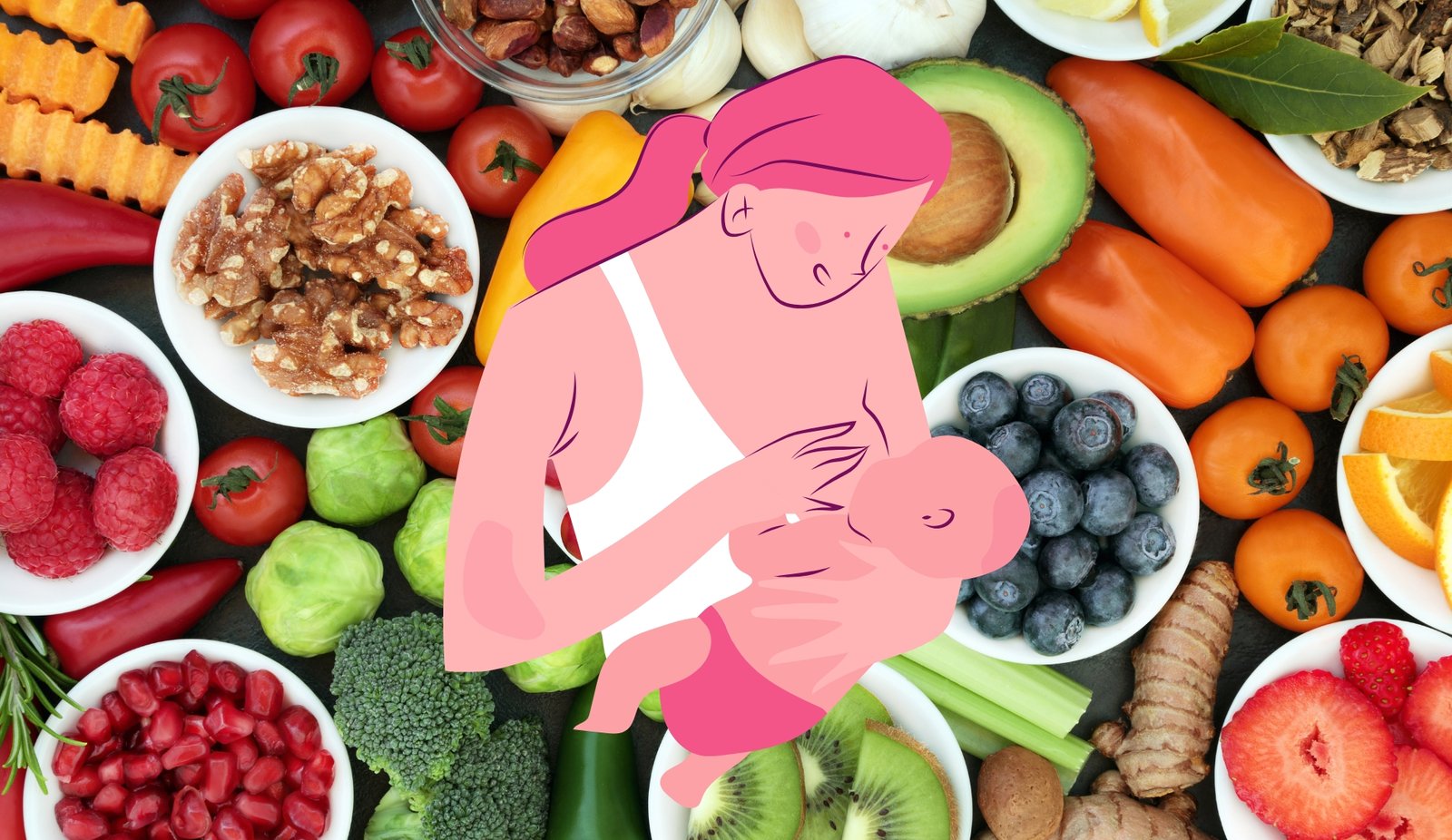
Foods to Increase Breast Milk Supply often spark curiosity among new mothers. Have you ever wondered if certain meals can naturally support your milk production? Many moms ask this question while looking for simple, nourishing choices. Your search for clear, trustworthy guidance starts here.
You can help increase your milk supply by choosing nutrient-dense options like oats, sesame seeds, leafy greens, and healthy fats. Lactation consultant such as Dr. Jack Newman note that while no single food works like magic, consistent nourishment strengthens your body’s natural ability to produce milk. You’ll also see how hydration and balanced meals support your energy and overall breastfeeding rhythm.
These examples introduce only a small part of the foods to help milk supply and may help you feel more supported. The main article dives deeper into practical meal ideas, expert-backed insights, and smart nutrition habits you can use right away. So, let’s step forward and explore the most reliable foods that can boost your breastfeeding journey.
Can Lactogenic Foods increase Lactation?
Lactogenic foods to increase breast milk in one day—also called galactagogues—are natural ingredients known for aiding, enhancing, or stabilizing breast milk production. While every mother is unique, many have reported positive results from incorporating foods rich in phytonutrients, vitamins, minerals, and compounds that support hormonal balance.
These foods to help milk supply work by addressing several key factors:
- Enhancing circulation to mammary glands
- Supporting hormonal pathways involved in milk let-down
- Providing nourishment after physically taxing breastfeeding sessions
- Replenishing nutrients depleted by postpartum recovery
Even though no single food guarantees immediate results, consistent dietary support can help mothers maintain a steady and healthy supply over time.
How Do Galactagogues Work?
Galactagogues are the active drivers in lactogenic foods. Understanding their mechanism demystifies how your diet can directly impact your milk supply. They primarily function in one of two ways:
- Hormonal Stimulation: Many galactagogues contain phytoestrogens or other compounds that mimic or stimulate the production of prolactin, the primary hormone responsible for telling your body to make milk. Think of them as sending a powerful, repeated memo to your mammary glands to ramp up production.
- Nutritional Support: Lactation is a metabolically demanding process. Some foods to boost breast milk supply work by providing an exceptional density of vital nutrients required for milk synthesis. This includes calories, healthy fats, protein, and key vitamins and minerals. By optimizing your body’s nutritional status, you ensure it has the essential building blocks to create a robust milk supply efficiently.
In essence, galactagogues don’t create milk out of thin air; they support and enhance your body’s innate, biological ability to do so, ensuring the entire system is well-fueled and functioning at its peak.
Why Are Superfoods for Breastfeeding Mothers Necessary?
Calling certain items “superfoods” isn’t just a marketing gimmick; in the context of breastfeeding, it highlights foods to increase breast milk in one day, that offer a superior nutritional return on investment. Your body’s needs for nutrients are significantly higher during lactation than during pregnancy. Producing breast milk requires extra calories, fluid, and specific micronutrients that are directly transferred to your baby.
These super foods for breastfeeding mums are necessary because they:
- Replenish Maternal Stores: Your baby’s needs will always be met first from your milk, which can deplete your own reserves of nutrients like iron, calcium, and B vitamins. Superfoods help rebuild these stores.
- Enhance Milk Quality: The nutritional profile of your milk is influenced by your diet, particularly the types of fats and certain vitamins. Consuming nutrient-dense foods good for breastfeeding ensures your milk is rich in the healthy fats and antibodies your baby needs for brain development and immunity.
- Support Maternal Energy and Well-being: The exhaustion of new motherhood is real. The best foods for nursing mothers provide sustained energy, help regulate mood, and support overall recovery, making the demands of breastfeeding more manageable.
Top 10 Foods That Boost Breast Milk Production
Here the best foods for lactation, proven list of the most effective lactogenic foods to help milk supply to incorporate into your daily diet.
1. Oats and Oatmeal
A classic for a reason. Oats are a rich source of iron, and low iron levels (anemia) can negatively impact milk supply. They also contain beta-glucan, a type of fiber believed to raise prolactin levels. A warm bowl of oatmeal for breakfast is a perfect, comforting start to the day.
2. Fenugreek Seeds
One of the most well-known herbal galactagogues. Fenugreek is believed to stimulate sweat production, and since mammary glands are modified sweat glands, it may boost milk production. It can be consumed as a tea, in capsules, or used as a spice in cooking.
3. Brewer’s Yeast
This is a nutritional powerhouse, packed with B-vitamins, iron, protein, chromium, and selenium. Many nursing mothers find it significantly boosts their energy and milk volume. It has a slightly cheesy, nutty flavor and can be mixed into smoothies, baked goods, or yogurt.
4. Dark Leafy Greens
Spinach, kale, moringa, and Swiss chard are loaded with phytoestrogens, which can support lactation. They are also exceptional sources of calcium, iron, and folate—all critical for both you and your baby.
5. Fennel and Fennel Seeds
Fennel contains phytoestrogens and is often used to ease gas and colic in babies, with the benefits passing through the breast milk. Adding fennel seeds to teas, soups, or as a seasoning can offer a dual benefit.
6. Nuts and Seeds
Almonds, cashews, and flaxseeds are excellent sources of healthy fats, protein, and essential minerals like calcium and zinc. They are a convenient, energy-dense snack that supports milk fat content.
7. Papaya
A common galactagogue in Asian cultures, unripe, green papaya is often used in soups and stews. It contains enzymes and phytochemicals that are believed to support milk production. Ripe papaya is also beneficial and hydrating.
8. Garlic
While it may flavor your milk slightly, this is often a positive thing, and studies suggest babies may nurse longer and more vigorously after their mothers consume garlic. Garlic is a potent immune booster and is thought to have lactogenic properties.
9. Ginger
A staple in traditional medicine, ginger is not only anti-inflammatory but also a well-regarded galactagogue. Fresh ginger can be used liberally in cooking, added to stir-fries, or brewed into a tea.
10. Salmon and Fatty Fish
Rich in Omega-3 fatty acids (specifically DHA) and high-quality protein, salmon is essential for your baby’s neurological development. The healthy fats and EPA/DHA also support hormonal function, which is key for lactation.
What to Drink to Increase Breast Milk
Hydration is the non-negotiable foundation of a healthy milk supply. Breast milk is about 90% water, and even mild dehydration can hinder production.
- Water: Your primary drink. Keep a large water bottle with you at all times and sip consistently throughout the day, especially during and after each feeding session.
- Lactation Teas: Herbal teas containing fenugreek, blessed thistle, fennel, and milk thistle are popular and can be a soothing way to ingest galactagogues.
- Barley Water: A traditional drink made from boiled barley, it’s rich in beta-glucan, similar to oats, making it an excellent lactogenic beverage.
- Healthy Smoothies: This is a perfect vehicle for multiple foods to increase milk supply. Blend oats, brewer’s yeast, leafy greens, flaxseed, and fruit with milk or a milk alternative for a power-packed, hydrating meal.
- Electrolyte Drinks: Natural coconut water or homemade electrolyte solutions can be beneficial, particularly if you are active or not drinking enough plain water.
How Often Should a Breastfeeding Mom Eat in a Day?
“Eating for two” is a concept that continues during breastfeeding. To maintain energy and a steady milk supply, a “grazing” approach is often more effective than three large meals. Aim for three moderate main meals and 2-3 substantial snacks throughout the day.
This pattern helps:
- Maintain stable blood sugar levels, preventing energy crashes.
- Provide a constant stream of calories and nutrients for milk synthesis.
- Manage the intense hunger that often accompanies breastfeeding without leading to overeating at single sittings.
Always listen to your hunger cues. If you feel hungry, eat. Your body is signaling that it needs more fuel for the incredible work of producing milk.
7 Days Healthy diet Plan for Breastfeeding Mums
This sample plan integrates the top lactogenic foods good for breastfeeding to give you a practical starting point.
Monday:
- Breakfast: Oatmeal made with whole milk, topped with almonds and blueberries.
- Snack: Apple slices with almond butter.
- Lunch: Quinoa salad with chickpeas, spinach, and a lemon-tahini dressing.
- Snack: A smoothie with spinach, banana, brewer’s yeast, and flaxseed.
- Dinner: Baked salmon with roasted sweet potato and steamed green beans.
Tuesday:
- Breakfast: Scrambled eggs with spinach and a side of whole-wheat toast.
- Snack: Full-fat Greek yogurt with a sprinkle of granola.
- Lunch: Leftover salmon and sweet potato.
- Snack: A handful of cashews and an orange.
- Dinner: Chicken and vegetable stir-fry with ginger and garlic, served with brown rice.
Wednesday:
- Breakfast: Overnight oats with chia seeds and mango.
- Snack: Rice cakes with avocado and a pinch of salt.
- Lunch: Lentil soup with a side of whole-grain bread.
- Snack: A lactation muffin (made with oats and brewer’s yeast).
- Dinner: Whole-wheat pasta with a turkey meatball and marinara sauce, side salad.
Thursday:
- Breakfast: Smoothie with papaya, Greek yogurt, and oats.
- Snack: Hard-boiled eggs.
- Lunch: Leftover pasta and salad.
- Snack: Cottage cheese with peaches.
- Dinner: Curry made with chickpeas, sweet potatoes, and coconut milk (flavored with fenugreek and turmeric), served with brown rice.
Friday:
- Breakfast: Whole-grain pancakes with a side of mixed berries.
- Snack: A pear and a handful of walnuts.
- Lunch: Large salad with grilled chicken, avocado, nuts, and seeds.
- Snack: A glass of barley water and a date bar.
- Dinner: Homemade pizza on a whole-wheat crust with plenty of vegetables.
Saturday:
- Breakfast: Tofu scramble with kale and onions.
- Snack: A lactation cookie.
- Lunch: Leftover pizza.
- Snack: Celery sticks with hummus.
- Dinner: Beef and vegetable stew with barley.
Sunday:
- Breakfast: French toast made with whole-grain bread and eggs.
- Snack: A banana.
- Lunch: Leftover beef stew.
- Snack: Yogurt with honey and flaxseed.
- Dinner: Sheet-pan meal with chicken thighs, broccoli, and carrots, seasoned with garlic and herbs.
How to Incorporate Lactation-Friendly Foods into Your Diet?
Knowing what to eat is one thing; seamlessly adding it to your diet is another. Here are simple, no-fuss strategies:
- Smoothie Power: This is your best friend. You can hide multiple potent foods for breastfeeding moms like brewer’s yeast, spinach, flaxseed, and oats in a delicious fruit smoothie.
- Batch Cooking: Prepare large batches of oatmeal, lactation muffins, or soups on the weekend for easy grab-and-go options during the busy week.
- “Lactation Booster” Jar: Create a custom mix of nuts, seeds, and dried fruit to keep on your nursing station for a quick, energy-boosting snack.
- Spice It Up: Keep fenugreek, fennel, and ginger in your spice rack and add them generously to curries, soups, and stir-fries.
- Smart Swaps: Choose whole-grain options like brown rice and whole-wheat bread over refined versions to increase your intake of fiber and B-vitamins.
Common Questions about Best Foods to Increase Breast Milk Supply (FAQs)
Are there specific Foods to Boost Milk Production?
Yes, certain foods can support and increase breast milk production. Foods to help milk supply like oats, fenugreek, and almonds are known to help. Incorporating these into your diet can assist mothers with low milk supply, ultimately aiding in efforts to increase your breast milk.
What are Best Foods for Breastfeeding Parents?
The best foods for breastfeeding parents include oats, leafy greens, nuts, and fatty fish. These nutrient-rich options can help support and increase milk production, ensuring both mother and baby receive essential nutrients during lactation while minimizing issues related to low milk supply.
What is a Galactagogue?
A galactagogue is a substance that promotes and stimulates milk production in breastfeeding mothers. Foods such as fenugreek and certain herbal teas are considered galactagogues. These can effectively support and increase your breast milk supply, helping to alleviate concerns about low milk supply.
What foods should breastfeeding mums eat?
Breastfeeding mums should eat a balanced diet rich in whole grains, fruits, vegetables, healthy fats, and lean proteins. Incorporating foods that stimulate milk production can help ensure adequate nutrition for both mother and baby while addressing any concerns about low milk supply.
How to Increase Breast Milk Supply Naturally?
To increase breast milk supply naturally, focus on frequent breastfeeding or pumping sessions to stimulate milk production. Consuming foods good for breastfeeding like oats and garlic, staying hydrated, and managing stress can also help support and boost your milk supply effectively.
How do I make my breast milk more nutritious?
To make your breast milk more nutritious, consume a well-rounded diet rich in whole foods, including fruits, vegetables, whole grains, and healthy fats. This not only ensures your baby receives essential nutrients but also helps stimulate milk production, aiding those with low milk supply.
Foods That Promote Milk Production Conclusion
Optimizing your diet with targeted, lactogenic foods is one of the most effective and empowering steps you can take to support your breastfeeding journey. While no single food for breastfeeding moms is a magic bullet, the consistent, combined power of these super foods for breastfeeding mums can make a profound difference in your milk supply, your energy levels, and your overall well-being. Remember to pair this nutritional strategy with ample hydration, frequent nursing or pumping, and adequate rest. Trust your body, nourish it well, and you will be providing the very best for your little one.
Recommended posts
- 10 Nursing Tips for First Time Moms – Make All the Difference
- Proven Ways to Increase Breast Milk Supply Naturally
- Tips for Transitioning from Formula to Milk (Best Practices)
- 10 Best Wearable Breast Pump Hand free (for Busy Moms)
- The Real Causes of Low Milk Supply & How to Boost It
- 5 Tips to Help Produce More Breast Milk – That Actually Work

