
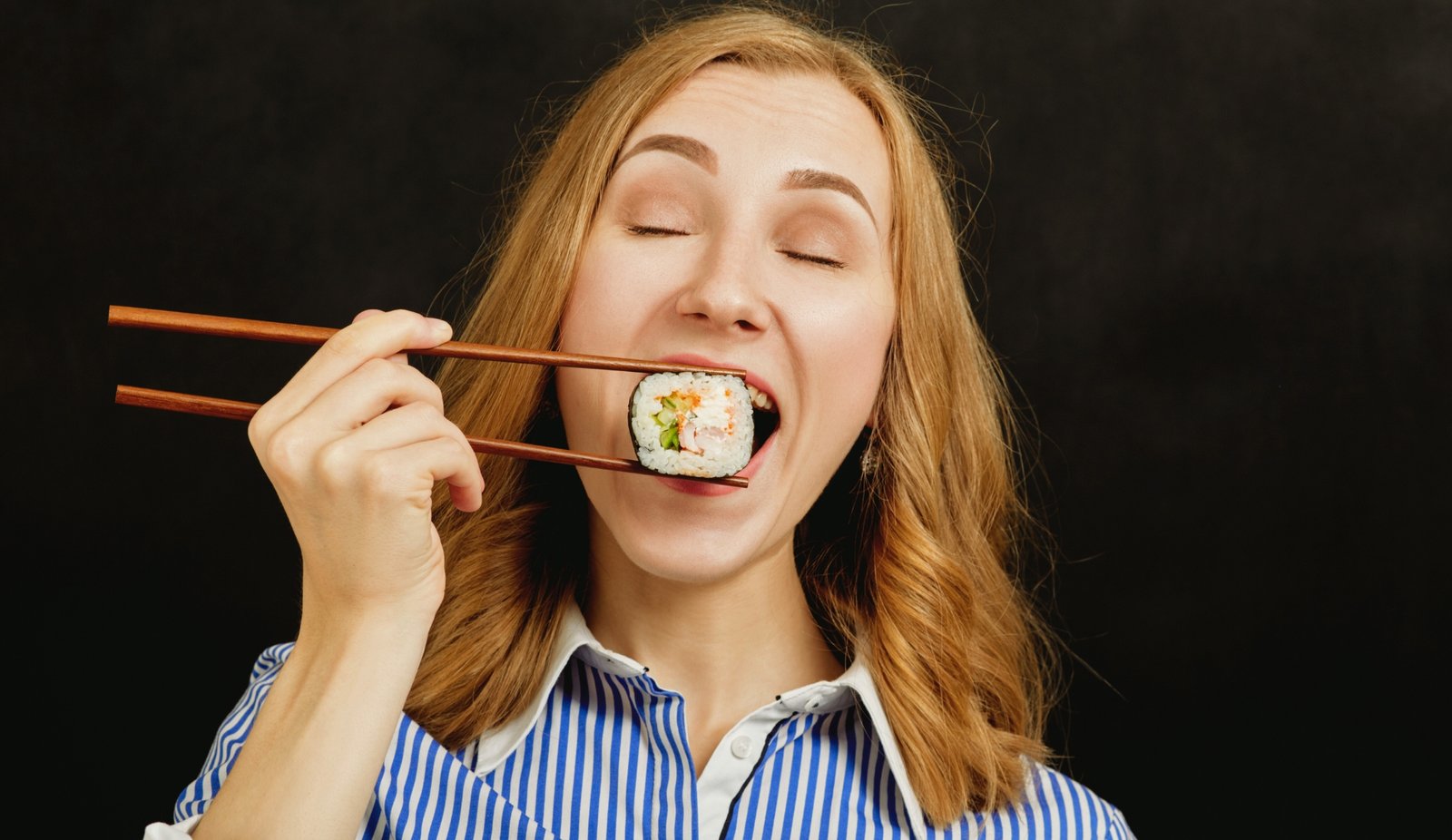
Can you eat sushi during breastfeeding? Eating Sushi While Breastfeeding often sparks confusion for new moms who crave their favorite rolls again. You might wonder if eating raw fish puts your baby at risk or affects your milk. Have you asked yourself whether that spicy tuna roll is actually safe right now?
Experts give a straightforward answer. Most breastfeeding authorities, including Dr. Thomas Hale from the InfantRisk Center, note that well-prepared sushi made from low-mercury fish is generally safe for nursing mothers. The bigger concern lies in high-mercury species like swordfish or king mackerel, which you should limit because mercury can pass into breast milk. Fresh, reputable sushi options typically pose low risk when you choose wisely.
You deserve solid guidance before you dive back into your favorite Japanese dishes. I’ll break down safe fish choices, smart precautions, and expert-backed tips to help you enjoy sushi confidently. So, let’s explore what every breastfeeding mom should know before placing that next sushi order.
Can You Eat Sushi While Breastfeeding?
Can you have sushi when breastfeeding? The short and reassuring answer is yes, for the most part. The primary reason pregnant women are advised to avoid raw sushi—the risk of parasites and foodborne illnesses like Listeria that can cross the placenta and harm the fetus—does not apply in the same way once your baby is born.
When you are breastfeeding, the journey of food through your body is different. If you were to consume contaminated food, your body would process it through your digestive system.
While it’s theoretically possible for harmful bacteria or toxins to enter your bloodstream and subsequently your breast milk, this is not common. Your stomach acid and immune system act as powerful first lines of defense. Furthermore, the baby’s exposure would be indirect and significantly diluted.
Key Takeaway: The consensus among major health organizations, including the American College of Obstetricians and Gynecologists (ACOG) and the NHS in the UK, is that it is generally safe for breastfeeding mothers to eat raw fish sushi, provided it is sourced from a reputable, clean establishment that follows proper food safety protocols. The risk is not zero, but it is low and manageable with smart choices.
Why Shouldn’t Pregnant Women Eat Sushi?
To fully understand why the rules change after birth, it’s crucial to revisit why they were in place during pregnancy. The restriction isn’t about the fish itself being inherently toxic; it’s about the unique vulnerabilities of pregnancy.
- Compromised Immune System: During pregnancy, your immune system is naturally suppressed to prevent your body from rejecting the developing baby. This “immunocompromised” state makes you more susceptible to foodborne illnesses that a non-pregnant person might fight off with little issue.
- Direct Pathway to the Baby: The real danger lies in pathogens like Listeria monocytogenes and Toxoplasma gondii. These microorganisms can cross the placental barrier, a direct line to your unborn baby. In a pregnant woman, a Listeria infection might cause mild, flu-like symptoms, but in the fetus, it can lead to miscarriage, stillbirth, premature delivery, or life-threatening infection.
- Parasitic Risks: Raw or undercooked fish can contain parasites like tapeworms. While a tapeworm infection is unpleasant for anyone, in a pregnant woman, it can lead to nutrient malabsorption and anemia, which can affect both mother and baby.
In contrast, a breastfeeding mother has a fully functioning immune system, and any potential pathogen must navigate a much more complex and indirect route to affect the infant, making the overall risk profile dramatically lower.
What You Need To Know About Listeria and Cross-Contamination
While the risk is low, it is not non-existent. The primary concerns for a breastfeeding mom are the same as for any consumer of raw foods: bacterial contamination and cross-contamination.
Listeria: This bacterium is the star of most food-safety warnings for good reason. It can grow even at refrigerator temperatures. While a healthy adult may experience only gastrointestinal distress, if it enters the bloodstream and breast milk, it could potentially make a newborn ill. Symptoms in an infant can be serious, including fever, vomiting, and lethargy.
Mercury vs. Bacteria: It’s vital to distinguish between two separate issues:
- Bacterial Contamination (Listeria, Salmonella): A short-term risk related to food handling and freshness. This is the primary concern with raw fish sushi.
- Mercury Accumulation: A long-term risk related to the type of fish you eat. Mercury builds up in your body over time and can pass into breast milk, potentially affecting a baby’s developing nervous system. This is a separate issue that applies to both raw and cooked fish.
Minimizing Your Risk Through Smart Sushi Selection:
- Reputation is Key: Only patronize high-turnover, reputable sushi restaurants with a known commitment to freshness and food safety.
- Freshness Matters: Ask about their fish sourcing and how often they receive fresh deliveries.
- Beware of Buffets: Sushi sitting out on a buffet line is a higher risk for bacterial growth. Opt for freshly prepared items.
- Cross-Contamination: Ensure the restaurant uses separate cutting boards and knives for raw and cooked items. Observe the general cleanliness of the establishment.
What are Alternatives to Fish Sushi for Breastfeeding Moms?
If the thought of raw fish still makes you nervous, or if you simply want to diversify your options, the world of sushi offers a wealth of delicious and completely safe alternatives. These options eliminate the risk of raw fishborne pathogens entirely.
- Vegetarian Sushi Options (Vegetable Maki): A fantastic and often overlooked category. Think cucumber rolls (kappa maki), avocado rolls, asparagus rolls, or inari (sweet tofu pouches filled with sushi rice).
- Cooked Fish Sushi: This is a perfectly safe and delicious option. Enjoy rolls containing fully cooked:
- Eel (Unagi): Always served cooked and glazed with a sweet sauce.
- Shrimp (Ebi): Typically boiled or fried.
- Crab (Kani): Often imitation crab (surimi), which is pre-cooked.
- Cooked Salmon or Tuna: Some rolls feature grilled or seared fish.
- California Roll: The classic choice! It traditionally contains imitation crab (cooked), avocado, and cucumber.
- Tempura Rolls: Any roll where the main ingredient, such as shrimp or vegetables, is battered and deep-fried is a safe bet, as the cooking process kills any potential pathogens.
- Tamago Sushi: This is a sweet, layered omelet over sushi rice. It’s a protein-rich, cooked, and beloved option.
Best and Worst Fish to Eat While Pregnant or Breastfeeding
This guidance is primarily focused on the mercury content of fish, which is equally important during breastfeeding as it was during pregnancy. Mercury can pass into your breast milk and, in high amounts, can interfere with a baby’s brain and nervous system development.
The U.S. Food and Drug Administration (FDA) provides clear guidelines for breastfeeding women, recommending 2-3 servings (8-12 ounces) per week of a variety of fish that are lower in mercury.
| Best Choices (Lower in Mercury) | Good Choices (Moderate Mercury) | Choices to Avoid (High in Mercury) |
|---|---|---|
| Salmon Shrimp Cod Pollock Canned Light Tuna Tilapia Catfish Scallops Anchovies Sardines | Albacore (“White”) Tuna Halibut Mahi Mahi Snapper Fresh Tuna (Yellowfin) | King Mackerel Marlin Orange Roughy Shark Swordfish Tilefish (from the Gulf of Mexico) Bigeye Tuna |
Practical Application for Sushi Lovers:
- Go for Salmon & Shrimp: Salmon (often used raw, but low in mercury) and shrimp (cooked) are excellent, low-mercury staples.
- Limit Tuna: Enjoy tuna sushi (like Tekka Maki) in moderation. Opt for rolls made with smaller, lower-mercury tuna species when possible, and balance it with other low-mercury choices throughout the week.
- Absolutely Avoid: Steer clear of any sushi containing the high-mercury fish listed above, such as shark, swordfish, or king mackerel.
Commonly Asked Questions about Eating Sushi While Breastfeeding (FAQs)
Is sushi safe to eat while breastfeeding?
Can i eat sushi when breastfeeding? Sushi is generally safe to eat while breastfeeding, as long as you avoid eating fish high in mercury. Opt for sushi rolls made with low-mercury fish and ensure they are prepared in clean environments to minimize foodborne illness risk while you’re breastfeeding.
Can I enjoy sushi while I’m pregnant?
can i eat sushi while breastfeeding? It’s best to avoid eating fish, especially sushi, during pregnancy. Raw fish can expose you to harmful bacteria and parasites. If you crave sushi, opt for cooked rolls, using fish that’s low in mercury to ensure safety for your baby through breast milk.
How to protect myself from food-related illness while pregnant or breastfeeding?
To protect yourself from food-related illness, ensure you wash hands frequently, cook foods thoroughly, and avoid eating sashimi while breastfeeding. When enjoying sushi, choose reputable restaurants and opt for cooked options. Also, avoid raw foods to minimize risks during pregnancy and breastfeeding.
Can I eat cooked fish while I’m pregnant or breastfeeding?
Yes, you can eat cooked fish while pregnant or breastfeeding. Cooked fish provides omega-3 fatty acids, essential for your baby’s development. Be mindful to avoid eating fish that’s high in mercury, and choose safe options like salmon and sardines.
What sushi is not high in mercury?
Sushi made with fish low in mercury like salmon, shrimp, or eel is safe. Avoid sushi with high mercury fish such as tuna or king mackerel. Check the menu for sustainable options, which are typically safer and offer beneficial omega-3 fatty acids.
Is tuna sushi okay while breastfeeding?
Tuna sushi is generally not recommended while breastfeeding due to its high mercury levels. If you choose to consume tuna, opt for smaller varieties like skipjack and limit intake to ensure safety for your baby. Always prioritize low-mercury fish for optimal health.
Is it safe to eat sushi while breastfeeding?
Yes, it’s safe to eat sushi during breastfeeding if you choose well-cooked options and avoid high mercury fish. Ensure the sushi is prepared in clean environments, and focus on low-mercury fish to maintain your baby’s health through breast milk.
Can I eat king mackerel fish during breastfeeding?
Avoid eating king mackerel while breastfeeding, as it is high in mercury. High levels of mercury can adversely affect your baby’s development. Opt for lower mercury fish like salmon or sardines, which offer beneficial omega-3 fatty acids without the associated risks.
What are the best types of fish for breastfeeding women?
The best types of fish for breastfeeding women include salmon, sardines, and trout. These options provide essential omega-3 fatty acids and are low in mercury, supporting both your health and your baby’s development while avoiding high mercury varieties.
How to protect yourself from foodborne illnesses when breastfeeding?
To protect yourself from foodborne illnesses while breastfeeding, wash hands before meals, consume thoroughly cooked foods, and avoid unpasteurized products. Choose low-mercury fish options and ensure that sushi is prepared in clean environments to keep both you and your baby safe.
Conclusion
In summary, the journey back to enjoying sushi after pregnancy is a welcome one. Eating sushi while breastfeeding is generally considered safe when you make informed, smart choices. The rigid restrictions of pregnancy are lifted, allowing you to indulge in your favorite raw fish rolls from a trusted source. The key takeaways are to prioritize reputable restaurants to minimize bacterial risks and to be mindful of your fish selection to limit mercury exposure, focusing on low-mercury options like salmon and shrimp.
By understanding the science behind the guidelines and exploring the wide array of safe and delicious cooked and vegetarian alternatives, you can confidently navigate the sushi menu. So, go ahead—enjoy that well-deserved sushi meal, knowing you are making safe and nourishing choices for both you and your baby.
Related posts
- Can You Take Sudafed While Breastfeeding? (Safety Guidance)
- Can I color my hair while breastfeeding (Is It Safe, or Not?)
- Does Breastfeeding Help You Losing Weight? (Myths Vs. Facts)
- Is Donating Plasma Safe While Breastfeeding? (Is It Safe)
- 10 First Time Mom Breastfeeding Tips – Make All the Difference
- 17 Foods to Avoid While Breastfeeding — The Surprising List

