
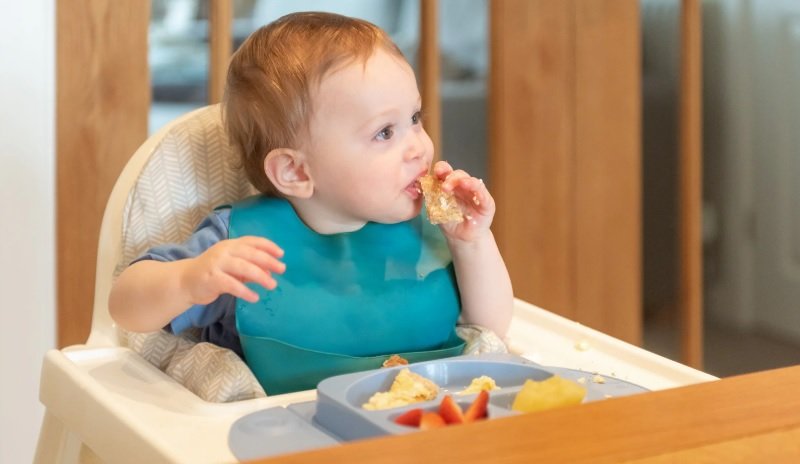
Looking for easy and healthy 8 month old baby led weaning recipes? Wondering which foods are safe and nutritious for your little one at this stage? At eight months, babies are ready to explore a variety of textures and flavors, making mealtime both fun and educational.
At this age, babies can enjoy soft finger foods like steamed vegetables, small pieces of fruit, and simple proteins such as shredded chicken or scrambled eggs. According to Gill Rapley, a leading baby led weaning expert, introducing diverse foods helps develop chewing skills and encourages healthy eating habits. This guide offers simple, tasty, and safe recipe ideas tailored for 8-month-old babies.
From colorful veggie sticks to mini pancake bites, these baby-led weaning recipes make mealtime exciting while keeping nutrition in mind. You’ll also find tips on presentation and portion sizes that boost independence. So, let’s explore the world of baby led weaning recipes that your 8-month-old will love!
Is 8 Months Too Late to Start BLW?
This is a common and valid question for parents who may have started with purees or are simply discovering the BLW method later. The resounding answer is: No, 8 months is not too late to start. In fact, it can be an excellent time to begin.
While many families initiate BLW around the 6-month mark, an 8-month-old baby often has developmental advantages. They likely have a more developed pincer grasp (the ability to pick up small objects between thumb and forefinger), better hand-eye coordination, and stronger jaw muscles.
This can make the transition to self-feeding finger foods smoother and potentially less messy (though mess is an inevitable and valuable part of the process!).
How to start BLW at 8 months:
- Go Back to Basics: Even though your baby is older, begin with the same soft, gummable, appropriately shaped foods you would offer a 6-month-old. Think thick avocado slices, steamed broccoli florets with a long “handle,” or extra-soft sweet potato wedges.
- Focus on Shape & Texture: The key is to offer food in a shape that’s easy for their little hands to hold—typically a long, finger-like shape. As their pincer grasp develops, you can gradually introduce smaller, pea-sized pieces.
- Be Patient and Consistent: Offer a variety of foods at each meal without pressure. It may take several exposures for a baby new to textures to feel comfortable picking up and tasting a food, let alone eating it.
The goal remains the same: to allow your baby to explore food at their own pace, learning to regulate their own appetite and enjoy a wide range of flavors and textures from the family table.
What Can an 8 Month Old Eat Baby Led Weaning?
At 8 months, your baby’s menu is expanding significantly. The focus should be on soft, easily mashable foods that pose a low choking risk. They can now handle more complex combinations and a wider array of flavors, including gentle spices.
Excellent Food Choices for an 8-Month-Old:
- Soft Fruits: Banana (rolled in crushed baby cereal to prevent slipperiness), very ripe pear, mango, avocado, steamed apple slices, melon.
- Soft Vegetables: Steamed or roasted carrot sticks, sweet potato wedges, zucchini, broccoli florets, cauliflower, beetroot.
- Proteins: Well-cooked, flaked fish (check for bones), thinly sliced or shredded chicken, beef, or lamb, scrambled eggs, firm tofu, lentil patties, black bean burgers.
- Grains & Carbohydrates: Toast fingers with a thin layer of nut butter or hummus, well-cooked pasta (like penne or fusilli), oatmeal, thick pancake strips, rice balls.
- Dairy: Full-fat yogurt, cottage cheese, grated or soft cheese like mozzarella (if no dairy allergy is present).
Key Developmental Milestones to Leverage:
- Palmar Grasp: They will use their whole palm to rake food towards them. Long, stick-shaped foods are perfect for this.
- Emerging Pincer Grasp: This is the time to start introducing smaller, bite-sized pieces they can practice picking up, like small cheese cubes or pea-sized pieces of soft fruit.
- Chewing Motions: Even without teeth, babies have strong gums and will use a munching motion to break down soft foods. Always ensure food can be easily mashed between your fingers.
When planning your baby led weaning foods for 8 months, the golden rule is to ensure everything is soft enough to be squashed between your thumb and forefinger. This dramatically reduces any choking risk and builds your confidence.
Best 8 Month Old Baby Led Weaning Recipes:
This collection of food recipes for 8 month old baby led weaning is designed to be nutritious, easy to prepare, and perfectly suited for your baby’s developing skills. They are also tasty enough for the whole family to enjoy, making mealtime prep more efficient.
1. Cereal Pancakes with Sweet Potato & Cinnamon
These pancakes are a powerhouse of iron and vitamin A, and their perfect finger-food shape makes them an ideal baby led weaning 8 month old recipes staple.
- Ingredients: ½ cup mashed sweet potato, 1 ripe banana, 1 egg, 2 tbsp baby oatmeal or whole wheat flour, ¼ tsp cinnamon.
- Instructions: Mash the banana and sweet potato together until smooth. Beat in the egg, then stir in the flour and cinnamon. Heat a non-stick pan over medium heat with a small amount of butter or oil. Drop tablespoon-sized amounts of batter onto the pan. Cook for 2-3 minutes until bubbles form on the surface, then flip and cook for another 1-2 minutes until golden and cooked through. Serve in strip-shaped finger-food pieces.
Why it’s great: Soft, moist, and packed with flavor. The natural sweetness from the banana and sweet potato is very appealing to babies.
2. Apple Banana Carrot Muffins
A perfect grab-and-go breakfast or snack. These muffins are soft, nutrient-dense, and free from refined sugar.
- Ingredients: 1 cup whole wheat flour, 1 tsp baking powder, 1 tsp cinnamon, 1 ripe banana (mashed), ½ cup grated apple, ½ cup grated carrot, ¼ cup applesauce, 1 egg, 2 tbsp coconut oil (melted).
- Instructions: Preheat oven to 375°F (190°C). Mix dry ingredients in one bowl and wet ingredients in another. Combine gently, being careful not to overmix. Spoon into a greased mini-muffin tin, filling each cup ¾ full. Bake for 12-15 minutes until a toothpick comes out clean. Cool completely before serving. Offer a whole mini-muffin for them to gnaw on.
Why it’s great: Introduces a cakelike texture in a safe, gummable format and is a clever way to incorporate vegetables.
3. Prune Puree
While BLW focuses on finger foods, a thick, dippable puree is a fantastic tool. Prunes are a natural remedy for constipation, a common issue as babies explore solids.
- Ingredients: 1 cup pitted prunes, ½ cup water.
- Instructions: Combine prunes and water in a small saucepan. Simmer for 10 minutes until the prunes are very soft. Transfer to a blender and puree until smooth, adding a splash more water if needed to reach a thick, dippable consistency. Serve in a reusable pouch or on a pre-loaded spoon for your baby to self-feed, or use as a dip for toast fingers.
Why it’s great: It’s a functional food that helps with digestion, and it teaches babies how to manage a spoon or dip foods.
4. Toddler recipe: Cauliflower Cheese Cakes
These savory cakes are a fantastic way to introduce a sometimes-tricky vegetable in a delicious, cheesy package.
- Ingredients: 2 cups cauliflower florets, steamed, ½ cup shredded cheddar cheese, ¼ cup breadcrumbs or oat flour, 1 egg, ¼ tsp garlic powder (optional).
- Instructions: Finely chop the steamed cauliflower or pulse in a food processor. In a bowl, mix the cauliflower with cheese, breadcrumbs, egg, and garlic powder until combined. Form into small, flat patties. Pan-fry in a little oil over medium heat for 3-4 minutes per side until golden, or bake on a parchment-lined sheet at 400°F (200°C) for 15-20 minutes, flipping halfway.
Why it’s great: They hold their shape well, are easy to pick up, and combine a vegetable with protein and fat for a balanced bite.
5. Homemade Chicken Nuggets
Skip the processed versions and make your own nutrient-packed nuggets. These are far softer and healthier than their commercial counterparts.
- Ingredients: 1 chicken breast, 2 tbsp full-fat Greek yogurt, ¼ cup grated Parmesan cheese, ¼ cup breadcrumbs.
- Instructions: Preheat oven to 375°F (190°C). Cut the chicken breast into nugget-sized pieces. In a bowl, mix the yogurt, Parmesan, and breadcrumbs to form a paste. Toss the chicken pieces in the mixture until coated. Place on a baking sheet and bake for 15-18 minutes, or until cooked through and golden.
Why it’s great: Provides a familiar food in a much healthier format. The yogurt marinade keeps the chicken incredibly tender and moist.
6. Mini Shepherd’s Pies
A classic comfort food, perfectly portioned for tiny hands. This is a true family meal that your baby can eat right alongside you.
- Ingredients: ½ lb ground lamb or beef, 1 small onion (diced), ½ cup mixed frozen peas and carrots, ½ cup beef or vegetable broth, 1 cup mashed potato (can be made with breast milk/formula for creaminess).
- Instructions: Brown the meat with the onion in a skillet. Add the peas, carrots, and broth, and simmer until liquid has reduced slightly. Spoon the meat mixture into the cups of a greased mini-muffin tin. Top with a dollop of mashed potato. Bake at 400°F (200°C) for 15-20 minutes until the potato tips are golden. Let cool completely before serving one whole mini-pie.
Why it’s great: It’s a complete, balanced meal in one bite-sized package that introduces complex, savory flavors.
Foods to Avoid When Starting a Baby on Solids
Safety is the number one priority in BLW. While the list of foods to avoid is short, it’s critical.
- Honey: Avoid entirely until after 12 months due to the risk of infant botulism.
- Choking Hazards: This includes whole nuts, whole grapes, cherry tomatoes, large chunks of hard raw vegetables (like carrot or apple), popcorn, and chunks of hard cheese. Always modify these foods—cut grapes lengthwise into quarters, grate raw carrot and apple, etc.
- Added Salt and Sugar: Babies’ kidneys cannot process high levels of salt, and sugar is unnecessary. Avoid processed foods, cook without adding salt, and check labels.
- Unpasteurized Foods: Avoid unpasteurized cheeses and juices due to the risk of harmful bacteria.
- High-Mercury Fish: Avoid fish like shark, swordfish, and marlin. Stick to low-mercury options like salmon, light canned tuna, and cod.
Always remember: Your baby should be sitting upright during meals, never leaning back or lying down, and you should never leave them alone while they are eating.
Common Questions about Recipes for 8 Month Old Baby Led Weaning (FAQs)
What to cook for a baby of 8 months?
For an 8-month-old, cook easy and nutritious veggies like sweet potatoes, peas, and carrots. You can also offer cooked steak, finely shredded, to help your baby develop chewing skills. Ensure foods are soft enough for the baby to chew safely.
What is the 90-90-90 rule for baby led weaning?
The 90-90-90 rule for baby-led weaning suggests that babies should be able to sit up properly, grasp food with a pincer grip, and bring food to their mouth independently. This approach promotes confidence in eating and helps babies learn self-feeding.
What baby food should I introduce first?
Introduce simple single-grain cereals or pureed veggies like carrots or sweet potatoes first at 6 months of age. These provide essential nutrients. Observe for allergies and let your baby enjoy mixed recipes for baby-led weaning as they become more confident.
Ready to start feeding baby solid foods?
Yes, at around 6 months, babies are ready to start feeding on solid foods. Begin with iron-fortified cereals or pureed fruits and veggies. Start introducing different textures gradually to help your baby learn to chew and enjoy a variety of flavors.
Can you give a baby avocado as the first food?
Yes, avocado is an excellent first food for babies. It’s creamy, easy to mash, and packed with healthy fats. Introduce it around 6 months of age to aid in developing your baby’s taste preferences and nutritional intake as they begin solid foods.
What are good first table foods for babies?
Good first table foods for babies include soft-cooked veggies, mashed potatoes, and well-cooked pasta. These options are suitable for a baby starting solids around 6 months of age, offering both nutrition and texture for early eating experiences and encouraging self-feeding.
How to cut food for baby during baby-led weaning?
Cut food into long, stick-shaped pieces about the size of your baby’s fist. This size ensures they can easily grasp the food, making it safe for babies at 6 months and older to practice their eating skills while trying different textures.
Conclusion
The 8-month mark is a dynamic and rewarding time in your baby-led weaning journey. Your baby is becoming more skilled and curious, ready to explore a world of textures and flavors. By providing a variety of soft, nutritious, and safely prepared foods from these baby led weaning 8 month old recipes, you are not just feeding your baby—you are helping them build a foundation for a lifetime of healthy eating habits. Embrace the mess, celebrate every squished blueberry and successfully picked-up pea, and trust in your baby’s ability to learn and explore. With this guide in hand, you are perfectly equipped to support your little one through this exciting stage of development.
Recommended posts
- When Can You Start Baby Led Weaning? (Signs and Safe Timing)
- 5 Easy & Delicious Baby Led Weaning Sweet Potato Recipes
- 3 Baby Led Weaning Banana Hacks – Every Parent Should Know
- 15 Easy Baby Led Weaning Muffin Recipes – Soft, Safe, and Delicious
- 5 Common Mistakes to Avoid When Introducing Solids to Infants
- 5 Ways to Relieve Constipation After Introducing Solid Foods

