
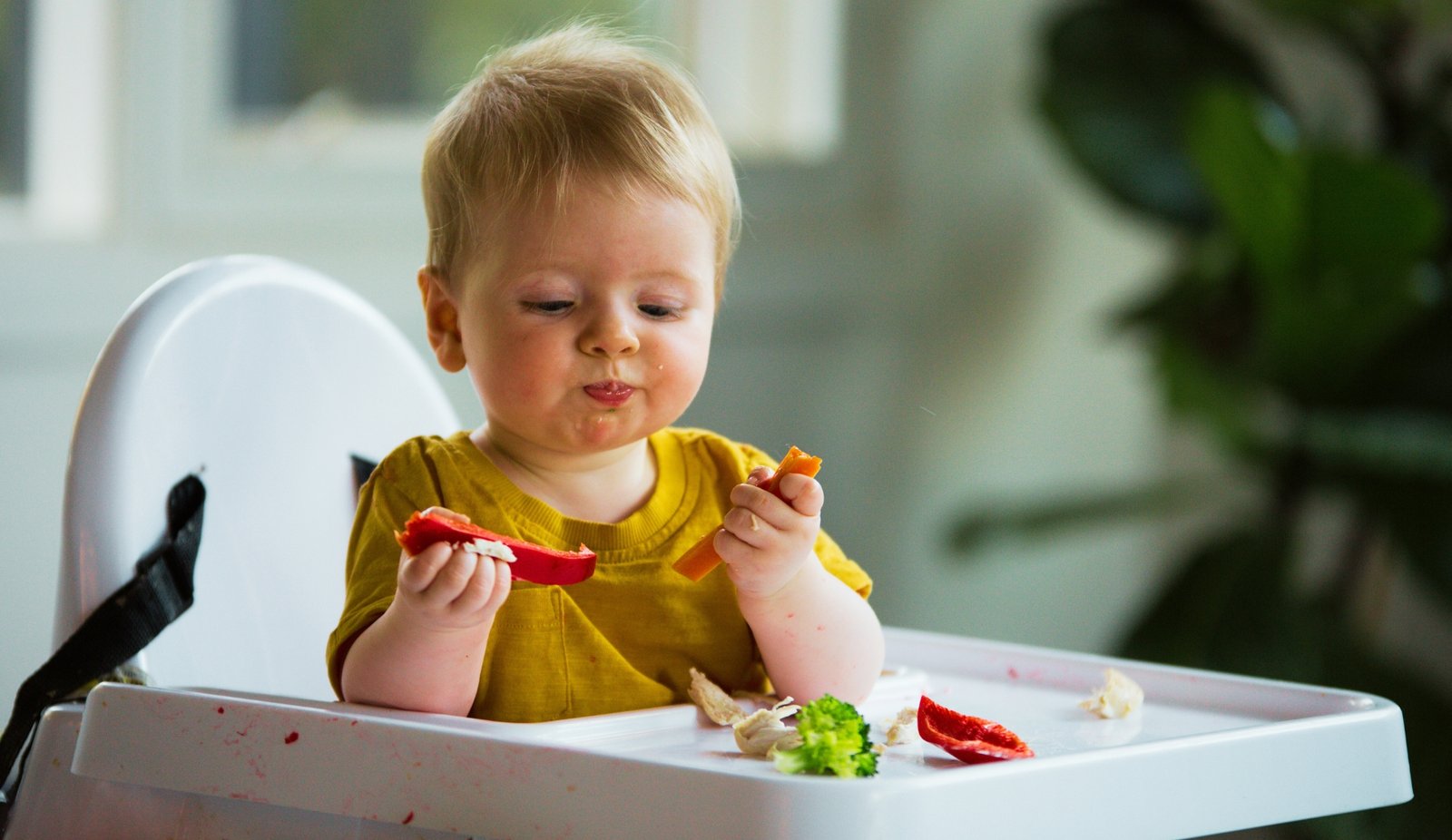
Have you ever wondered how to start Baby Led Weaning Carrots in a safe and engaging way for your baby? Many parents want to introduce carrots early because they’re nutritious and easy to prepare. Their bright color and mild flavor often make them a baby favorite. Are you excited to learn the best approach?
This article shares the safest methods to prepare carrots for baby-led weaning, from steaming sticks to offering soft rounds. You’ll discover their powerful nutrients, including beta-carotene, vitamin A, and fiber that support healthy vision and digestion. You’ll also get expert-backed tips on texture, size, and flavor variations to help your baby enjoy carrots with confidence.
But that’s only the beginning! BLW expert Dr. Gill Rapley often emphasizes how vegetables like carrots encourage babies to explore new tastes and build strong self-feeding habits. So, let’s dive into the full guide and turn carrots into a fun, safe, and nourishing first food for your little one.
Can Babies Eat Carrots?
Babies can absolutely eat carrots as one of their first solid foods. Whether you are beginning with traditional purées or choosing the baby-led weaning (BLW) method, carrots are nutrient-dense, naturally sweet, and easy to digest when prepared correctly.
Carrots are rich in beta-carotene, a precursor to vitamin A, which supports vision, immune health, and skin integrity. Their mild flavor also makes them an approachable starter food for babies as young as six months, which is the typical age when most infants are developmentally ready to handle solids.
However, the key to BLW safety is the texture and shape of the carrot. Since raw carrots pose a major choking risk, carrots must be cooked until completely soft for babies under 18 months. In BLW, the goal is “soft enough to mash easily between two fingers.” This ensures the carrot yields quickly when your baby bites or gums it.
When Can Toddlers Have Raw Baby Carrots?
Raw carrots—including baby carrots, carrot sticks, coin-shaped slices, and grated carrots—are not safe for babies or young toddlers due to their firm, crunchy texture. Raw carrots pose a significant choking hazard because they require strong chewing skills and molars to break down safely.
Most toddlers are not ready for raw carrots until around 4 years old, when their chewing, oral-motor skills, and molar development are more reliable. Even then, supervision during eating is essential.
If you want to offer carrots before age four, they should always be:
- Fully cooked
- Soft enough to squish between fingers
- Cut into age-appropriate shapes
Avoid giving young toddlers baby carrots whole, as their shape and hardness make them especially risky.
How to Cook Carrots for Baby Led Weaning?
Cooking carrots properly is the foundation of safe Baby Led Weaning. The goal is to achieve a texture that is soft, moist, and easily mashable.
The Best BLW-Friendly Cooking Methods for Carrots
1. Steaming
Steaming carrots is one of the easiest ways to get them perfectly tender while preserving nutrients. Steam whole carrots or batons until they are so soft they almost fall apart.
2. Boiling
Boiling is fast and effective, but can leach out some nutrients into the water. Boiled carrots should be fork-tender—soft enough to press with no resistance.
3. Roasting
Roasting brings out a deeper flavor and natural sweetness. For BLW, roast carrots covered or steam-roast them to ensure they do not become too crispy or caramelized on the edges, which can make them harder to chew.
4. Steam-Roasting
This hybrid method involves covering carrots on a baking sheet so they cook quickly in their own steam while still developing some roasted flavor.
Cutting Shapes for BLW
For babies 6–9 months, offer carrots in:
- Long batons
- Thick wedges
- Half moons (if soft)
For babies 9–12 months, you can offer:
- Soft diced carrots
- Fork-mashed carrots
- Mixed into soft meals like casseroles, pasta, or cottage cheese
For toddlers 12+ months:
- Smaller bites are safe as long as the carrot is fully cooked
- Avoid raw pieces
3 Safe and Easy Baby Led Weaning Carrots Recipes
Below are three delicious, nutrient-dense, parent-approved carrot recipes designed specifically for baby-led weaning. They are soft, flavorful, and easy for babies to grip and gum.
1. Steamed Carrots with Carrot Greens
This simple recipe highlights the natural sweetness of carrots while retaining their nutrients through gentle steaming.
Ingredients:
- 4 whole carrots, peeled
- A small handful of carrot greens (washed thoroughly)
- 1 tbsp olive oil or unsalted butter
- Optional: a pinch of mild herbs (parsley or dill)
Instructions:
- Slice whole carrots lengthwise into long batons or steam whole if they are thin.
- Place them in a steamer basket over boiling water.
- Cover and steam 12–15 minutes, or until the carrots smash easily between fingers.
- Chop the carrot greens finely and mix with warm carrots.
- Lightly drizzle with olive oil for added healthy fats that support nutrient absorption.
BLW Tip: Babies love grasping long pieces. Be sure they are soft, slippery, and large enough to hold.
2. Steam Roasted Carrots Baby Led Weaning
Steam-roasting amplifies flavor but keeps carrots tender—the perfect combination for BLW.
Ingredients:
- 5–6 carrots, cut into thick sticks
- 1 tbsp olive oil
- 2 tbsp water
- Pinch of paprika or cinnamon (optional)
Instructions:
- Preheat the oven to 400°F (200°C).
- Spread carrots on a baking sheet.
- Drizzle with olive oil and water, then cover tightly with foil.
- Bake for 20–25 minutes or until extremely soft.
- Remove the foil and roast an additional 5 minutes to deepen flavor, avoiding crispy edges.
BLW Tip: If edges crisp, lightly mash them before serving.
3. Mashed Carrots with Cottage Cheese and Chives
This creamy recipe combines protein-rich cottage cheese with naturally sweet carrots.
Ingredients:
- 4 carrots, peeled and chopped
- 1/3 cup cottage cheese (full-fat)
- 1 tsp finely chopped chives
- 1 tsp olive oil or unsalted butter
Instructions:
- Steam or boil the carrots until they are very soft.
- Mash them thoroughly using a fork.
- Stir in cottage cheese and chives.
- Add butter or olive oil and mix until creamy.
BLW Tip: Serve in a bowl with pre-loaded spoons or allow your baby to self-feed handfuls.
How to Serve Carrots for Baby-Led Weaning?
Serving carrots correctly is just as important as cooking them properly. Baby-led weaning focuses on offering foods in shapes and textures appropriate for the baby’s developmental stage.
Serving Carrots at 6–9 Months
Offer carrots in long, soft strips or wedges that your baby can easily grab with their palm. The carrot should be:
- At least 2–3 inches long
- Soft enough to squish
- Not crumbly or crispy
This shape supports early self-feeding skills and reduces choking risk.
Serving Carrots at 9–12 Months
At this stage, babies develop a better pincer grasp, allowing you to serve:
- Soft diced carrots
- Overcooked carrot coins (no raw coins ever)
- Mashed carrots
- Carrots mixed into meals like oatmeal, scrambled eggs, or pasta
Serving Carrots at 12–18 Months
Toddlers can handle more variability but still require fully cooked carrots. Serve:
- Small soft cubes
- Soft sticks
- Carrot patties or fritters
- Mashed carrot spreads
Serving Carrots at 18 Months+
Even though toddlers may seem advanced, raw carrots are still unsafe, even grated—because compressed shreds can clump and cause choking. Continue offering cooked and soft preparations until age 4.
Ingredients in Easy Buttered Baby Carrots
If you want a quick, go-to carrot side dish that works for babies, toddlers, and adults, buttered baby carrots are a perfect match. They are soft, flavorful, and rich in healthy fats.
Common Ingredients Include:
- Baby carrots or whole carrots cut into wedges
- Unsalted butter for richness
- Water or low-sodium broth for steaming
- Herbs like parsley or basil (optional)
- Olive oil as a butter substitute if preferred
- A pinch of cinnamon for sweetness
How to Prepare Buttered Baby Carrots SAFELY
- Steam carrots until soft enough to mash between fingers.
- Add a small amount of butter or olive oil.
- Stir until coated and glossy.
- Slice into safe sizes for BLW.
Never serve buttered raw baby carrots to babies or toddlers.
Warning: Grated Raw Carrots are Not Safe!
This is a critical safety point that often surprises parents. While you might think that grating a raw carrot would make it safe by breaking it down into small pieces, the opposite is true. Finely grated raw carrot is a significant choking hazard.
The problem lies in the texture. When raw carrot is grated, it creates tiny, hard, and slick pieces. A baby can easily scoop up a mouthful of these shreds, which can then clump together into a firm, cohesive ball in their mouth. This ball is difficult for a baby to maneuver and swallow safely and can easily block their small airway.
Therefore, it is imperative to avoid offering grated raw carrot to babies and young toddlers. If you wish to incorporate raw carrot, wait until your child is a proficient chewer (closer to 3-4 years old) and even then, offer it in paper-thin strips, not grated. For younger babies, cooking the carrot first and then mashing or grating it is perfectly safe, as the cooking process softens the fibers.
Commonly Asked Questions about Seving Carrots Baby Led Weaning (FAQs)
Are carrots a choking hazard for babies?
Carrots can be a choking hazard for babies, especially at 6 months of age. It’s crucial to serve them cooked until soft or as a puree to minimize the risk. Ensure pieces are easily pierced with a knife for safe consumption.
Are carrots a common allergen?
No, carrots are not considered a common allergen. They can be safely introduced to babies, solid starts around 6 months of age. Monitor for any reactions, but many parents successfully include carrots in homemade baby food without issues.
How to Make Carrot Sticks for Baby?
To make carrot sticks for baby, peel and cut carrots into sticks. Cook until soft, then allow to cool. For babies 9 months old, ensure they are easily pierced with a knife to promote safe eating practices and encourage development.
How to Serve Raw Baby Carrots to Kids?
Serve raw baby carrots by cutting them into small, manageable pieces for toddlers. For children over 2 years, raw carrots also should be thinly sliced to minimize the risk of choking. You can also use parchment paper to create fun shapes.
How to Make Carrot Fries for Baby?
To make carrot fries for baby, cut carrots into thin strips and toss with a little olive oil. Bake on parchment paper at 400°F until tender. This recipe is great for 9 months old babies, enhancing their eating skills with delicious softness.
What are the best ways to cook carrots for baby-led weaning?
Steaming or roasting carrots are ideal methods for baby-led weaning. Steaming makes them soft enough for babies to chew, while roasting enhances their natural sweetness. Always ensure carrots are cut into age-appropriate sizes to minimize choking hazards for your little one.
When can I introduce raw baby carrots to my child?
Raw baby carrots may be introduced around 11 months, once your child has developed sufficient chewing skills. Ensure they are cut into sticks or halves to minimize choking hazards. Always supervise mealtime to ensure your baby is safely enjoying their food.
How do I prepare carrot sticks for my toddler?
For toddler-friendly carrot sticks, choose large carrots and cut them into age-appropriate sizes, ideally half lengthwise or quartered. Steaming them for a few minutes until they’re soft can make them easier to chew and digest, enhancing your child’s eating skills.
Are carrot fries a good option for babies?
Carrot fries can be a fun and nutritious option for babies. Cut carrots into thin strips, roast them with minimal oil, and serve them soft. This method makes them an enjoyable finger food while introducing healthy flavors to your baby’s diet.
What is the choking hazard associated with carrots?
Carrots are often considered a common choking hazard for babies due to their hard texture. To minimize risk, always serve them cooked until tender, cut into age-appropriate sizes, and supervise your baby while they eat to ensure safety during mealtime.
Can I serve raw carrots to my baby?
Serving raw carrots is not recommended until your baby is older and can handle chewing well. Grated raw carrot can be introduced as a finger food around 12 months, but always assess your child’s readiness and chewing skills to prevent choking hazards.
Conclusion
Carrots are one of the best first foods for baby-led weaning—nutritious, versatile, easy to prepare, and naturally sweet. Whether you steam, roast, or mash them, the key is ensuring they are soft, squishable, and properly shaped to match your baby’s developmental stage. With the right technique, Baby Led Weaning Carrots can support meaningful exploration, sensory learning, and confident self-feeding. Always supervise during meals, follow safe preparation guidelines, and enjoy watching your little one discover the joy of eating real food.
Recommended posts
- Easy Baby Led Weaning Banana Pancakes Your Baby Will Love
- The Best Baby Led Weaning Books – Every Parent Should Read
- Best Baby Led Weaning Meatballs Recipe (Soft & Easy to Make)
- When Can You Start Baby Led Weaning (Signs and Safe Timing)

