
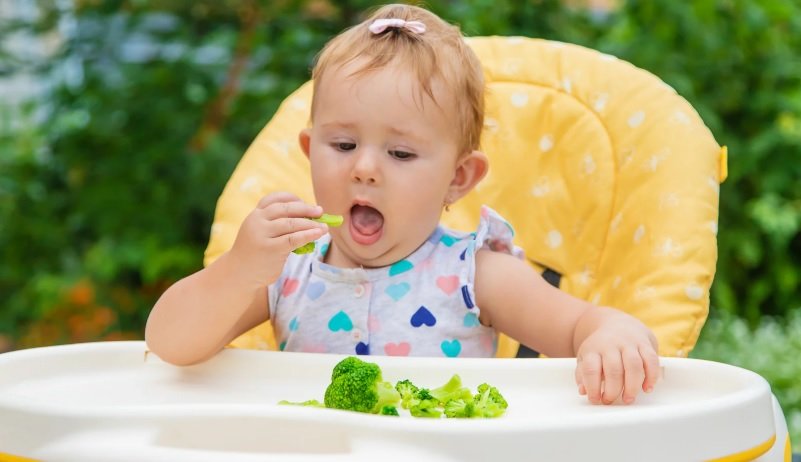
Have you ever thought about how to start Baby Led Weaning Broccoli safely and confidently? Many parents wonder when and how to offer this nutrient-rich vegetable to their little ones. Broccoli holds a strong place in early feeding because it’s easy to grip and full of goodness. Are you curious about the best way to serve it?
This article explains how to introduce broccoli during baby-led weaning using simple prep methods, ideal textures, and age-appropriate serving styles. You’ll discover its nutritional strengths, including vitamin C, vitamin K, and fiber that support healthy development. You’ll also get expert-backed tips on steaming times, portion sizes, and how to make broccoli appealing to beginners.
But that’s just the start! Renowned BLW expert Dr. Gill Rapley highlights how veggies like broccoli help babies explore flavors and build feeding independence. So, let’s jump straight into the practical guide that will help you turn broccoli into a safe, confidence-boosting first food for your baby.
Why Broccoli is One of the Best First Foods for Baby-Led Weaning?
Broccoli is a nutrient-dense superfood that provides numerous health benefits for your growing baby. It’s rich in vitamins C, K, and A, as well as important minerals like calcium and iron. Not only does it support bone health and immune function, but its high fiber content aids digestion, making it an ideal option for babies starting out on solid foods.
Moreover, the texture of broccoli lends itself well to baby-led weaning. Its florets are easy for tiny fingers to grasp, promoting self-feeding and motor skills development. Introducing broccoli early can also help cultivate a taste for vegetables, reducing the likelihood of picky eating later on.
Key Nutritional Benefits of Broccoli:
- Vitamins: High levels of vitamin K and vitamin C contribute to overall health and well-being.
- Fiber: Aids in digestion and promotes a healthy gut.
- Antioxidants: Protects against cellular damage and may reduce the risk of chronic diseases.
By incorporating broccoli into your baby’s diet, you can lay a strong foundation for healthy eating habits.
When Can Babies Eat Broccoli?
Most pediatricians recommend starting baby-led weaning around six months of age, when your baby is developmentally ready for solid foods.
This is when they can sit up with support, have good head and neck control, and show signs of readiness, such as reaching for food or showing interest in what others are eating.
Broccoli can be introduced after the initial stage of weaning when your baby is accustomed to other vegetables or soft foods.
Always consult your pediatrician for personalized recommendations regarding your baby’s diet and readiness for specific foods, especially if there are any family allergies or dietary concerns.
How to Prepare Broccoli for Baby Led Weaning?
Preparation method is crucial for ensuring broccoli is safe and enjoyable for your baby. Here are some steps to follow for preparing broccoli:
- Selecting Fresh Broccoli: Choose firm, vibrant green florets without dark spots or wilting. Organic broccoli is ideal, as it is free from pesticides.
- Washing: Thoroughly wash the broccoli under running water to remove any dirt or pesticides.
- Cutting: Trim the broccoli into large florets, making sure they’re not too small to avoid choking hazards. Florets should be about the size of your baby’s fist for optimal grasp.
- Cooking Method:
- Steaming is one of the best methods, as it retains most of the nutrients while making the broccoli tender. Steam until soft but not mushy, usually for about 5-7 minutes.
- Roasting is another excellent option, providing a different texture and flavor. Toss florets with a little olive oil and roast in the oven until tender.
- Cooling: Allow the broccoli to cool completely before serving. Test the temperature to ensure it’s safe for your baby.
Once prepared, broccoli can be served as a whole floret or cut into smaller pieces, depending on your baby’s eating skills.
7 Baby Led Weaning Broccoli Recipes – Your Baby Will Actually Eat
Below are parent-approved, nutrient-rich recipes that use broccoli in surefire ways your baby will love. Each recipe is tailored for BLW beginners and includes soft, easy-to-grab textures.
1. Steamed Broccoli with Lemon
Ingredients:
- Fresh broccoli florets
- 1 tsp olive oil
- A tiny squeeze of lemon (optional)
Instructions:
- Steam broccoli until very soft.
- Drizzle lightly with olive oil.
- Add 1–2 drops of lemon juice—just enough for flavor, not acidity.
- Serve warm with the stalk acting as the handle.
Why babies love it: The lemon brightens the flavor without overwhelming the vegetable, helping expand palate acceptance.
2. Broccoli Baby Led Weaning – Baby Foods Puree
This puree is great for mixed-feeding families or for babies transitioning from purees to finger foods.
Ingredients:
- 1–2 cups steamed broccoli
- Breast milk, formula, or water as needed
- Optional: A small spoon of avocado or olive oil
Instructions:
- Steam broccoli until fully tender.
- Blend until smooth.
- Thin with milk or water until it reaches desired texture.
- Serve as a dip for soft finger foods or by the spoon.
Why it works: Puree provides added exposure while still honoring BLW principles.
3. Roasting Broccoli for Baby Led Weaning
Roasting brings out a deeper, slightly sweet flavor perfect for babies becoming more adventurous.
Ingredients:
- Broccoli florets
- Olive oil
- Optional herbs like basil or oregano
Instructions:
- Toss florets lightly in olive oil.
- Roast at 400°F (200°C) for 15–18 minutes until soft with lightly caramelized edges.
- Cool and serve tender pieces.
Tip: Avoid crispy or charred bits for younger babies.
4. Instant Pot Mashed Broccoli
Great for babies who enjoy smoother textures or parents wanting to pair broccoli with other vegetables.
Ingredients:
- 3 cups broccoli
- ½ cup water
- 1 tbsp butter or olive oil
Instructions:
- Add water and broccoli to Instant Pot.
- Cook for 2 minutes on high pressure.
- Quick release and mash until soft.
- Add butter or olive oil to enrich.
Serving idea: Offer mashed broccoli on pre-loaded spoons for better self-feeding skill development.
5. Baby Led Weaning Broccoli Bites
These soft bites are perfect once your baby has mastered the pincer grasp (usually around 9–10 months).
Ingredients:
- 1 cup steamed broccoli, chopped finely
- 1 egg
- ¼ cup breadcrumbs (or oat flour)
- ¼ cup shredded cheese (optional)
Instructions:
- Mix all ingredients in a bowl.
- Form small oval-shaped bites.
- Bake at 375°F (190°C) for 12–15 minutes until set.
Why babies love it: Soft inside with a mild flavor, easy to hold, nutrient-rich.
6. Broccoli Tots Baby Led Weaning
These are veggie-packed and ideal for older BLW babies ready for bite-size foods.
Ingredients:
- 1 ½ cups finely chopped broccoli
- 1 egg
- ½ cup cooked quinoa or breadcrumbs
- ¼ cup grated cheese (optional)
Instructions:
- Combine all ingredients.
- Shape like mini-tots.
- Bake at 375°F (190°C) for 18–20 minutes.
Bonus: Tots freeze well for quick meals.
7. Baby Led Weaning Broccoli Fritters
Fritters are savory, soft, and nutrient-dense—ideal for lunch or dinner.
Ingredients:
- 2 cups steamed broccoli, chopped
- 2 eggs
- ½ cup flour (oat, whole wheat, or almond)
- 1 small grated zucchini (optional)
- Pinch of garlic or onion powder (optional)
Instructions:
- Combine ingredients to form a thick batter.
- Pan-cook spoonfuls on low heat with minimal oil until golden on both sides.
- Serve warm and soft.
Tip: Break fritters into strips for easier gripping.
How to Serve Broccoli to Babies with a Vitamin C Boost?
To enhance the nutritional profile of broccoli, pair it with vitamin C-rich foods. Citrus fruits, strawberries, and bell peppers can provide an extra boost of this essential vitamin, which helps with iron absorption from broccoli. Here are a few serving suggestions:
- Broccoli and Orange Segments: Serve steamed broccoli alongside fresh orange pieces.
- Broccoli with Bell Pepper Dips: Chop raw bell peppers into sticks to use as a dip for steamed broccoli.
- Broccoli Salad: Toss cooled broccoli with diced strawberries and a splash of lemon or lime juice for a tasty and refreshing dish.
These combinations not only improve the nutritional value but also introduce a variety of flavors and textures to your baby’s palate.
Commonly Asked Questions about Best Broccoli Recipes for Babies (FAQs)
Is broccoli a choking hazard for babies?
Yes, raw broccoli is a choking hazard. However, when cooked until soft and served appropriately, baby can eat broccoli safely. Always ensure the florets are tender enough to mash easily between your gums to minimize any risk for your infant.
How do I cook broccoli for my baby?
Steam or roast baby broccoli or florets until they are very soft and easily pierced with a fork. This makes the stem and floret tender enough to mash, creating a perfect first food for self-feeding and reducing choking risk.
How to serve broccoli for 6 month old baby?
For babies 6 months old, serve a large, cooked broccoli floret with a long stem. The stem acts as a handle, making it easy for your baby to grasp and gnaw on the soft, safe floret head for perfect first food exploration.
When can babies eat broccoli?
Babies can start eating broccoli around 6 months of age when they are ready to start solids. At this stage, they can chew and handle small pieces of food. Always ensure broccoli is cooked soft enough for safe consumption to avoid choking hazards.
How should I prepare broccoli for baby led weaning?
To prepare broccoli for baby led weaning, steam the broccoli florets until tender. Cut them into bite-sized pieces to make it easy for babies to pick up. This method retains the nutrients and makes it a nutritious option for your baby’s first foods.
What are the benefits of steamed broccoli for babies?
Steamed broccoli is loaded with vitamins and minerals, including vitamin C, calcium, and potassium. These nutrients support healthy growth and development. Cooking the broccoli also makes it soft enough for babies to chew easily, promoting positive eating experiences.
Can I serve broccoli puree to my baby?
Yes, you can serve broccoli puree as a transition to solid foods. Simply steam the broccoli and blend it in a food processor until smooth. This allows your baby to enjoy the taste while gradually getting used to different textures.
How do I know if my baby can chew broccoli?
Observe your baby’s ability to handle larger pieces of food, showing signs of chewing and using their pincer grasp. If they can mash the broccoli florets with their gums, they are likely ready to chew and enjoy this nutritious vegetable.
Are there any choking hazards with broccoli for babies?
Yes, there can be choking hazards if broccoli is served in large pieces. Always cut broccoli into small, bite-sized pieces that are soft enough for your baby to handle. Monitor your baby while eating to ensure they are safe and comfortable.
What are some easy broccoli recipes for babies?
Simple broccoli recipes include steamed broccoli with a drizzle of olive oil, roasted broccoli with a sprinkle of herbs, or mixing cooked broccoli into mashed potatoes. Each recipe offers a nutritious option for babies starting their journey with solid foods.
How often can I serve broccoli to my baby?
You can serve the broccoli several times a week as part of a balanced diet. Variety is key to exposing your baby to different flavors and nutrients. Just make sure to introduce new foods gradually and observe for any allergies.
Conclusion
Preparing and serving Baby Led Weaning Broccoli safely is simple, nutritious, and incredibly beneficial for your baby’s development. From a perfect first-food shape to a wide variety of toddler-friendly recipes, broccoli is one of the most versatile vegetables in BLW.
Whether you steam, roast, mash, or turn it into fritters or tots, broccoli offers endless opportunities for your baby to explore new textures and flavors. Use the recipes and serving tips above to build confidence, create enjoyable mealtime experiences, and foster healthy eating habits that last well beyond the baby stage.
Recommended posts
- Best Baby Led Weaning Meatballs Recipe (Soft & Easy to Make)
- 5 Easy & Delicious Baby Led Weaning Sweet Potato Recipes
- 10 Easy Baby Led Weaning Recipes Your Little One Will Love!
- 5 Easy Baby Led Weaning Quinoa Recipes for Little Eaters

