
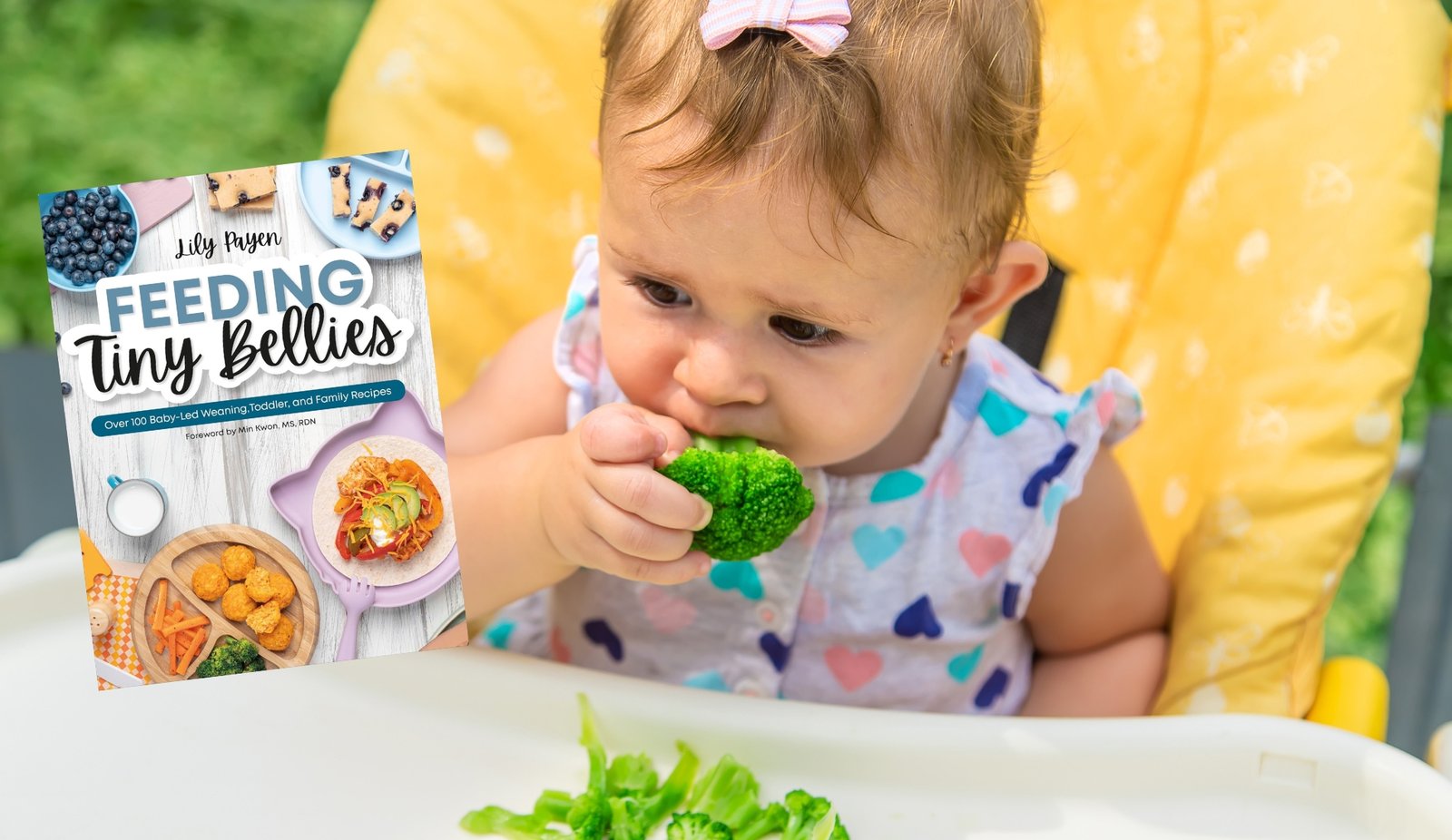
Finding the Best Baby Led Weaning Book can be a game-changer for new parents stepping into the world of introducing solids. The concept of baby-led weaning (BLW) is transforming how families approach feeding — turning mealtime into an engaging, sensory-rich experience rather than a struggle over spoons and purees.
With countless books available on baby nutrition and feeding methods, selecting the right guide ensures that you start your child’s food journey with confidence, safety, and joy.
In this guide, we’ll explore what to feed your baby, the philosophy behind baby-led weaning, and review some of the top-rated baby-led weaning books every parent should consider adding to their shelf.
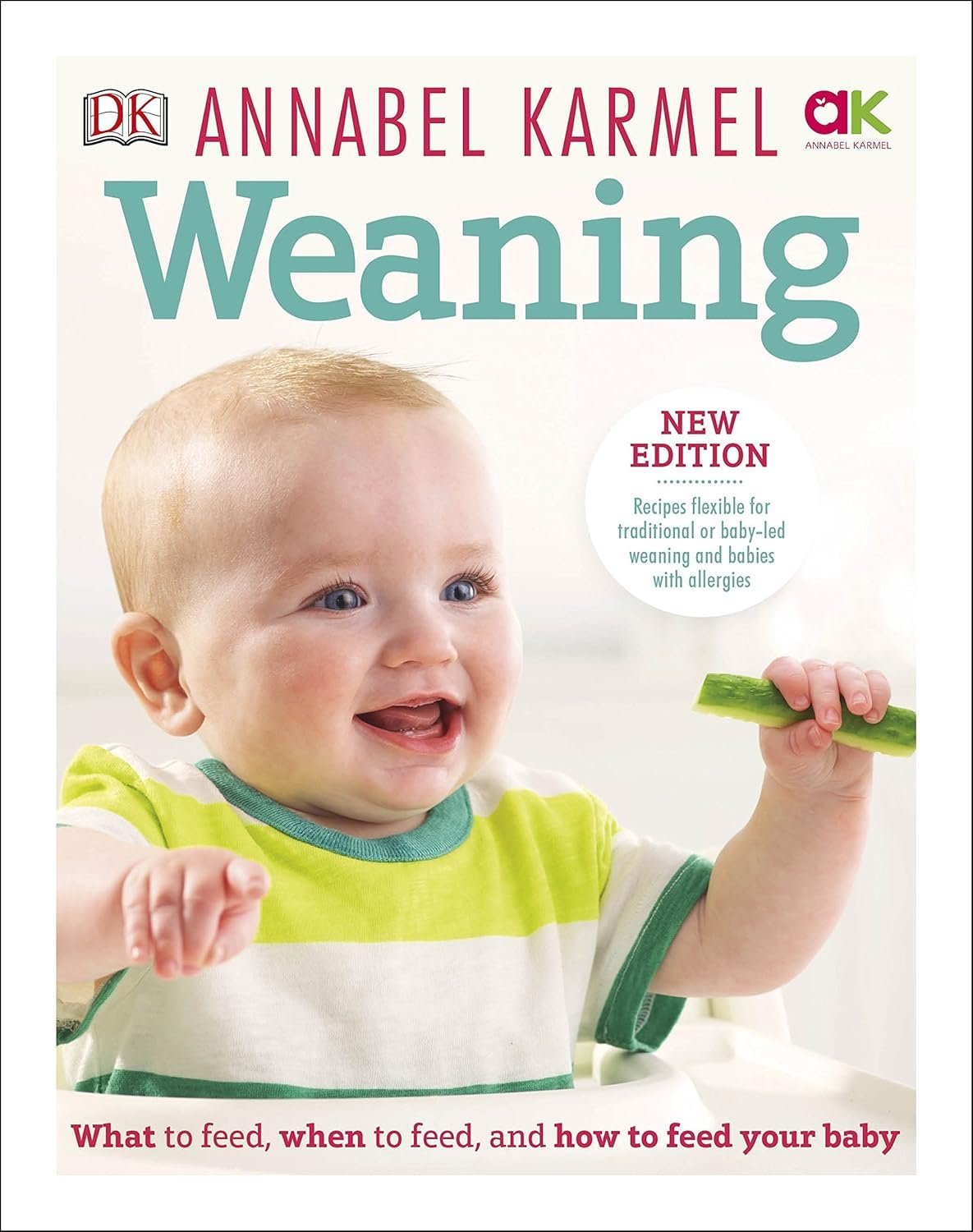
👶 Discover the easiest way to start your baby’s self-feeding journey! The Annabel Karmel Baby-Led Weaning Book gives you expert recipes, step-by-step guides, and confidence to feed your little one right. 🌟
What to Feed Your Baby and Toddler?
The first question most parents have is: What can my baby eat once they’re ready for solids? The answer depends on developmental readiness, not just age. Typically, babies are ready for solids around six months old, when they can sit upright without support, show interest in food, and have lost their tongue-thrust reflex.
At this stage, offering a wide variety of nutrient-dense, safe, and appropriately textured foods is key. Whether you choose traditional purees or a baby-led approach, focus on introducing real, whole foods rather than processed snacks.
Ideal first foods include:
- Soft fruits like banana, avocado, pear, and steamed apple slices.
- Cooked vegetables such as carrots, sweet potatoes, broccoli florets, and zucchini.
- Iron-rich proteins like shredded chicken, lentils, tofu, or eggs.
- Whole grains — oatmeal, quinoa, or small pieces of whole-grain toast.
- Healthy fats from nut butters (thinned for safety), olive oil, and full-fat yogurt.
Toddler meals can evolve from these basics. As children approach one year, they can eat most family foods — just cut into safe, manageable pieces and avoid added sugar and excess salt. Balanced meals rich in colors, textures, and flavors will help toddlers develop adventurous palates and strong nutritional foundations.
Baby-Led Weaning: The Fuss-Free Way to Introduce Solid Foods
Baby-led weaning is a simple yet powerful concept: instead of spoon-feeding purees, parents allow babies to self-feed finger-sized pieces of food from the beginning. This encourages autonomy, motor skill development, and an intuitive relationship with eating.
The approach was popularized by Gill Rapley, a former health visitor and midwife, who emphasized that babies should be active participants in their feeding journey. By letting babies grasp, explore, and eat at their own pace, BLW supports sensory learning, coordination, and trust in natural hunger cues.
The benefits of baby-led weaning include:
- Improved motor skills: Handling food strengthens fine motor coordination.
- Positive food relationships: Babies learn to enjoy real textures and flavors, reducing pickiness later.
- Family inclusivity: Babies eat what parents eat, fostering connection and shared mealtimes.
- Self-regulation: Children learn to listen to their own hunger and fullness cues.
However, safety is crucial. Always supervise mealtime, ensure foods are soft enough to mash between fingers, and learn the difference between gagging (a normal reflex) and choking.
A great baby-led weaning book will not only explain the method but also include safe food preparation tips, recipes, portion guidance, and reassurance for nervous parents — all backed by pediatric nutrition science.
What is the Best Baby Led Weaning Book?
With so many titles on the market, determining the Best Baby Led Weaning Book depends on your parenting style, your baby’s stage, and how much guidance you need. Some parents want a science-backed, structured manual, while others prefer practical recipe books.
When choosing a BLW guide, consider the following:
- Expert credentials: Choose books written by pediatricians, registered dietitians, or child nutrition experts.
- Balanced approach: A good BLW book integrates safety guidelines and flexibility — some even combine puree and self-feeding methods.
- Recipes and visuals: Step-by-step images, meal plans, and recipes make implementation easier.
- Realistic advice: Look for books that respect your baby’s pace and include troubleshooting for common challenges like picky eating or allergies.
Below, we review some of the most trusted and top-rated baby-led weaning books that have guided thousands of families worldwide.
Annabel Karmel Baby Led Weaning Book Review
Annabel Karmel, a world-renowned expert in child nutrition, has helped millions of parents make feeding both fun and nutritious. Her Baby-Led Weaning Book combines her signature creativity with practical advice, making it one of the most accessible guides for new parents.
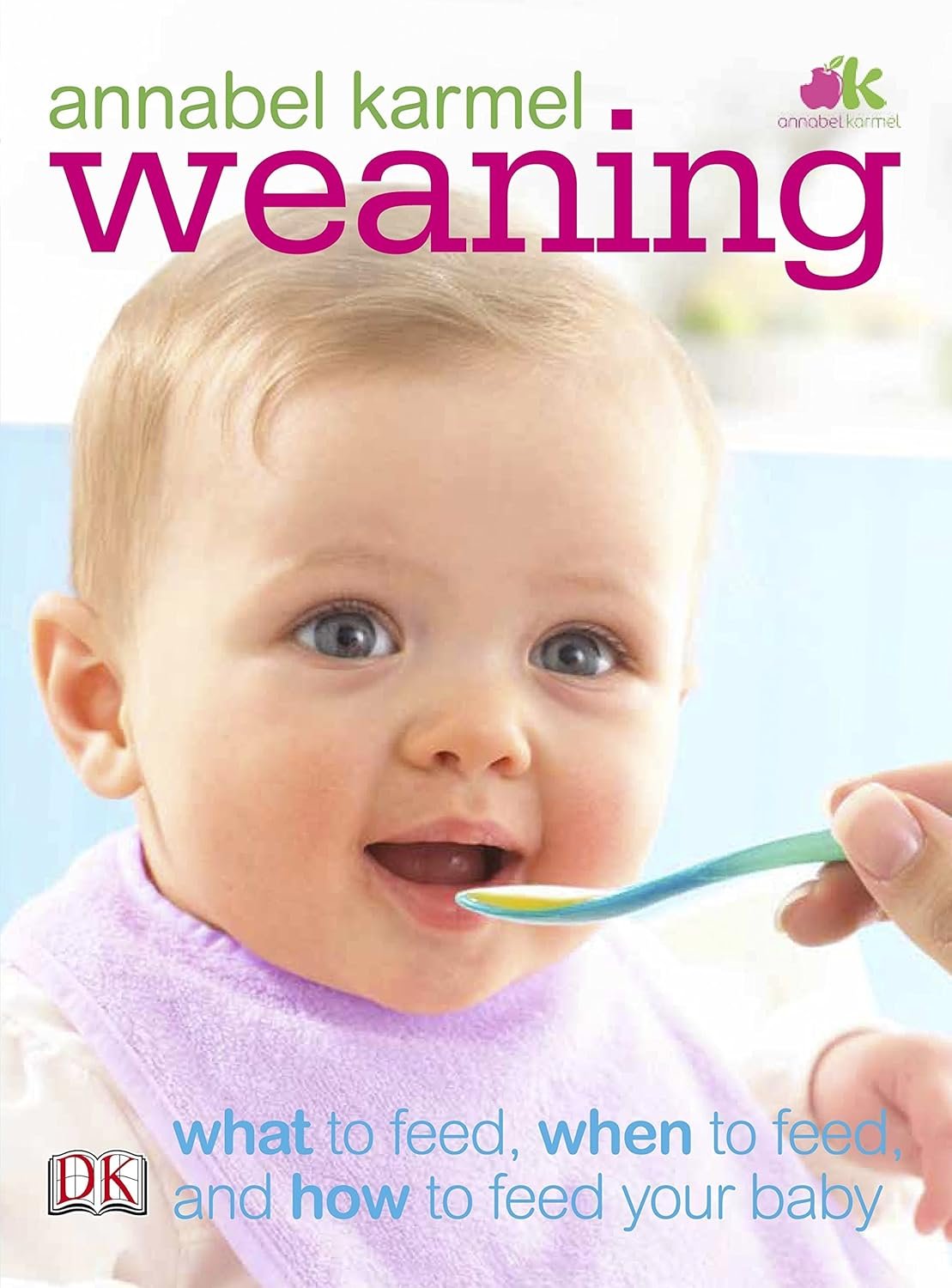
Karmel’s approach blends the flexibility of baby-led feeding with the nutritional wisdom she’s known for. Her book features:
- Over 70 easy, family-friendly recipes designed for babies aged six months and up.
- Detailed guidance on textures, portion sizes, and safe preparation.
- Colorful photography that inspires confidence and creativity.
Unlike some strictly BLW manuals, Karmel acknowledges that parents can mix spoon-feeding and self-feeding — a balanced, realistic perspective. Recipes like mini fish cakes, veggie fritters, and lentil patties encourage variety and help parents expand their baby’s palate.
Her warm, encouraging tone makes this book ideal for parents who feel overwhelmed or anxious about starting solids. It’s also perfect for those who want healthy, fuss-free meals the entire family can enjoy together.
COOKBOOK 202 Baby-Led Weaning Recipes
For parents who want a comprehensive recipe collection, the COOKBOOK 202 Baby-Led Weaning Recipes is an essential kitchen companion. This book focuses purely on food variety, creativity, and convenience — perfect for busy families who still want nutritious homemade meals.
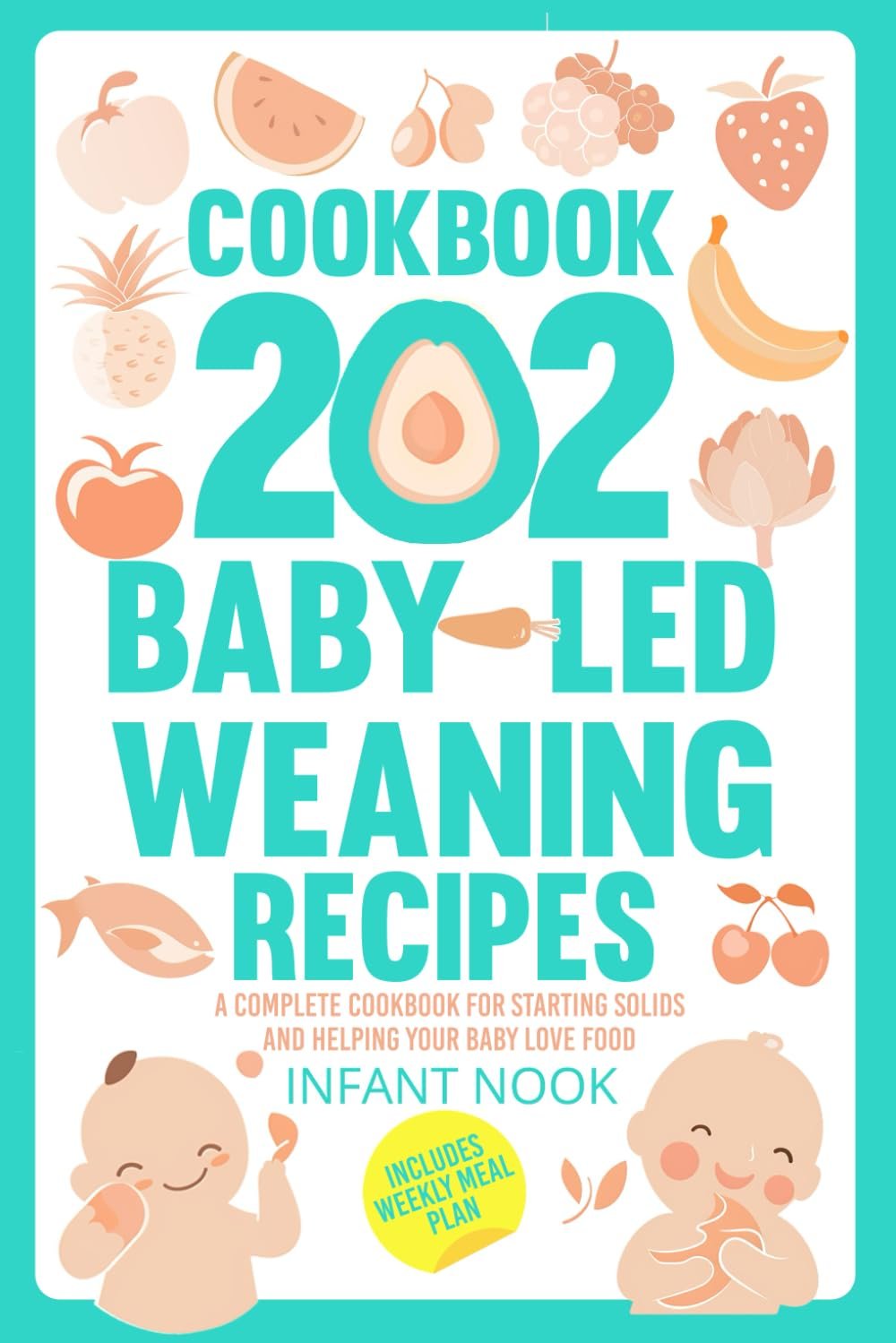
Inside, you’ll find:
- 202 diverse recipes covering breakfast, lunch, dinner, and snacks.
- Guidance on allergen introduction and food safety.
- Meal plans and grocery lists to simplify weekly prep.
- Adaptable recipes suitable for toddlers and even adults.
The standout feature of this book is its global flavor inspiration. From Mediterranean-style vegetable muffins to Asian-inspired rice cakes, it encourages exposure to a wide range of tastes early on — an important factor in preventing picky eating.
Every recipe is thoughtfully tested to meet babies’ nutritional needs without added salt or sugar. It also includes substitution ideas for vegan, dairy-free, and gluten-free diets, making it one of the most inclusive baby-led weaning cookbooks on the market.
The Pediatrician’s Guide to Feeding Babies and Toddlers
Co-authored by Dr. Anthony Porto and Dr. Dina DiMaggio, The Pediatrician’s Guide to Feeding Babies and Toddlers brings medical expertise and real-world practicality together in a highly credible and reassuring resource.
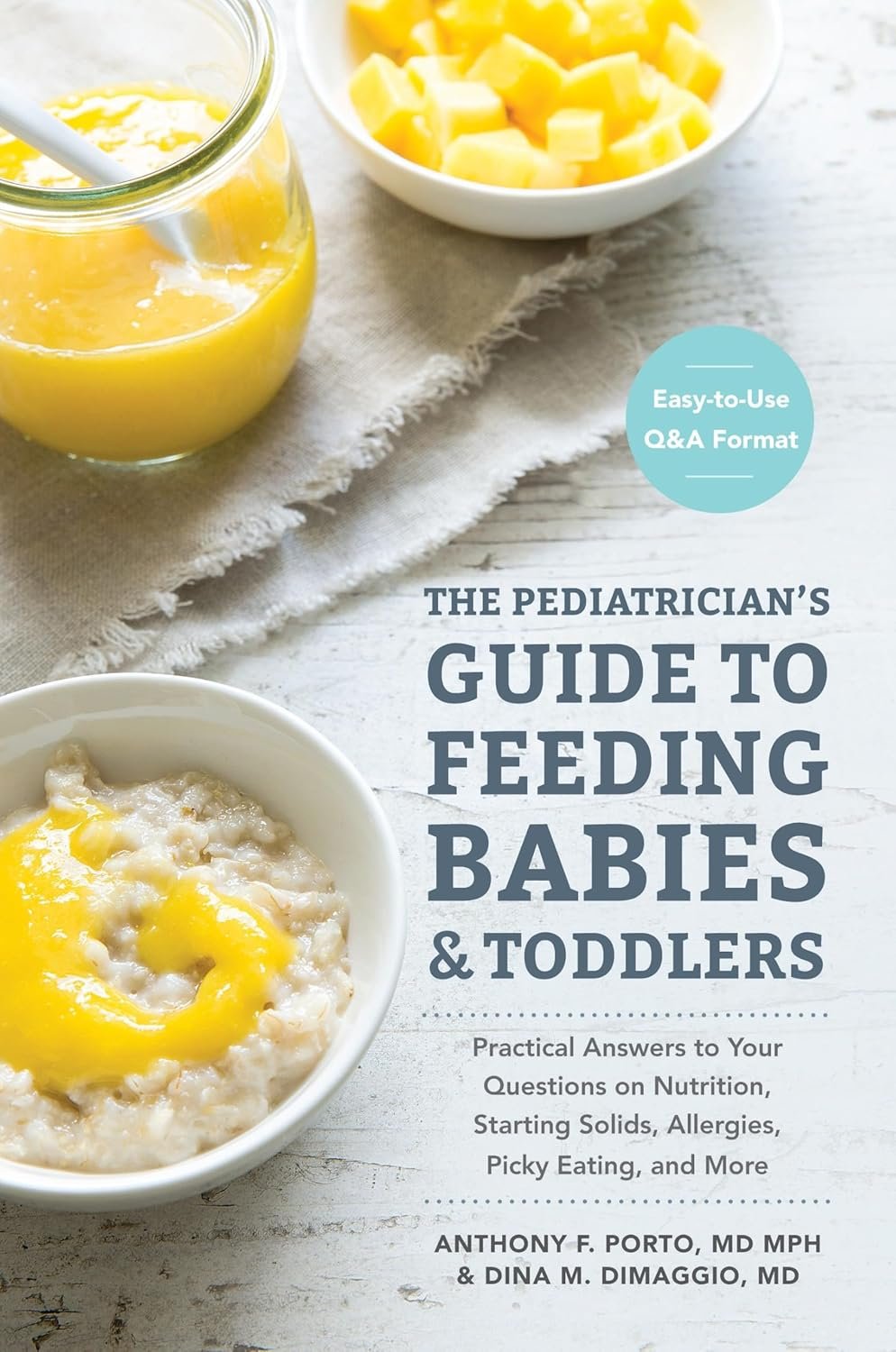
This book is particularly valuable for parents who want evidence-based guidance that bridges both puree feeding and BLW. It covers everything from starting solids to toddler nutrition, allergy prevention, and common feeding challenges.
Key highlights include:
- Practical advice from board-certified pediatricians.
- Detailed sections on food allergies, reflux, and picky eating.
- Science-backed timelines for introducing new foods safely.
- Recipes tailored for each stage, from infancy to toddlerhood.
What sets this guide apart is its balanced, judgment-free tone. It acknowledges that no single approach fits every baby and encourages parents to blend methods based on comfort and readiness.
For families seeking a trusted, medical perspective alongside practical tips, this book is one of the best baby led weaning books available today.
Stage-by-Stage Baby Food Cookbook: 100+ Purées and Baby-Led Feeding Recipes
Written by Yaffi Lvova, RDN, the Stage-by-Stage Baby Food Cookbook is a versatile and supportive resource for parents who want to combine traditional feeding with baby-led principles. It’s perfect for those who want structure without rigidity — a gentle, adaptable guide through every developmental feeding stage.
The book provides over 100 recipes categorized by age and readiness, helping parents transition seamlessly from purees to more complex textures. Each stage includes advice on:
- Recognizing feeding cues and readiness signs.
- Texture transitions that promote safe self-feeding.
- Allergen introduction and balanced nutrition.
- Family-friendly meal adaptations.
The author’s background as a registered dietitian ensures every recipe supports optimal growth and development. She also offers meal prep tips, storage guidance, and strategies for building healthy eating habits from the start.
Parents appreciate this book’s clear, evidence-based structure and realistic advice — it’s a practical guide for busy caregivers who want confidence and clarity every step of the way.
Commonly Asked Questions about Family Meal Baby-Led Feeding (FAQs)
What is the baby-led weaning method?
Baby-led weaning (BLW) is an approach to introducing solid foods where babies self-feed, allowing them to explore textures and tastes. It encourages independence and helps your baby learn to eat whole foods while developing motor skills and confidence during mealtime.
How can I safely introduce solid foods to my baby?
To safely introduce solid foods, follow the latest guidelines from pediatric experts. Start with soft, easy-to-handle finger foods, and always supervise your baby. Ensure the food is cut appropriately to prevent choking and encourage self-feeding without pressure.
What are the benefits of baby-led feeding?
Baby-led feeding promotes self-feeding, helps identify allergies, and encourages a healthy relationship with food. This method allows babies to explore flavors and textures, promotes family meals, and can be beneficial for both baby and toddler development.
When should I start the weaning process?
The best time to start weaning is around 6 months when your baby shows readiness signs like sitting up independently and showing interest in food. This is the ideal age to begin introducing 101 foods to your baby while integrating solid foods into their diet.
Can I use finger foods for baby-led weaning?
Yes, finger foods are essential for baby-led weaning. They allow your baby to practice self-feeding and help develop fine motor skills. Choose soft, nutritious options like steamed vegetables, soft fruits, and whole grains to encourage exploration and enjoyment during mealtime.
Is it necessary to breastfeed while starting solids?
Breastfeeding can continue while starting solids, providing essential nutrients. Breastmilk should remain a significant part of your baby’s diet until they are one year old, complementing solid foods and ensuring they receive adequate nutrition during this transitional phase.
What should I include in a weaning family cookbook?
A weaning family cookbook should include easy-to-follow recipes for all ages, focusing on delicious, nutritious finger foods. Incorporate vegetarian options, tips for master portion sizes, and recipes to help your baby learn to enjoy a variety of foods with the whole family.
How do I identify allergies during baby-led weaning?
To identify allergies, introduce new foods one at a time during baby-led weaning. Wait three to five days before introducing another food. Observe for any allergic reactions, such as rashes or gastrointestinal issues, and consult your pediatric expert if concerns arise.
What is the ultimate guide to starting solids?
The ultimate guide to starting solids includes comprehensive tips on when to start, safe baby-led weaning practices, and ideas for delicious recipes. It should also cover how to navigate potential choking hazards and the importance of a balanced diet for your baby.
Conclusion
Choosing the Best Baby Led Weaning Book can empower you to start your baby’s feeding journey with confidence, knowledge, and joy. Whether you’re drawn to Annabel Karmel’s approachable style, the recipe-rich COOKBOOK 202 Baby-Led Weaning Recipes, or the medically informed Pediatrician’s Guide to Feeding Babies and Toddlers, each book offers valuable insights tailored to different parenting needs.
Remember, baby-led weaning isn’t just about food — it’s about fostering independence, curiosity, and lifelong healthy habits. The right book will help you navigate safety, nutrition, and family meals with ease, turning feeding time into a bonding experience rather than a battle.
Start by choosing a trusted guide that aligns with your values and lifestyle, and you’ll find that introducing solids can be one of the most rewarding milestones in your baby’s first year.
Recommended posts
- 3 Baby Led Weaning Banana Hacks – Every Parent Should Know
- How to Wean Off Pumping Without Pain? A Step-By-Step Guide
- How to Dry Up Breast Milk Naturally Without Getting Mastitis Fast?
- Purees Vs Baby Led Weaning Comparison (The Great Debate)
- Easy Pancakes for Baby Led Weaning – Your Baby Will Love
- 10 Easy Recipes for Baby Led Weaning Your Little One Will Love!
- 10 Quick Baby Led Weaning Breakfast Ideas for Happy Mornings
- 5 Safe Baby Led Weaning Chicken Recipes Your Baby Will Love
- Carrots Baby Led Weaning: Easy Prep & Serving Ideas for Moms
- 5 Easy Baby Led Weaning Quinoa Recipes for Little Eaters
- The Complete 18 Month Old Milestones Guide (for New Parents)

