
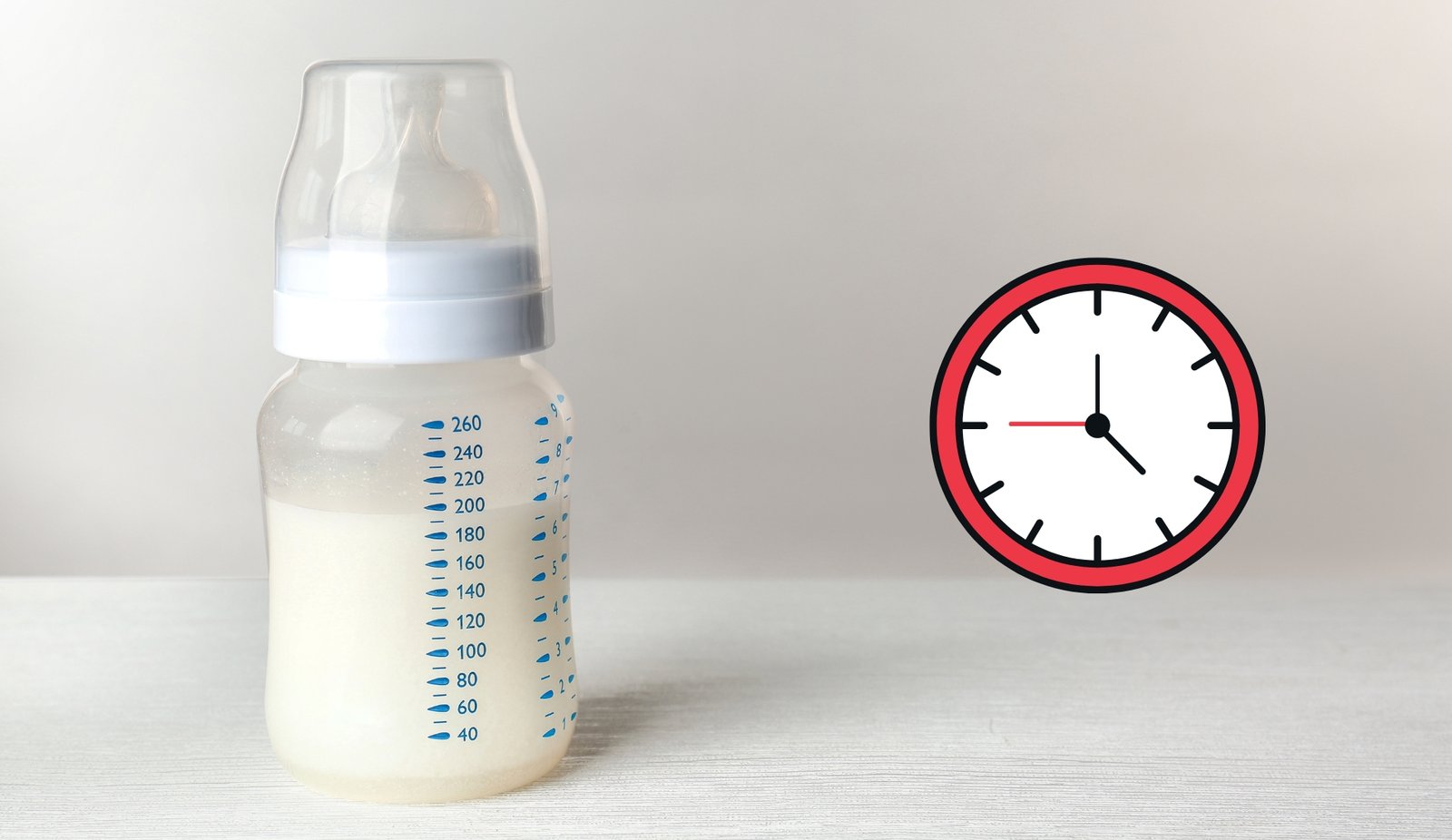
How Long Is Infant Formula Good for is something every parent needs to know to keep feeding safe and stress-free. You open a can, use a few scoops, and then wonder how long it truly stays fresh. Have you ever questioned whether the formula in your pantry is still good to use?
Most powdered infant formulas stay good for about 1 month after opening when stored in a cool, dry place and sealed tightly. Pediatric nutrition experts such as Dr. Steven Abrams note that freshness matters because nutrients break down over time. This article gives you the exact timelines and clear steps for safe storage.
Many parents keep formula longer than they should without realizing it. I’ll show you the expert-backed rules, practical storage habits, and signs that tell you when to toss it. So, let’s move ahead and make sure every scoop you prepare is safe and ready for your baby.
How Long Is Infant Formula Good for After Opening?
Once a container of powdered infant formula is opened, the clock starts ticking. Most manufacturers recommend using the formula within 1 month (30 days) after opening the can. This guideline ensures the powder remains free from moisture, bacteria, and quality degradation.
Important notes for opened powdered formula:
- Always check your specific brand’s label, as some products differ slightly.
- Keep the scoop clean and dry—never place a wet scoop inside the can.
- After 30 days, discard any remaining powder even if it looks and smells normal.
- Store opened formula at room temperature in a cool, dry place—not in the fridge.
For ready-to-feed or liquid concentrate formula, the shelf life after opening is 48 hours in the refrigerator, as long as it’s stored in a sealed container.
Quick reference:
- Powdered formula (opened): Use within 30 days
- Liquid formula (opened): Refrigerate and use within 48 hours
Can Prepared Formula Stay in the Fridge?
Prepared formula can be stored in the refrigerator, but with very strict time limits. This is one of the most important safety practices to prevent bacterial growth.
- Prepared Powdered or Concentrated Formula: If you’ve mixed a batch of formula from powder or liquid concentrate, it must be refrigerated at 40°F (4°C) or below and used within 24 hours. This countdown starts from the moment the formula is prepared.
- Ready-to-Feed Formula (Once Opened and Poured): Even though it’s already liquid, once you’ve opened a bottle of ready-to-feed formula or poured some into a feeding bottle, the same 24-hour rule typically applies if refrigerated. However, always defer to the specific instructions on the product’s packaging.
Critical Safety Note: Never store prepared formula in the refrigerator door, where temperatures fluctuate. Place it in the main body of the fridge, towards the back, where it’s coldest and most stable.
Furthermore, if your baby does not finish a bottle, you must discard any formula that is left over. Bacteria from your baby’s saliva can multiply rapidly if the bottle is re-refrigerated and saved for later.
Is it Safe to Reheat Formula?
Reheating infant formula is a common practice among parents, but there are important safety measures to consider. If you need to warm up refrigerated formula, it’s best to do so using a warm water bath or bottle warmer.
Avoid using a microwave, as it can create hot spots that may burn your baby’s mouth. Once warmed, it’s crucial to serve the formula immediately. Any leftover formula that has been warmed should not be stored again; it should be discarded to prevent any risk of contamination.
Reheating formula is a topic that often confuses new parents. The key rule is:
✅ You may warm formula once—but you should NOT reheat it repeatedly.
Reheating multiple times encourages bacterial growth and breaks down nutrients.
Safe reheating guidelines:
- Warm the bottle of formula by placing it in a bowl of warm water or using a bottle warmer.
- Avoid microwaving; it heats unevenly and creates dangerous “hot spots.”
- Gently swirl (do not shake) the bottle to distribute heat evenly.
- Always test the temperature on the inside of your wrist—should be warm, not hot.
- Once warmed, formula should be used within 1 hour.
If your baby does not finish the reheated bottle within that timeframe, discard it.
How Long Does Unopened Baby Formula Last?
Unopened formula lasts much longer because it is sealed and protected from moisture, contaminants, and oxygen. Its exact lifespan depends on the formulation and packaging.
Typical shelf-life guidelines for unopened formula:
- Powdered formula: Usually 1–2 years from manufacturing date
- Liquid formula (ready-to-feed or concentrate): Around 1 year unopened
Manufacturers print a “Use By” date on every container. This date reflects the period during which the product meets full nutritional standards. You should not use formula past the “Use By” date, even if the can appears fine, because essential vitamins and nutrients may have degraded.
Do NOT use formula that is:
- Past the “Use By” date
- Stored in a damaged, dented, or bloated can
- Exposed to extreme temperatures (overheated or frozen)
- Showing signs of clumping, foul odor, or discoloration
Formula is sensitive and can spoil even when the powder looks normal. Safety must always come first.
How to Store Formula Safely?
Proper storage of infant formula is essential for maintaining its safety and quality. Here are some best practices:
- Temperature Control: Store formula in a cool, dry place, away from direct sunlight and moisture. Ideal storage temperatures are below 75°F (24°C).
- Container Sealing: Always keep the container tightly sealed when not in use to prevent moisture and contaminants from entering.
- Labeling: If you transfer formula to a different container, ensure it is clean and labeled with the date it was opened.
- Avoid Mixing Old and New: Do not mix old formula with new formula, as this can lead to spoilage.
Following these storage tips will help ensure that your infant formula remains safe and effective for your baby’s nutritional needs.
Storage tips for liquid formula:
- Store unopened cans or bottles in a cool pantry.
- Refrigerate immediately after opening.
- Keep in airtight containers if transferring from a large can.
Storage tips for mixed formula:
- Store prepared bottles in the refrigerator for up to 24 hours.
- Label bottles with the time and date for accuracy.
- When traveling, use an insulated cooler with ice packs, keeping formula under 40°F (4°C).
During feeding:
- Use prepared formula within 2 hours of mixing.
- If formula feeding has begun, use within 1 hour, then discard leftovers.
Safe formula preparation and storage habits significantly reduce the risk of foodborne illness.
Different Recommendations for Preparing Powdered Formula:
Powdered infant formula is not sterile, even when sealed. That’s why careful preparation is essential.
Below are the widely recommended preparation steps:
1. Wash Hands and Clean Surfaces
Always start with clean hands and a sanitized preparation area. Wash bottles, nipples, and rings with hot, soapy water and sterilize regularly.
2. Use Safe Water
Use clean, potable water. Depending on your region, you may need to:
- Boil water for at least 1 minute and cool it to around 158°F (70°C) before mixing
- Use cooled, boiled water for newborns or infants with weakened immunity
- Ask your pediatrician about using filtered, bottled, or tap water
3. Follow Exact Mixing Instructions
Different formulas require different scooping ratios. Always:
- Use the exact scoop that comes with your formula
- Use level, not packed scoops
- Follow the water-first rule: put water into the bottle first, then add powder
Incorrect dilution can be dangerous—too much water reduces nutrients; too little water strains the kidneys.
4. Shake Gently, Not Vigorously
Shaking vigorously can create air bubbles that contribute to gas. Instead, swirl or rotate gently.
5. Cool Before Serving
After preparation, cool the bottle under running water or in a bowl of cool water until it reaches a safe temperature.
6. Store Promptly If Not Using Immediately
Mixed formula should be:
- Refrigerated immediately
- Discarded after 24 hours if unused
These steps help ensure both nutritional integrity and safety.
Commonly Asked Questions about Powdered Formula Shelf Life (FAQs)
How long does formula last before it goes bad?
Unopened formula containers are good until the “use-by” date. Once opened, use powdered formula within one month. Always check the label on your specific product for the most accurate timeline.
How long can formula sit out at room temperature?
Discard prepared formula after 2 hours. Do not save it. For storage, it’s safe for hours at room temperature or 24 hours in the fridge if untouched. Never refrigerate a bottle your baby has started.
How long is formula good after it’s mixed?
Mixed formula is safe for 2 hours at room temperature or 24 hours in the fridge if untouched and immediately refrigerated. You must discard any leftover formula from a feeding immediately.
How to prepare baby formula?
To prepare formula safely, wash hands and sterilize bottles. Boil water and cool slightly. Add water to the bottle first, then add precise powder scoops. Shake well and cool before feeding. Learn how long it keeps for safe storage.
How long does prepared infant formula last?
How long formula can sit out or last in the fridge? Prepared infant formula should be used within 24 hours if stored in the fridge. If left out at room temperature, it should be consumed within two hours to ensure safety for your baby. Always check for any signs of spoilage.
How long can formula sit at room temperature?
Formula can sit at room temperature for up to two hours. After this time, it is not safe to feed your baby and should be discarded to prevent any risk of bacterial growth.
How should I store leftover formula in the bottle?
Leftover formula in the bottle should be discarded after feeding. If you have prepared a larger batch, store it in the refrigerator and use it within 24 hours to maintain quality and safety for your baby.
Can I reheat formula that has been left out?
Never reheat formula that has been left out at room temperature for more than two hours. Reheating does not make it safe; it is best to discard any unused formula left outside for this duration.
How long does unopened baby formula last?
Unopened baby formula lasts until the expiration date printed on the container. Always store it in a cool, dry place to ensure it stays fresh. Once opened, it typically lasts about a month.
What is the best way to prepare baby formula?
To prepare baby formula, follow the instructions on the container of infant formula. Mix the powdered formula with the appropriate amount of water, and always use bottled water or boiled water to ensure safety for your baby.
How long does formula stay good in the fridge?
Formula stays good in the fridge for up to 24 hours after preparation. Ensure that the container of formula is tightly sealed to maintain its quality and prevent contamination.
Can I use a microwave to warm formula?
Never use a microwave to warm formula, as it can create hot spots that may burn your baby’s mouth. Instead, place the bottle in warm water or use a bottle warmer for safe warming.
How to store formula safely?
Store formula in a cool, dry place, and keep it sealed tightly. After opening, use powdered formula within a month, and always refrigerate prepared infant formula to ensure it remains safe for your baby.
How long can I keep unopened powdered formula?
Unopened powdered formula can last for several months, often up to a year, if stored properly. Always check the expiration date on the container to ensure its quality and safety for your baby.
Conclusion
Knowing exactly how long is infant formula good for, is a non-negotiable part of infant care. By adhering to these clear timelines—one month for opened powder, 24 hours for prepared bottles in the fridge, and immediate disposal of leftovers—you create a safe feeding environment for your baby. Consistency is key. Always prioritize hygiene during preparation, respect the “use-by” dates, and when in doubt, throw it out. While these rules may seem strict, they are designed with your baby’s health as the absolute top priority. Armed with this knowledge, you can feed your little one with the confidence that you are providing not just nourishment, but also the highest standard of safety.
Recommended posts
- Best Formula Milk for Constipation: The Top Formula Choice
- Infant Formula for Reflux: Safe Feeding Solutions for Babies
- Can Newborns Drink Cold Formula: (Pediatric Advice & Safety)
- Homemade Newborn Formula Safety Concerns (Warnings for Moms)
- How Long Can Infant Formula Sit Out After Being Warmed?
- Can You Use Bottled Water for Formula? (Safety Guide)

