
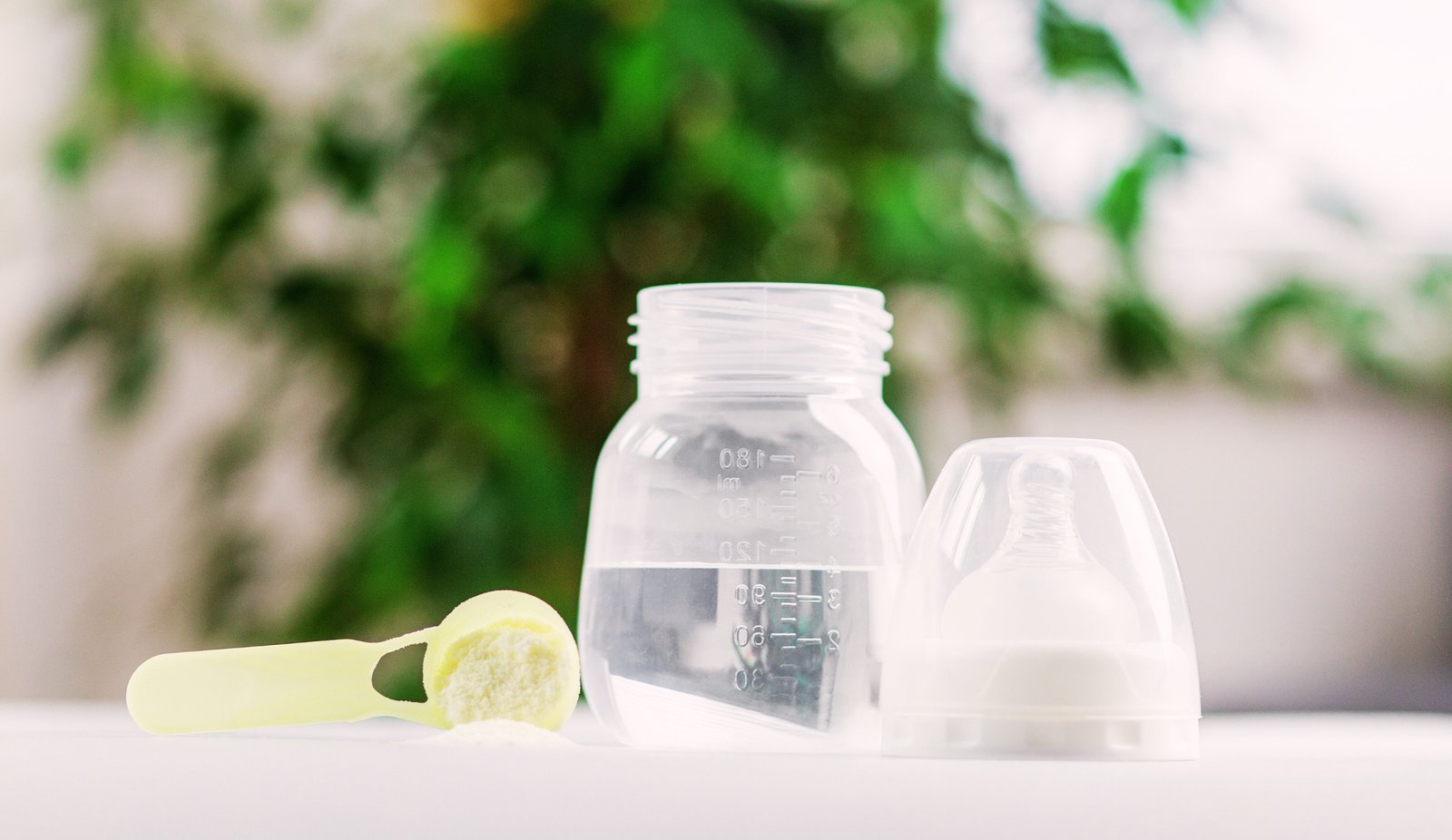
What Water to Use for Infant Formula often confuses new parents, and the stakes feel high. You want every bottle to be safe, clean, and perfect for your baby. So, what type of water truly suits your infant’s formula? Have you ever wondered if regular tap water works or if you need something more specialized?
You generally use safe tap water, filtered water, or bottled water with low mineral content for infant formula. Pediatric experts like Dr. Tanya Altmann note that clean drinking water, sometimes boiled depending on local guidance, supports proper mixing and digestion. You’ll discover the simple rules that help you choose the right option without second-guessing yourself.
Plenty of parents still face uncertainty, and that’s where deeper guidance helps. I’ll walk you through safety tips, expert opinions, and the small details that make a big difference. So, step in with confidence and explore the complete guide that clears every doubt about choosing the best water for your baby.
Choosing Water To Make Baby’s Formula
Before preparing formula, parents should understand that babies’ underdeveloped gastrointestinal and immune systems make them more vulnerable to contaminants commonly found in water.
These include bacteria, heavy metals, nitrates, and excessive levels of fluoride. The choice of water directly affects not only the safety of the bottle but also long-term health outcomes related to kidney development, mineral balance, and hydration.
The right water also helps ensure formula mixes properly, maintains its nutrient profile, and is easy on a baby’s digestive system.
Not all water sources—including tap, well, bottled, or filtered—have the same safety standards, and some require additional steps before they are suitable for babies. Knowing what to look for can eliminate guesswork and provide peace of mind every time you prepare a bottle.
What Water to Use for Infant Formula?
When determining the safest water for infant formula, your choices typically fall into the following categories:
1. Boiled Tap Water
For most families, the safest and easiest choice is tap water that has been boiled and cooled. Boiling neutralizes harmful microorganisms such as bacteria, parasites, and viruses. Health authorities worldwide recommend using boiled water for babies under three months, premature infants, and those with weakened immune systems.
2. Distilled Water
Distilled water is one of the purest options available because it undergoes a process that removes minerals, chemicals, and contaminants. It’s widely recommended for formula because it allows for precise nutrient measurement, which is especially important when using specialized formulas for premature infants or medical conditions.
3. Purified or Filtered Water
Many bottled waters labeled “purified,” “deionized,” or “reverse osmosis filtered” are safe for formula preparation. These undergo advanced filtration that eliminates contaminants found in municipal and well water. However, parents should ensure the water meets FDA standards for bottled drinking water.
4. Nursery Water (Fluoridated or Non-Fluoridated)
Some brands produce “nursery water,” which is marketed specifically for infants. These products are either distilled or purified and may contain added fluoride. While fluoridated water can help with early dental development, excessive fluoride may increase the risk of mild dental fluorosis, so moderation is key.
5. Well Water (Only With Testing and Boiling)
Well water can be safe only if the well is professionally tested regularly—at least yearly—for nitrates, bacteria, and heavy metals. Even with testing, boiling is mandatory for infants. Untreated well water is never recommended for formula due to the high risk of contamination.
How to Safely Prepare Baby Formula?
Safe preparation is just as important as choosing proper water. Follow these steps to ensure your baby’s formula is safe, clean, and nutritionally accurate:
1. Wash Your Hands Thoroughly
Always wash hands with soap and warm water before touching bottles, nipples, or formula containers.
2. Sterilize Bottles and Equipment
Infants are particularly sensitive to germs. Sterilize bottles, nipples, and rings by boiling them for at least 5 minutes or using a steam sterilizer.
3. Use Correct Water Temperature
If using powdered formula, water should be hot enough (at least 70°C / 158°F) to kill potential bacteria in the powder. After mixing, cool the bottle under running cold water or a bowl of cold water until it reaches feeding temperature.
4. Measure Formula Precisely
Always follow the manufacturer’s instructions. Adding too much water dilutes essential nutrients, while too little water can strain baby kidneys and digestive systems.
5. Store Prepared Formula Safely
Formula left out for over 2 hours must be discarded. Refrigerated formula should be used within 24 hours.
Can You Use Tap Water for Baby Formula?
Yes—tap water can be used, but certain precautions and local quality guidelines apply.
1. Boiling Is Usually Necessary
Even in countries with safe municipal water systems, boiling tap water remains the safest practice for infants under 6 months. This eliminates microbial risks that might persist despite treatment.
2. Check Your Local Water Report
In some areas, tap water may contain contaminants such as lead, nitrates, or high levels of fluoride. Annual water quality reports are usually available online or from your water provider.
3. Fluoride Considerations
Tap water may contain fluoride. While beneficial for dental health, using fluoridated water for every bottle may increase the risk of fluorosis. Many parents alternate with distilled or purified water for balance.
4. Avoid Hot Tap Water
Hot tap water can contain higher levels of lead or other metals leached from household plumbing. Always use cold tap water and boil it.
What Is Distilled Water and How Is It Made?
Distilled water is produced through a process called distillation, which involves:
- Boiling water to create steam
- Collecting the steam, leaving behind minerals and contaminants
- Condensing the steam back into pure water
This method removes:
- Heavy metals
- Bacteria and viruses
- Nitrates
- Minerals and salts
- Chemical residues
Because it is mineral-free, distilled water provides a predictable base for formula preparation. The powdered formula already contains the minerals your baby needs, so distilled water ensures you don’t accidentally overload your baby’s system with additional mineral content.
How To Prepare Water For Baby’s Formula?
The right preparation method depends on the type of water you use. Here are the safest guidelines:
1. For Tap Water
- Bring water to a rolling boil for at least 1 minute
- Allow it to cool to 70°C or 158°F before mixing formula
- Cool further before feeding
2. For Distilled or Purified Water
Distilled or purified water is safe without boiling, but many experts still recommend heating it to kill potential bacteria in powdered formula.
3. For Well Water
- Test annually for safety
- Always boil the water for at least 1 minute
- Avoid using if nitrate levels exceed safe limits (over 10 mg/L nitrates)
4. For Bottled Water
Check labels for:
- “Purified”
- “Distilled”
- “Reverse osmosis”
- “Deionized”
Avoid mineral-heavy waters, spring water high in sodium, or sparkling water.
When Can Babies Drink Water?
Babies should not drink plain water until around 6 months of age, unless advised otherwise by a healthcare provider. Before this age:
- Water can interfere with nutrient absorption
- Excess water can lead to water intoxication, a dangerous condition that dilutes sodium levels in the body
- Formula or breast milk already provides all hydration needs
After six months, small amounts of clean, safe drinking water can be introduced, especially with meals or during hot weather. However, formula should continue to be prepared exactly as directed, using the correct water-to-powder ratio.
Common Questions about What Water to Use with Infant Formula (FAQs)
What Water Should I Use for Formula?
For formula preparation, use safe water sources like distilled or low-fluoride bottled water. Always ensure the water is clean and let it cool before mixing with formula to avoid harming your baby’s health.
How to mix powder formula & water to prepare a bottle?
To mix powder formula and water, first measure the appropriate amount of water and add the formula. Shake gently until well blended. Ensure the mixture is at a comfortable temperature before feeding.
Can you use fluoridated water for baby formula?
It’s best to use low-fluoride bottled water for baby formula. Excess fluoride can lead to dental issues in infants. Check your water source and consult a pediatrician for specific recommendations regarding fluoride levels.
When to add water & how much to use?
Add water to the formula according to the manufacturer’s instructions. Typically, this involves mixing equal parts of concentrated liquid formula with the recommended amount of water. Follow specific guidelines for accurate preparation.
Is fluoridated water safe for baby formula?
Fluoridated water is generally not recommended for baby formula due to potential dental concerns. It’s safer to use low-fluoride bottled water or purified water to avoid excessive fluoride exposure for your infant.
What kind of water should I use for infant formula?
For infant formula, it’s best to use safe water. The American Academy of Pediatrics recommends using clean, boiled tap water or distilled water to ensure safety and prevent potential contaminants for your baby.
Can I use tap water to make baby formula?
Yes, you can use tap water to mix formula. However, it should be boiled first to eliminate any harmful bacteria and then cooled before adding it to the formula. Always check with your local water supply for safety.
Is distilled water safe for mixing baby formula?
Using distilled water is a safe option for preparing infant formula. It is free from impurities and contaminants. Parents should ensure the water is at room temperature before adding it to the formula powder.
What should I do if my baby is younger than 2 months?
If your baby is younger than 2 months, it’s crucial to use boiled water for mixing formula. This ensures that any harmful bacteria are eliminated, providing a safer feeding option for your infant.
Can I use bottled water for baby formula?
You can use bottled water for formula, but ensure it is low-fluoride bottled water. Additionally, always check that it meets safety standards suitable for infants to avoid any harmful effects on your baby.
How do I prepare infant formula safely?
To safely prepare baby formula, start with clean water, such as boiled tap or distilled water. Follow the instructions on the formula packaging for the correct amount of powdered formula and mix thoroughly before feeding.
What if I want to use water from a safe source?
If you prefer using water from a safe source, ensure it is filtered or bottled water that meets safety guidelines. Always opt for water that is free from contaminants to ensure the well-being of your baby.
Conclusion
Knowing what water to use for infant formula is essential for your baby’s safety and healthy development. Boiled tap water, distilled water, and properly purified bottled water all provide safe, reliable options. Avoid untreated well water, mineral-rich bottled water, and any source that hasn’t been confirmed safe. By boiling water when necessary, following correct preparation techniques, and monitoring water quality, you can confidently nourish your baby with every bottle.
Safe preparation isn’t complicated—it’s simply about understanding the options and following best practices. With the right water and a little care, you’re giving your baby the healthiest possible start.
Recommended posts
- Best Formula Milk for Constipation: The Top Formula Choice
- When Was Infant Formula Invented: A Look Into Its History
- Stop Guessing! Here’s How Much Infant Formula to Feed
- How Long Can Baby Formula Sit Out After Being Warmed?
- Can You Use Bottled Water for Newborn Formula (Safety Guide)
- Is Infant Formula Distilled Water The Best Choice or Not?
- Can Infants Drink Distilled Water? (Safe or a Big No-No?)

