

Searching for the right infant formula for lactose intolerance and wondering which option actually keeps your baby comfortable? Many parents feel stressed when gas, bloating, or fussiness show up after feeding. Have you ever questioned whether a gentle, low-lactose formula could finally bring your little one relief?
Lactose-intolerant infants often do well with formulas that break down lactose or replace it with easily digestible carbs. Pediatric nutrition experts like Dr. Tanya Altmann explain that specialized formulas—such as lactose-free or reduced-lactose blends—support smoother digestion and fewer tummy issues. This article highlights top formulas, compares their key ingredients, and explains why they work for sensitive babies.
You’ll discover trusted options, expert opinions, and helpful parent insights that simplify your choice. Many great formulas go beyond the usual recommendations, and one might fit your baby’s needs perfectly. So let’s dive into the full guide and find the formula that brings comfort back to feeding time.
Fussiness and Baby Gas: Normal and Manageable
Every baby experiences some degree of gas and fussiness as their digestive system matures. Small tummies and developing enzymes can make it challenging to break down the carbohydrates, fats, and proteins found in breast milk and formula. Because the gastrointestinal tract is still learning to process food efficiently, babies may exhibit:
- Excessive burping
- Frequent crying shortly after feeds
- Pulling their legs toward the belly
- Spitting up or mild reflux
While these symptoms are often normal, certain babies consistently struggle with digesting the lactose present in regular dairy-based formulas. This lactose sensitivity is not the same as lactose intolerance in adults but can mimic the discomfort. Pediatricians typically assess the baby’s overall feeding pattern, growth rate, stool consistency, and symptom frequency before suggesting alternative formulas.
The reassuring news is that most feeding discomforts are manageable. Simple methods—burping during feeds, using slow-flow nipples, or spacing out feeding sessions—can alleviate symptoms. If symptoms persist, however, a lactose-reduced or lactose-free formula may offer a gentler option.
Why Choose Organic Lactose-Free Formula?
Organic lactose-free formulas appeal to many parents for the same reasons that organic foods have grown in popularity—they minimize exposure to synthetic pesticides, GMOs, and artificial hormones. In the baby nutrition industry, “organic” means the ingredients meet strict certification standards, ensuring that the formula is produced without commonly used agricultural chemicals or genetically engineered crops.
Organic lactose-free formulas often feature:
- High-quality carbohydrate sources: Many are made with corn syrup solids, organic glucose syrup, or other non-lactose carbohydrates that still supply energy.
- Premium fat blends: These may include DHA/ARA, palm-free oils, or essential fatty acids that are vital for brain and eye development.
- European-style standards: Some brands follow EU-influenced nutritional benchmarks, which often prohibit certain additives and require higher essential fatty acid levels.
Parents who choose organic formulas typically prioritize overall ingredient purity alongside digestive ease. Babies with delicate stomachs may benefit from formulas that avoid unnecessary additives or harsh processing methods. Organic lactose-free formulas can therefore offer a balance of nutritional completeness and stomach-friendly performance.
Popular in Baby Formula Lactose Foods
Within the broader market of lactose-reduced and lactose-free infant feeding options, specific formula types have gained popularity for their consistent results and pediatrician approval. These include hydrolyzed proteins, which are broken down into smaller, easier-to-digest components, and formulas fortified with prebiotics or probiotics to support gut health.
Parents often explore several categories before finding the right fit:
- Gentle formulas: Reduced lactose or partially hydrolyzed milk proteins.
- Sensitive formulas: Designed specifically for babies with gas, fussiness, or mild digestive discomfort.
- Hypoallergenic formulas: Extensively hydrolyzed or amino-acid formulas for severe protein sensitivities or allergies.
- Organic options: For families prioritizing both digestive ease and clean ingredients.
Within this landscape, many families discover that a specialized product suited to their baby’s unique digestive profile provides significant relief and improved feeding experiences.
TOP Infant Formula for Lactose Intolerance
Below is a curated list of leading formulas designed to support lactose-sensitive infants. Each option is well-known for its digestibility, nutritional profile, and performance in easing discomfort.
– Enfamil Gentlease Easy to Digest Lactose Free Formula
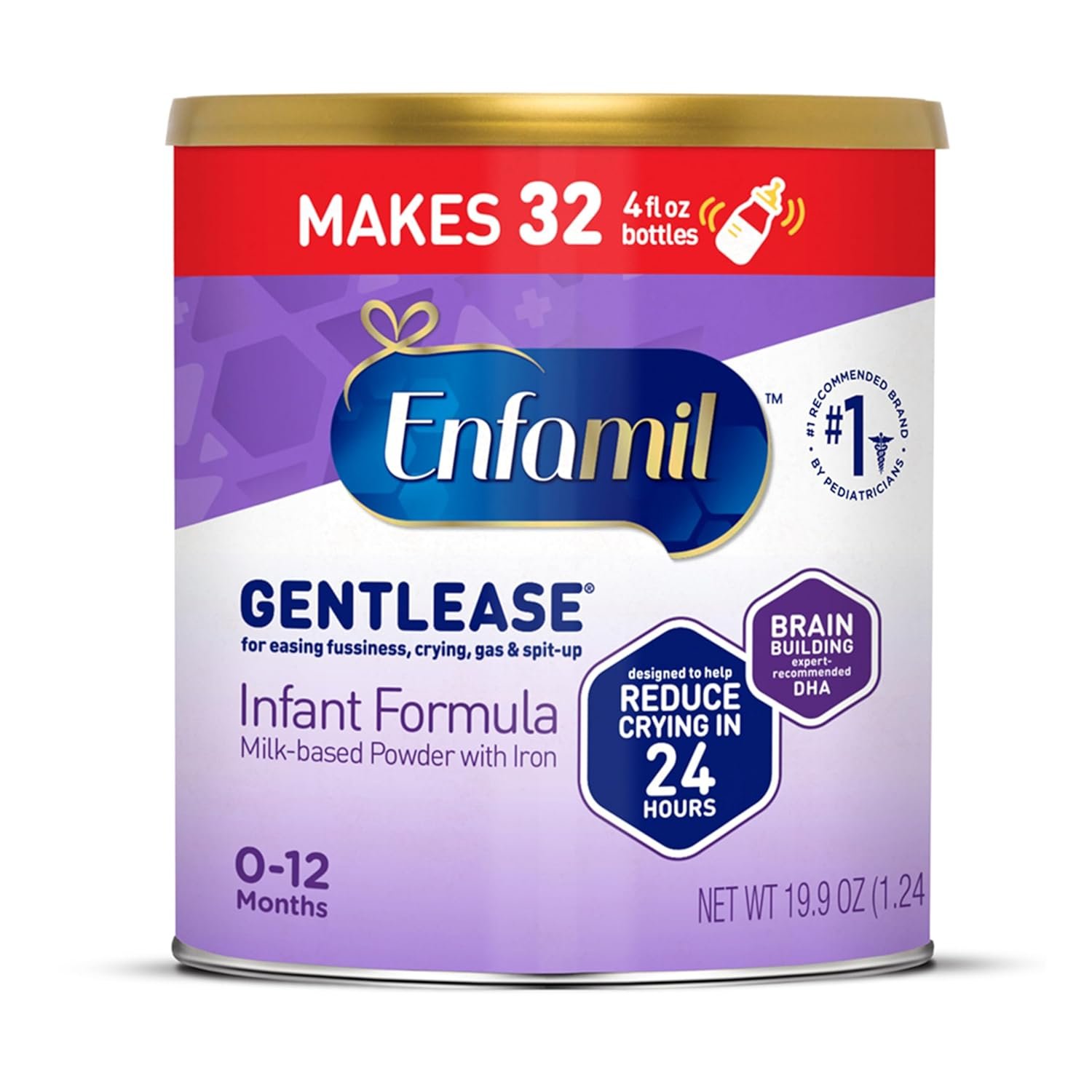
Enfamil Gentlease is one of the most recommended options for babies with fussiness linked to digestive sensitivity. The formula uses partially hydrolyzed proteins, which are broken down to be easier on tiny stomachs. Its gentle carbohydrate system reduces overall lactose content, supporting improved comfort and fewer gas-induced episodes. With added DHA and choline, it also aligns with brain development milestones.
– Similac Alimentum With 2′-FL HMO

Similac Alimentum is designed for babies who experience more than mild digestive sensitivity, especially those with suspected cow’s-milk protein sensitivity. The extensively hydrolyzed proteins are tiny enough to minimize reaction potential. What sets this formula apart is its inclusion of 2′-FL HMO, a human milk oligosaccharide that supports immune health and promotes stronger gut integrity. Many families find that Alimentum reduces colic-like symptoms within days.
– Earth’s Best Organic Sensitive Baby Formula
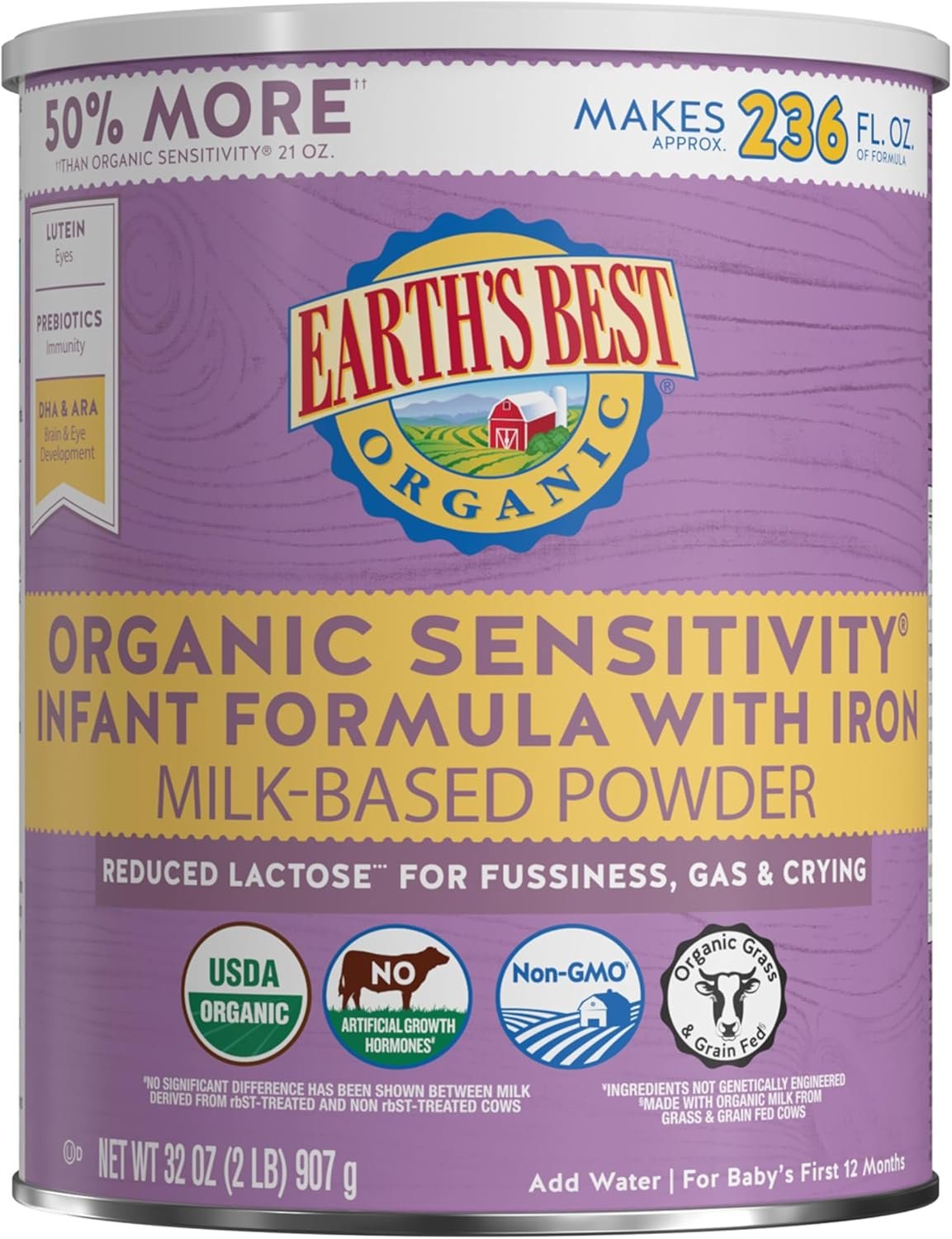
Earth’s Best Organic Sensitive is a popular choice among parents looking for organic formulas that remain gentle. Designed specifically with reduced lactose levels, it supports easier digestion while maintaining organic certification standards. The formula includes essential fatty acids, omega-3 DHA, and lutein to support vision and brain development. Its organic ingredients appeal to families who value clean nutrition without compromising digestibility.
– Patented Protein Blend: ByHeart Infant Formula Powder for Infants
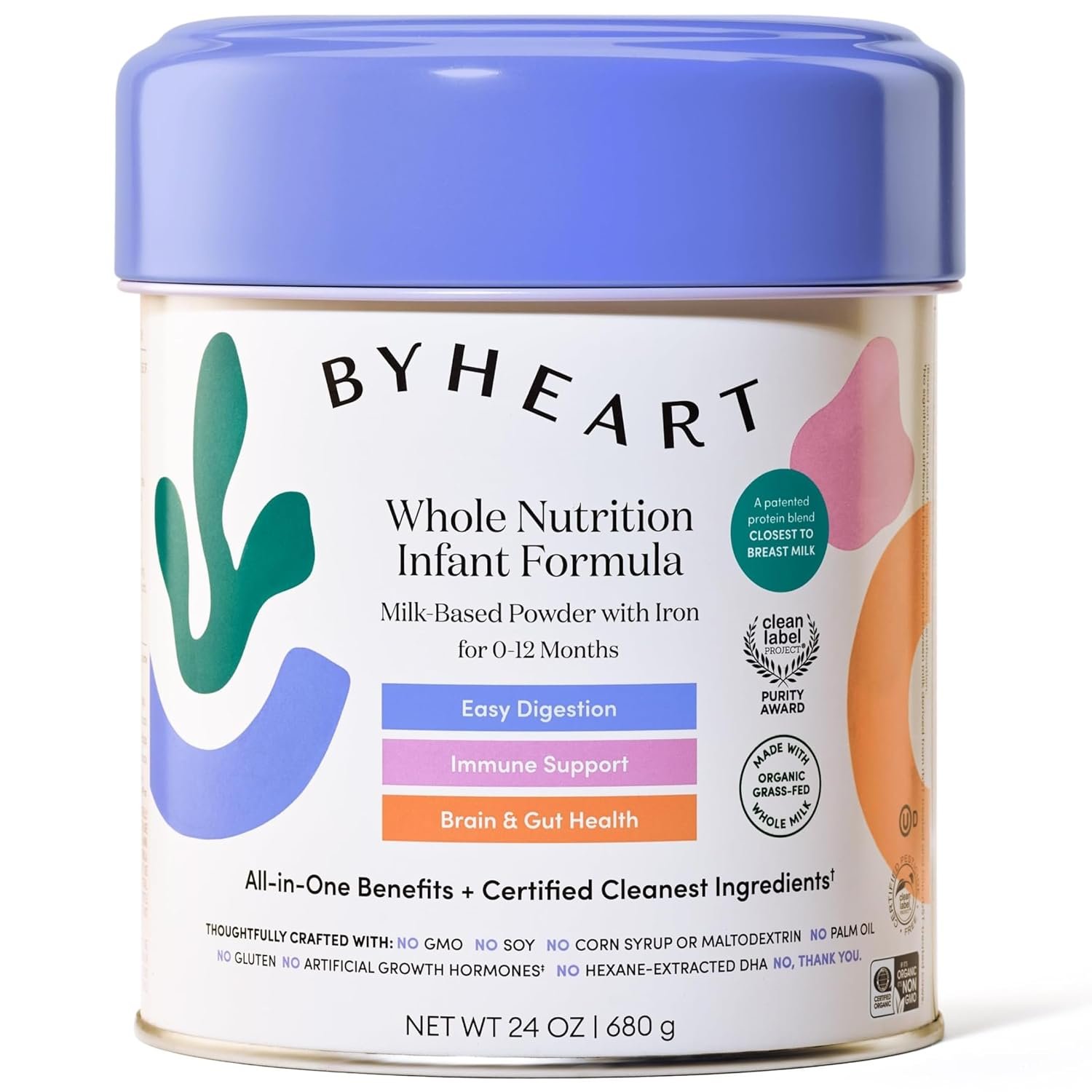
ByHeart has gained significant attention because of its proprietary protein blend, modeled closely after breast milk. The partially hydrolyzed whey proteins paired with organic, high-quality ingredients allow it to support digestion effectively. ByHeart formulas avoid many controversial additives, focusing instead on whole-milk fats and gentle processing. Although not specifically labeled lactose-free, the formula is known for being exceptionally tolerable for many sensitive infants.
Our Pick: Best Organic Lactose-Free Formulas
Organic lactose-free formulas occupy a unique space in infant nutrition, combining wholesome ingredient sourcing with gentle digestive performance. Many parents prefer these formulas because they avoid unnecessary synthetic components while delivering complete nutrition.
When selecting the best organic lactose-free formula, parents may consider:
- Carbohydrate sources: Non-lactose options like organic corn syrup solids, maltodextrin, or glucose syrup.
- Fat blends: DHA/ARA inclusion, avoidance of palm oil, and use of milk fats.
- Protein form: Whether the formula uses intact, partially hydrolyzed, or extensively hydrolyzed proteins.
- Certifications: USDA Organic, EU Organic, and non-GMO labels.
- Baby’s specific symptoms: Gas, reflux, bowel irregularity, or suspected protein sensitivity.
Because every infant responds differently, the “best” formula is often the one that brings noticeable relief while ensuring healthy weight gain and comfortable digestion. Parents who prioritize organic nutrition while managing lactose sensitivity often find their ideal solution after testing a small selection of top-rated products.
Within the broader field of options, some families also explore alternatives such as infant formula for lactose intolerance, seeking a product that addresses both nutritional needs and digestive fragility without overwhelming the baby’s system.
Formula Options for Kids with Food Allergies
Food allergies in infants—especially cow’s-milk protein allergies—require targeted solutions. Lactose-free formulas alone are not always sufficient for infants with true allergies, as allergies relate to proteins, not sugars. Still, lactose-free formulas can alleviate symptoms for babies who experience digestive discomfort not caused by protein reactions.
Parents dealing with more complex feeding concerns may explore:
Extensively Hydrolyzed Formulas (EHF)
These formulas break milk proteins into small peptides to reduce allergenic potential. They are often recommended when infants exhibit moderate to severe sensitivity, eczema, or prolonged digestive issues.
Amino Acid-Based Formulas (AAF)
For infants who cannot tolerate hydrolyzed proteins, amino acid-based formulas provide nutrition entirely free of intact proteins. They are the gold standard for severe allergies or multiple food sensitivities.
Partial Sensitivities and Mild Intolerance
Some infants simply benefit from formulas that adjust specific ingredients rather than removing entire categories. For example, families dealing with mild lactose sensitivity might occasionally supplement with a suitable alternative, such as lactose free milk for infants, when transitioning between feeding stages.
Parents facing these situations should rely on pediatric guidance, especially in cases involving poor weight gain, blood in stool, or chronic discomfort. Selecting the right formula can make a profound difference in both daily comfort and long-term nutritional outcomes.
Babies with sensitivities may also require gentle alternatives during the newborn phase, such as lactose free milk for newborn, if their digestive systems need additional support early on.
Commonly Asked Qustions about Infant Formula Lactose Intolerance (FAQs)
What is lactose intolerance in infants?
Lactose intolerance in infants occurs when a baby’s digestive system lacks the enzyme lactase, which is necessary to break down lactose, the sugar found in milk. This can lead to symptoms like fussiness, gas, and tummy discomfort after consuming milk-based formulas or breast milk.
What are the signs of lactose intolerance in babies?
Signs of lactose intolerance in babies include excessive crying, bloating, gas, diarrhea, and discomfort after feeding. If your baby shows these symptoms consistently after consuming dairy products, it may indicate lactose sensitivity.
What types of infant formula are suitable for lactose intolerant babies?
Infant formulas that are lactose-free or reduced lactose are excellent options for lactose intolerant babies. Brands like Enfamil and Similac offer various lactose-free formulas that provide complete nutrition without the discomfort associated with lactose.
Can babies with lactose intolerance use soy-based formulas?
Yes, soy-based formulas are a common alternative for lactose intolerant infants. These formulas do not contain lactose and can be easier for sensitive tummies to digest. However, it’s important to consult with a pediatrician before switching formulas.
What is a hypoallergenic formula?
A hypoallergenic formula is designed for infants with allergies or sensitivities to cow’s milk protein. These formulas are extensively hydrolyzed to break down proteins, making them easier to digest and less likely to trigger allergic reactions.
Are there plant-based formula options available for sensitive babies?
Yes, there are plant-based formula options available for sensitive babies, including those with lactose intolerance. These formulas typically use soy or other plant proteins and are free from dairy, making them suitable for babies with milk allergies.
How do I choose the right formula for my lactose intolerant baby?
Choosing the right formula for a lactose intolerant baby involves looking for lactose-free or reduced lactose formulas. Check for added DHA for brain development and prebiotics for improved digestion. Always consult your pediatrician for personalized recommendations.
What should I know about ready-to-feed baby formulas?
Ready-to-feed baby formulas offer convenience for parents, providing a prepared option that requires no mixing. Many brands offer lactose-free varieties, ensuring that lactose intolerant infants receive the nutrition they need without the risk of digestive discomfort.
Is breast milk always the best option for infants?
While breast milk is often considered the gold standard for infant nutrition due to its complete nutritional profile, some babies may be lactose intolerant or have allergies, making it necessary to explore alternative formulas. Consulting with a healthcare professional can help determine the best feeding approach.
Conclusion
Feeding a baby who struggles with digestion can be overwhelming, but today’s formula options make it easier for parents to deliver targeted support tailored to their child’s needs. Whether addressing temporary digestive sensitivities or seeking a more specialized option, families have access to formulas designed to reduce discomfort, support healthy growth, and promote calmer, happier feeding experiences.
The key is choosing a formula that aligns with the baby’s symptoms, nutritional needs, and family values—whether organic ingredients, digestive gentleness, or clinically tested hypoallergenic blends are the priority. Many parents find success with sensitive or lactose-free formulas such as baby formula for lactose intolerance or specialized blends of infant formula lactose intolerance, which are crafted to ease digestive strain.
By understanding the differences between formula types and paying close attention to a baby’s responses, parents can make informed decisions that lead to smoother feeds, reduced fussiness, and healthier development. With the right formula, feeding without fuss isn’t just possible—it becomes the new normal.
Recommended posts
- Infant Formula Milk for Reflux: Safe Feeding Solutions for Babies
- Choosing the Best Hypoallergenic Infant Formula (Exclusive)
- When Was Infant Formula Invented: A Look Into Its History
- How Often Should a Newborn Feed on Formula? Perfect Schedule
- Safest Ways for Switching Infant Formula (Best Practices)
- Exclusive Feeding Schedule for Newborn on Formula (Age-by-Age)

