
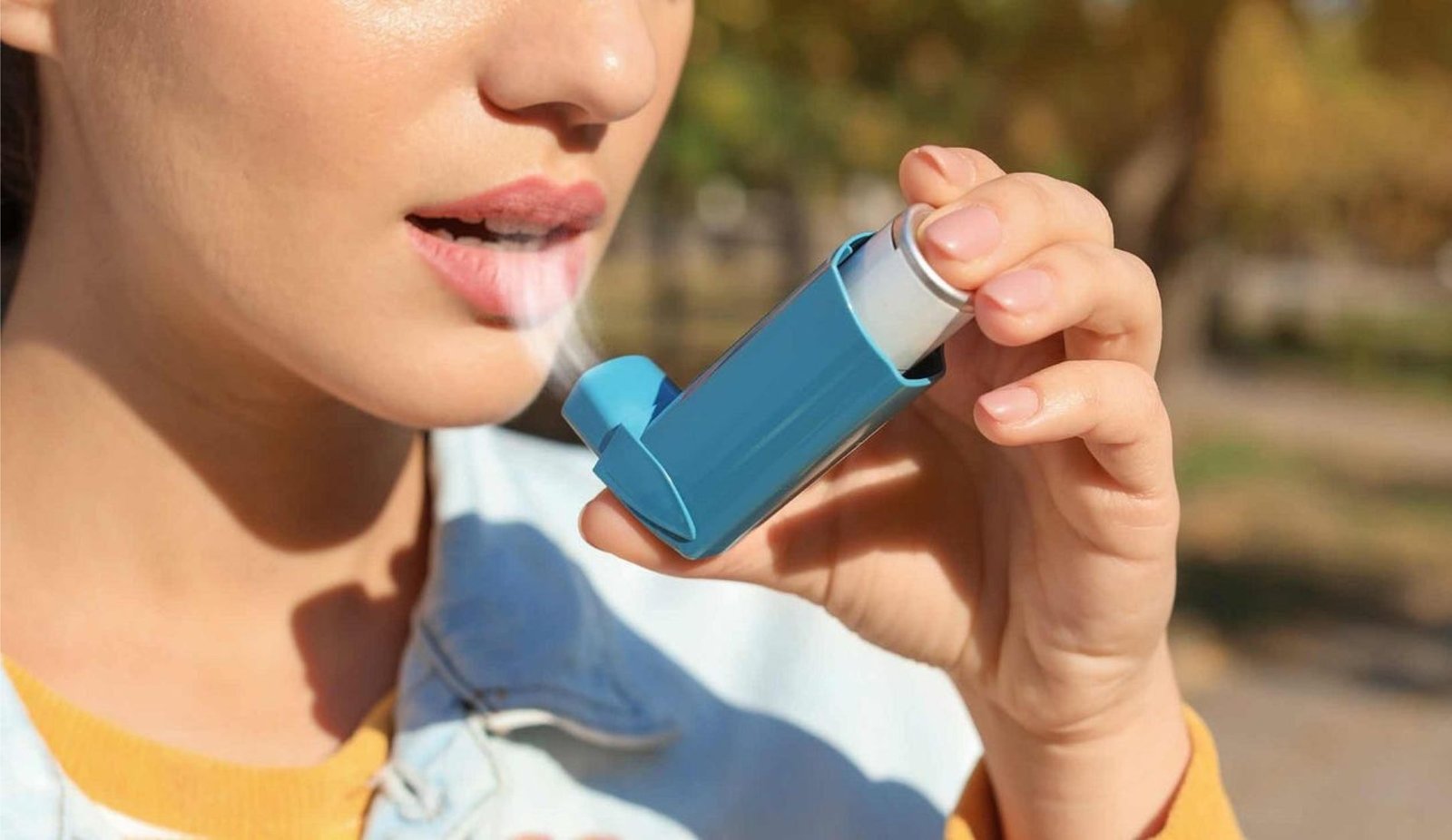
Have you ever wondered what happens if someone without asthma uses an inhaler? Some people believe it can boost breathing performance or relieve occasional shortness of breath, but is that really true? Understanding how inhalers work helps reveal why they’re not meant for everyone. so, what does an inhaler do for someone without asthma?
Inhalers deliver medication that relaxes airway muscles, reducing inflammation and opening the lungs for easier breathing. For someone without asthma, these medicines—especially bronchodilators—can cause side effects like rapid heartbeat, jitteriness, or even breathing irregularities. In this article, we’ll explain how inhalers function, why they’re prescribed, and what risks they pose to non-asthmatic users.
Dr. Samantha Walker, the Director of Research at Asthma + Lung UK, warns that “using an inhaler without medical need can do more harm than good.” Curious about why this happens and how these medications truly affect the lungs?
Keep reading as we uncover the science behind inhalers and why they should only be used under proper medical guidance.
Is it Safe to Use an Inhaler if I Don’t Have Asthma?
The straightforward answer is no, it is not safe to use an inhaler if you don’t have asthma or a related respiratory disorder. Inhalers are not general breathing aids; they are targeted medications meant to reduce inflammation, open constricted airways, and manage chronic symptoms of respiratory diseases such as asthma or chronic obstructive pulmonary disease (COPD).
There are two main types of inhalers:
- Reliever (Rescue) Inhalers: These contain fast-acting bronchodilators, such as albuterol (salbutamol), which relax the muscles around the airways to provide quick relief from acute asthma attacks or shortness of breath.
- Controller (Preventer) Inhalers: These deliver corticosteroids or combination drugs that reduce airway inflammation and prevent long-term asthma symptoms.
When someone without asthma uses these medications, the body reacts differently. The airways of a healthy person are not constricted or inflamed, so forcing them to expand artificially can disrupt normal breathing patterns and cardiovascular balance.
Possible Side Effects of Using an Inhaler Without Asthma
Using an inhaler without medical need can lead to various unwanted side effects, including:
- Increased heart rate and palpitations: Fast-acting bronchodilators can stimulate beta receptors in the heart, causing tachycardia or irregular heartbeat.
- Shakiness and muscle tremors: Overstimulation of the nervous system can result in jitteriness and fine tremors, especially in the hands.
- Headaches and dizziness: These occur as the blood vessels respond to changes in oxygen and airflow.
- Dry mouth and throat irritation: The propellant and medication particles may dry out mucous membranes.
- Nausea or anxiety: Overuse or improper use can affect the central nervous system and induce feelings of unease.
Why Doctors Don’t Recommend It
Doctors prescribe inhalers after diagnosing a respiratory condition through lung function tests, medical history, and sometimes imaging.
When used without supervision, an inhaler can mask underlying issues such as allergies, anxiety-induced shortness of breath, or even early heart disease. Rather than self-medicating, individuals should seek a proper evaluation to determine the cause of breathing difficulties.
Furthermore, frequent or unnecessary inhaler use can cause tolerance or dependency—your body may become accustomed to the medication, making it less effective if you ever truly need it for a legitimate medical reason.
What Does an Inhaler Do for Someone Without Asthma?
So, What Does an Inhaler Do to Someone Without Asthma? To answer this thoroughly, let’s look at how inhalers function at the physiological level.
The Role of Bronchodilators Inhalers work primarily by delivering medication directly into the lungs, where it can act almost immediately. Bronchodilators—the active ingredient in most rescue inhalers—target receptors in the airway muscles (specifically, beta-2 adrenergic receptors). This causes the smooth muscles to relax, resulting in wider airways and improved airflow.
For a person with asthma, whose airways are inflamed or narrowed, this brings quick relief and makes breathing easier. However, for someone without asthma, the airways are already open and functioning normally. Therefore, using a bronchodilator in such a case can lead to overexpansion of the airways and physiological side effects, rather than any meaningful benefit.
Impact on the Cardiovascular and Nervous System
Inhalers can influence other systems in the body beyond the lungs. The medication can enter the bloodstream and interact with receptors in the heart and muscles, leading to increased heart rate, jitteriness, and nervousness. This is particularly risky for individuals with underlying heart conditions, as it can trigger arrhythmias or chest discomfort.
False Perception of Benefit
Some people mistakenly believe that using an inhaler will help them perform better in sports or relieve temporary shortness of breath caused by anxiety or exertion. In reality, the sensation of improved breathing is often psychological rather than physiological. If you feel out of breath, it’s important to determine why—whether due to lack of fitness, stress, or another medical issue—rather than turning to prescription medications designed for a different purpose.
Misuse and Long-Term Consequences
Long-term misuse of inhalers without medical supervision can lead to drug tolerance, meaning the body becomes less responsive to the medication over time. In severe cases, habitual misuse can cause rebound bronchoconstriction, where the airways become more sensitive and prone to narrowing after the medication wears off.
Inhaled corticosteroids, used in controller inhalers, carry additional risks when misused. These include oral thrush, voice hoarseness, and weakened immune response in the airways. For someone without chronic airway inflammation, corticosteroids can do more harm than good by suppressing the body’s natural defenses.
Can I Use an Inhaler for COPD?
COPD, or Chronic Obstructive Pulmonary Disease, is a long-term condition characterized by airway obstruction and reduced airflow, typically caused by smoking or long-term exposure to pollutants. While asthma and COPD share similar symptoms—such as shortness of breath and wheezing—they are distinct diseases requiring specific diagnosis and management.
You should never use an inhaler for COPD unless it has been prescribed after proper evaluation. Many inhalers contain drugs tailored for specific airway patterns seen in asthma, which may not be suitable or effective for COPD patients.
Why Proper Diagnosis Matters
Doctors diagnose COPD through spirometry and imaging to measure how much air the lungs can hold and how quickly air can be expelled. The medication and inhaler type are selected based on these results.
Some COPD patients benefit from long-acting bronchodilators or combination inhalers containing both bronchodilators and corticosteroids, but these are prescribed with caution and close follow-up.
Using an asthma inhaler without COPD or asthma may not only fail to help but could potentially worsen respiratory efficiency by altering normal airway responsiveness.
The Risk of Self-Medication
Because inhalers are often associated with “helping breathing,” some individuals mistakenly use them for temporary shortness of breath caused by other factors—like anxiety, panic attacks, or poor physical conditioning.
This can be dangerous. If the underlying cause is not addressed, symptoms may persist or worsen, leading to unnecessary drug exposure and potential health risks.
If you experience unexplained shortness of breath, it’s best to consult a pulmonologist or healthcare provider rather than self-treat. You may need a thorough lung evaluation, heart assessment, or allergy testing to determine the root cause.
Commonly Asked Questions about Using Medicine for Asthma Attacks (FAQs)
What happens if I use my reliever inhaler too often?
Using your inhaler too often can lead to decreased effectiveness, increased asthma symptoms, and potential side effects. Over-reliance may indicate poorly controlled asthma, requiring a review of your asthma management plan with a healthcare provider.
Why do some inhalers contain steroids?
Some inhalers contain steroids to reduce inflammation in the airways, helping to prevent asthma symptoms and flare-ups. Steroids act as long-term control medications, making asthma management more effective and improving overall lung function for individuals with asthma.
What if I forget to take my steroid preventer inhaler?
If you forget to take your steroid preventer inhaler, take it as soon as you remember. However, if it’s close to your next dose, skip the missed dose and continue with your regular schedule. Consult your doctor for further advice.
What are albuterol inhalers used for?
Albuterol inhalers are bronchodilators used for quick relief of asthma symptoms. They open airways, making it easier to breathe during an asthma attack or when experiencing exercise-induced bronchoconstriction, providing fast-acting relief for individuals with asthma.
Are there any possible side effects of inhalers?
Yes, inhalers can have possible side effects, including increased heart rate, nervousness, and throat irritation. Steroid inhalers may cause oral thrush or hoarseness. It’s essential to discuss any concerns with your healthcare provider for appropriate management.
What does an inhaler do for someone without asthma?
An inhaler delivers medication directly to the lungs, which can help open the airways. For someone without asthma, using an inhaler may not provide the intended benefits since the medication is specifically designed to relieve asthma symptoms or prevent asthma attacks. However, in certain situations, such as acute bronchitis or other respiratory conditions, it may provide temporary relief in breathing difficulties.
Can someone without asthma get a prescription for an inhaler?
Yes, a healthcare provider can prescribe an inhaler for someone without asthma if they believe it’s appropriate for treating other conditions that affect breathing. A GP or nurse may evaluate the individual’s symptoms and determine if an inhaler, such as a reliever inhaler or a steroid inhaler, is necessary.
Are there risks of using an inhaler without needing it for asthma?
Using an inhaler without a medical need can pose risks. Possible side effects may include increased heart rate, jitteriness, or other cardiovascular effects, especially with medications like albuterol. It’s important to use an inhaler properly and only under the guidance of a healthcare professional.
How do inhalers help with breathing difficulties?
Inhalers help manage breathing difficulties by delivering medication that opens the airways, making it easier to breathe. This is particularly effective for conditions like asthma or COPD, where airway constriction is a primary concern. However, for someone without these conditions, the effectiveness and necessity of inhalers may be limited.
What are the different types of inhalers available?
There are various types of inhalers, including metered dose inhalers (MDIs), dry powder inhalers, and soft mist inhalers. Each type delivers medication in different ways, and the choice of inhaler might depend on the patient’s specific needs and ability to use inhalers correctly.
How can someone use their inhaler correctly?
To use an inhaler correctly, it’s important to follow the instructions provided by a healthcare professional. This may involve shaking the inhaler, using a spacer, and taking a slow, deep breath while pressing the inhaler. Proper technique ensures that the medication reaches the lungs effectively to help manage symptoms.
Can inhalers prevent asthma attacks in individuals without asthma?
Inhalers are designed to prevent asthma attacks by controlling symptoms and opening the airways in asthmatic individuals. For those without asthma, while inhalers may not prevent asthma attacks, they could assist in alleviating specific respiratory symptoms caused by other conditions, but this should always be approached cautiously and under medical supervision.
How many puffs off of an inhaler is too many?
The number of doses or puffs you take daily depends on your specific asthma treatment plan. Typically, reliever inhalers are used as needed, while controller inhalers may require 1-2 puffs twice daily. Always follow your healthcare provider’s recommendations for your situation.
Conclusion
Using an inhaler when you do not have asthma or COPD is not recommended and can be unsafe. These prescription devices are designed to target airway inflammation and constriction in chronic respiratory diseases—not to improve breathing in healthy individuals.
While inhalers may temporarily open up airways, for someone without asthma this can cause side effects such as rapid heartbeat, tremors, dizziness, and anxiety. Misusing an inhaler may also mask more serious health issues that require medical evaluation.
Understanding What Does an Inhaler Do for Someone Without Asthma helps emphasize why these medications should only be used under professional supervision. Breathing problems should always be evaluated by a doctor to determine the correct diagnosis and treatment.
If you feel breathless, fatigued, or have recurrent respiratory discomfort, consult a qualified healthcare provider. They can perform tests to identify whether asthma, COPD, anxiety, or another condition is responsible—and prescribe the appropriate therapy. Self-medicating with an inhaler might seem harmless, but in reality, it can do more harm than good.
Recommended posts
- How to Relieve Asthma Without Inhaler Safely and Effectively
- Can Childhood Asthma Be Outgrown: (What Science Say?)

