
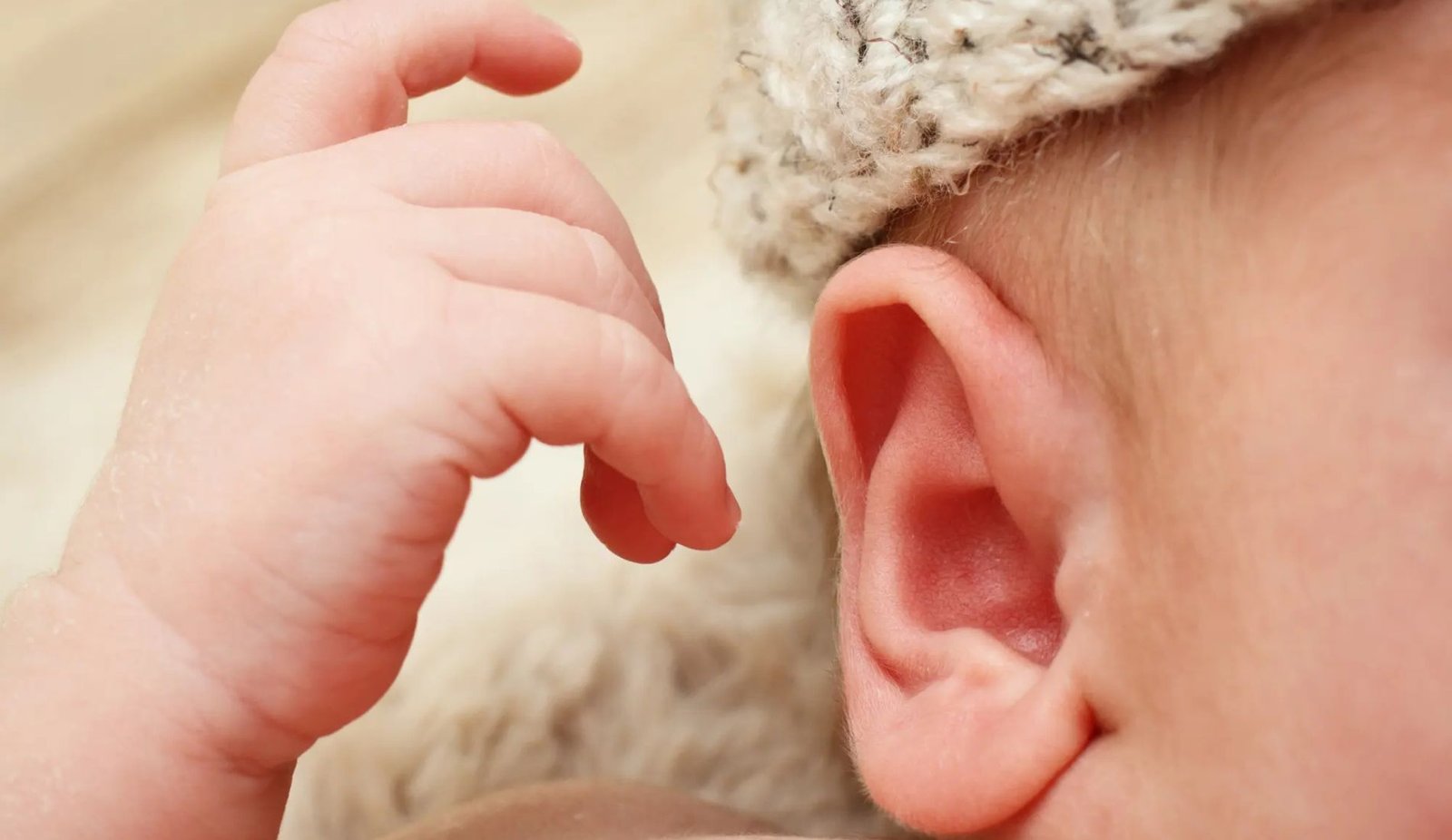
Have you ever noticed fluid or discharge coming from your baby’s ear and wondered what’s going on? Infant ear discharge can be worrying, especially when your little one seems fussy or unwell. Is it just wax, or could it be a sign of an infection? Understanding what causes ear discharge in infants is key to ensuring your baby’s ear health.
Ear discharge in babies, also called otorrhea, can result from infections, a ruptured eardrum, or a buildup of earwax mixed with fluid. The color and consistency of the discharge often reveal the underlying issue. In this article, we’ll discuss the main causes, warning signs, and when to see a doctor for infant ear infection drainage.
According to Dr. Laura Garcia, a pediatric ENT specialist, identifying the cause early can prevent hearing problems and chronic infections. So, stay with us as we explore what your baby’s ear discharge really means and how to manage it safely with expert-backed guidance. Your baby’s comfort and hearing depend on it!
Is It Normal for Babies’ Ears to Drain?
A small amount of infant ear drainage can sometimes be normal. Babies produce earwax just like adults, and occasionally, infant ear wax discharge may naturally exit the ear canal. This waxy substance protects the inner ear by trapping dust, debris, and microorganisms.
However, continuous or excessive fluid—especially if it’s cloudy, bloody, or has an unpleasant odor—may indicate an infant ear infection drainage. Unlike typical wax, infection-related discharge often results from an inflammation of the middle ear (otitis media) or a ruptured eardrum. The fluid might appear yellow or green and could be accompanied by fever, irritability, or hearing changes.
Parents should distinguish between normal wax and abnormal fluid. Newborn ear wax discharge is usually light yellow or orange and sticky, while discharge from infection tends to be watery or pus-like. If the fluid is persistent, consult a pediatrician to ensure your baby’s ears remain healthy.
Common Causes of Normal Ear Drainage
- Ear Wax: A certain amount of ear wax is normal and helps protect the ear canal. Newborn ear wax discharge is typically clear and minimal.
- Water Exposure: Sometimes, water can enter the ear during bath time, leading to temporary drainage.
While some discharge is normal, it’s essential to monitor the situation closely.
Why Is Mucus Coming Out of My Baby’s Ear?
Mucus or other types of discharge from a baby’s ear can often be a sign of an infection. Infant ear infection drainage typically presents as yellow or green discharge, which can be accompanied by other symptoms like crying, tugging at the ear, or fever.
Possible Causes of Mucus Discharge
- Ear Infections: One of the most common causes of mucus drainage is an ear infection, which can occur due to bacteria or viruses.
- Allergies: Allergic reactions can lead to fluid accumulation in the ear, resulting in mucus discharge.
- Sinus Infections: In some cases, sinus infections can cause mucus to drain into the ears, leading to discharge.
If you notice mucus coming from your baby’s ear, it’s essential to evaluate other symptoms to determine the severity of the situation.
Infant Ear Discharge: From Infections to Safe Home Care Tips
Understanding the types of infant ear drainage can help guide parents in providing appropriate care. Here are some common types of discharge and their implications:
Types of Ear Discharge
- Clear Discharge: Often harmless, this can occur from water exposure or natural ear wax.
- Cloudy or Yellow Discharge: This might suggest an ear infection, especially if accompanied by other symptoms.
- Foul-Smelling Discharge: This can be a sign of a more serious infection that requires medical evaluation.
Home Care Tips
- Keep the Ears Dry: Avoid getting water in the ears during baths. You can use a soft towel to gently pat the outer ear dry.
- Monitor Symptoms: Keep an eye on your baby for any signs of discomfort or additional symptoms, such as fever or irritability.
- Consult a Pediatrician: If the discharge persists or worsens, seek medical advice.
By following these tips, parents can ensure their baby’s comfort while monitoring for any potential issues.
Should You Be Concerned About Ear Discharge?
While some ear discharge can be normal, parents should be vigilant about changes in their child’s condition. If the discharge is persistent or accompanied by other symptoms, it may be time to consult a medical professional.
Warning Signs to Look For
- Persistent Discharge: If the discharge continues for more than a day or two, it may indicate an infection.
- Fever: A high fever in conjunction with ear discharge can be a sign of a more serious underlying issue.
- Irritability: If your baby is unusually fussy or seems to be in pain, it’s important to seek medical guidance.
Being aware of these warning signs can help parents take timely action if needed.
When to See a Doctor?
It’s crucial to know when to seek medical attention for your baby’s ear discharge. If you observe any of the following symptoms, it’s advisable to contact a healthcare provider:
- Severe Pain: If your baby is crying excessively or shows signs of severe discomfort.
- Foul Smell: Discharge that has a strong, unpleasant odor can indicate an infection.
- Fever: A fever above 101°F (38.3°C) in conjunction with ear discharge is a cause for concern.
- Persistent Discharge: If the ear drainage continues for more than a few days.
Prompt medical attention can prevent complications and ensure your baby receives the appropriate treatment.
How Do You Treat Ear Discharge in Babies? (Safe Treatment Options)
Treating ear discharge in infants involves addressing the underlying cause. Here are some safe treatment options:
Home Remedies
- Warm Compress: Applying a warm compress to the affected ear can help alleviate discomfort.
- Elevated Position: Keeping your baby’s head elevated may help fluid drain from the ear.
Medical Treatment
- Antibiotics: If a bacterial infection is diagnosed, your doctor may prescribe antibiotics.
- Pain Relievers: Over-the-counter pain relief suitable for infants can help manage discomfort.
- Ear Drops: In some cases, medicated ear drops may be recommended to treat the infection.
Always consult a pediatrician before starting any treatment to ensure it’s safe and appropriate for your baby.
Common Questions about Causes and Symptoms of an Ear Infection (FAQs)
How does a doctor diagnose a middle ear infection?
A doctor uses an otoscope, that blows a puff of air into the ear canal to examine the eardrum. They look for redness, fluid, or a bulge indicating pressure and infection in the middle ear, confirming a diagnosis of otitis media.
How long will it take my child to get better?
Most children improve within 24-48 hours of starting treatment. Pain often subsides first, but full recovery and resolution of any fluid behind the eardrum can take a few weeks.
How to prevent ear infections in my child?
To achieve fewer ear infections, breastfeed if possible, avoid secondhand smoke, and ensure vaccinations are current. Managing allergies that affect the nose can also help keep the eustachian tube clear.
Where can I find trusted information about ear infections?
Consult your national health service website or the American Academy of Pediatrics. These trusted sources provide evidence-based guidance on managing ear infections are very common childhood illnesses for parents and caregivers.
When to take baby to GP for ear infection for Urgent advice?
Seek urgent care if your baby has a high fever, severe pain, appears very unwell, or has fluid/pus draining from the ear. Do not place cotton wool inside the ear; see a doctor immediately.
What causes infant ear discharge?
Infant ear discharge can be caused by middle ear infections, fluid buildup behind the eardrum, or infections in the outer ear. Viruses or bacteria may infect the ear canal, often associated with colds. Identifying the cause is essential for proper treatment.
What are the symptoms of an ear infection in infants?
Common symptoms of an ear infection in infants include ear pain, irritability, difficulty sleeping, fever, and discharge from the ear. A child may also pull at their ears. If symptoms persist, consult a doctor for accurate diagnosis and treatment options.
How can I prevent ear infections in my child?
To prevent ear infections, keep your child away from cigarette smoke and practice good hygiene. Encourage them to wash their hands and avoid close contact with sick individuals. Ensure their vaccinations are up to date to lower the risk of infections.
When should I see a doctor for ear discharge?
If your child has ear discharge combined with fever, persistent ear pain, or symptoms lasting more than a few days, consult a doctor. An accurate diagnosis is vital, as treatment may involve antibiotics or other medications to help your child feel better.
What treatments are available for infant ear infections?
Treatments for infant ear infections may include antibiotics for bacterial infections or pain relief medications like ibuprofen. In some cases, a doctor may recommend surgery to drain fluid if infections persist. Always follow your doctor’s advice for the best outcome.
Conclusion
In summary, infant ear discharge can stem from various causes, ranging from normal ear wax to infections. Understanding the types of discharge, recognizing warning signs, and knowing when to seek medical help are essential for every parent. By being proactive and informed, you can ensure your child’s health and comfort. If in doubt, always consult with healthcare professionals to determine the best course of action for your little one.
Recommended posts
- Does Teething Cause Ear Infection? (3 Shocking Facts)
- Are Ear Infections Contagious? What Every Parent Should Know
- 7 Effective Home Remedies for an Earache That Really Work!

