
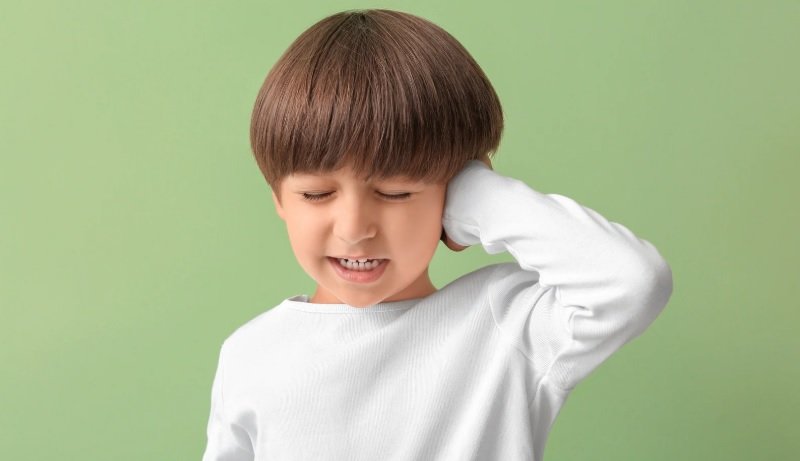
Have you ever felt a sharp, throbbing ear pain right after catching a cold? Ear pain due to cold is more common than you might think, especially during winter or after long exposure to chilly winds. It can make even simple things—like swallowing or sleeping—uncomfortable. But why does a simple cold lead to such annoying ear pain?
Ear pain from a cold usually happens when the Eustachian tube, which connects the ear to the throat, gets blocked due to mucus buildup or inflammation. This blockage traps pressure inside the ear, causing pain or a muffled feeling. In this article, we’ll explore its causes, symptoms, and effective remedies—from home treatments to expert medical advice.
Dr. William H. Shapiro, a leading audiologist at NYU Langone Health, highlights how early Otolaryngology care can prevent chronic ear infections linked to colds. Curious to learn how to relieve your ear pain quickly and safely? Let’s dive into the expert-backed solutions that will help you protect your ears and ease that discomfort in no time!
Is Ear Pain Due to Cold or an Ear Infection?
Many people experience Ear Pain Due to Cold, especially during the winter months or after catching a seasonal virus. This discomfort can make it difficult to sleep, concentrate, or go about daily life.
But how can you tell if your ear pain during cold is simply from congestion, or if you’re dealing with a more serious ear infection? Understanding the cause is crucial for choosing the right treatment and avoiding complications.
Both the common cold and ear infections can cause ear discomfort, but their underlying mechanisms differ. A cold with ear pain is usually the result of sinus pressure and inflammation blocking the Eustachian tube—the canal that connects the middle ear back of the throat.
This blockage creates pressure buildup, leading to pain or fullness in the ear. On the other hand, an ear infection occurs when bacteria or viruses invade the middle ear, causing swelling, fluid buildup, and often more severe pain.
How to Know That Ear Pain Is Caused by a Cold?
When you have ear pain because of cold, the discomfort usually appears alongside typical cold symptoms— stuffy nose and throat, congestion, sneezing, sore throat, and mild fever. The Eustachian tube becomes swollen due to inflammation, trapping mucus and air in the middle ear. This trapped pressure leads to a dull ache or popping sensation, especially when swallowing or yawning.
Signs that your ear pain with cold is due to congestion rather than infection include:
- Pain that fluctuates with nasal congestion
- A feeling of fullness or blockage in one or both ears
- Popping or crackling sounds in the ear
- Pain that improves when lying with your head elevated or after using a nasal decongestant
In most cases, ear pain during cold improves as nasal symptoms subside. Simple remedies—like steam inhalation, saline nasal sprays, and staying hydrated—help reduce sinus pressure and restore Eustachian tube function.
How to Know That Ear Pain Is Caused by an Ear Infection?
An ear infection tends to cause sharper, more persistent pain than ear pain due to cold. It may develop after several days of congestion when bacteria or viruses multiply behind the eardrum. The resulting fluid buildup and inflammation can be intense.
Common indicators of an ear infection include:
- Severe, throbbing pain that doesn’t ease with decongestants
- Muffled hearing or partial hearing loss
- Fluid or pus draining from the ear
- Fever and general fatigue
- Pain that worsens when lying down
Unlike cold with ear pain, an infection usually doesn’t improve on its own. If untreated, it can lead to complications such as a ruptured eardrum or chronic hearing issues. If you experience any of these symptoms, especially with a high fever, you should consult a healthcare provider for examination and possible antibiotics.
Other Symptoms of an Ear Infection Include:
- Persistent pressure or fullness in the ear
- Difficulty balancing or dizziness
- Irritability (especially in children)
- Sleep disturbances due to increased pain when lying down
- Swollen lymph nodes near the ear or neck
- Temporary hearing impairment
When these symptoms accompany ear pain during cold, it suggests the infection may have progressed. Monitoring your condition for several days is essential—if pain or fever increases, medical evaluation becomes necessary.
When is an Earache Likely from a Cold?
You’re likely experiencing ear pain because of cold when the discomfort coincides directly with congestion, nasal blockage, or sinus pressure. In such cases, the earache typically feels more like pressure or dull pain rather than sharp or stabbing sensations.
For example:
- You catch a cold with ear pain, but the discomfort comes and goes depending on how congested you are.
- You notice your ears feel “plugged” when blowing your nose or changing altitude (like on a plane).
- You find temporary ear pain relief after using a humidifier or saline spray.
If your symptoms remain mild, it’s safe to assume the ear pain with cold is due to pressure, not infection. Try rest, warm compresses, and over-the-counter remedies. However, if your pain persists longer than a week or suddenly worsens, it could mean an infection has developed.
Other Possible Causes of Ear Pain
While ear pain during cold and infections are the most common culprits, several other conditions can also cause ear discomfort:
- Sinus infections (Sinusitis): Severe congestion and pressure can extend to the ears.
- Temporomandibular joint (TMJ) disorder: Jaw tension or grinding can radiate pain to the ear area.
- Tooth or gum problems: Infections or dental abscesses may cause referred ear pain.
- Allergies: Inflammation from seasonal or food allergies can block the Eustachian tubes.
- Barotrauma: Rapid pressure changes (during flights or diving) can stretch the eardrum.
- Foreign objects or earwax buildup: Obstructions can lead to pressure and mild pain.
It’s important to rule out these conditions if your ear pain due to cold doesn’t improve after nasal symptoms resolve.
The Common Cold – When to See a Doctor?
Most colds, even those that cause ear pain because of cold, resolve within 7–10 days. However, there are times when professional medical attention is essential. Seek medical care if you experience:
- Severe ear pain that lasts longer than 48 hours
- Fluid or pus draining from the ear
- High fever (above 101°F / 38.3°C)
- Dizziness or balance problems
- Sudden hearing loss
These may signal an infection rather than simple ear pain during cold congestion. For children, prompt evaluation is particularly important, as ear infections are more common and can develop quickly after a cold.
In some cases, even mild cold with ear pain may require medication if secondary bacterial infection occurs. A doctor may prescribe antibiotics, pain relievers, or recommend ear drops to ease inflammation.
To prevent future episodes, try to:
- Keep your nasal passages clear during colds
- Avoid smoking or secondhand smoke
- Practice good hand hygiene to prevent viral spread
- Stay hydrated to thin mucus
- Use saline rinses and humidifiers during dry weather
Commonly Asked Questions about Causes of Ear Pain During Cold (FAQs)
What is an earache caused by a cold?
An earache caused by a cold typically occurs when nasal congestion leads to fluid build-up in the middle ear, causing discomfort. It’s common for colds to result in ear pain as the Eustachian tubes become blocked.
How can I relieve ear pain caused by a cold?
To relieve ear pain, you can use acetaminophen or Tylenol for pain management. Additionally, applying a warm compress and staying hydrated can help ease discomfort associated with cold symptoms.
What are the common symptoms of ear infections?
Common symptoms of ear infections include ear pain, fever, irritability in children, and drainage from the ear. In some cases, a runny nose and cough may also accompany the infection, indicating respiratory infections.
How do colds lead to acute otitis media?
Colds can lead to acute otitis media when nasal congestion causes fluid to become trapped in the middle ear. This fluid can become infected, resulting in ear pain and potential complications if not treated promptly.
What is the risk of ear infections in children?
Children are at a higher risk of ear infections due to their shorter Eustachian tubes. Frequent colds can increase the likelihood of developing earaches caused by a cold, leading to complications like mastoiditis.
When should I schedule an appointment with an ENT?
You should schedule an appointment with an ENT if ear pain persists for more than a few days, is severe, or is accompanied by symptoms such as fever or drainage, indicating a possible infection requiring further evaluation.
Can a cold cause a hole in the eardrum?
While a cold itself does not directly cause a hole in the eardrum, untreated ear infections resulting from colds can lead to tearing of the eardrum, which may require medical intervention for healing.
What home remedies can help with ear pain?
Home remedies for ear pain include applying a warm compress, using ear drops, and resting. Staying hydrated and using over-the-counter medications can also help relieve the pain effectively until the cold goes away.
How can I prevent ear infections during a cold?
To prevent middle ear infections during a cold, keep your nasal passages clear, practice good hygiene, and avoid exposure to smoke. Ensuring vaccinations are up to date can also help reduce the risk of respiratory infections.
What should I do if my child’s ear pain worsens?
If your child’s ear pain worsens or is accompanied by severe symptoms, consult a pediatrician. They can examine the ear and provide prompt treatment to prevent complications associated with untreated ear infections.
What happens if fluid in the ear does not drain?
If fluid in the ear does not drain, it can lead to persistent ear pain and potentially serious complications like meningitis or mastoiditis. In such cases, medical intervention may be necessary to drain fluid and relieve pressure.
How do ear tubes help with ear pain due to colds?
Ear tubes help alleviate ear pain due to colds by allowing fluid to drain from the middle ear, reducing pressure and preventing infections. They are often recommended for children with recurrent ear infections or persistent fluid.
Conclusion
Distinguishing between ear pain due to cold and an actual ear infection can make all the difference in how you treat your symptoms and how quickly you recover. Generally, if your ear pain during cold comes and goes with congestion, it’s likely from Eustachian tube pressure. But if it becomes sharp, persistent, or is accompanied by fever or drainage, an infection could be to blame.
Simple home remedies—like warm compresses, hydration, and nasal decongestants—often bring relief when ear pain with cold is mild. Still, never ignore ongoing or severe symptoms. Consulting a healthcare professional ensures proper diagnosis and helps prevent complications.
Understanding whether you’re dealing with cold with ear pain or an infection allows for faster recovery and lasting ear health. Always listen to your body and act early to protect your ears from unnecessary pain and damage.
Recommended posts
- 7 Effective Home Remedies for an Earache That Really Work!
- Infant Pulling on Ear – What It Means and When to Worry?
- Can A Baby Have an Ear Infection Without Fever?
- Sore Throat Ears Hurt When Swallow – Causes & Effective Relief Tips
- How Bad Can an Ear Infection Get? When Should You Go to the ER?

