
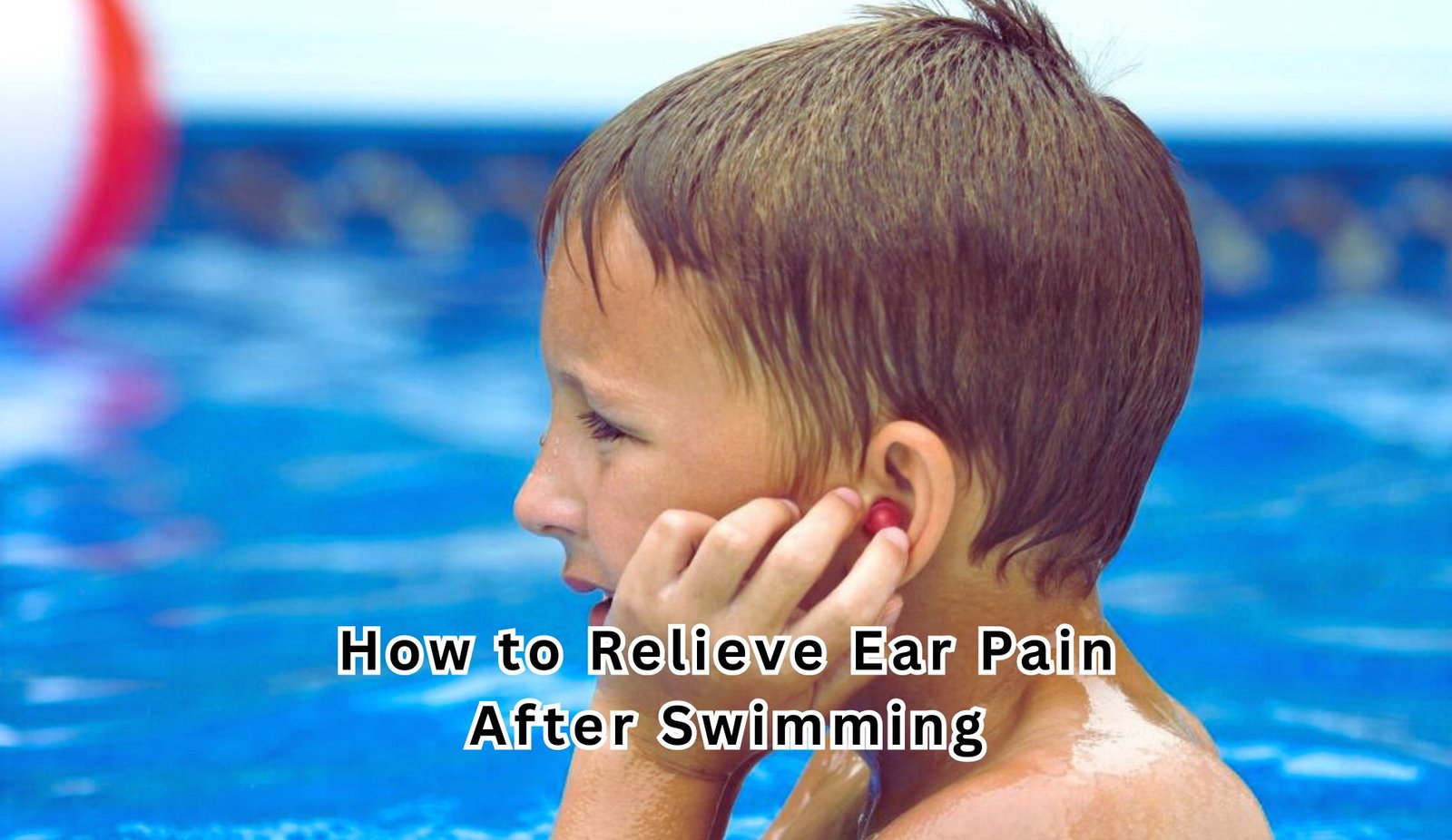
How to relieve ear pain after swimming? If you’ve ever stepped out of the pool or ocean with a dull ache in your ear, you’re not alone. Many swimmers experience this uncomfortable sensation, often called “swimmer’s ear.” But what actually causes this pain, and how can you make it stop quickly?
The short answer—ear pain after swimming usually happens when water gets trapped inside your ear canal, creating a moist environment where bacteria thrive. Simple home remedies like drying drops, warm compresses, or gentle ear drainage can often help. According to the Mayo Clinic, untreated swimmer’s ear can worsen, so early care makes a big difference.
But what if the pain doesn’t go away, or you notice swelling or hearing changes? ENT specialists recommend knowing when to switch from home care to medical treatment.
Let’s explore the most effective and doctor-approved ways to relieve ear pain after swimming and protect your ears for your next dip.
How Long Does Ear Pain Last After Swimming?
When you’ve been swimming and you feel that dull ache or sharp twinge in your ear, it may be the early sign of moisture trapped in the canal or a developing infection. For the condition commonly known as swimmer’s ear (Otitis Externa), medical sources consistently say that:
- With prompt, appropriate treatment, symptoms typically improve within 1‐3 days and frequently resolve completely within 7 to 10 days. Harvard Health+2KidsHealth+2
- Without treatment, or if complications are present (such as in people with weakened immunity, diabetes, or chronic skin conditions), the duration can stretch to several weeks or even become chronic (lasting months). American Family Care+1
- Some sources emphasise that if you don’t see improvement within 48 hours of treatment, you should revisit your healthcare provider. American Medical Association+1
In short: expect ear pain after swimming to last a few days to a week if managed well, but do not ignore it—it may linger or worsen without care.
How to Relieve Ear Pain After Swimming? (Treatment for Swimmer’s Ear)
Relieving ear pain after swimming effectively means addressing both the immediate discomfort and the cause (moisture, irritation, or infection). Here are Water in ear pain relief steps you can follow.
1. Drain and dry the ear canal.
Tilt your head to the side of the affected ear and gently pull the earlobe in different directions to allow gravity to help drain any trapped water. A low‐heat hair dryer held about 12 inches from the ear for a few minutes can help dry the canal. Cleveland Clinic+1
2. Use a warm compress.
Applying a warm, damp washcloth over the outer ear for 10 minutes may ease pain and encourage drainage of any fluid or wax build-up. Advice from specialists at Stanford Health Care mentions gentle warmth to soothe the canal. stanfordhealthcare.org
3. Use safe over-the-counter ear‐drying drops if appropriate.
If you have no ear surgery, perforation of the eardrum, or tubes, you may use OTC drops to help dry the ear canal after swimming. Some home options (as referenced in health-education articles) include equal parts white vinegar and rubbing alcohol—but only after consulting a provider. American Family Care+1
4. Administer prescription ear drops if infection is suspected.
If the pain is significant, worsens, or you notice hearing loss or discharge, see a healthcare provider. They may prescribe antibiotic, antifungal, and/or steroid drops to treat the infection and inflammation in the canal. Cleveland Clinic+1
5. Prevent re-entry of water and further irritation.
Avoid swimming and other ear‐submerging activities until the ear is dry and pain‐free. Keep your ear canal dry and free of debris, and avoid inserting cotton swabs or objects into the canal. AAFP+1
6. Over-the-counter pain relief.
If you’re experiencing pain, you may take acetaminophen (paracetamol) or ibuprofen as directed on the package, unless contraindicated by other health conditions. KidsHealth+1
By following these steps immediately after the onset of ear pain post-swimming, you set yourself up for faster relief and lower risk of complication.
What Is the Fastest Way to Cure a Swimmer’s Ear?
When your ear pain after swimming is progressing into full-blown swimmer’s ear, speed is important. The fastest cure typically involves a combination of the right medical care plus diligent at-home practices. Here’s the optimal path:
- Seek medical evaluation early. A clinician can clean the ear canal of debris or discharge and assess whether the infection has spread or is complicated. Cleaning may involve a wick placement to deliver drops deep into the canal.
- Use prescribed ear drops — antibiotic + steroid if needed. Start using them exactly as directed (often 3–4 times daily) until symptoms have been clear for at least 3 days. Most infections improve within 24-48 hours, with full resolution in ~7–10 days.
- Keep the ear canal completely dry during treatment. No swimming, minimal water exposure, avoid showers that flood the ear, and use earplugs or cotton balls if needed.
- Support with home care. Use warm compresses, ear-drying measures, and pain relief. Elevate the head when sleeping to reduce pressure and fluid build-up.
- Stop swimming until fully healed. Even after pain resolves, avoid water entry into the ear for a few days to ensure full healing and reduce reinfection risk. Some sources recommend waiting a full week without water exposure.
By combining these strategies, you enhance your chance of curing swimmer’s ear quickly. Simply relying on home remedies without dryness or medical supervision may prolong healing.
Ear drops for ear pain after swimming
Ear drops play a central role when ear pain after swimming develops into swimmer’s ear or when fluid remains trapped. Here’s a breakdown of how to select and use them properly:
Types of ear drops
- Antibiotic eardrops: To kill bacterial infections in the outer ear canal. Cleveland Clinic
- Steroid ear drops: To reduce inflammation and swelling of the canal and eardrum area. Mayo Clinic
- Antifungal drops: Used if a fungal infection is suspected (often after failed antibiotic medicine). Mount Sinai Health System
- Drying/acidifying drops: Some OTC solutions aim to prevent bacterial growth by drying the canal (e.g., alcohol-vinegar mixes) once no infection is present. Verywell Health
How to apply drops safely
- Warm the drop bottle in your hand for a minute so the solution isn’t cold (cold may cause dizziness). Mayo Clinic
- Tilt your head so the affected ear is upward; pull the outer ear gently up and back (for adults) to straighten the canal. Mayo Clinic
- Instill the prescribed/label-recommended number of drops; remain with the ear up for 2–3 minutes so the solution reaches the full length of the canal. Mayo Clinic
- Avoid placing any drops if you have a perforated eardrum or ear surgery unless specifically directed by your provider. American Family Care
Duration of use
- Standard guidance: continue drops for 7–10 days, and at least until you’ve been symptom-free for 3 consecutive days. AAFP+1
- If you don’t see improvement within 48 hours, return to your provider for reassessment. American Medical Association
Important caution
- Do not insert cotton swabs, fingers, or other objects to clean or apply drops unless instructed. This may damage the canal or worsen infection. NHS inform
- Keep water out of the ear while using these drops and during recovery.
Using eardrops correctly and at the right time is one of the fastest routes to relief from ear pain after swimming.
Dos for Getting Water Out of Your Ears
Getting water out of your ears quickly is key to preventing ear pain after swimming and avoiding progression into infection. Here are effective “dos”:
- Do tilt your head and pull the earlobe: After swimming, tilt your head to the side, and gently pull on your outer ear lobe to encourage drainage of trapped water.
- Do use a low‐heat hair dryer: With the ear facing down, use a hair dryer on the lowest/cool setting about 12-14 inches away for ~30 seconds to a minute to help evaporate residual moisture.
- Do use ear-drying drops (OTC) if safe: If you have no ear surgery or perforation, you may use a store-bought ear-drying solution to help prevent moisture build-up. (Check with your provider if unsure.)
- Do gently blot the outer ear and canal: Use the corner of a clean towel to pat the outer ear opening but avoid inserting anything into the ear canal.
- Do keep your ears dry post-swim: After swimming, showering, or bathing, lightly towel and tilt your ears to help remove residual water, then keep ears dry for a period. KidsHealth
- Do wear ear plugs when swimming: If you’re prone to ear pain or infections after water exposure, using a snug‐fitting ear plug can help reduce water entering the canal. Cleveland Clinic
These dos help your ears stay healthy, lower the risk of trapped water converting into a painful ear condition, and support faster recovery.
Don’ts for Getting Water Out of Your Ears
To render your efforts fruitful, equally important are the things not to do. These actions can worsen ear pain after swimming or lead to infection.
- Don’t insert cotton swabs, fingers, or other objects into the ear canal. This can push water deeper, injure the canal lining, or introduce bacteria. NHS inform+1
- Don’t ignore lingering ear pain after swimming. If you feel discomfort, itching, or hearing changes, ignoring it may allow infection to set in and prolong healing. healthpartners.com
- Don’t go back into the water while your ear is still painful or fluid remains. Doing so risks further contamination and slows recovery. AAFP
- Don’t use ear candles or unapproved home remedies that haven’t been validated by a healthcare professional. These may be harmful. stanfordhealthcare.org
- Don’t apply strong pressure to the ear (e.g., deep ear cleaning or suctioning) without medical supervision. This may damage skin, trap earwax, or worsen infection risk. Mount Sinai Health System
By avoiding these common pitfalls you’ll reduce your risk of complications and promote a smoother recovery.
Should You Sleep with a Swimmer’s Ear Up or Down?
When you’re experiencing ear pain after swimming—even if it hasn’t yet developed into full swimmer’s ear—how you position your head for sleep can influence comfort and drainage.
- Sleep with the affected ear facing up (i.e., tilt your head so the painful ear is at the top). This allows gravity to help any fluid in the canal drain out instead of pooling.
- Using a slightly elevated pillow or sleeping in a reclined position can reduce pressure in the ear canal and promote more comfortable rest.
- Avoid lying flat or on the affected side as this may trap fluid and increase pain or pressure.
- If you have drops in the ear, keep your head up for a few minutes after application so the solution can penetrate before lying down. Mayo Clinic
In summary: Ear up is the better option when sleeping if you have ear pain after swimming or swimmer’s ear. This small adjustment can aid comfort and recovery.
How Long Can Water Stay Trapped in Ear?
Water trapped in the ear canal may seem harmless at first, but if it remains for a prolonged period it can lead to irritation or infection. Here’s what to know:
- Water can stay in the ear canal for several hours if you don’t tilt, drain, or dry your ears after swimming.
- If that moisture remains, it creates a warm, humid environment favourable to bacteria or fungus—which can lead to the onset of swimmer’s ear.
- There is no fixed “time limit” for when trapped water turns into an infection, but the sooner you act (within hours of the water entry), the lower the risk.
- If fluid remains for 24 hours or more, and you begin to feel fullness, itching, pain, or muffled hearing—seek to drain the ear and potentially consult a healthcare provider.
- Some sources suggest that after a few days of retained water without drainage, you’re at higher risk of developing external ear infection.
Therefore: ideally, you should aim to get water out of your ears immediately after swimming, and ensure they’re fully dry within hours, not days.
Common Questions about Ear Pain After Swimming Home Remedy (FAQs)
What is swimmer’s ear?
Swimmer’s ear is a bacterial infection of the outer ear canal. It occurs when water remains in the ear after swimming, creating a moist environment where bacteria can grow, leading to inflammation and pain.
What are possible complications of swimmer’s ear?
Without medicine, swimmer’s ear can lead to more widespread infections, deep tissue cellulitis, or bone and cartilage damage. Chronic cases may cause narrowing of the ear canal or permanent hearing loss.
How is swimmer’s ear treated?
Treatment involves a doctor cleaning the ear canal and prescribing antibiotic ear drops. Keeping the ear dry is crucial. For pain, over-the-counter pain relievers like ibuprofen or acetaminophen are typically recommended.
What causes swimmer’s ear?
Swimmer’s ear is caused by bacteria that multiply in the outer ear canal due to excess moisture. This can also result from damaging the ear canal’s skin with cotton swabs or other objects.
Who is at risk for swimmer’s ear?
People who swim frequently, live in humid climates, or have narrow ear canals are at higher risk. So are those who use hearing aids, earbuds, or aggressively clean their ears with cotton swabs.
What can I do to prevent swimmer’s ear?
Prevent it by keeping ears dry. Use a towel, tilt your head, and use a blow-dryer on a low, cool setting. Wear earplugs while swimming and avoid inserting objects into your ear canal.
What are the symptoms of swimmer’s ear?
Symptoms include ear pain, itching, redness, swelling, and clear or pus-like drainage. Sensation of fullness, muffled hearing, and increased pain when pulling on the outer ear are also common signs.
How is swimmer’s ear diagnosed?
A doctor diagnoses swimmer’s ear by examining the ear canal with an otoscope. They look for redness, swelling, and debris. The diagnosis is typically confirmed based on these visual signs and the patient’s reported symptoms.
Conclusion
Ear pain after swimming is a common but largely preventable problem. The key to fast relief lies in immediate and correct action. By relying on gravity, safe drying techniques like alcohol-vinegar drops, and strict adherence to the “don’ts”—especially avoiding cotton swabs—you can quickly resolve discomfort and get back to your activities. Remember, the fastest way to “cure” swimmer’s ear is to prevent it from starting by diligently drying your ears after every swim. However, if your symptoms are severe, worsen, or persist for more than a few days, seeking professional medical advice is the safest and most effective course of action to protect your hearing and health.
You might also like
- Can You Swim with an Ear Infection While on Antibiotics?
- How Long Does It Take for an Ear Infection to Heal with Antibiotics?
- Double Ear Infection in Infant Symptoms, Causes & Best Cure
- Can an Ear Infection Go Away on Its Own? (Experts Explain)

