
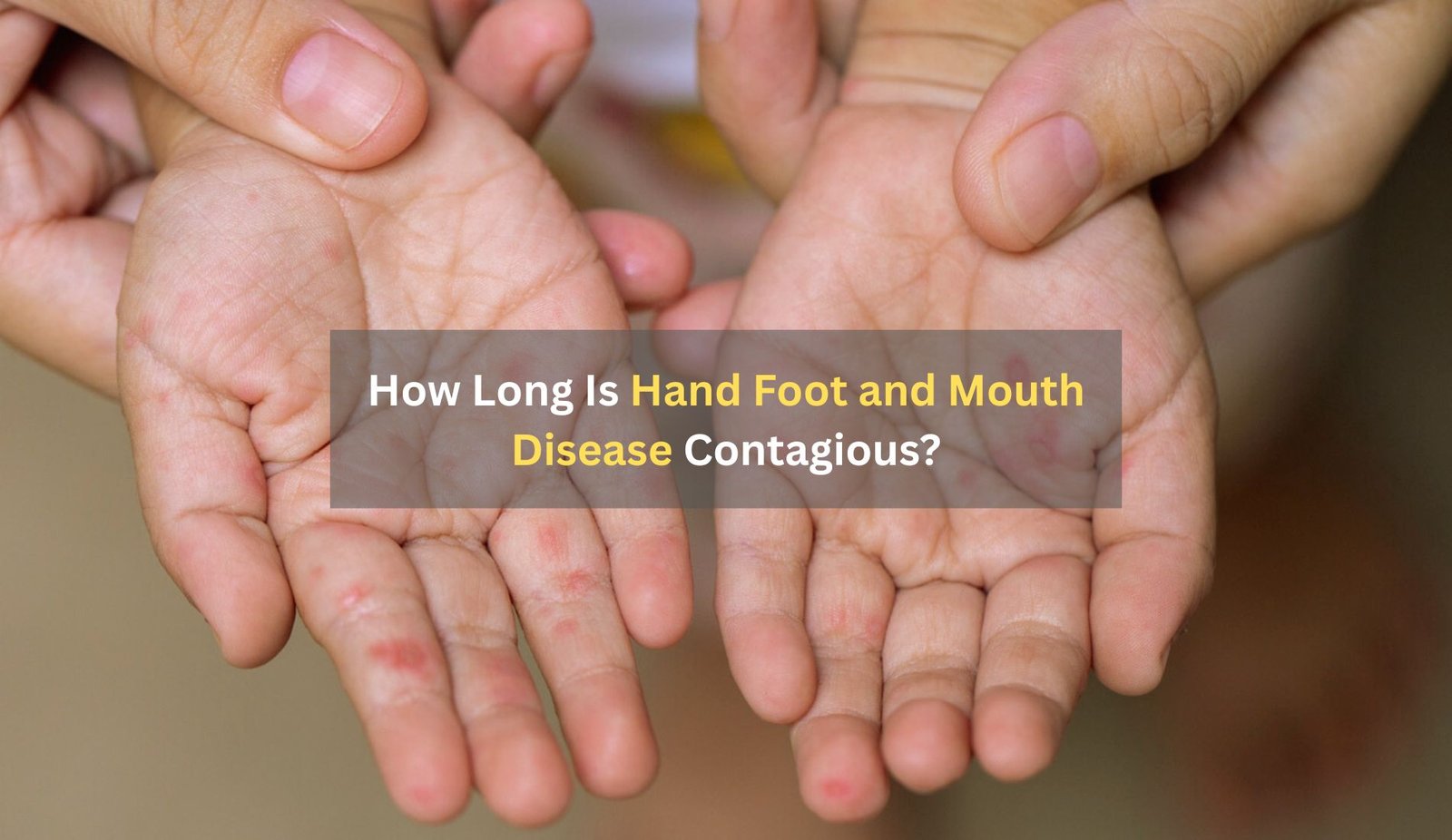
How long is Hand, Foot, and Mouth Disease contagious? This common viral illness often leaves parents wondering how long to keep their children at home or away from others. Could the infection still spread even after the visible symptoms fade? Understanding the contagious period can help protect your family and community.
Typically, Hand, Foot, and Mouth Disease (HFMD) is most contagious during the first week of illness, but the virus can linger in the body for days or even weeks afterward. According to the Centers for Disease Control and Prevention (CDC), the virus may still be present in a person’s stool for several weeks, increasing the chance of transmission. This article breaks down exactly how long HFMD remains contagious, what symptoms to watch for, and when it’s safe to return to school or work.
Dr. William Schaffner, a leading infectious disease expert at Vanderbilt University, emphasizes the importance of hygiene and isolation during the infectious phase to prevent outbreaks. Want to know the exact timeline and expert-backed precautions to keep your loved ones safe? Let’s explore everything you need to know about how long Hand, Foot, and Mouth Disease stays contagious.
How Does HFMD Spread?
The viruses that cause HFMD (most commonly Coxsackievirus A16 and other enteroviruses) spread easily, and people of any age can become infected—even though the illness is most common in children under 5 years.
Key modes of transmission include:
- Droplets: When an infected person coughs, sneezes, or even talks, viral particles may be expelled into the air and then inhaled or transferred to surfaces.
- Saliva and respiratory secretions: Kissing, sharing utensils or cups, or wiping runny noses are ways the virus moves from one person to another.
- Fluid from blisters: The blister-type lesions that appear on the hands, feet or in the mouth contain viral particles and are a direct infection source.
- Fecal-oral route: The virus may shed in stool for days or weeks; if hand-to-mouth contact happens (for example after changing diapers or using a shared bathroom), infection may occur.
- Contaminated surfaces and objects: The virus can survive on toys, door knobs, furniture, and other shared items. Touching a contaminated object and then one’s mouth, nose or eyes can lead to infection.
Because of these multiple routes of transmission, HFMD spreads particularly easily in child-care settings, schools, and households.
What Is the Infectious Period of Hand Foot and Mouth?
The infectious period for hand, foot, and mouth disease can vary, but individuals are typically most contagious during the first week of illness.
The virus can be shed in the saliva, stool, and respiratory secretions, which means that someone can still be contagious even after symptoms have resolved.
Generally, the incubation period for HFMD is 3 to 7 days after exposure to the virus, and symptoms usually appear within this timeframe. Although the contagious period primarily lasts for about a week, it can extend beyond that, especially in young children who may still shed the virus in their stool for several weeks after recovery.
How Long Is Hand Foot and Mouth Disease Contagious?
Hand, foot, and mouth disease remains contagious for about 7 to 10 days after symptoms appear. However, some children and adults can continue to shed the virus for several weeks after they feel well.
This variability is particularly common in children. Because the virus can also be present in the stool, maintaining strict hygiene practices is essential, even after an individual appears to be symptom-free.
To summarize, while the typical contagious period is about a week, the potential for virus shedding can last much longer, necessitating cautious behavior around those who have recently been infected.
Thus, the short-answer: HFMD is contagious from shortly before symptoms appear, through the symptomatic period (about a week), and possibly for weeks after symptoms end—especially via stool shedding.
Tips to Prevent Hand, Foot and Mouth Disease
Prevention is vital since there is no vaccine widely available and treatment is largely supportive. Here are robust prevention strategies:
- Hand hygiene: Frequent and thorough hand-washing (at least 20 seconds) with soap and water is essential, especially after diaper changes, using the toilet, coughing/sneezing, and before preparing food.
- Surface disinfection: Clean and disinfect toys, shared surfaces, door knobs, toilet seats, and other high-touch areas using a suitable disinfectant (for example a diluted bleach solution) in child-care or home environments.
- Avoid close contact when sick: If someone has HFMD, limit their contact with other children and those with weakened immune systems. Keep them home until they are no longer contagious per guidelines.
- Teach and enforce healthy habits: Teach children to avoid putting their hands in their mouths, to cover coughs/sneezes with a tissue or elbow, and to avoid sharing utensils, cups or towels.
- Prompt diaper-changing hygiene: Clean the diaper area carefully, wash hands immediately, and sanitize changing surfaces to reduce fecal-oral spread.
- Raise awareness in daycare/school settings: Educate staff on the signs of HFMD, implement effective cleaning schedules, and establish policies for children staying home when contagious.
- Avoiding contaminated water: Although less common, avoid letting children swallow recreational water (e.g., in pools) that may have been contaminated with feces from someone with HFMD.
By applying these strategies, the spread of HFMD can be significantly reduced.
What are the Signs and Symptoms of Hand, Foot and Mouth Disease?
Recognizing the signs early helps with both care and limiting transmission. Typical symptoms include:
- Fever: Often the first sign, sometimes accompanied by sore throat, runny nose, loss of appetite, irritability.
- Mouth sores: Painful red spots or blisters inside the mouth (tongue, gums, inner cheeks, roof of mouth) developing usually 1-2 days after fever. These may make swallowing painful and reduce appetite.
- Rash on hands and feet: Flat red spots or raised bumps, sometimes blistering, on the palms, soles, and sometimes buttocks and legs. They may or may not be itchy.
- Other possible symptoms: Drooling (if mouth sore prevents swallowing), fussiness in young children, and rare complications such as nail shedding, viral meningitis/encephalitis (particularly with certain viral strains).
- Duration: Symptoms usually last about 7–10 days in uncomplicated cases.
Parents and caregivers should monitor for signs of dehydration (reduced urination, dry mouth, refusal to drink) and contact a healthcare provider if symptoms worsen, fever persists, or neurological signs appear (e.g., stiff neck, severe irritability).
How Do You Know When You Are No Longer Contagious with Hand, Foot, and Mouth?
Determining when someone is no longer contagious is less precise than for other illnesses, because viral shedding continues even after visible recovery. However, some practical markers and guidelines can help:
- The highest risk of contagion is when symptoms are active — during fever, new mouth sores and fresh rash/blisters. Once fever has resolved and the blister fluid has dried/crusted over (lesions are no longer weeping), the risk is significantly lower.
- Many institutions require the individual to be fever-free for at least 24 hours without use of fever-reducing medications, and for blisters to be healed or crusted.
- Because of prolonged viral shedding (especially via stool), caution remains: though the person may be “safe” to return to school or daycare, they may still potentially transmit virus, especially in high-risk settings (infants, immunocompromised).
- Ultimately, one cannot guarantee zero risk of transmission; the goal is minimising risk rather than achieving zero risk.
- Communication with the child-care facility or school is important: ask whether they have a specific policy and when they consider it safe for return.
In short: when the fever is gone, mouth sores are healed, rash/blisters are dried, and the person is behaving normally (drinking fluids, eating, playing), it is generally acceptable from a practical standpoint to consider them less contagious—but the virus might still be shed, so hygiene remains essential.
How Long Should You Stay Away from Someone Who Has Hand, Foot and Mouth?
For close-contact scenarios (households, daycare, school), how long should someone stay away from an infected individual?
- If you are in a household with someone who has HFMD: maintain heightened hygiene measures (hand-washing, disinfecting surfaces, avoiding direct contact with blisters, utensils/cups) from the moment the person is symptomatic and until their visible recovery (fever resolves, blisters heal).
- For groups (school, daycare): many recommendations suggest that children with HFMD remain at home until they are fever-free for 24 hours and can participate normally, and ideally until no new blisters are present. Some recommend stay-at-home until “lesions are dry.”
- Because pre-symptomatic and post-symptomatic shedding occurs, staying away “until the person has fully recovered” doesn’t guarantee zero risk—but it does reduce risk significantly.
- For adults with symptoms: similar guidelines apply—stay away from child-care settings, vulnerable persons (infants, immunocompromised) until you have improved and lesions are resolving.
- Practical rule: at least 5–7 days from symptom onset, likely longer if blisters persist, and ensure hygiene practices continue well after return.
In any environment with vulnerable individuals (e.g., infants, pregnant women, immune-compromised), extra caution is warranted—limiting direct contact until the infected individual is clearly improved is wise.
When Can a Child Go Back to School with Hand Foot and Mouth?
Determining return to school or daycare after HFMD involves balancing practicality (work/school disruptions) with safety (transmission risk). Here are guidelines:
- The child should be fever-free for at least 24 hours without fever-reducing medication.
- Mouth sores should be improving and the child able to eat/drink normally.
- Blisters should be drying, crusting or healed; no new lesions for 24 hours.
- The child should feel well enough to participate in school/daycare activities and not require special care.
- The child-care/school policy: many institutions require parent notification and may ask for the child to stay longer if blisters are open, the child is drooling significantly, or unable to participate.
- Even once returned, the child should continue with good hygiene: frequent hand-washing, avoiding sharing toys/utensils, and ensure surfaces are cleaned.
- Inform the school/daycare of the diagnosis so they can monitor for other cases and enhance cleaning.
- It’s worth remembering that although visible illness may have resolved, viral spread could still occur—so cleanliness remains essential.
Summing up: A return to school is generally acceptable when the child is comfortable, fever free, improving, and the institution’s guidelines are met. But ongoing hygiene and monitoring are still required.
Common Questions about the Contagious Period for Hand Foot and Mouth Disease (FAQs)
What are the symptoms of HFMD?
HFMD symptoms include fever, sore throat, and painful mouth sores. A telltale rash with blisters appears on hands and feet. While older children have milder cases, infants and children under five are most commonly and severely affected.
When can my child go back to school or child care?
Your child can return once the fever is gone and sores have healed, typically in 7-10 days. They are most contagious and can spread the virus during the first few days of illness.
What does hand, foot, and mouth disease look like?
HFMD typically features a rash of red spots and blisters on the palms and soles, with painful mouth sores. The illness is most common in children younger than five years old, though children younger than seven can be affected.
Can adults get hand, foot, and mouth disease?
Yes, adults can get HFMD, especially if exposed to infected children. While often milder, adult symptoms can include the characteristic rash, fever, and significant mouth pain from sores, making eating and drinking difficult.
Can I treat hand, foot, and mouth disease at home?
Yes, HFMD is typically managed at home. Focus on relieving pain and fever with over-the-counter medicine. To prevent spreading, it’s crucial to frequently wash your hands and disinfect surfaces. Ensure the child stays hydrated.
Should I take a sick day from work if my child has hand, foot and mouth?
Yes, you should take a sick day. Adults can catch and spread HFMD. Staying home prevents an office outbreak, allows you to care for your contagious child, and helps you recover if you also get sick.
Should a person with HFMD be excluded from work, school or child care?
Yes, individuals with HFMD should be excluded. They are highly contagious and can easily spread the virus to others in close-contact settings like school or work. Exclusion should last until the fever is gone and blisters have healed.
Conclusion
Understanding “How long is hand, foot, and mouth disease contagious?” is vital for managing the spread of this common viral infection. The contagious period typically lasts about a week but can extend due to residual virus shedding.
By practicing good hygiene and being aware of the signs and symptoms, parents and caregivers can help protect their children and the wider community from HFMD. Always consult with healthcare professionals for personalized advice and guidance concerning HFMD and other infectious diseases.
Related posts
- Early Signs Hand Foot and Mouth Day by Day (Why it Matter?)
- Childhood Hand Foot and Mouth Disease (A Parent’s Guide)
- 7 Best Natural Remedies for Hand Foot and Mouth Disease
- What Does Hand Foot and Mouth Look Like in Adults and Kids
- Foot and Mouth Disease in Adults Possible? (Shocking Truth)

