Have you ever wondered what causes childhood Hand, Foot, and Mouth Disease (HFMD) and how to manage it effectively? This common viral illness often affects infants and young children, leading to small sores causes a rash on the hands, feet, and mouth. But what are the real signs parents should watch for—and how serious can it become?
In this article, you’ll learn everything you need to know about Hand, Foot, and Mouth Disease in children—its symptoms, causes, contagious period, and the best home care practices. We’ll also discuss prevention tips and when to seek medical attention to keep your little one safe and comfortable.
But there’s more to understand! As pediatric expert Dr. Tanya Altmann explains, “Most cases of HFMD are mild and resolve on their own, but knowing how to care for your child can make all the difference.” So, let’s dive into the essential facts every parent should know about Hand, Foot, and Mouth Disease in children.
What is Childhood Hand Foot and Mouth Disease?
Childhood Hand Foot and Mouth Disease is a common viral illness that primarily affects infants and young children under the age of 10. It is caused by a virus Coxsackievirus A16 and Enterovirus 71.
This disease is part of a group of viral infections that target the mouth, hands, feet, and sometimes the buttocks or genital area. Although it may sound alarming, it is generally mild and self-limiting, meaning it usually resolves on its own within a week to ten days without serious medical complications.
The illness spreads easily, especially in daycare centers, preschools, and playgrounds where children are in close contact. Transmission occurs through contact with nasal secretions, saliva, blister fluid, or stool from an infected person. Because of this, proper hygiene and awareness among caregivers and teachers are essential to prevent outbreaks.
Despite being mild in most cases, childhood disease hand foot and mouth can cause discomfort and anxiety for both children and parents. Understanding its symptoms, contagious period, and preventive measures can help reduce the risk of infection and ensure a quick recovery.
Signs and Symptoms of Hand, Foot and, Mouth Disease (HFMD)
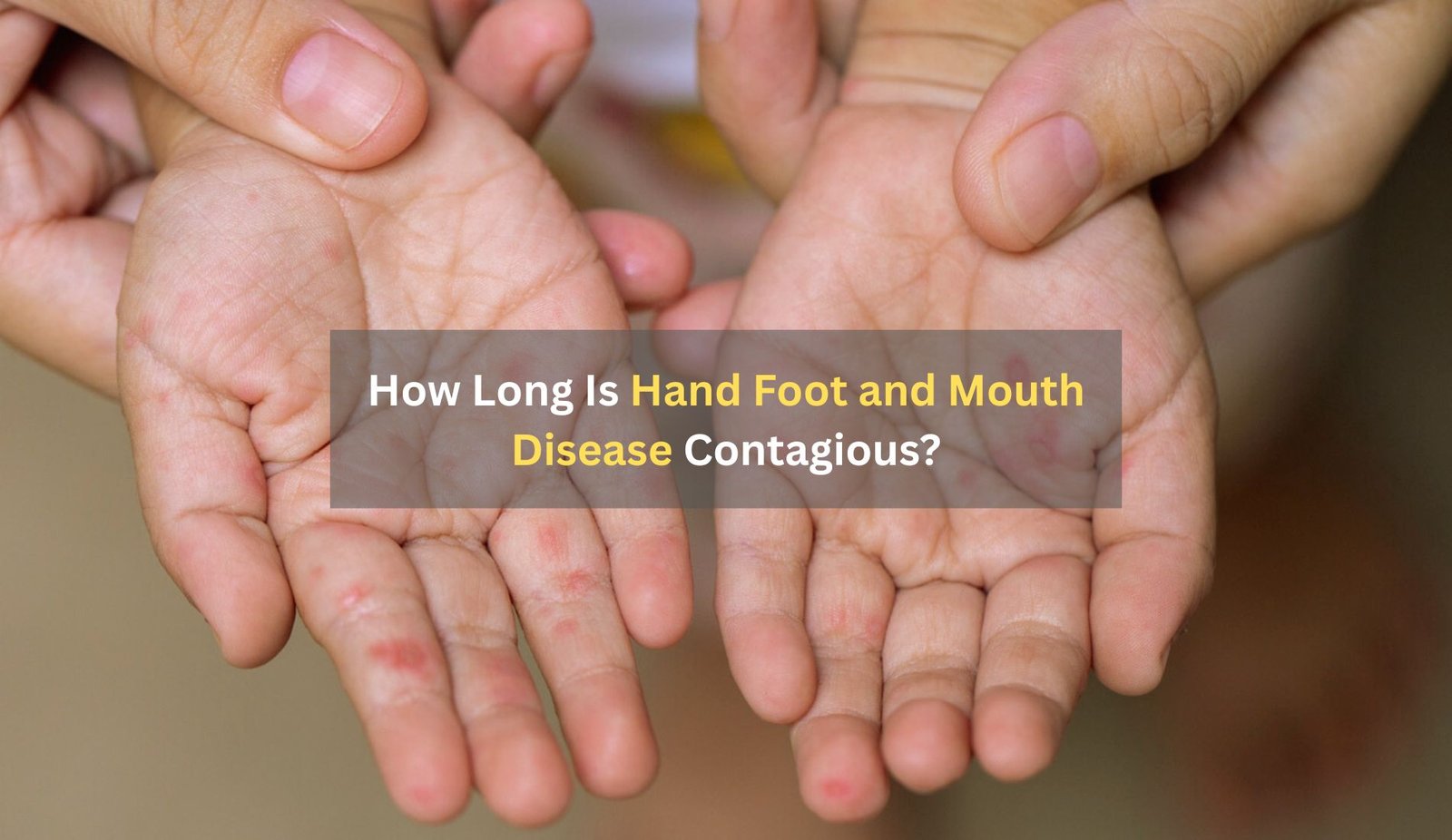
The early symptoms of Hand, Foot and Mouth Disease (HFMD) often resemble those of a mild cold or flu. Parents may first notice that their child becomes irritable, tired, or develops a low-grade fever. Within one or two days, small red spots or blisters appear in and around the mouth, followed by rashes on the palms of the hands, soles of the feet, and sometimes the knees, elbows, or buttocks.
Common symptoms include:
- Fever: Often the first sign of infection, lasting 1–3 days.
- Sore throat and mouth pain: Painful ulcers or blisters may appear on the tongue, gums, and inside of the cheeks.
- Skin rash: Flat or raised red spots, sometimes with fluid-filled blisters, on the hands and feet.
- Loss of appetite: Due to mouth pain, children may refuse to eat or drink.
- Irritability: Caused by fever, itching, and mouth discomfort.
The rash is usually not itchy but can be tender to the touch. In some cases, fingernails or toenails may temporarily fall off weeks after recovery — a harmless but surprising aftereffect.
While most children recover fully within 7 to 10 days, parents should seek medical attention if the child has difficulty swallowing, becomes dehydrated, or develops persistent high fever or neurological symptoms such as seizures or confusion. These could signal a more serious strain of the virus.
How Long is it Contagious?
One of the key challenges of child hand foot and mouth disease is its contagious nature. The infection is most contagious during the first week of illness when symptoms such as fever and blisters are present. However, the virus can continue to be shed in stool for several weeks after recovery, meaning children can still spread it even after they appear well.
The virus can survive on surfaces such as toys, doorknobs, and tables for hours. This makes good hygiene practices, like frequent handwashing and sanitizing, critical in childcare settings.
Contagious timeline:
- Incubation period: 3–6 days after exposure.
- Most contagious phase: During the first 7 days when symptoms are visible.
- Extended shedding: Virus can remain in stool for up to 4–6 weeks post-recovery.
Children should ideally stay home from school or daycare until all blisters have dried and the fever is gone. Reinfection is possible, though rare, since different strains of viruses that cause similar symptoms.
What to Do if Your Child Has Hand, Foot and Mouth Disease
Hand, Foot, and Mouth Disease (HFMD) is a common viral illness that usually affects infants and young children, though older children and adults can get it too. It’s caused most often by coxsackievirus and usually runs its course within 7–10 days. While it can be uncomfortable, it’s typically mild and manageable at home. Here’s what to do if your child has HFMD:
1. Keep Your Child Comfortable
There’s no specific cure for HFMD, so treatment focuses on relieving symptoms:
- Fever and pain relief: Give age-appropriate doses of acetaminophen (Tylenol) or ibuprofen (Motrin, Advil) to reduce fever and soothe mouth pain.
- Soothe mouth sores:
- Offer cold foods like yogurt, smoothies, or ice cream.
- Avoid acidic or spicy foods that can irritate mouth sores.
- Hydration: Make sure your child drinks plenty of fluids to prevent dehydration. Offer water, milk, or electrolyte drinks. Avoid citrus juices or sodas.
2. Manage Blisters and Skin Rashes
- The blisters on hands, feet, or buttocks usually don’t need treatment and will dry out on their own.
- Do not pop the blisters, as this can lead to infection.
- Keep the affected areas clean and dry.
3. Watch for Signs of Dehydration
Because mouth sores can make swallowing painful, dehydration is a risk.
Watch for these warning signs:
- Dry lips or mouth
- Few wet diapers (in infants)
- Crying without tears
- Unusual drowsiness or irritability
If you notice these, contact a doctor immediately.
4. Prevent the Spread
HFMD spreads easily through saliva, nasal mucus, and stool.
To reduce transmission:
- Keep your child home from daycare or school until fever and open blisters are gone.
- Wash hands frequently, especially after diaper changes or contact with saliva.
- Disinfect toys, surfaces, and doorknobs regularly.
- Avoid sharing utensils, cups, towels, or bedding.
5. Know When to See a Doctor
Contact your child’s healthcare provider if:
- Fever lasts more than 3 days
- Your child is not drinking enough fluids
- Symptoms seem severe or worsening
- You notice neck stiffness, confusion, or difficulty breathing (rare but serious complications)
6. After Recovery
Most children recover fully with no lasting effects. Once symptoms clear, your child can safely return to school or daycare. However, the virus can still be shed in stool for several weeks, so maintain good hygiene practices.
How to Prevent Hand, Foot and Mouth Disease
Although there is no vaccine for HFMD, prevention is very effective when hygiene and environmental control are prioritized. Parents, caregivers, and teachers play a crucial role in reducing transmission risk through simple yet consistent measures.
1. Practice Proper Hand Hygiene
Frequent handwashing with soap and water—especially after diaper changes, using the toilet, or before meals—is the most effective way to stop the virus from spreading. Alcohol-based sanitizers can be used when soap and water are unavailable.
2. Clean and Disinfect Surfaces Regularly
Wipe down toys, countertops, and shared items daily with a disinfectant solution. Pay extra attention to objects that children frequently put in their mouths.
3. Avoid Close Contact During Outbreaks
Keep infected children home until they are fully recovered. Avoid kissing, hugging, or sharing utensils and cups with anyone showing symptoms.
4. Promote Respiratory and Hygiene Etiquette
Teach children to cover their mouths and noses when sneezing or coughing. Use tissues and discard them properly to minimize contamination.
5. Monitor and Isolate Early Symptoms
Early detection helps prevent spread. Parents should promptly inform schools or daycare centers if a child is diagnosed, allowing staff to sanitize and monitor for additional cases.
Good nutrition, hydration, and adequate rest can also strengthen a child’s immune system, making them less susceptible to viral infections in general.
Common Questions about Symptoms of Hand-foot-and-mouth Disease (FAQs)
Is Mouth sores are concerning?
Most mouth sores are minor. However, be concerned if mouth ulcers appear alongside a fever, a rash on the hands and feet, or if they persist for over two weeks, as this may indicate a more serious condition.
How can I help prevent hand-foot-and-mouth disease in my child?
Prevent hand-foot-and-mouth disease, a viral infection that causes blisters, through rigorous hygiene. Ensure your child washes hands frequently, disinfects toys and surfaces, and avoids close contact with infected individuals to limit the virus’s spread.
What is childhood hand foot and mouth disease?
Childhood hand foot and mouth disease is a contagious viral infection that primarily affects young children. It is caused by viruses that produce sores in the mouth, a rash on the hands and feet, and other symptoms such as fever and pain. The disease is most common in young children under 5 years old but can also occur in older children and adults.
What are the common symptoms of the disease?
The symptoms usually include fever, sore throat, painful mouth and throat sores, and a rash that may develop into blisters in the mouth and on the hands and feet. Some children may also experience fatigue and loss of appetite. It’s important to learn about the symptoms early to manage the illness effectively.
How is hand foot and mouth disease transmitted?
This contagious viral infection is spread through close personal contact, respiratory droplets, and contact with contaminated surfaces. A child is most contagious during the first week of illness, so keeping your child away from others during this time is crucial to stop the spread.
How can I prevent dehydration in my child during illness?
To prevent dehydration, offer your child plenty of fluids. Water, electrolyte solutions, or popsicles can help keep them hydrated, especially if they are experiencing mouth sores that make eating and drinking uncomfortable. If your child shows signs of dehydration, consult your child’s healthcare provider.
What treatments are available for childhood hand foot and mouth disease?
Treatment may include over-the-counter pain relievers to help reduce symptoms and prevent dehydration. Keeping your child comfortable is essential, so soft foods and cool liquids may be more appealing. In most cases, this disease is a mild illness that resolves within seven to 10 days without the need for medical interventions.
Can adults get hand foot and mouth disease?
Yes, adults can get hand foot and mouth disease, although it is much less common. When adults do contract the virus, they typically experience milder symptoms compared to children. Nonetheless, it’s important to maintain good hygiene practices, such as washing your hands regularly, to minimize the risk of infection.
What should I do if my child shows signs of dehydration?
If your child shows signs of dehydration, such as dry mouth, lack of tears, or decreased urination, it is important to offer fluids immediately and consult your child’s healthcare provider for further evaluation and guidance. Monitoring their condition closely will help ensure they remain hydrated.
How can I keep my child comfortable during this illness?
To keep your child comfortable, provide soft foods, plenty of fluids, and over-the-counter pain relievers as needed. Keeping your child at home and away from child care settings during the contagious phase is also essential. Creating a restful environment can help them recover more quickly.
Conclusion
Childhood Hand Foot and Mouth Disease may sound concerning, but in most cases, it is a mild viral infection that resolves on its own with supportive care. Recognizing the symptoms early, maintaining excellent hygiene, and taking preventive measures are the best ways to protect your child and community from infection.
Parents should focus on comfort care—offering soft foods, maintaining hydration, and using fever reducers if necessary (under medical guidance). In rare cases, complications may arise, so continuous monitoring is essential.
While the illness cannot always be avoided, awareness and proactive hygiene practices significantly reduce its spread. By understanding how long it’s contagious and following preventive steps, families can keep this common childhood infection under control and ensure a faster recovery for their little ones.
Recommended posts
- Early Signs Hand Foot and Mouth Day by Day (Why it Matter?)
- 7 Best Natural Remedies for Hand Mouth and Foot Disease