Can a newborn sleep in a Pack and Play? Are they really ideal for a newborn’s delicate needs? With so many baby sleep options available, how do parents know which is the safest and most practical choice? Let’s explore what pediatricians and sleep experts are actually saying.
Newborns can safely sleep in a Pack and Play—if it meets current safety guidelines. According to the American Academy of Pediatrics (AAP), a firm, flat surface and a fitted sheet make it a secure option for infant sleep. Experts like Dr. Harvey Karp and many others recommend Pack and Plays as convenient and portable sleeping solutions for both short naps and overnight use.
But safety tips and setup guidelines matter just as much. Want to know how to set it up right, what features to avoid, and what real parents and pediatricians say about using one every night? Stay with us—because what comes next could make all the difference in your baby’s sleep safety.
What is a Pack ‘n Play?
A Pack ‘n Play, also known as a play yard or playpen, is a portable sleep space designed for infants and toddlers. It often features a mesh siding that allows for ventilation and visibility while providing a contained place for your baby to play or nap.
Many parents appreciate the convenience of a Pack ‘n Play for travel, as it can easily fit into a car trunk and be set up in various locations, such as grandma’s house or a hotel. Some models come with a removable bassinet attachment, allowing for a more elevated sleeping area for newborns, making it a versatile addition to your baby gear.
These play yards are constructed with safety standards in mind, as they must adhere to guidelines set by organizations like the Consumer Product Safety Commission (CPSC).
The Pack ‘n Play typically comes with a fitted mattress pad designed to fit snugly within the structure, ensuring your baby has a safe sleeping environment. Overall, the Pack ‘n Play serves not only as a sleeping area but also as an engaging space where your baby can explore their surroundings safely.
Can a Newborn Sleep in a Pack and Play?
Is a pack n play safe for baby to sleep in? Yes, a newborn can sleep in a Pack and Play, provided that it meets the safety guidelines established by the American Academy of Pediatrics (AAP).
It is crucial to use the Pack ‘n Play as intended, ensuring that the mattress pad fits snugly and is free from any additional bedding, such as pillows or quilts, which can pose suffocation risks.
When setting up the Pack ‘n Play for your baby to sleep, make sure it is placed on a flat, stable surface away from any hazards. By following these guidelines, you can create a safe sleeping area for your newborn.
Additionally, the Pack ‘n Play should be used in accordance with the weight and height limits specified by the manufacturer. Most models are designed to accommodate infants until they reach around 30 inches in height or 15-30 lbs, depending on the specific product safety standards.
Once your baby begins to show signs of mobility, such as rolling over or sitting up, it may be time to consider transitioning to a crib or toddler bed, as the Pack ‘n Play may no longer provide a safe space for sleep.
Are Pack N Plays Safe for Newborns to Sleep In?
Can newborn sleep in pack n play? Pack N Plays are generally considered safe for newborns to sleep in when used correctly. They are specifically designed for infants and toddlers, complying with the safety standards established by the CPSC.
Parents should ensure that the Pack ‘n Play is free from extra accessories, such as toys or blankets, which could obstruct airflow or create choking hazards.
The mesh sides provide ventilation and allow you to easily monitor your baby while they sleep, further enhancing safety. Additionally, it’s essential to check that the Pack ‘n Play is stable and secure to prevent tipping, especially when your baby starts to move around.
However, parents should always consult the manufacturer’s guidelines and check for any recalls before using a Pack ‘n Play. It’s important to follow the weight limits and height restrictions to guarantee that your baby remains safe.
If you have concerns regarding your newborn sleeping in a Pack ‘n Play, consider discussing them with your pediatrician to ensure you are making the best choices for your baby’s sleep environment.
Should I Use a Pack-and-Play or a Crib? Things to consider
When deciding between a Pack-and-Play and a crib, several factors should be taken into account. Cribs generally provide a more permanent sleeping solution with a sturdy frame and mattress, often designed to last through infancy and into toddlerhood.
They can be larger and more spacious, allowing for more room as your baby grows. However, cribs are not as portable as Pack-and-Plays, which are excellent for families who travel frequently or need a temporary sleeping space in small areas.
Another consideration is the cost and the longevity of each option. A crib can be a more significant investment initially, but it may be used for several years, while a Pack-and-
Play is often more affordable and serves dual purposes as both a play area and a sleeping space. Ultimately, the choice may depend on your lifestyle, living situation, and how often you plan to move the sleeping area for your baby. It’s essential to weigh these factors carefully to determine which option will best meet your family’s needs.
Differences Between Cribs, Bassinets and Pack ‘N Plays
Cribs, bassinets, and Pack ‘N Plays each serve distinct purposes and come with their respective advantages and disadvantages. A crib is typically larger and is designed for long-term use, often accommodating a child from infancy until they transition to a toddler bed. Here’s a clear breakdown of the differences between cribs, bassinets, and Pack ‘n Plays:
🛏️ Cribs
Definition:
A crib is a sturdy, full-size baby bed with high slatted sides designed for long-term use.
Key Features:
- Typically made of wood or metal
- Meant for newborns through toddlerhood (many convert into toddler beds)
- Stationary and not easily portable
- Meets strict safety standards for daily, long-term sleep
Pros:
- Durable and stable
- Long-lasting (can be used for years)
- More room for growing baby
Cons:
- Bulky and not portable
- More expensive than other options
🧺 Bassinets
Definition:
A bassinet is a small, lightweight baby bed designed for newborns and younger infants.
Key Features:
- Compact and portable
- Often has a hood or canopy
- Some come with rocking or vibrating features
- Suitable for babies up to about 4–6 months old or until they can roll over
Pros:
- Ideal for room-sharing with parents
- Takes up less space
- Easy to move from room to room
Cons:
- Short usage window (baby outgrows it quickly)
- Not suitable for active or rolling babies
🧳 Pack ‘N Plays (Playards)
Definition:
A Pack ‘n Play is a portable, foldable playard that can be used for sleep or play.
Key Features:
- Lightweight, foldable design for travel
- Often includes a bassinet insert and changing table
- Mesh sides for breathability and visibility
- Multi-purpose: sleep, play, diaper changes
Pros:
- Great for travel or visiting family
- Versatile and compact
- Budget-friendly option
Cons:
- Less sturdy than a crib
- May not be as comfortable for long-term sleep
Summary Table:
| Feature | Crib | Bassinet | Pack ‘N Play |
|---|---|---|---|
| Size | Full-size | Small | Medium/Portable |
| Age Range | Newborn–Toddler | Newborn–~6 mo | Newborn–Toddler |
| Portability | No | Yes | Yes (foldable) |
| Longevity | Long-term | Short-term | Medium-term |
| Cost | Higher | Moderate | Lower–Moderate |
| Best For | Home use | Room-sharing | Travel/Versatility |
What Is the Safest Way for a Newborn to Sleep?
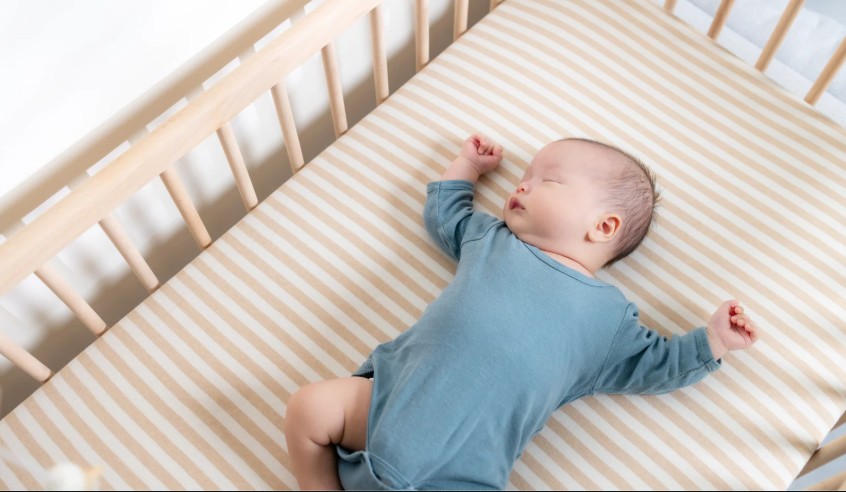
The safest way for a newborn to sleep includes placing them on their back on a firm, flat surface, such as a fitted crib mattress or a packed Pack ‘n Play. This sleep position is recommended by the AAP to reduce the risk of Sudden Infant Death Syndrome (SIDS).
Additionally, it is vital to ensure that the sleeping area is free from any soft bedding, pillows, or toys, as these can pose suffocation hazards. Keeping the sleeping space clutter-free creates a safer environment for your baby to sleep.
Parents should also consider maintaining a comfortable room temperature to prevent overheating and support better baby sleep.
The ideal sleeping environment should be cool, quiet, and dark to promote restful sleep. Using a Pac ‘n Play or crib that meets safety guidelines and ensuring proper sleep practices will help keep your baby safe and encourage healthy sleep habits during their early months.
Which Position is Best for the Baby to Sleep In?
The best position for a newborn to sleep in is on their back. This position significantly reduces the risk of SIDS, a concern for many new parents. The AAP recommends placing your baby in this position every time they sleep, whether in a crib or a Pack ‘n Play.
When your baby reaches the age where they can roll over on their own, you do not need to reposition them, but it is essential to start with them on their back to ensure their safety during sleep.
Aside from sleep position, it’s equally important to ensure that the sleeping surface is firm and free from any soft bedding, such as pillows or stuffed animals.
These items can increase the risk of suffocation and should be avoided. By adhering to these guidelines, you can help create a safe sleeping environment that promotes healthy baby sleep habits and provides peace of mind for parents.
Commonly Asked Questions about Newborn Sleeping in Pack and Play (FAQs)
Can a Baby Sleep in a Pack and Play Instead of a Bassinet?
Can newborns sleep in a pack n play? Yes, a baby can safely sleep in a Pack and Play instead of a bassinet, as long as it meets safety standards and the baby sleeps on a firm, flat surface.
Are Portable Bassinets Safe for Newborns?
Yes, portable bassinets are safe to use for newborns if they meet current safety standards, have a firm mattress, breathable sides, and are used according to the manufacturer’s guidelines.
Is it safe for a baby to sleep in a Pack ‘N Play or bassinet?
Yes, a Pack ‘N Play or bassinet is generally safe for a baby to sleep in, provided it meets safety standards and is used according to the manufacturer’s guidelines.
What features should I look for in a baby item for sleeping?
When choosing a baby item for sleeping, look for a firm mattress, sturdy construction, and compliance with safety regulations. Avoid adding a thicker play mattress, as it can increase the risk of suffocation.
How long can my baby sleep in a Pack ‘N Play?
Your baby can sleep in a Pack ‘N Play until they reach the weight limit or height limit specified by the manufacturer, which is typically around 35 inches tall or 30 pounds.
Can I use a Pack ‘N Play as a changing table?
Yes, many Pack ‘N Plays come with a removable changing table attachment, making them a multifunctional baby item around the house.
Is it safe to leave my baby unattended in a Pack ‘N Play?
It is not recommended to leave your baby unattended in a Pack ‘N Play for extended periods. Always supervise your baby to prevent potential entrapment or accidents.
Are there any risks associated with using a bassinet?
Risks associated with using a bassinet include potential suffocation from soft bedding, entrapment, or falls. Always ensure the bassinet is placed on a firm surface and is used according to safety guidelines.
What should I do if I have concerns about my baby’s sleeping environment?
If you have concerns about your baby’s sleeping environment, consult your pediatrician for medical advice and ensure that the baby item meets safety standards. It’s also a good idea to contact the manufacturer for specific safety information.
Are Pack ‘N Plays and bassinets suitable for travel?
Yes, Pack ‘N Plays are great for travel as they are portable and easy to set up. Bassinets can also be convenient but check their weight and size to ensure they fit your travel needs.
Where do you put your baby all day?
During the day, place your baby in safe spots like a crib, bassinet, playpen, or supervised floor mat for tummy time, ensuring constant supervision and a safe environment.
When to put baby in full size crib?
You can put your baby in a full-size crib when they outgrow the bassinet, typically around 3 to 6 months, or show signs of rolling, pushing up, or sitting.
Conclusion
So, can a baby sleep in a pack and play? In short, a Pack and Play can be a safe and practical sleeping option for newborns when used correctly. Following the safety guidelines set forth by the AAP and CPSC is crucial to keep your baby safe while they sleep. Whether you choose a Pack and Play, a crib, or a bassinet, each option has its benefits and considerations, depending on your family’s needs. Prioritizing a safe sleep environment that adheres to recommended guidelines will ensure your baby’s comfort and safety, allowing for peaceful sleep for both you and your little one.
You might also like
- Newborn Sleeping Cues Vs Hunger Cues: A Helpful Parent’s Guide
- Why Newborn Sleeping with Mouth Open: (Causes & Solutions)
- Best Tips for Dressing Newborn for Sleep in Every Season
- The 5 Week Newborn Milestones that Every Parent Should Know
- Top 5 Best Newborn Parenting Books for New Parent: Must Read
- Is It Safe for Newborn Sleeping on a Pillow? (Expert Advice)
- How to Get Newborn to Sleep in Bassinet: (7 Helpful Ways)
- 7 Hidden Reasons Newborn Refusing to Sleep & Quick Fix