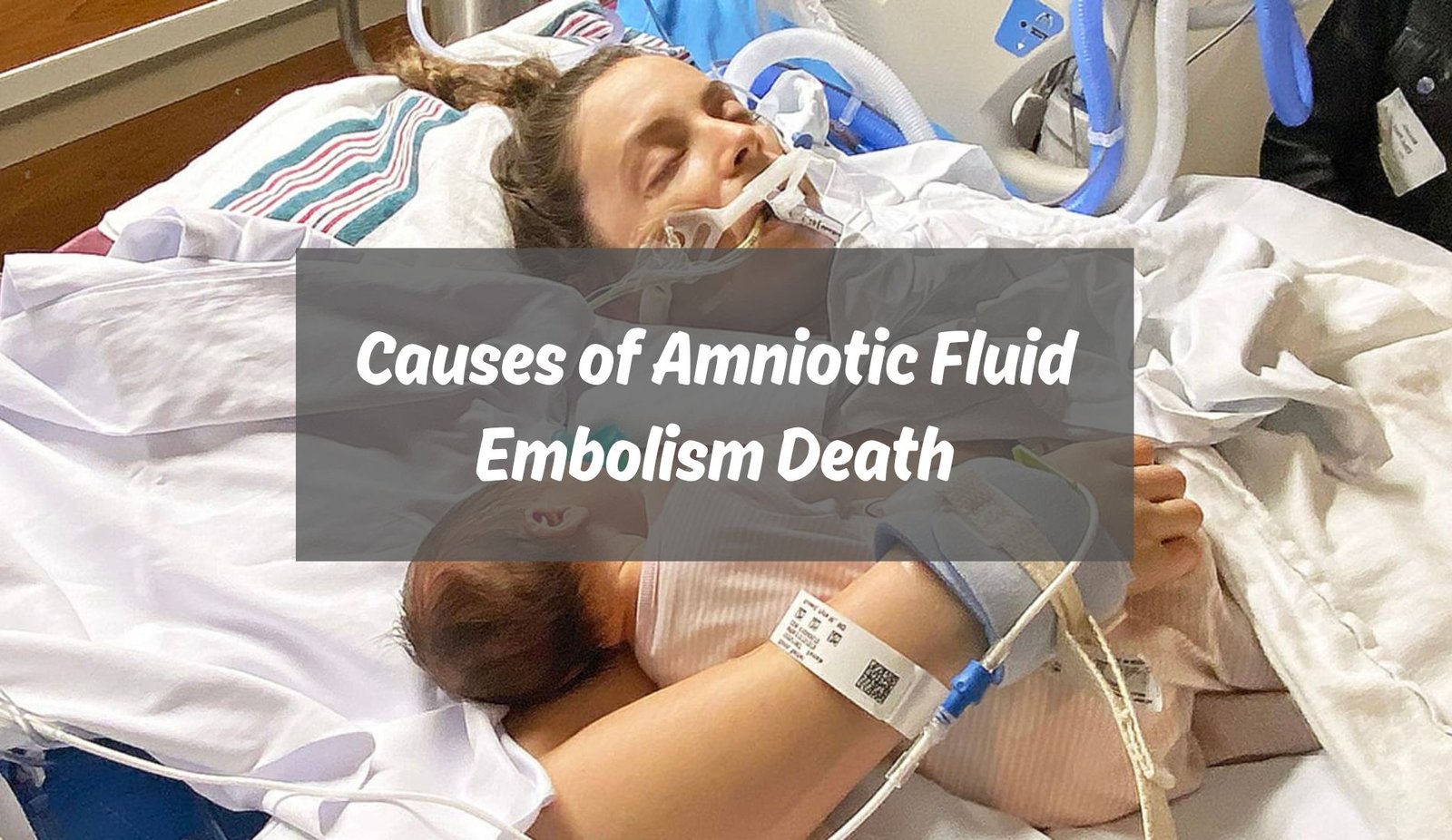
Amniotic Fluid Embolism Death is a rare but devastating complication during childbirth. Have you ever wondered how a substance naturally present in the womb can suddenly turn fatal? Understanding this phenomenon is crucial for expectant mothers and healthcare professionals alike.
Death from amniotic fluid embolism is most commonly due to fluid enters the maternal bloodstream, triggering a severe reaction that can lead to heart failure, or respiratory collapse. According to Dr. Steven Clark, a leading gynecology expert, immediate recognition and intervention are key to survival. This article explores the causes, symptoms, risk factors, and emergency responses linked to this life-threatening condition.
But the story doesn’t end here. We will delve into real-life case studies, preventive strategies, and expert insights to help readers grasp the seriousness of fatal amniotic fluid embolism death.
Stay with us as we uncover the critical steps every healthcare provider and family should know to manage this rare but deadly emergency.
Can You Survive Amniotic Fluid Embolism?
Yes, survival from an amniotic fluid embolism is possible, and thanks to advances in critical care obstetrics and gynecology, the chances are steadily improving. However, it is crucial to frame this answer with the gravity it deserves. AFE is not a condition with a predictable course; it is a “syndrome of pregnancy” characterized by a cascade of catastrophic events within the mother’s body.
The survival of an AFE event hinges on a multitude of critical factors:
- Speed of Recognition and Diagnosis: AFE is a clinical diagnosis, often made by excluding other causes. The faster the medical team recognizes the signs—such as sudden cardiovascular collapse, severe respiratory distress, and profound bleeding (coagulopathy)—the sooner life-saving interventions can begin.
- Location and Resources: Survival rates are significantly higher in hospital settings with readily available blood banks, intensive care units (ICUs), and a multidisciplinary team including obstetricians, anesthesiologists, hematologists, and intensivists.
- The Individual’s Physiological Response: The severity of the event varies. Some women may experience a less catastrophic form, sometimes called a “partial” or “atypical” AFE, which has a higher survival likelihood.
- Immediate Intervention: The cornerstone of survival is aggressive, simultaneous management of the heart, lungs, and clotting system. This often involves cardiopulmonary resuscitation (CPR), mechanical ventilation, and massive blood transfusions.
While survival is the primary goal, it’s important to acknowledge that many survivors face long-term health consequences, including neurological injury due to prolonged oxygen deprivation and persistent coagulopathies.
Amniotic Fluid Embolism Death Rate: What Is the Survival Rate of AFE?
This is the question at the heart of the “shocking truth,” and the answer has evolved over time. Historically, AFE was considered almost universally fatal, with reported mortality rates exceeding 80%.
This historical data contributes to its fearsome reputation. However, more recent and robust registries, such as the national AFE registry in the United States, paint a more nuanced and hopeful picture.
Current data suggests that the maternal mortality rate from AFE is now between 20% and 35%. This means the survival rate is approximately 65% to 80%.
This dramatic improvement can be attributed to several key developments:
- Improved Diagnostic Criteria: The use of standardized diagnostic criteria helps identify less severe cases of afe death that may have been missed in the past, thereby improving the overall survival statistics.
- Advanced Critical Care: Modern ICUs are better equipped to manage multi-organ failure. Techniques like extracorporeal membrane oxygenation (ECMO) can provide cardiac and respiratory support when the heart and lungs are failing.
- Protocols for Massive Transfusion: Hospitals now have established, rapid-response protocols for massive hemorrhage, which is a hallmark of AFE. This ensures that patients receive the life-saving blood products they need without delay.
It is vital to understand that these are population-level statistics. The individual risk for any one person remains extraordinarily low, but for those who experience an AFE, the battle for life is profound.
Furthermore, tragically, in AFE cases of maternal death, the fetal mortality rate remains high, estimated to be around 30-40%, often as a direct result of the mother’s catastrophic cardiovascular collapse.
Remember: Failure to save a patient after amniotic fluid embolism (AFE) was more than 30% when it happened alongside problems with the placenta. The rates were 42.9% for AFE combined with placenta accreta syndrome (PAS) and 31.3% for AFE combined with placental abruption.
Why Autopsies Are Essential in AFE Diagnosis?
Diagnosing amniotic fluid embolism is challenging because clinical signs overlap with other obstetric emergencies, such as:
- Pulmonary embolism from a blood clot
- Severe eclampsia or HELLP syndrome
- Acute myocardial infarction or cardiomyopathy
Autopsies are therefore critical for confirming AFE, especially in cases resulting in maternal death. At autopsy, pathologists look for:
- Fetal squamous cells, lanugo, and mucin in maternal pulmonary vessels
- Pulmonary edema and alveolar hemorrhage
- Signs of coagulopathy such as microthrombi in multiple organs
Autopsy findings not only establish the cause of death but also inform future preventive strategies and improve clinical awareness. Additionally, accurate documentation of AFE in death certificates helps refine epidemiologic data on maternal mortality, guiding public health interventions.
How Does an Amniotic Fluid Embolism Happen?
The term “embolism” is somewhat of a misnomer. While it was originally thought to be a simple mechanical blockage of blood vessels by amniotic fluid, the contemporary understanding is that AFE is more akin to a severe, anaphylactoid (allergy-like) reaction.
The prevailing theory involves a two-stage process:
- Stage 1: The Initial Insult: A breach occurs in the physiological barrier between the amniotic fluid and the maternal circulation. This can happen during labor, delivery (especially operative deliveries like C-sections or forceps-assisted births), during amniocentesis, or even after trauma. Amniotic fluid, which contains fetal cells, vernix, hair, and other bioactive substances, enters the mother’s bloodstream.
- Stage 2: The Catastrophic Cascade: The mother’s immune system recognizes these fetal materials as foreign and mounts a massive, dysregulated inflammatory response. This triggers a cascade of events similar to septic or anaphylactoid syndrome of pregnancy shock:
- Cardiopulmonary Collapse: The release of inflammatory mediators causes severe pulmonary hypertension, spasm of the pulmonary arteries, and acute failure of the right side of the heart. This leads to a dramatic drop in blood pressure and oxygen levels.
- Coagulopathy (DIC): Almost simultaneously, the same inflammatory process activates the body’s clotting system throughout the bloodstream, consuming all available clotting factors and platelets. This leads to Disseminated Intravascular Coagulation (DIC), resulting in uncontrollable, massive hemorrhage.
It is this dual assault on the cardiovascular and coagulation systems that makes AFE so rapidly lethal and challenging to treat.
Is There a Treatment for Amniotic Fluid Embolism?
There is no single, magic-bullet “cure” for AFE. Instead, treatment is entirely supportive and interventional, focused on sustaining life and managing the specific physiological crises as they unfold. The goal is to support the mother’s body through the catastrophic event, allowing it to recover.
Treatment is a multi-pronged, aggressive effort:
Cardiovascular and Respiratory Support: This is the immediate priority. It involves:
- Advanced Cardiac Life Support (ACLS): CPR and defibrillation if necessary.
- Mechanical Ventilation: To ensure adequate oxygenation.
- Vasoactive Drugs: Medications to support heart function and maintain blood pressure.
- ECMO: In refractory cases, this machine can act as an artificial heart and lungs, buying precious time for recovery.
Management of Coagulopathy (DIC): This runs parallel to cardiovascular support.
- Massive Transfusion Protocol (MTP): The immediate administration of packed red blood cells, fresh frozen plasma, cryoprecipitate, and platelets to replace lost blood and clotting factors.
- Hemostatic Agents: Drugs like tranexamic acid may be used to help control bleeding.
Delivery of the Baby: If the AFE occurs before or during delivery, the immediate delivery of the fetus, typically via an emergency cesarean section, is a critical part of the resuscitation effort. This relieves aortocaval compression, improves maternal circulation, and allows for more effective CPR and surgical access to control hemorrhage, which may require a hysterectomy.
The success of this treatment paradigm relies entirely on a prepared, rapid-response team operating in a well-resourced hospital environment. Research into more targeted treatments, such as specific immunomodulatory therapies, is ongoing but remains experimental.
FAQs about Amniotic Fluid Embolism Complications and Pathophysiology
What is amniotic fluid embolism (AFE)?
AFE is a rare and serious obstetric complication that occurs when amniotic fluid, fetal cells, or other debris enter the maternal pulmonary circulation, leading to a cascade of physiological responses. This condition can result in severe cardiovascular and respiratory distress and is associated with a high mortality rate.
What are the signs and symptoms of amniotic fluid embolism?
The signs and symptoms of AFE may include sudden respiratory distress, hypotension, cardiac arrest, and altered mental status. These symptoms can occur during labor or within 30 minutes of delivery, making rapid diagnosis and management crucial.
What is the incidence of amniotic fluid embolism?
The estimated incidence of AFE ranges from 1 in 8,000 to 1 in 30,000 deliveries. This rare condition is considered one of the leading causes of maternal mortality, highlighting the importance of awareness and preparedness among healthcare providers.
What are the risk factors for amniotic fluid embolism?
Risk factors for AFE include advanced maternal age, uterine rupture, and certain obstetric procedures. Although AFE is a rare complication, understanding these risk factors can help in early identification and management.
How is the diagnosis of amniotic fluid embolism made?
The diagnosis of AFE is often clinical and is based on the presentation of symptoms along with the exclusion of other causes. There is no definitive test for AFE; however, imaging studies and laboratory tests may be utilized to support the diagnosis and rule out other conditions.
What is the management of amniotic fluid embolism?
The management of AFE requires immediate intervention, focusing on stabilizing the mother’s condition. This may include resuscitation efforts, support of maternal pulmonary circulation, and addressing any complications such as cardiac arrest. Multidisciplinary care is essential for improving outcomes.
What is the pathophysiology of amniotic embolism?
The pathophysiology of AFE involves an immune response to the entry of amniotic fluid into the maternal circulation, leading to systemic inflammation, coagulopathy, and cardiovascular collapse. Understanding this mechanism is crucial for developing effective treatment strategies.
What are the outcomes for survivors of amniotic fluid embolism?
Survivors of AFE may experience significant morbidity, including neurological deficits or other complications related to the hypoxic events during the embolism. Long-term follow-up and supportive care are important for these individuals to manage any lasting effects.
What is the leading cause of maternal mortality associated with amniotic fluid embolism?
AFE is recognized as one of the leading causes of maternal mortality due to its rapid onset and severe complications. The condition emphasizes the need for timely recognition and advanced management strategies in labor and delivery settings to improve outcomes for mothers.
Conclusion
Amniotic fluid embolism stands as one of the most formidable challenges in modern obstetrics. Its rarity, sudden onset, and devastating potential rightfully place it at the forefront of obstetric emergency training. The shocking truth about its death rates, however, is that they are not as dire as once believed. While the risk of amniotic fluid embolism death is real and devastating, the collective efforts of the medical community have driven survival rates to an encouraging 65-80%.
This progress is built on faster recognition, standardized massive transfusion protocols, and advanced critical care. Continued research, accurate diagnosis—including through autopsies—and global data sharing are our most powerful tools in the ongoing fight to further reduce the mortality associated with this unpredictable condition and save the lives of mothers.
You might also like
- The Risk of Amniotic Fluid Embolism: A Comprehensive Guide
- Amniotic Fluid Embolism Incidence: How Rare Is It Really?
- Diagnosis of Amniotic Fluid Embolism (The Life-Saving Steps)
- Amniotic Fluid Embolism Survival Rate (Latest Statistics)
- Amniotic Fluid Embolism During Cesarean Section Causes