Pregnancy after stillbirth can feel both hopeful and terrifying at the same time. Many parents ask themselves, “Will this time be different?” The thought of carrying another child while carrying the pain of loss is never easy, and it often brings a mix of joy, fear, and uncertainty.
The reality is that many women go on to have healthy pregnancies after a stillbirth. Research from the American College of Obstetricians and Gynecologists (ACOG) shows that with closer monitoring, medical support, and emotional care, the chances of a safe outcome increase greatly. Emotional healing, support systems, and medical planning all play vital roles in this journey.
Renowned perinatal expert Dr. Joanne Cacciatore emphasizes that grieving while preparing for a new life requires compassion and guidance. In this article, we’ll uncover both the medical insights and the emotional support that matter most in a pregnancy after stillbirth. So, if you’re seeking clarity and reassurance, let’s walk through this sensitive journey together.
Is It Okay to Get Pregnant After a Stillbirth?
It is absolutely okay to get pregnant after a stillbirth, both emotionally and medically—though the timing and readiness will vary for each family. Medically, most women can conceive again once their body has healed, typically after a few months, but emotional recovery may take longer.
The decision to conceive after a stillbirth is deeply personal and varies from individual to individual. For many, the thought of becoming pregnant again might evoke a mix of hope and anxiety. Medically, it is generally considered safe to try again after a stillbirth, but emotional readiness is equally important.
Consulting with healthcare providers can offer reassurance and help address any underlying medical concerns. This conversation should include discussions around physical health, emotional well-being, and any specific conditions that may have contributed to the previous loss.
It’s important to remember:
- You did not cause the stillbirth. Feelings of guilt are common, but in most cases, there was nothing the mother did to cause the loss.
- Pregnancy after loss is common. Many parents go on to have healthy babies, though they may experience higher levels of anxiety.
- You have the right to grieve and hope simultaneously. Choosing to try again is a personal decision, not a replacement for the baby you lost.
Counseling, support groups, or open conversations with your healthcare team can help you prepare emotionally for the next pregnancy.
When Can You Try Again After a Stillbirth?
The timeline for trying to conceive after a stillbirth can vary. Most healthcare providers recommend waiting at least one to three menstrual cycles before attempting to conceive again. This waiting period allows the body to heal physically and gives parents time to process their grief.
However, some may feel ready sooner, while others may need more time. It’s crucial to listen to your body and emotions during this period. Regular follow-ups with a healthcare provider can help ensure that both physical recovery and emotional health are on track.
The timing depends on both physical recovery and emotional readiness. Medically, doctors often recommend waiting 3–6 months before trying again, though this can vary based on:
- Cause of the stillbirth: Some conditions (such as pre-eclampsia, infections, or gestational diabetes) may require more thorough monitoring before conceiving again.
- Delivery type: If you had a cesarean section, waiting at least 6 months may be advised to allow the uterus to heal.
- Emotional health: Some families may feel ready sooner, while others may need longer to grieve and regain confidence.
Your healthcare provider can perform tests to identify potential risk factors before a subsequent pregnancy after stillbirth or neonatal. This may include blood work, genetic screening, or reviewing your previous pregnancy records.
Is It Easy to Conceive Again After Stillbirth?
In many cases, conception after stillbirth is no more difficult than any other pregnancy. Unless the stillbirth was caused by an underlying fertility issue or chronic health condition, your chances of conceiving remain strong.
Factors that may influence ease of conception include:
- Maternal age: Fertility naturally declines after age 35.
- Underlying health issues: Diabetes, hypertension, or thyroid disorders may affect conception.
- Lifestyle factors: Nutrition, stress levels, and overall health play a role.
For women who experienced a stillbirth unrelated to fertility problems, the physical ability to conceive usually remains intact. Emotional readiness, however, can impact the timing of trying again. Working closely with your doctor and perhaps a fertility specialist can provide reassurance and guidance.
Successful Pregnancy After Stillbirth – Real Stories
Here are some real stories of successful pregnancies after stillbirth, highlighting resilience and hope:
1. Sarah’s Journey
Sarah experienced a stillbirth at 34 weeks due to a placental abruption. After a period of grief and seeking support from a support group, she decided to try again. With the guidance of her healthcare team, she underwent regular monitoring in her next pregnancy. She welcomed a healthy baby girl after a carefully managed pregnancy, emphasizing the importance of communication with her medical team.
2. Mark and Lisa
Mark and Lisa lost their son at 20 weeks due to a congenital condition. After intensive counseling and time to heal, they felt ready to expand their family. Their subsequent pregnancy was filled with anxiety, but they found solace in preparing for their baby. With the help of a therapist, they learned coping strategies. They celebrated the birth of a healthy daughter, cherishing every moment.
3. Priya’s Hope
Priya faced a stillbirth at 30 weeks due to unknown reasons. The experience was devastating, but she was determined to try again. With each subsequent pregnancy, she opted for additional scans and tests. Her third pregnancy resulted in a vibrant baby boy. Priya often shares her story to inspire others, emphasizing the importance of self-care and support.
4. James and Emily
After losing their daughter at 28 weeks, James and Emily took time to process their loss. They sought help from a fertility specialist and engaged in a thorough preconception plan. Their next pregnancy was monitored closely, and they welcomed a healthy son. They cherish their family, often reflecting on their journey and the strength it gave them.
5. Maria’s Resilience
Maria experienced an intrauterine fetal death and stillbirth at 22 weeks due to a rare condition. After her loss, she found comfort in community and advocacy work. When she became pregnant again, she was proactive about her health and sought out specialists. Maria successfully delivered a healthy baby girl, using her experience to help others navigate similar journeys.
These stories illustrate the emotional challenges and triumphs faced by families after stillbirth. Each journey is unique, but the common thread is hope, support, and the strength to try again.
What Are the Complications of a Stillbirth?
Stillbirth, defined as the loss of a baby after 20 weeks of pregnancy, may be linked to several medical complications or risk factors. Understanding these helps reduce risks in future pregnancies.
Common causes and complications include:
- Placental problems: Poor blood flow, placental abruption, or insufficient function.
- Preeclampsia and hypertension: High blood pressure can reduce oxygen supply to the baby.
- Gestational diabetes: Uncontrolled blood sugar levels increase risks.
- Infections: Certain maternal or fetal infections may cause stillbirth.
- Genetic or chromosomal abnormalities: These may affect the baby’s development.
- Umbilical cord accidents: Knots, compression, or prolapse can reduce oxygen supply.
Identifying the cause is important for planning future pregnancies. In some cases, the cause remains unknown, but proactive monitoring and preventive care in subsequent pregnancies can significantly reduce the risk of stillbirth.
Precautions for Subsequent Pregnancies After a Stillbirth
Women who conceive again after stillbirth often receive high-risk pregnancy care, even if they are otherwise healthy. Extra precautions can include:
- Preconception care: Medical evaluations to check blood pressure, glucose levels, thyroid health, and genetic risks.
- Early and frequent prenatal visits: Regular monitoring helps detect complications sooner.
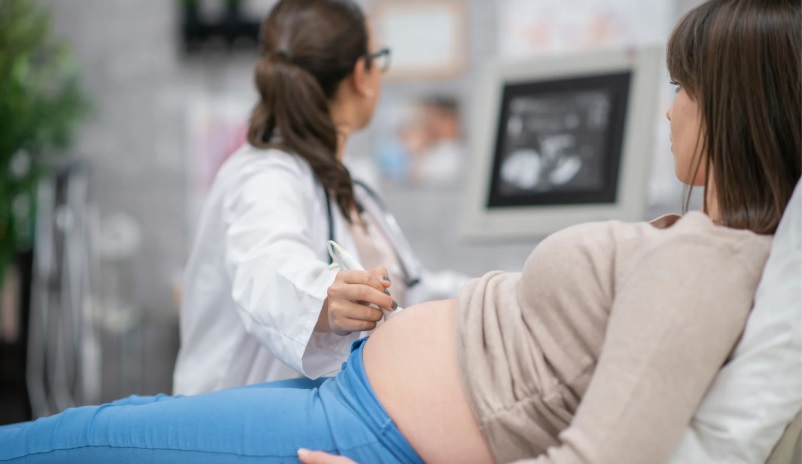
- Ultrasounds and growth scans: Tracking the baby’s growth and placental health provides reassurance.
- Non-stress tests (NSTs): To monitor the baby’s heart rate and activity.
- Specialized care: Maternal-fetal medicine specialists may guide high-risk pregnancies.
- Healthy lifestyle adjustments: A balanced diet, moderate exercise, and prenatal vitamins with folic acid support both mother and baby.
Open communication with your care team is vital. Don’t hesitate to ask questions or request additional monitoring if anxiety is high.
Managing Anxiety in Pregnancy after Stillbirth
Emotional healing is just as important as physical health in pregnancy after stillbirth. Anxiety, fear, and even post-traumatic stress are common. Here are strategies that can help:
- Counseling or therapy: Working with a therapist experienced in pregnancy loss can provide coping tools.
- Support groups: Connecting with others who have experienced similar loss reduces feelings of isolation.
- Mindfulness and relaxation techniques: Deep breathing, meditation, or gentle yoga can reduce stress.
- Clear communication with doctors: Regular updates and reassurance can ease fears.
- Celebrating milestones: Finding ways to honor small progress points can help shift focus toward hope.
It’s normal to feel cautious joy and lingering fear. Acknowledging those emotions while receiving adequate support creates space for healing.
More Information About Stillbirth
Stillbirth occurs in about 1 in 160 pregnancies in the United States, according to the CDC. While it is devastating, many families go on to experience successful pregnancies afterward. Key facts to know:
- Risk factors include: maternal age over 35, obesity, smoking, pre-existing medical conditions, and prior pregnancy complications.
- Preventive steps may include: managing chronic illnesses, quitting smoking, and ensuring regular prenatal care.
- Support systems are critical: Grief counseling, peer support, and family involvement help parents navigate loss.
Medical science has advanced significantly in understanding and preventing stillbirth. With personalized care and close monitoring, most subsequent pregnancies end with a healthy baby.
Common Questions about Managing Pregnancy After Loss (FAQs)
Is pregnancy after stillbirth considered high risk?
Yes, it is classified as high-risk. You will receive closer monitoring to address the causes of the previous loss and to prevent potential complications like miscarriage or recurrent stillbirth, ensuring the best possible outcome.
How Long Would It Take to Get Pregnant Again After a Stillbirth?
Medically, you can often conceive after one cycle. Emotionally, wait until you feel ready. A new pregnancy is possible quickly, but consult your doctor for personalized timing and support.
Is it safe to have another baby after a stillbirth?
Yes, with careful planning. A pregnancy after a stillbirth or neonatal death is considered high-risk but is often successful with increased monitoring to manage underlying causes and provide emotional support.
Am I at higher risk of another stillbirth?
Yes, a previous stillborn baby increases subsequent risk, but the absolute risk remains low. Comprehensive medical evaluation and specialized prenatal care can significantly mitigate this risk and support a healthy pregnancy.
What is the best timing of another pregnancy after stillbirth?
Most experts advise waiting 12-24 months. This allows for physical recovery and emotional healing. Specialized care in pregnancy after stillbirth is crucial for monitoring and supporting a subsequent healthy pregnancy.
What is the role for peer support in pregnancy after loss?
Peer support provides crucial emotional validation, reduces isolation, and offers practical coping strategies from those with shared experiences. This community connection significantly aids mental health during the anxiety of a subsequent pregnancy after a previous loss.
How will I feel about the new baby after previous foetal death?
Feelings are complex and can mix joy with anxiety, guilt, or grief. This “double-awareness” is normal. Professional counseling and peer support can help you navigate these emotions and build a connection with your new baby.
When to get pregnant after stillbirth?
Medically, conception is often safe after 1-2 cycles. Emotionally, wait until you feel ready. While the risk of stillbirth is elevated subsequent to stillbirth, specialized care can greatly improve outcomes in the next pregnancy.
Conclusion
Experiencing a stillbirth is one of the most painful journeys a family can endure. Yet, countless parents have shown that pregnancy after stillbirth is possible, hopeful, and often successful. While risks and emotional challenges remain, medical care, lifestyle adjustments, and emotional support create a strong foundation for healing and new beginnings.
The decision of when and how to try again is deeply personal. With the right guidance, compassionate support, and attentive medical care, many families find that their rainbow baby brings light after unimaginable loss. Hope is real, healing is possible, and your story can include both remembrance and renewal.
You might also like
- 5 Proven Ways to Lower Blood Pressure in Pregnancy Safely
- Can Stress Cause a Stillbirth? (The Shocking Truth)
- What Causes Stillbirth: Key Medical and Lifestyle Factors
- 7 Warning Signs of Stillbirth Every Parent Should Know
- The 5 Key Difference Between Miscarriage and Stillbirth