Noticed a painful mouth ulcer while expecting? A canker sore during pregnancy can feel especially bothersome when you’re already managing so many changes. Could these small sores be linked to hormonal shifts or nutritional needs?
Hormonal fluctuations, stress, and vitamin deficiencies often trigger canker sores in pregnant women. Dr. Mary Jane Minkin, obstetrics expert at Yale School of Medicine, notes that these ulcers are harmless but can cause discomfort and make eating difficult. This article shares the common causes and safe ways to ease the pain.
But understanding the triggers is just the beginning. From soothing home remedies to when you should consult your doctor, let’s explore how to manage a canker and mouth sores pregnancy to keep your mouth healthy and comfortable.
Are Canker Sores Normal During Pregnancy?
Canker sores may appear during pregnancy due to hormonal changes that can affect oral health. Pregnant and non-pregnant women alike may experience these sores, but the weakened immune system during pregnancy can make them more prevalent.
It’s crucial to maintain good oral care by brushing your teeth with fluoride toothpaste and flossing regularly to reduce the amount of bacteria inside the mouth. During the first trimester and second trimester, you should be particularly attentive to your oral health as issues like gingivitis and gum disease can arise.
If you experience a sore mouth or mouth ulcers, it’s essential to consult with a qualified healthcare provider or your dentist. They can help determine if there is a cause for concern and advise on safe treatments, such as using warm salt water or over-the-counter remedies like Oragel.
Regular dental check-ups are vital to ensure that conditions like tooth decay and periodontal disease do not develop, especially since pregnancy may increase the risk of these oral health problems.
The Relationship Between Canker Sores And Pregnancy
Pregnancy triggers profound changes throughout the body, including shifts in hormone levels, immune function, and oral health. These physiological adjustments can create an environment where canker sores are more likely to develop.
For example, hormonal fluctuations—especially increases in progesterone and estrogen—can alter the pH balance of the mouth and make oral tissues more sensitive.
Additionally, the immune system naturally adapts during pregnancy to protect the developing fetus. This temporary immune modulation may reduce the body’s ability to fight off minor irritations or infections, creating conditions that allow mouth ulcers to form more easily.
Emotional factors also play a role. Pregnancy can bring heightened stress or fatigue, both of which are known triggers for canker sores. When these factors combine, the likelihood of developing canker sores can increase significantly.
Are Canker Sores More Common During Pregnancy?
Although research is somewhat limited, anecdotal evidence and clinical observations suggest that many expectant mothers experience an uptick in canker sores during pregnancy. This is likely due to the interplay of physical, hormonal, and nutritional changes.
Women who previously suffered from occasional mouth ulcers may notice them appearing more frequently or healing more slowly. The second and third trimesters, when hormonal fluctuations and dietary needs are most pronounced, can be particularly susceptible times.
That said, canker sores are not inevitable. Proper prenatal care, balanced nutrition, and good oral hygiene can help reduce the risk. It is also important to differentiate canker sores from other conditions such as cold sores or oral infections, which require different treatment approaches.
What Causes Canker Sores during pregnancy?
Several overlapping factors can contribute to the development of canker sores during pregnancy:
- Hormonal fluctuations and imbalance: Elevated levels of estrogen and progesterone can affect oral tissues and immune response, making the mouth more sensitive to minor injuries or irritants.
- Nutritional deficiencies: Pregnancy increases the body’s demand for vitamins and minerals—particularly iron, folic acid, vitamin B12, and zinc. A deficiency in these nutrients is strongly linked to the appearance of mouth ulcers.
- Stress and fatigue: Emotional stress, lack of sleep, and overall fatigue can weaken the immune system and trigger outbreaks.
- Minor trauma: Accidentally biting the inside of the cheek, using a hard-bristled toothbrush, or eating abrasive foods can create small injuries that evolve into canker sores.
- Dietary triggers: Spicy, acidic, or salty foods can irritate the oral mucosa and promote ulcer formation.
- Immune system changes: During pregnancy, immune responses are naturally altered to protect the fetus, which may leave oral tissues more vulnerable to inflammation.
While these factors can occur individually, they often overlap, making pregnant individuals particularly susceptible to repeated or more severe canker sores.
Symptoms of mouth ulcers during pregnancy
The symptoms of canker sores during pregnancy are generally similar to those experienced outside of pregnancy, but hormonal changes can sometimes make the discomfort feel more intense. Key signs include:
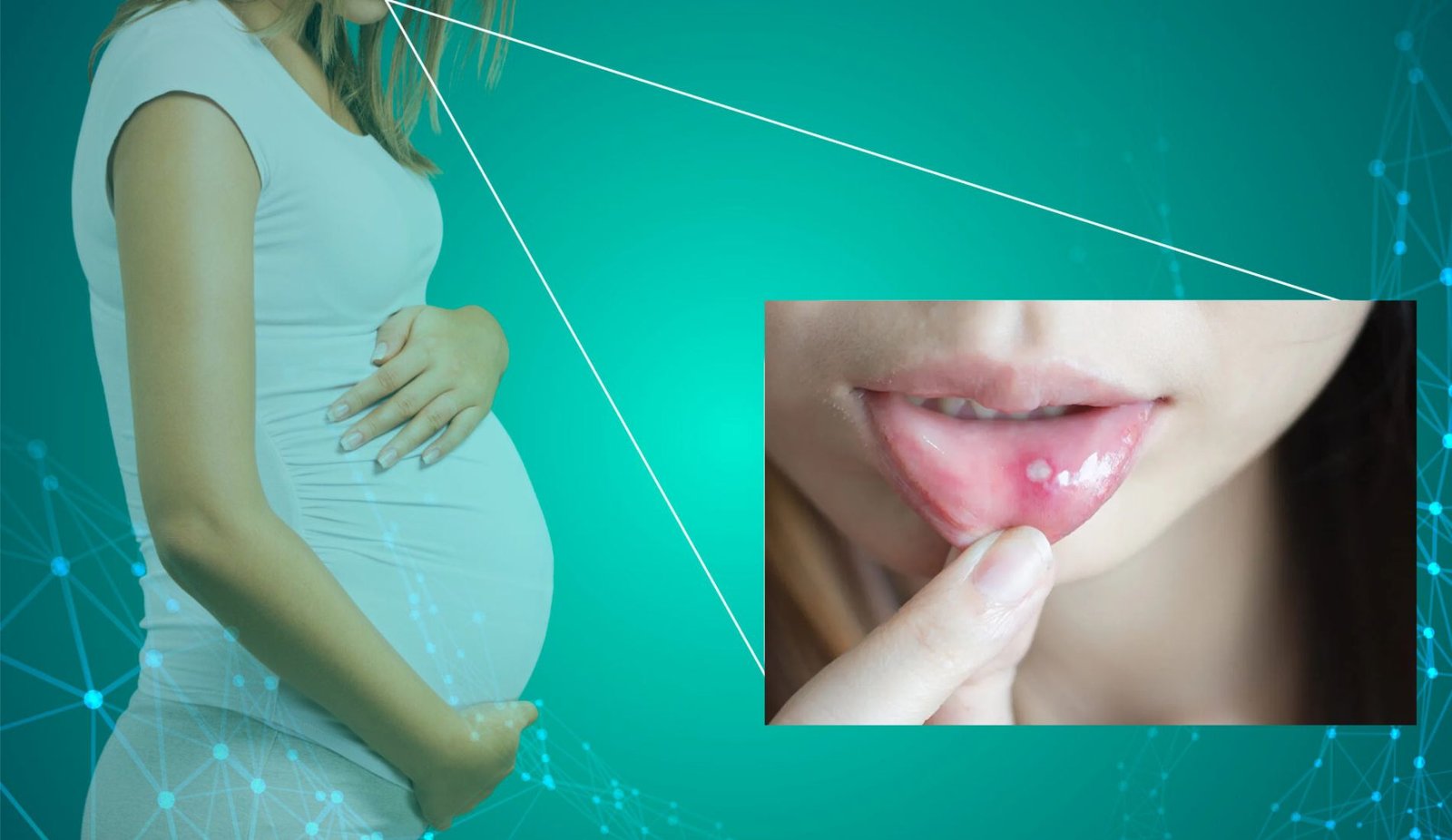
- Round or oval ulcers with a white, yellow, or gray center and a red border.
- Pain or burning sensation, especially when eating, drinking, or speaking.
- Swelling or redness in the surrounding tissue.
- Possible mild fever or swollen lymph nodes if the sores are large or numerous (though this is less common).
These sores typically last from 7 to 14 days and heal without scarring. However, if an ulcer lasts longer than two weeks, grows unusually large, or is accompanied by systemic symptoms such as high fever, medical evaluation is essential.
Are Canker Sores A Pregnancy Symptom?
While canker sores can occur more often during pregnancy, they are not considered a direct symptom of pregnancy. Unlike nausea, missed periods, or breast tenderness, canker sores are not a diagnostic sign of being pregnant.
Instead, they are a secondary effect of the physiological changes that pregnancy brings—such as hormonal shifts, increased nutritional needs, and heightened stress. Therefore, experiencing canker sores is more of an indirect consequence of pregnancy rather than a definitive pregnancy indicator.
What To Do If You Get Canker Sores When Pregnant?
Managing canker sores safely during pregnancy requires a combination of home care and professional guidance. Here are evidence-based strategies:
1. Practice Gentle Oral Hygiene
Use a soft-bristled toothbrush and a mild, alcohol-free mouthwash. Avoid harsh or whitening toothpastes that contain sodium lauryl sulfate, as this ingredient can irritate ulcers.
2. Rinse with Salt Water or Baking Soda Solution
A warm saline rinse (½ teaspoon of salt dissolved in a cup of warm water) or a baking soda rinse can help reduce pain and promote healing.
3. Stay Hydrated and Eat a Balanced Diet
Drink plenty of water and focus on foods rich in folic acid, vitamin B12, iron, and zinc. Leafy greens, lean meats, beans, and fortified cereals can help correct deficiencies that may trigger ulcers.
4. Identify and Avoid Triggers
Track foods or habits that seem to precede outbreaks—such as acidic fruits, spicy dishes, or high-stress situations—and minimize exposure where possible.
5. Use Pregnancy-Safe Topical Treatments
Over-the-counter gels or pastes containing benzocaine or hydrogen peroxide can offer relief, but always check with your healthcare provider before using any medication during pregnancy.
6. Manage Stress
Incorporate stress-reduction techniques such as prenatal yoga, meditation, or gentle exercise to help prevent flare-ups.
7. Consult Your Healthcare Provider
If sores persist longer than two weeks, become unusually painful, or are accompanied by fever, swollen glands, or difficulty eating, seek professional evaluation. Your doctor or dentist can rule out other causes and may recommend pregnancy-safe treatments.
Commonly Asked Questions about Canker Sore During Pregnancy (FAQs)
Are Canker Sores Related To Pregnancy?
Yes, hormonal shifts and increased stress can trigger canker sores, especially in the first trimester of pregnancy. They are usually harmless but can be managed with saltwater rinses and avoiding acidic or spicy foods.
Is mouth sores pregnancy Symptom?
Yes, hormonal changes can cause mouth sores like canker sores during pregnancy, often in the first trimester. While not a primary symptom, they are a common discomfort that typically resolves on its own.
What are canker sore pregnancy signs?
Canker sores appear as small, painful white or gray ulcers with a red border inside the mouth. During pregnancy, they are a common but minor sign, often linked to hormonal changes and nutritional shifts like iron deficiency.
When should I call the dentist about bleeding gums during pregnancy?
Call if bleeding is persistent, accompanied by pain, loose teeth, or large lumps. While “pregnancy gingivitis” is common, severe symptoms could indicate a more serious infection requiring professional dental care to protect your health.
What are common problems during pregnancy?
Common issues include nausea, fatigue, heartburn, back pain, and frequent urination. More significant concerns can involve gestational diabetes, preeclampsia, or anemia. Regular prenatal care is essential to monitor and manage these conditions for a healthy outcome.
Is canker sore a sign of pregnancy?
While not a definitive sign, hormonal changes can make canker sores more frequent early in pregnancy. They are a secondary symptom, not a primary indicator like a missed period or nausea.
Why is it important to have good oral health during pregnancy?
Poor oral health allows bacterial plaque to enter the bloodstream, potentially causing inflammation linked to preterm birth and preeclampsia. Good hygiene protects both maternal and fetal health, making dental care a vital part of prenatal wellness.
Is canker sore early pregnancy sign?
Canker and mouth sores are not a common early sign of pregnancy. They can occur due to mouth sores, consult a healthcare professional for advice.
Are Canker Sores Safe During Pregnancy?
Generally, yes. Common mouth sores like canker sores are safe but uncomfortable. However, consult your doctor if sores are severe, persistent, or accompanied by fever, as this could indicate a more serious infection requiring treatment.
Is canker sore early sign of pregnancy?
Not typically an early sign of pregnancy. They may occur due to stress, hormonal changes, or dietary deficiencies. If you have concerns about symptoms or potential pregnancy, consult a healthcare provider for accurate information.
What are causes of canker sores?
Common causes include minor mouth injury, stress, acidic foods, vitamin deficiencies, and hormonal shifts. They can also be triggered by certain toothpastes or a genetic predisposition, and are not contagious.
Conclusion
What to Know About Oral Health and Pregnancy? A canker sore during pregnancy is a common but manageable discomfort. Although these small ulcers can be painful, understanding their triggers—ranging from hormonal changes and nutritional deficiencies to stress and minor oral injuries—makes it easier to prevent and treat them.
By maintaining excellent oral hygiene, eating a nutrient-rich diet, staying hydrated, and using safe home remedies, most expectant mothers can reduce the frequency and severity of canker and mouth sores. If ulcers become persistent or unusually severe, always consult your healthcare provider for guidance. With the right preventive care and prompt attention, you can keep your mouth healthy and focus on enjoying a safe, comfortable pregnancy.
Recommended posts
- Is Feeling Cold in Early Pregnancy Normal? What Doctors Say
- Is Iron Transfusion While Pregnant Safe? (Essential Guide)
- Elevated WBC During Pregnancy: Causes, Normal Ranges & Concerns
- The Real Reasons Behind Hiccups in Early Pregnancy (Revealed)