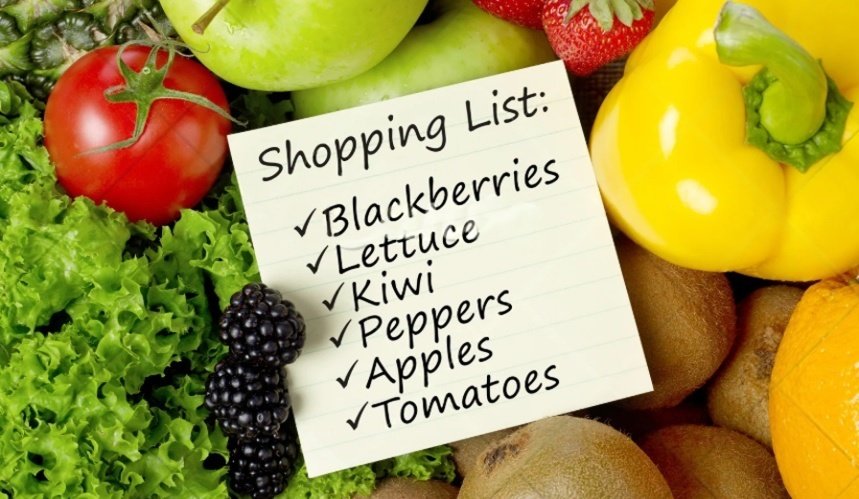
Looking for a Gestational Diabetes Grocery List that makes healthy shopping easier during pregnancy? Do you ever feel confused about what foods to add to your cart and which ones to leave behind? Managing GDM can feel overwhelming, but the right grocery list can simplify your choices and keep both you and your baby healthy.
This article highlights the best grocery list for gestational diabetes. From high-fiber whole grains and lean proteins to fresh vegetables and low-glycemic fruits, we cover the essentials you need. We’ll also share smart swaps and practical shopping tips so you can build balanced meals with confidence.
But that’s just the start. With insights inspired by nutrition experts like the American Diabetes Association, we’ll help you transform your grocery runs into stress-free, health-focused routines. So, let’s dive into the ultimate list that keeps your blood sugar stable while supporting your pregnancy journey.
What’s on Your Grocery list? (Meal ideas)
When you’re managing gestational diabetes, meal planning is the secret weapon that keeps your blood sugar balanced. The right grocery list should reflect meals and snacks that are quick to prepare, tasty, and supportive of your nutritional needs.
Here are some meal ideas to inspire your shopping:
- Breakfast: Greek yogurt with chia seeds, sliced almonds, and fresh berries; or scrambled eggs with sautéed spinach and whole grain toast.
- Mid-Morning Snack: A small apple with peanut butter; or string cheese with cucumber slices.
- Lunch: Grilled chicken salad with avocado, olive oil dressing, and a side of quinoa.
- Afternoon Snack: A handful of walnuts with baby carrots; or hummus with whole grain crackers.
- Dinner: Salmon with roasted vegetables and brown rice; or lean beef stir fry with broccoli, bell peppers, and cauliflower rice.
- Evening Snack: Cottage cheese with a sprinkle of cinnamon; or no-sugar beef jerky with a boiled egg.
The goal is to pair carbs with protein or healthy fat, which helps slow down glucose absorption and keeps energy steady.
Exclusive Gestational Diabetes Grocery List:
Below is a structured list divided into key categories. You can use it directly as your shopping checklist.
Breakfast Cereals and Snacks
- Unsweetened oatmeal (steel-cut or rolled)
- Bran flakes (no added sugar)
- High-fiber cereal (look for >4g fiber, <8g sugar per serving)
- Plain Greek yogurt
- Natural nut butter (almond, peanut, cashew)
- Chia seeds and flaxseeds
Fruits and Vegetables
(Choose fresh, local, or organic when possible. Focus on non-starchy veggies and portion-controlled fruit.)
- Apples, pears, berries (blueberries, raspberries, strawberries)
- Citrus fruits (oranges, grapefruits)
- Avocados (great source of healthy fat)
- Leafy greens (spinach, kale, romaine, Swiss chard)
- Cruciferous vegetables (broccoli, cauliflower, Brussels sprouts)
- Zucchini, bell peppers, cucumbers, carrots, celery
- Tomatoes and mushrooms
- Sweet potatoes (in moderation, paired with protein)
Frozen Foods
- Frozen berries (no sugar added)
- Spinach, kale, and broccoli florets
- Cauliflower rice (a low-carb alternative)
- Salmon fillets, cod, or tilapia
- Sausage
- Frozen turkey burgers or chicken breast (unseasoned)
Canned Goods
- Tuna and salmon (packed in water)
- Chickpeas, black beans, kidney beans (rinse to reduce sodium)
- Coconut milk (unsweetened, for cooking)
- Diced tomatoes (no added sugar or salt)
- Low-sodium chicken or vegetable broth
Whole Grains
- Quinoa
- Brown rice
- Barley
- Whole wheat bread or tortillas (look for “100% whole grain” as the first ingredient)
- Lentils
- Whole grain crackers
Full fat Dairy
(Opt for full-fat versions in moderation; they slow glucose spikes and support satiety.)
- Whole milk (organic if available)
- Full-fat Greek yogurt
- Hard cheeses (cheddar, parmesan, mozzarella)
- Cottage cheese
- Unsweetened kefir
Healthy Snacks
- Raw nuts (almonds, walnuts, pistachios)
- Seeds (pumpkin, sunflower, chia)
- Hard-boiled eggs
- Hummus with sliced vegetables
- String cheese or Babybel cheese
- Rice cakes topped with nut butter and cucumber slices
No sugar beef jerky
- Look for brands labeled “no sugar added” or “0g added sugar”
- Grass-fed beef or turkey jerky options
- Avoid artificial flavors or excessive sodium
This list ensures you’ll always have blood sugar-friendly options at home, making it easier to resist processed foods or last-minute takeout.
Can you Eat Foods Not on This List?
Yes — but with careful consideration. The above GD Grocery List gives you the safest, most consistent foods for managing your blood sugar. However, it doesn’t mean everything outside of it is forbidden.
Here’s how to handle other foods:
- Portion control matters: Even if you choose a higher-carb food, pairing it with protein or fat reduces glucose spikes.
- Test your response: Everyone’s body reacts differently. Use your glucose monitor to see how new foods affect your levels.
- Occasional treats are okay: A small slice of whole grain toast with jam, a piece of dark chocolate, or even a bite of your favorite dessert can fit in, as long as you balance it with protein.
- Avoid refined sugars and white flour: Pastries, sodas, and white bread are best skipped, as they cause rapid spikes.
In short: think of the list as your “foundation.” You can expand it with mindful choices and by paying attention to how your body responds.
Gestational Diabetes Diet on a Budget
Eating well with GDM doesn’t have to be expensive. With smart planning, you can stick to your grocery list without overspending.
Budget-friendly tips:
- Buy in bulk: Whole grains, beans, and nuts often cost less when purchased in larger quantities.
- Frozen > fresh: Frozen vegetables and fruits are just as nutritious as fresh and usually cheaper.
- Canned proteins: Tuna, beans, and salmon provide affordable protein sources.
- Plan meals in advance: Write down meals for the week to avoid impulse buys.
- Seasonal produce: Choose fruits and vegetables that are in season to save money.
- Cook in batches: Preparing big portions of soups, stews, or casseroles saves both time and money.
- Generic brands: Store-brand items often have the same quality as name brands but cost less.
A thoughtful grocery list can help you avoid unnecessary purchases while keeping your diet nutrient-rich and balanced.
Commonly Asked Questions about Gestational Diabetes Shopping List (FAQs)
What should I include in my gestational diabetes grocery list?
A gestational diabetes grocery list should include a variety of nutrient-dense foods that help manage blood sugar levels. Focus on fresh produce, non-starchy vegetables, lean proteins like chicken or canned tuna, whole grains, and healthy fats. Always check labels for glycemic index and aim for foods high in protein and fiber, such as legumes and whole grain options, to help maintain stable blood sugar levels.
How can I save time with my grocery shopping for gestational diabetes?
To save time, plan a weekly menu that includes diabetes-friendly recipes. Create a grocery list based on those meals and categorize items to streamline your shopping experience. Consider buying in bulk, preparing meals in advance, and choosing seasonal produce to make your grocery trips quicker and more efficient.
What types of foods should I avoid on my gestational diabetes grocery list?
Avoid foods high in refined sugars and carbohydrates, such as white pasta, sugary snacks, and beverages like juice that can spike blood sugar levels. Instead, focus on ideal food choices that promote stable blood sugar, such as whole grains, lean proteins, and healthy fats.
Are there any ideal snacks for gestational diabetes?
Yes, ideal snacks include options that are high in protein and fiber. Consider granola bars made with whole ingredients, raw nuts, or yogurt with fresh fruit. These snacks can help prevent blood sugar spikes and keep you satisfied between meals.
How can I label my grocery items to manage gestational diabetes?
Labeling your grocery items can help track your food choices more effectively. Consider creating a system that categorizes foods based on their glycemic index or nutrient content, making it easier to identify diabetes-friendly options when shopping or planning meals.
What should I focus on when reading food labels for gestational diabetes?
When reading food labels, look for whole food ingredients, low sugar content, and high fiber levels. Pay attention to serving sizes and aim for options that contain healthy fats and lean proteins. Understanding these details can aid in managing your condition effectively.
Can a dietitian help me create a gestational diabetes grocery list?
Absolutely! A dietitian can provide personalized guidance tailored to your dietary needs. They can help you create a grocery list that aligns with your lifestyle, preferences, and nutritional requirements, ensuring you make the best food choices to manage GDM.
What are some meal prep ideas for keeping my grocery list diabetes-friendly?
Meal prep can be an effective strategy for managing gestational diabetes. Consider preparing dishes that incorporate lean proteins, whole grains, and plenty of vegetables. Cooking large batches of meals like chicken stir-fry or quinoa salad can help you stock your fridge with diabetes-friendly options that are ready to eat throughout the week.
How do different foods affect blood sugar levels?
Different foods affect blood sugar levels in various ways. Foods high in carbohydrates can raise blood sugar levels, while those rich in protein and fiber can help stabilize them. Understanding how your body reacts to certain foods can guide your grocery choices and meal planning, making it easier to manage type 2 diabetes.
Conclusion
GDM can feel challenging at first, but with the right tools and preparation, you can confidently nourish yourself and your baby. This Gestational Diabetes Grocery List is more than just a checklist—it’s a guide for building balanced meals, choosing smart snacks, and keeping your blood sugar stable.
By focusing on whole foods, fiber-rich carbs, healthy fats, and lean proteins, you’ll not only manage your condition effectively but also support your overall well-being. Remember: flexibility is key. You don’t have to eat perfectly, just consistently. With planning, budget-friendly strategies, and mindful choices, you’ll feel empowered every time you grocery store, cook, and eat.
Your grocery cart is now a powerful tool for a healthier pregnancy. Fill it wisely, and you’ll give both yourself and your baby the best possible start.
You might also like
- 15 Best Gestational Diabetes Dinner Ideas for Balanced Meals
- Will Gestational Diabetes Make You Tired? (The Early Signs)
- 10 Easy and Delicious Gestational Diabetes Lunch Ideas