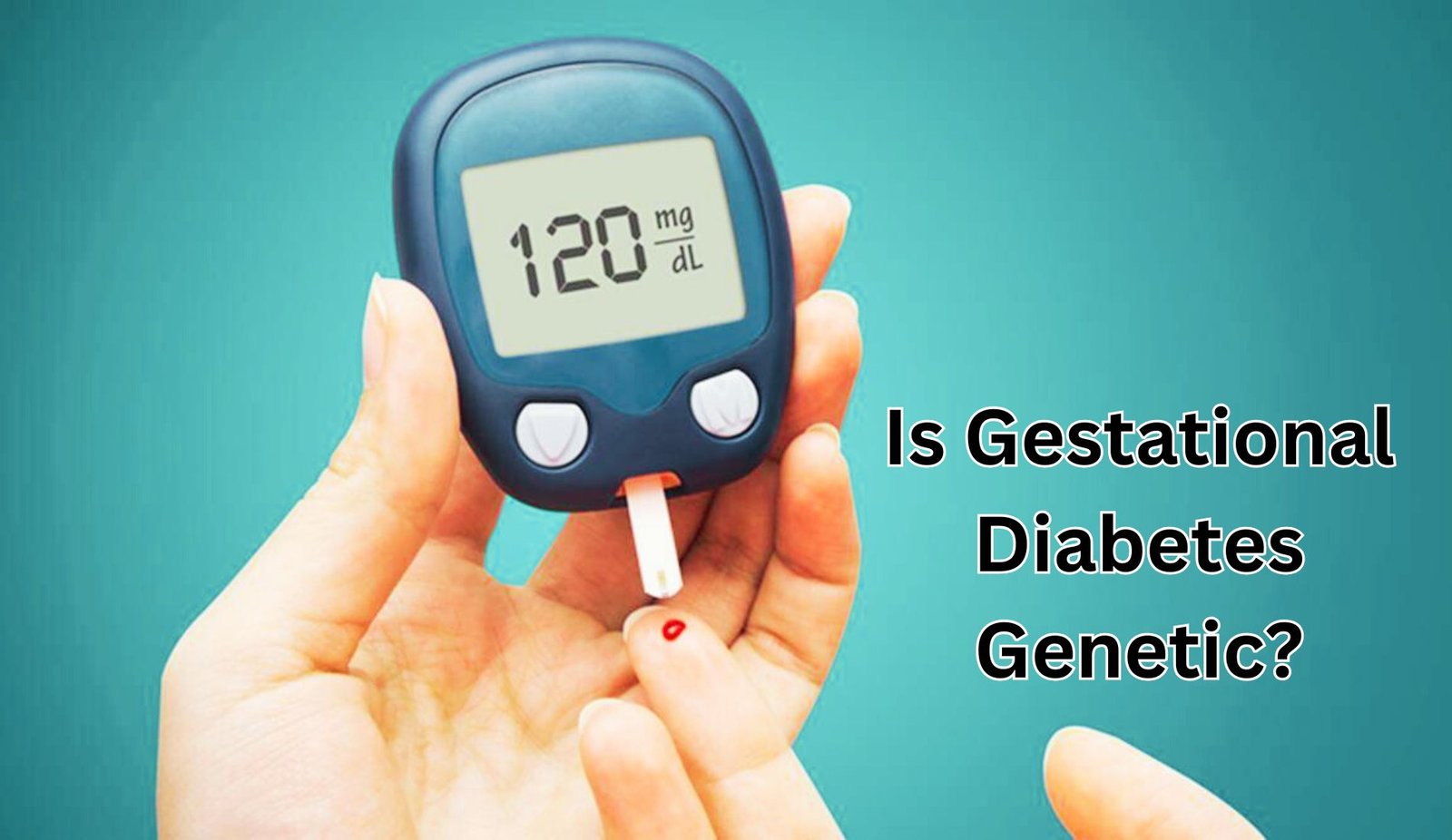
Is gestational diabetes genetic from mother or father? If you or someone close to you is expecting, this question might already be on your mind. Could the baby’s risk depend more on maternal genes, or does the father’s side play an equal role? Understanding the origins of this pregnancy-related condition can help families prepare and take preventive steps early.
Current genome-wide association study of gestational diabetes shows both parents can contribute to a baby’s genetic risk, but the mother’s health and family history carry more weight. Studies from experts like Dr. Cuilin Zhang at the National Institute of Child Health and Human Development highlight that maternal genetics and lifestyle strongly influence gestational diabetes. The article explains these findings and how paternal factors also matter, but to a lesser extent.
Curious how lifestyle, genes, and even the father’s background combine to affect the chances? Dr. Zhang’s insights and recent clinical studies will guide you through the science. Let’s dive deeper into the key genetic links and practical steps every parent-to-be should know before the next prenatal check-up.
Is Gestational Diabetes Genetic from Father?
This is a common and crucial question. The short answer is yes, a genetic predisposition to gestational diabetes can be inherited from the father. For a long time, the focus was primarily on the mother’s family history, but research has clarified that the father’s genetic contribution is equally significant.
The logic is rooted in basic genetics. A baby receives half of its chromosomes from the mother and half from the father. This includes genes that regulate insulin production, insulin sensitivity, and overall metabolic function.
If the father carries genetic variants that increase the risk of insulin resistance or beta-cell dysfunction (the cells in the pancreas that produce insulin), he can pass these variants to his daughter. When that daughter becomes pregnant, the added metabolic stress of pregnancy can unmask this inherited predisposition, leading to the development of GDM.
Evidence from family and population studies supports this:
- Family History Studies: study of gestational diabetes mellitus shows that having a first-degree relative (parent or sibling) with type 2 diabetes (T2DM) is a strong risk factor for GDM. This risk is present whether that relative is on the mother’s side or the father’s side.
- Paternal Line of T2DM: Specific studies have compared the risk of GDM in women whose fathers had T2DM versus those whose mothers had T2DM. While some early studies suggested a slightly stronger maternal link, more robust, large-scale studies have concluded that a paternal history of diabetes confers a similar, and sometimes equal, risk for the development of GDM in the daughter.
Therefore, it is a misconception to believe that only the mother’s genetics are responsible. When assessing your risk for gestational diabetes, your partner’s family health history is just as important as your own.
The Role of Genetic Factors in the Development of Gestational Diabetes
Gestational diabetes occurs when a pregnant woman’s body cannot produce enough insulin to overcome the insulin resistance that naturally develops in late pregnancy. Insulin resistance is caused by hormones produced by the placenta. Genetics plays a fundamental role in determining how well a woman’s pancreatic beta-cells can compensate for this resistance.
Think of it as a “stress test” for the pancreas. Pregnancy places a metabolic demand on the body. Women with a robust, genetically determined pancreatic reserve can ramp up insulin production sufficiently to keep blood sugar normal. However, women with a genetic predisposition have a limited capacity to increase insulin secretion. When the demand outstrips the supply, blood glucose levels rise, resulting in GDM.
The heritability of GDM is substantial. Studies involving twins have been particularly revealing. If one identical twin (who shares 100% of her DNA) develops GDM, the other twin has a significantly higher risk of also developing it compared to non-identical twins (who share about 50% of their DNA). This strongly points to a genetic underpinning.
Key genetic factors involved include:
- Beta-Cell Dysfunction Genes: Variants in genes that control the development, function, and survival of insulin-producing beta-cells.
- Insulin Signaling Genes: Variants in genes that are part of the pathway that allows insulin to signal cells to take up glucose from the blood.
- Obesity and Metabolism Genes: Genes that influence body weight, fat distribution, and appetite, which are indirect but powerful contributors to insulin resistance.
Mechanisms Underlying Genetic Predisposition
To understand how genetics lead to GDM, we need to look at the specific biological mechanisms that genetic variants disrupt. The primary defect in most cases of GDM is an inability of the pancreatic beta-cells to compensate for pregnancy-induced insulin resistance. Several key mechanisms are involved:
- Glucose Sensing and Insulin Secretion: In the pancreas, beta-cells must accurately sense rising blood glucose levels and respond by releasing the appropriate amount of insulin. Genetic variants in genes like GCK (glucokinase), which acts as the body’s glucose sensor, can impair this process. If the sensor is faulty, insulin isn’t secreted when it should be.
- Beta-Cell Mass and Regeneration: Pregnancy normally triggers a temporary increase in the number and function of beta-cells. Genes that control beta-cell growth and replication (e.g., TCF7L2) are critical. Certain variants in these genes can blunt this adaptive response, leaving the pancreas with insufficient insulin-producing capacity.
- Insulin Resistance in Tissues: While beta-cell dysfunction is the primary culprit, genetic variants can also exacerbate insulin resistance in muscle, fat, and liver cells. Genes involved in the insulin receptor signaling pathway, if altered, can mean that even when insulin is present, cells are less responsive to it. This creates a double burden: the body is both resistant to insulin and cannot produce enough to overcome it.
- Inflammation and Adipokine Signaling: Fat tissue (adipose) is an active endocrine organ that releases hormones called adipokines. Genetic factors influence the production of these molecules. An imbalance, such as high levels of pro-inflammatory cytokines and low levels of protective adipokines like adiponectin, can promote systemic inflammation and worsen insulin resistance.
Association of T2DM Genetic Variants in GDM
Gestational diabetes and type 2 diabetes are considered to be on the same spectrum of disease. They share the core pathologies of insulin resistance and beta-cell dysfunction. It is no surprise, then, that many of the genetic variants identified as risk factors for T2DM are also strongly associated with GDM.
Genome-Wide Association Studies (GWAS) have been instrumental in identifying these common genetic variants. Here are some of the most significant T2DM genes linked to GDM risk:
- TCF7L2 (Transcription Factor 7-Like 2): This is the strongest known genetic risk factor for T2DM. Variants in the TCF7L2 gene significantly increase the risk of GDM as well. The gene is involved in the Wnt signaling pathway, which is crucial for beta-cell survival and function. The risk variant impairs insulin secretion.
- MTNR1B (Melatonin Receptor 1B): This gene encodes a receptor for melatonin, the hormone that regulates sleep-wake cycles. A variant in MTNR1B is associated with elevated fasting glucose and an increased risk of both T2DM and GDM. It is thought to inhibit insulin release from beta-cells, particularly problematic during the metabolic stress of pregnancy.
- GCK (Glucokinase): As mentioned earlier, GCK is the glucose sensor for the beta-cell. Certain GCK mutations cause a mild form of monogenic diabetes (MODY), and more common variants are linked to higher fasting glucose levels and GDM risk.
- KCNJ11 and ABCC8: These genes code for subunits of the ATP-sensitive potassium channel (KATP channel) in beta-cells, a key gatekeeper for insulin secretion. Variants in these genes can disrupt the finely tuned process of glucose-stimulated insulin release.
- IRS1 (Insulin Receptor Substrate 1): This gene is involved in the insulin signaling pathway within cells. Variants in IRS1 are more associated with insulin resistance than beta-cell dysfunction.
The presence of these risk variants, especially in combination, increases a woman’s susceptibility. However, it’s crucial to remember that these variants are common in the general population, and many women with these variants never develop diabetes. They increase risk, but they are not deterministic.
Impacts of environmental factors and the lifestyle modification that could impact GDM
While genetics load the gun, environment and lifestyle often pull the trigger. A genetic predisposition alone is usually not enough to cause GDM; it requires the interaction with modifiable risk factors. This is empowering news, as it means proactive lifestyle changes can significantly reduce risk, even in genetically susceptible women.
Key Environmental and Lifestyle Risk Factors:
- Overweight and Obesity: This is the single most significant modifiable risk factor. Excess adipose tissue, particularly visceral fat, promotes inflammation and insulin resistance even before pregnancy.
- Sedentary Lifestyle: Physical activity helps muscles use glucose more efficiently, improving insulin sensitivity. A lack of exercise has the opposite effect.
- Poor Diet: A diet high in refined carbohydrates, sugars, and saturated fats contributes to weight gain and can lead to metabolic dysfunction.
- Advanced Maternal Age: Women over 35 have a higher risk of developing GDM, partly due to an age-related decline in insulin sensitivity.
- Ethnicity: Women of South Asian, Hispanic, African American, and Native American descent have a higher prevalence of GDM, which is linked to a combination of genetic and lifestyle factors.
Evidence-Based Lifestyle Modifications for Prevention:
- Preconception Weight Management: Achieving a healthy weight before pregnancy is one of the most effective strategies. Even a 5-7% reduction in body weight can dramatically improve insulin sensitivity and reduce GDM risk.
- Regular Physical Activity: Engaging in at least 150 minutes of moderate-intensity exercise (like brisk walking, swimming, or cycling) per week before and during pregnancy is highly protective. Exercise acts like a natural insulin sensitizer.
- Adopting a Balanced Diet: Focus on a whole-foods-based diet:
- High Fiber: Whole grains, legumes, vegetables, and fruits slow down sugar absorption.
- Healthy Fats: Avocados, nuts, seeds, and olive oil improve metabolic health.
- Lean Protein: Fish, poultry, and plant-based proteins promote satiety and stabilize blood sugar.
- Limit Processed Foods and Sugary Drinks: These cause rapid spikes in blood glucose and insulin.
- Early and Regular Screening: For women with a strong family history (from either parent), discussing risk with a doctor early in pregnancy or even before conception allows for closer monitoring and early intervention.
Other Genetic Issues Associated with Gestational Diabetes
Beyond the common polygenic risk discussed so far, there are other important genetic considerations in GDM.
- Monogenic Diabetes of the Young (MODY) Misdiagnosed as GDM: In rare cases, what appears to be GDM is actually a mild, previously undiagnosed form of monogenic diabetes. For example, GCK-MODY and HNF1A-MODY can first be detected during routine pregnancy glucose screening. This is important because the management and implications for the baby can be different. Red flags include a personal history of mild fasting hyperglycemia outside of pregnancy, a strong family history of diabetes across multiple generations in an autosomal dominant pattern (affecting every generation), and GDM that is relatively easy to manage with low-dose medication.
- Genetic Impact on the Fetus (The Thrifty Phenotype Hypothesis): This theory posits that when a fetus is exposed to high blood sugar in the womb, its metabolism adapts to a “thrifty” state, expecting a nutrient-scarce environment after birth. If the child is then born into a world of plentiful food, this mismatch increases their lifelong risk of obesity and type 2 diabetes. This is a nongenetic (epigenetic) inheritance of risk from mother to child.
- Epigenetics: Pregnancy is a period of rapid development where environmental factors (like maternal nutrition and blood sugar levels) can cause epigenetic modifications—chemical tags on DNA that turn genes on or off. These changes can alter the long-term metabolic health of the child, potentially creating a cycle of diabetes risk that is transmitted across generations without changes to the underlying DNA sequence.
Perspectives in Genetic Studies of GDM
The field of genetics is rapidly evolving, and research into GDM is becoming more sophisticated. Future directions hold great promise for improving prediction, prevention, and personalized treatment.
- Improved Polygenic Risk Scores (PRS): Currently, PRS combine the effects of many common genetic variants to estimate an individual’s genetic susceptibility. Future research will refine these scores for GDM specifically, incorporating data from diverse ethnic backgrounds to ensure equity in predictive medicine.
- Integration of Omics Data: The future lies in integrating genetic data with other “omics” – such as the transcriptome (all RNA transcripts), proteome (all proteins), and metabolome (all metabolites). This systems biology approach will provide a holistic view of the pathways disrupted in GDM, identifying novel biomarkers for early detection.
- Gene-Environment Interaction Studies: Understanding how specific genetic variants interact with specific dietary or exercise interventions is key. This will pave the way for personalized nutrition and lifestyle recommendations. For instance, a woman with a specific genetic profile might benefit more from a particular type of exercise or macronutrient balance.
- Epigenetic Biomarkers: Identifying specific epigenetic marks associated with GDM could lead to simple blood tests that predict risk with high accuracy, allowing for very early, targeted preventative strategies.
Common Questions about the Genetic Basis of Gestational Diabetes Mellitus (FAQs)
Is gestational diabetes caused by the father?
No, it is not. Gestational diabetes is caused by placental hormones affecting insulin. While type 1 diabetes has a strong genetic architecture, the father’s genes do not directly cause gestational diabetes in the mother.
is gestational diabetes genetic or environmental?
It is both. A genetic predisposition increases risk, but environmental factors like obesity, poor diet, and advanced maternal age are primary triggers that cause insulin resistance during pregnancy.
Is gestational diabetes caused by the placenta?
Yes. Hormones produced by the placenta cause insulin resistance. This condition also significantly increases the mother’s lifelong risk of type 2 diabetes mellitus after delivery, requiring ongoing health monitoring.
Is gestational diabetes dangerous?
Yes, if unmanaged it can harm pregnancy outcome, leading to preterm birth or infant health issues. While there are genetic associations, proper treatment through diet and medication greatly reduces these dangers for mother and baby.
Is gestational diabetes permanent?
No, it typically resolves after delivery when placental hormones disappear. However, it significantly increases your lifelong risk of developing type 2 diabetes, making ongoing screening and a healthy lifestyle essential.
Is gestational diabetes common?
Yes, it affects 2-10% of pregnancies annually. The risk of gestational diabetes mellitus is higher with obesity, advanced maternal age, or a family history of diabetes, making screening a standard part of prenatal care.
What causes gestational diabetes?
It’s caused by pregnancy hormones from the placenta making the body insulin-resistant. While there can be a shared genetic predisposition, the condition is specifically triggered by metabolic changes during pregnancy.
Conclusion
So, is gestational diabetes genetic from mother or father? The evidence is clear: a predisposition can be inherited from either parent. The father’s genetic contribution to his daughter’s risk of GDM is significant and should not be overlooked. GDM is not caused by a single “diabetes gene” but rather by a combination of many genetic variants, each contributing a small amount of risk. These genes primarily affect the pancreas’s ability to secrete enough insulin to meet the demands of pregnancy.
However, genetics is only part of the story. Lifestyle factors like diet, physical activity, and body weight play a powerful role in determining whether a genetic predisposition manifests as clinical disease. This interaction between genes and environment is the central theme of gestational diabetes.
The most empowering takeaway is that while we cannot change our genes, we can profoundly influence our metabolic health through modifiable lifestyle choices. By understanding your family history, adopting a healthy lifestyle before and during pregnancy, and engaging in proactive prenatal care, you can significantly mitigate your risk and pave the way for a healthier pregnancy for both you and your baby.
Recommended posts
- 7 Warning Signs of Gestational Diabetes You Shouldn’t Ignore
- 10 Gestational Diabetes Breakfast Foods: (Healthy & Tasty)
- Fasting Blood Sugar level for Pregnancy (What is the Normal Level)
- The Hidden Risks of Gestational Diabetes Overdiagnosis
- The Link Between Preeclampsia and Gestational Diabetes
- Gestational Diabetes Effects on Babies: Is Your Baby at Risk?