
Why does your newborn cry the moment you put them down? Is it normal, or should you be worried? Understanding your baby’s needs can help ease their distress and give you peace of mind.
Newborns cry when put down due to their need for closeness, comfort, and security. Their tiny bodies crave warmth, your heartbeat, and the reassurance of your touch. Experts like Dr. Harvey Karp suggest using swaddling, white noise, and gentle rocking to help soothe your baby.
But that’s just the beginning! There are many effective ways to calm your newborn and encourage independent sleep. Let’s explore expert-backed solutions to keep both you and your little one happy and well-rested.
Why Your Newborn Cries When Put Down?
Why does my baby cry when I put them to bed? Newborns often cry when put down due to their instinctual need for closeness and comfort, which they experienced in the womb. The transition from being held to lying in a crib can trigger feelings of insecurity, leading to crying as they experience separation anxiety.
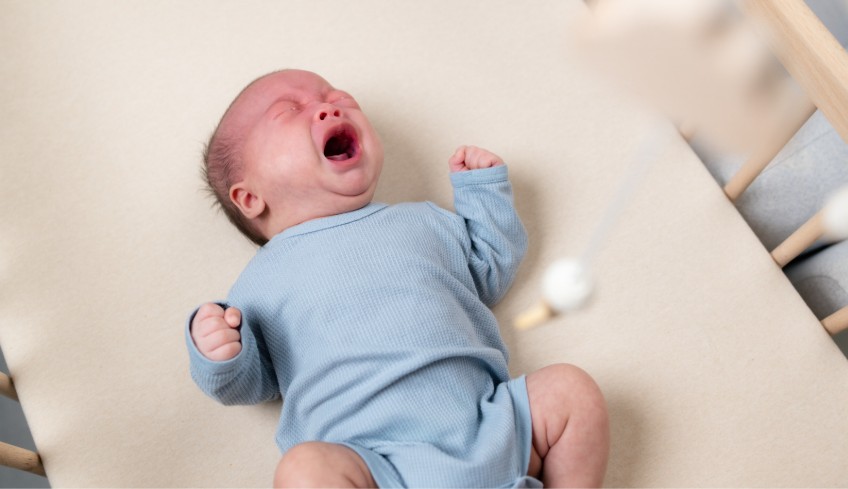
As caregivers, it’s important to recognize that this behavior is completely normal for newborn babies, especially in the first few weeks of life. The feeling of safety that comes from being held is difficult for many little ones to replicate when they are placed in a crib.
Understanding this can help you be more patient as you navigate the sometimes challenging experience of putting your baby down for sleep. Additionally, newborns are still developing their sense of object permanence —the understanding that objects continue to exist even when they can’t be seen. This developmental stage can heighten their distress when they can no longer see or feel their caregiver nearby.
The discomfort from lying flat after being held may also contribute to excessive crying. Parents can mitigate these feelings by slowly introducing their baby to the crib environment and using calming techniques, such as swaddling or white noise, to help soothe their little one as they transition to fall asleep.
Common Reasons Babies Get Upset at Bedtime.
Several factors contribute to why a baby may cry at bedtime. One significant reason is the disruption of their routine; babies thrive on consistency, and any deviation can lead to fussiness.
When babies are overtired or overstimulated, they can become overwhelmed and may cry when it’s time to sleep. This can be particularly true for a fussy newborn who is still adjusting to the world outside the womb.
Establishing a calming bedtime routine can help signal to your little one that it’s time to wind down, reducing their chances of crying when put down.
Another common reason for crying at bedtime is discomfort from hunger, wet diapers, or even teething. A caregiver should ensure that the baby is well-fed and comfortable before attempting to put them down for sleep.
Sometimes, babies may also cry due to sensory overload; bright lights, loud noises, or even too many people can be overwhelming for a sensitive newborn. Using a baby carrier during the day can help keep your little one close and provide the comfort they crave, making bedtime smoother when they are finally laid down to sleep.
How Long Does Baby Colic Last?
Colic is a term used to describe excessive crying in infants, often occurring in the first few months of life. Typically, colic can last from around six weeks old to three months, but each baby is unique.
During this period, parents may notice their baby crying for extended periods, often in the late afternoon or evening. The exact cause of colic remains unknown, but it can be exacerbated by factors such as gas, an immature digestive system, or even the baby’s temperament.
Understanding colic can help caregivers manage their expectations and provide the necessary comfort during this challenging time. Techniques such as gentle rocking, swaddling, or using a baby carrier may help calm a fussy baby.
Additionally, parents should seek support from pediatricians or local support groups if they find themselves overwhelmed. Knowing that this phase is temporary can provide reassurance as you navigate the colic experience with your little one.
Newborn Excessive Crying Side Effects
Excessive crying in newborns can lead to various side effects, both for the baby and the caregivers. For the baby, prolonged crying can result in increased stress levels, impacting their ability to relax and sleep through the night.
This can create a cycle where the baby becomes more fussy and difficult to soothe. For caregivers, the emotional toll of dealing with a crying baby can lead to feelings of frustration, helplessness, or inadequacy as they try to help their little one stop crying.
Moreover, excessive crying can impact bonding and attachment between the caregiver and the baby. When an infant cries when put down consistently, caregivers may feel less confident in their ability to soothe their baby, which can affect their interactions.
It’s crucial for caregivers to prioritize self-care and seek support during these challenging times. Implementing strategies like establishing a calming routine or using soothing techniques can help reduce excessive crying and promote a healthier emotional environment for everyone involved.
How Can You Calm a Crying Baby Fast?
When faced with a crying baby, it’s essential to have effective strategies to calm them quickly. One of the most effective methods is to hold your baby close in a baby carrier, providing them with the comfort of your presence.
The gentle motion of walking or rocking while holding your baby can soothe them. Additionally, swaddling your baby snugly can create a sense of security, mimicking the cozy environment of the womb and helping your little one feel safe.
Using white noise machines can also be beneficial in calming a crying baby. The rhythmic sounds can mimic the noises they heard while in the womb, helping to lull them to sleep.
If your baby continues to cry, consider gently bouncing them or offering a pacifier, as sucking can be a natural way for babies to self-soothe.
Remember, every baby is different, so it may take some experimentation to find the best techniques for calming your little one. Being patient and persistent is key to helping your baby stop crying and feel secure in their sleep sack.
Get them Used to Their Room and Crib
Introducing your baby to their room and crib gradually can help ease their transition and reduce crying when put down. Start by allowing your newborn to spend some time in their crib while they are awake, playing, or being held.
The more familiar they become with the space, the less likely they are to cry when it comes time to fall asleep. Create a pleasant environment by adding soft lighting, calming colors, and comforting items such as a favorite blanket or stuffed animal.
To further help your baby associate their crib with comfort, consider implementing a consistent sleep routine that includes calming activities such as reading a book or singing a lullaby before bed.
This routine signals to your baby that it’s time to wind down, making the crib a more inviting place. You can also use your scent on the crib sheets or blankets to provide additional comfort. By allowing your baby to develop a positive association with their sleep space, you can significantly reduce the likelihood of crying when you put them down.
Commonly Asked Questions about Reasons of Newborn Crying When Put Down (FAQs)
How do you get my newborn to stop crying when I put him down?
To stop your newborn cries whenever put down, try swaddling, using white noise, warming the bassinet, holding them until drowsy, or using a pacifier for comfort.
Is it normal for a newborn to cry when put down?
Yes, it’s normal for newborns to cry when put down. They seek comfort and closeness, as they’re used to the warmth and security of being held.
How do I stop my baby from crying when I put it to bed?
To stop your baby from crying at bedtime, establish a calming routine, ensure they’re fed and dry, swaddle gently, use white noise, and offer a pacifier. Consistency is key.
Is it normal for newborns to not want to be put down?
Yes, it’s normal for newborns to resist being put down. They seek constant comfort and closeness, as they’re adjusting to life outside the womb.
Why does my newborn cries whenever put down?
Why does my newborn cries every time i put him down? Newborns cry when put down due to a need for comfort and security. They often prefer close contact, as it mimics the womb environment.
How do I get my baby to stop crying when I put them down?
To soothe your baby, try swaddling, using a gentle motion, or placing them in a familiar environment. Gradually increase independent time to build comfort.
How do parents get baby to stop crying when I put them down?
Parents soothe babies by swaddling, using gentle rocking, offering a pacifier, or playing white noise. Gradually increasing independent time helps them feel secure alone.
When to seek help for baby sleep problems?
Seek help for baby sleep problems if they persist beyond 6 month old, cause extreme fatigue, or disrupt daily functioning. Consult a pediatrician for guidance.
What is the period of PURPLE crying?
The PURPLE crying period is a phase when babies cry intensely, peaking at around 2 months and fading by 3–5 months. It’s normal but challenging for parents.
Is it normal for my baby to cry when I leave the room?
Yes, it’s normal for babies to cry when you leave—it shows they’re attached to you. This separation anxiety usually peaks around 8–10 months. Comfort them and return promptly.
Can lessen older babies need to cry?
Yes, responding promptly to older babies’ needs, providing comfort, and teaching self-soothing techniques can lessen their need to cry and promote emotional security.
Final Thoughts on Why Your Baby Cries When Put Down
Understanding why your newborn cries when put down is essential for developing effective strategies to soothe them. Factors such as separation anxiety, discomfort, and the desire for closeness all contribute to this behavior. By recognizing these reasons, caregivers can approach bedtime with patience and empathy, providing the necessary comfort to help their little one feel secure. Implementing calming techniques, creating a sleep routine, and gradually introducing your baby to their crib are all effective ways to reduce crying and promote peaceful sleep.
As you navigate this journey, remember that excessive crying is often a normal part of infancy, and many parents experience similar challenges. Seeking support from family, friends, or professional resources can be invaluable. With time, you will learn to recognize your baby’s cues and develop a rhythm that works best for your baby. Ultimately, your efforts will lead to more restful nights and happier days as you and your little one grow together.
You might also like
- Newborn Clothes Weight & Size Chart: A Parent’s Buying Guide
- Newborn Lip Blisters: Causes, Symptoms & Best Treatment
- Newborn Fighting Sleep? Tips to Help Your Baby Rest Better
- What Should a Newborn Wear to Sleep? Tips for Swaddling Baby
- Why Newborn Sleeps with Mouth Open: (Causes & Solutions)
- Newborn Spitting Up in Sleep: Causes, Concerns & Parent Tips
- Can a Newborn Sleep with a Pacifier: (Safety Tips for Parents)