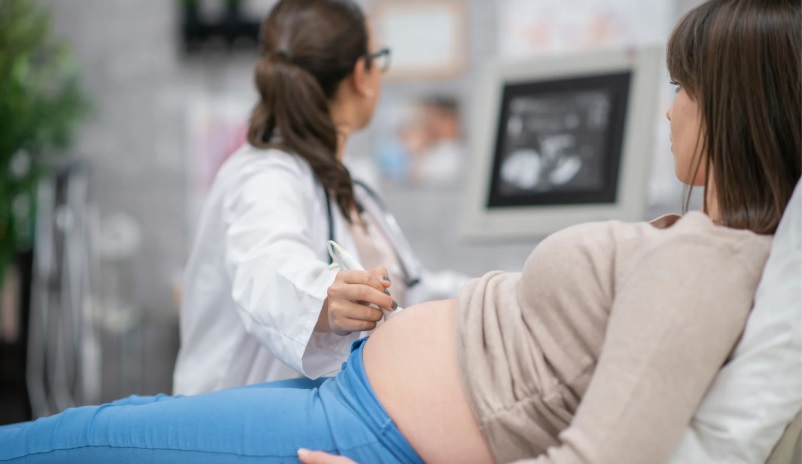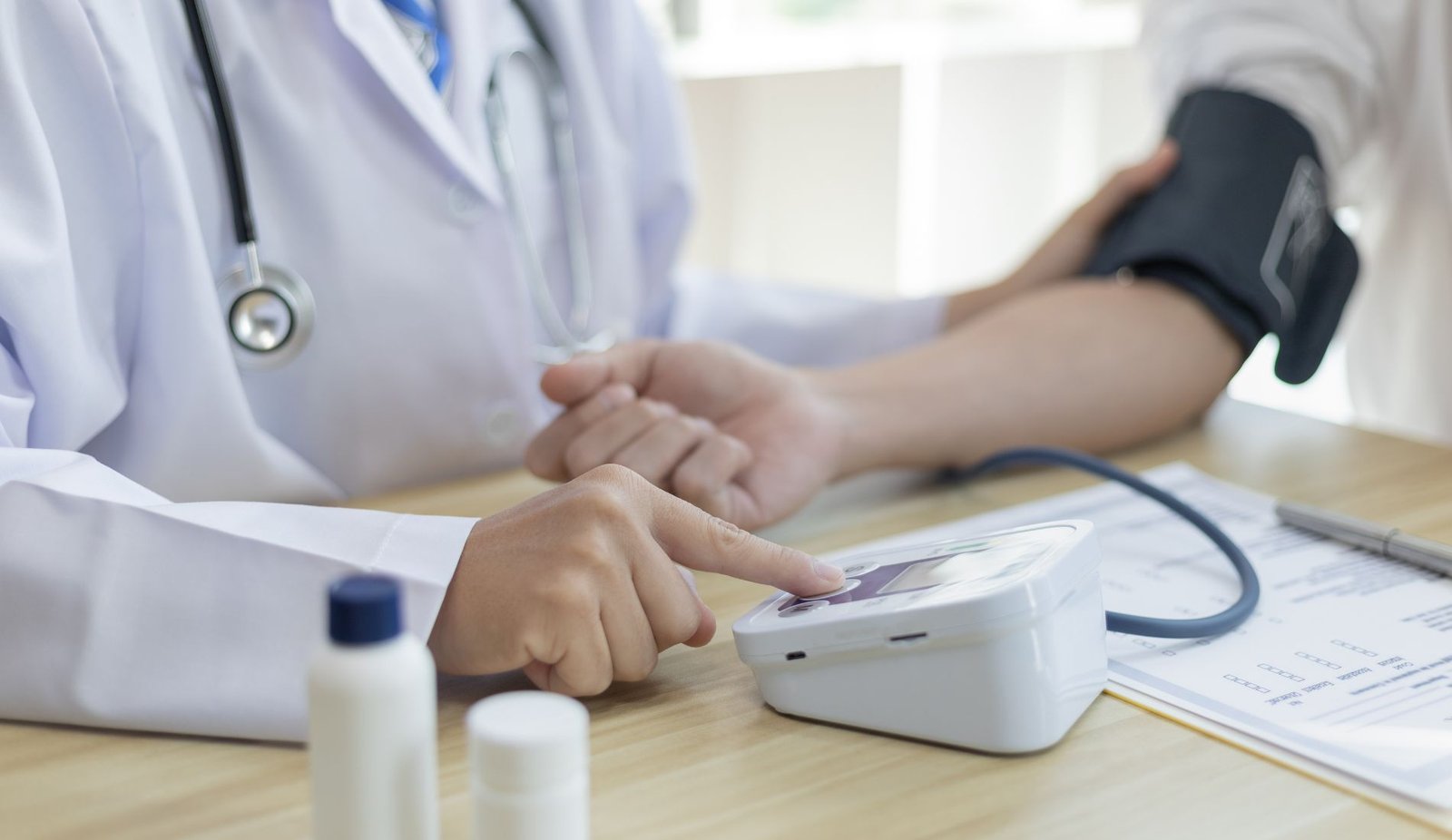
Preeclampsia Without High Blood Pressure—have you heard of this surprising condition? Many people believe high blood pressure always defines preeclampsia. But what if the warning signs appear without the usual rise in blood pressure? Could this silent version put both mother and baby at unexpected risk?
Doctors have identified that preeclampsia can develop even when blood pressure remains normal. According to Dr. James Roberts of the American College of Obstetricians and Gynecologists, abnormal protein levels in urine and organ-related symptoms can still signal the disorder. This article explains key symptoms, diagnostic methods, and what every expecting parent should know to stay protected.
These insights could help you recognize the hidden dangers early. Leading experts share practical advice for safer pregnancies and timely interventions. So, let’s explore how to detect preeclampsia without high blood pressure before it’s too late.
When Does Pre-Eclampsia Start in Pregnancy?
Preeclampsia typically begins after the 20th week of pregnancy, often during the third trimester. However, in some cases, it can develop earlier. The exact timing can vary among individuals, but early detection is crucial for the health of both mother and baby. The condition is characterized by the presence of high blood pressure and protein in the urine.
Women with preexisting conditions such as chronic hypertension, diabetes, or kidney disease are at a higher risk. Furthermore, first-time mothers, women carrying multiples, and those with a family history of preeclampsia are also more susceptible. It’s important for healthcare providers to monitor these risk factors closely throughout pregnancy.
Can You Have Preeclampsia without High Blood Pressure?
It is possible to have preeclampsia without high blood pressure, although this is a less common presentation. “Preeclampsia Without High Blood Pressure” can manifest through other symptoms, such as swelling, sudden weight gain, headaches, and vision changes.
In some cases, women may experience elevated liver enzymes or low platelet counts, which can be indicative of the condition even in the absence of hypertension.
Recognizing these symptoms is vital because they can lead to severe complications if not addressed. Women experiencing these signs should consult their healthcare provider immediately, even if their blood pressure readings are normal.
Key Signs and Symptoms of Mild Preeclampsia
Mild preeclampsia is a pregnancy complication that demands close monitoring. Recognizing its early warning signs helps protect both mother and baby. Below are the most common symptoms every expectant mother should know.
– Protein in Urine (Proteinuria)
One of the earliest indicators of mild preeclampsia is protein in the urine. This condition, known as proteinuria, occurs when the kidneys leak protein into urine. Regular prenatal checkups usually detect this change.
Frequent testing is vital because proteinuria often shows no obvious physical signs. Healthcare providers use a simple urine test to confirm it. Consistent monitoring allows for early intervention and helps prevent complications.
– Fluid Buildup in the Lungs (Pulmonary Edema)
Another symptom is the presence of fluid in the lungs, called pulmonary edema. This can lead to shortness of breath and chest tightness. Pregnant women experiencing difficulty breathing should seek medical attention right away.
Pulmonary edema develops when extra fluid collects in lung tissue. Quick evaluation by a healthcare provider is essential. Timely treatment reduces risks to both mother and baby.
Other Warning Signs to Watch
Although proteinuria and pulmonary edema are key indicators, other warning signs can also appear. These may include headaches, sudden swelling of the hands or face, and vision changes. Any of these symptoms require prompt medical evaluation.
Regular prenatal visits help identify these warning signs early. Doctors can then recommend appropriate management to protect pregnancy health.
Importance of Early Detection
Early detection of mild preeclampsia significantly improves outcomes. Regular blood pressure checks and urine tests are essential for early diagnosis. Expectant mothers should report unusual symptoms without delay.
Healthcare providers can recommend dietary changes, rest, and close monitoring. These steps reduce the chances of the condition progressing to severe preeclampsia.
When to Seek Immediate Medical Help
Seek immediate medical care if you experience sudden shortness of breath, severe headaches, or vision disturbances. Rapid medical attention helps prevent serious complications.
Never ignore unusual symptoms during pregnancy. Timely medical support ensures the best possible outcome for both mother and child.
What is the Difference Between HELLP and Preeclampsia?
While HELLP syndrome is often described alongside preeclampsia (in some cases as a variant or severe form), there are important distinctions and overlaps, especially in atypical preeclampsia and hellp syndrome cases.
| Feature | Preeclampsia (classic) | HELLP Syndrome |
|---|---|---|
| Definition | New onset hypertension after 20 weeks + proteinuria or organ dysfunction. | Acronym: Hemolysis, Elevated Liver enzymes, Low Platelet count. Severe variant, sometimes part of spectrum of preeclampsia. |
| Blood pressure | Usually elevated (≥140/90). But may remain below diagnostic threshold in atypical cases. | Sometimes elevated, but 15-20% of HELLP cases occur without hypertension. |
| When it appears | Usually after 20 weeks; more common in third trimester, can be postpartum. | Often third trimester, may also occur during labor or after delivery. Sometimes develops rapidly. |
| Key lab findings | Proteinuria, kidney dysfunction, sometimes elevated liver enzymes, low platelets in severe forms. | Hemolysis, markedly elevated liver enzymes, low platelets. Organ damage may be more acute. |
| Symptoms | Headache, visual changes, swelling, right upper quadrant pain, etc. | Many same symptoms, but often more severe: nausea/vomiting, epigastric/right upper quadrant pain, fatigue, etc. |
| Risk and severity | Can range from mild to life-threatening; risk is higher with early onset and/or severe features. | Usually considered severe; HELLP carries higher risk of liver rupture, bleeding, adverse outcomes for mother and fetus. |
In sum, HELLP is often thought of as a severe and rapidly evolving subset of preeclampsia, but importantly, either condition can sometimes occur without two of the classic hallmarks (high blood pressure, proteinuria) especially early or in atypical preeclampsia cases.
What to Do If You Suspect Preeclampsia?
If you suspect that you or someone you know may have preeclampsia, it is imperative to seek medical attention immediately. Here are the steps to take:
- Contact Your Healthcare Provider: Report any unusual symptoms, especially if they develop suddenly.
- Monitor Blood Pressure: Keep track of blood pressure readings at home if advised by your doctor.
- Visit the Emergency Room: If symptoms worsen, such as severe headaches, visual disturbances, or abdominal pain, seek emergency care.
- Follow-Up Appointments: Regular prenatal visits are essential. Your healthcare provider may recommend additional tests, such as blood tests or ultrasounds, to monitor the health of both mother and baby.
- Lifestyle Adjustments: If diagnosed, your doctor may suggest dietary changes, rest, and in some cases, medication to manage symptoms.
Early detection and management are key to reducing the risks associated with preeclampsia, ensuring a healthier pregnancy and delivery.
Common Questions about Preeclampsia Without Hypertension (FAQs)
What is preeclampsia without high blood pressure?
Preeclampsia without high blood pressure is a form of preeclampsia that occurs when a pregnant person experiences other symptoms associated with the condition, such as proteinuria, but does not exhibit elevated blood pressure. The atypical preeclampsia presentation can complicate the diagnosis and management of the condition.
What are the signs and symptoms of preeclampsia?
Common signs and symptoms of preeclampsia may include swelling (edema), sudden weight gain, severe headache, visual changes, and protein in the urine. These symptoms can occur without high blood pressure, making it crucial for expectant mothers to be aware of them.
How is preeclampsia diagnosed?
The diagnosis of preeclampsia typically involves a combination of blood pressure measurements, urine tests for protein, and blood work to assess liver enzymes and kidney function. Even in the absence of high blood pressure, the presence of proteinuria can indicate preeclampsia.
What is the risk of developing preeclampsia?
Certain factors increase the risk of preeclampsia, including a history of hypertension, first-time pregnancies, and being over the age of 35. Additionally, conditions such as chronic kidney disease and obesity can contribute to the likelihood of developing this hypertensive disorder during pregnancy.
Can preeclampsia occur after 37 weeks of pregnancy?
Yes, while preeclampsia is often diagnosed before 37 weeks, it can still occur later in pregnancy. Monitoring throughout the third trimester is vital, as symptoms may develop or worsen, necessitating close management by healthcare providers.
What treatments are available for preeclampsia?
Management of preeclampsia may include close monitoring, medication to control blood pressure, and in severe cases, delivery of the baby. Magnesium sulfate may be administered to prevent seizures, especially in severe preeclampsia cases. A personalized management plan by an obstetrician is essential.
What are the potential complications associated with preeclampsia?
Complications of preeclampsia can include eclampsia (seizures), placental abruption, and fetal growth restriction due to reduced blood flow. In severe cases, it can also lead to liver and kidney damage, necessitating immediate medical intervention.
How does preeclampsia affect the fetus?
Preeclampsia can pose risks to the fetus, including low birth weight, preterm birth, and developmental issues due to compromised blood flow from the placenta. Regular monitoring and timely delivery are crucial to minimize these risks.
What should I do if I experience symptoms of preeclampsia?
If you experience symptoms such as severe headaches, vision changes, or swelling, it’s important to contact your healthcare provider immediately. They can perform the necessary assessments to determine if you are experiencing preeclampsia or another complication of pregnancy.
Is there a way to prevent preeclampsia?
While there is no guaranteed way to prevent preeclampsia, certain measures may reduce the risk. Maintaining a healthy diet, managing pre-existing conditions, and attending all prenatal visits are important steps. Discussing risk factors with your healthcare provider can also help in creating a proactive management plan.
Is creatinine high or low in preeclampsia?
Creatinine is often elevated in preeclampsia, indicating kidney impairment. This occurs alongside high blood pressure (≥140/90 mmHg) and proteinuria, as the condition affects renal function. Monitoring these levels is crucial for management.
What is preeclampsia without high blood pressure?
Preeclampsia without high blood pressure refers to a condition during pregnancy characterized by signs of preeclampsia, such as proteinuria or other organ dysfunction, without the presence of elevated blood pressure. This atypical presentation can often lead to confusion as many associate preeclampsia solely with high blood pressure. It’s crucial for healthcare providers to recognize this condition early to prevent potential morbidity for both the mother and the fetus.
What are the symptoms of atypical forms of preeclampsia?
Symptoms of atypical forms of preeclampsia can include headaches, visual disturbances, and abdominal pain. While high blood pressure during pregnancy is common, some women may experience these symptoms without elevated systolic or diastolic blood pressure readings. Monitoring for other signs such as changes in urine sample results or elevated protein-creatinine ratios is essential for proper diagnosis.
Who is at high risk for developing preeclampsia without high blood pressure?
Women with certain risk factors may be at high risk for developing preeclampsia without high blood pressure. These risk factors can include a history of gestational hypertension and proteinuria, previous pregnancy complications, or a family history of hypertensive disorders of pregnancy. Additionally, nutritional factors and underlying health conditions can also contribute to this risk, making it important for healthcare providers to evaluate each patient’s individual risk profile.
How is preeclampsia without high blood pressure diagnosed?
Diagnosis of preeclampsia without high blood pressure typically involves a combination of clinical evaluation, urine tests, and blood tests. Healthcare providers may use a dipstick to check for protein in the urine or perform biochemical tests to assess organ function. Monitoring symptoms and conducting Doppler ultrasound assessments can also aid in the differential diagnosis to ensure appropriate management and care.
Can a uterine artery Doppler predict preeclampsia?
Yes. This ultrasound assesses uterine arterial blood flow. High resistance or abnormal waveforms can indicate poor placental development, predicting increased preeclampsia risk weeks before symptoms like hypertension appear, allowing for closer monitoring.
Conclusion
Recognizing the signs of preeclampsia, especially in cases where high blood pressure is not present, is crucial for the health of both mother and child. Understanding when preeclampsia typically begins, the potential for its occurrence without hypertension, and the distinctions between it and HELLP syndrome can empower women to seek timely medical care. Always consult healthcare professionals if there are any concerns during pregnancy. Education and awareness are the first steps in ensuring safer pregnancy outcomes. Remember, early intervention can make all the difference.
Recommended posts
- How to Prevent Preeclampsia in Pregnancy Naturally?
- Gestational Hypertension Vs Preeclampsia: (Key Differences)
- Preeclampsia Early Onset Signs – The Critical Signs to Watch for
- May is Preeclampsia Awareness Month: (5 Life-Saving Facts)
- How to Lower Blood Pressure in Pregnancy Safely
- Hypotension in Third Trimester: Causes, Risks & Relief Tips