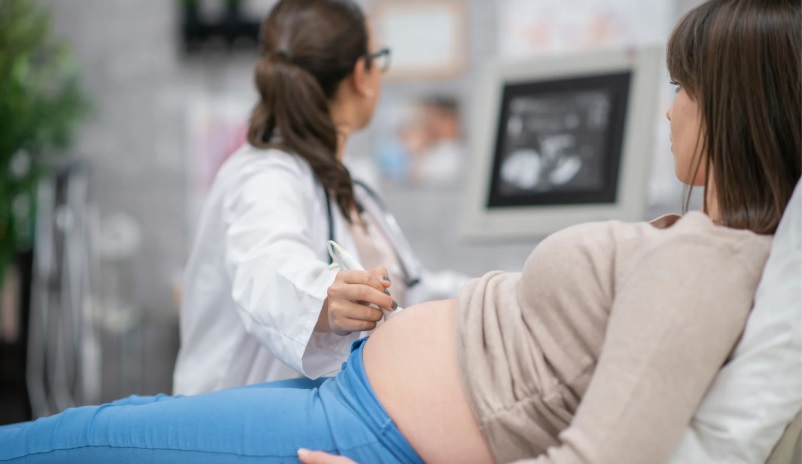
Gestational Hypertension vs Preeclampsia—do you know the difference between these two pregnancy complications? Both conditions involve high blood pressure, but their impact on mother and baby can vary significantly. Are you aware which one requires immediate medical attention and why?
Gestational hypertension is high blood pressure that develops after 20 weeks of pregnancy without affecting other organs, while preeclampsia includes high blood pressure along with signs of organ damage, most commonly the liver and kidneys.
Dr. Robert Redman, a leading expert in maternal-fetal medicine, notes that distinguishing the two early is crucial to prevent serious complications. This article explores their causes, symptoms, risks, and management strategies.
Understanding the subtle yet critical differences between gestational hypertension and preeclampsia can save lives. We’ll dive into clear explanations, expert insights, and practical tips for expectant mothers. So, let’s unravel the facts behind these conditions and learn how to protect both mother and baby effectively.
Preeclampsia and High Blood Pressure During Pregnancy
High blood pressure in pregnancy is not uncommon, but it requires careful monitoring because it can lead to complications. Preeclampsia is one of the most serious hypertensive disorders in pregnancy. It is characterized not only by elevated blood pressure (typically 140/90 mm Hg or higher after 20 weeks of gestation) but also by signs of organ damage—most notably to the kidneys and liver.
Preeclampsia can develop in women who previously had normal blood pressure. While the exact cause is still under research, contributing factors may include abnormal placental development, genetic predisposition, and immune system irregularities. Risk factors include first-time pregnancy, a history of preeclampsia, carrying multiples (twins, triplets), obesity, and chronic hypertension.
Untreated preeclampsia can escalate into life-threatening complications such as eclampsia (seizures), HELLP syndrome (hemolysis, elevated liver enzymes, and low platelet count), placental abruption, and restricted fetal growth. For these reasons, regular prenatal checkups and blood pressure monitoring are critical.
Gestational Hypertension and Preeclampsia: Are They the Same Disease?
Gestational hypertension and preeclampsia are related but distinct conditions. Gestational hypertension refers to high gestational blood pressure that develops after 20 weeks of pregnancy without signs of organ damage or protein in the urine (proteinuria). It is typically a temporary condition that resolves after delivery.
Preeclampsia, on the other hand, goes beyond simple high blood pressure. It involves additional clinical signs such as proteinuria, abnormal liver function tests, low platelets, or symptoms like severe headaches and visual disturbances.
While gestational hypertension can progress to preeclampsia in some women—especially if blood pressure remains uncontrolled—they are not the same disease.
The distinction is crucial because preeclampsia carries significantly higher risks for both mother and baby, including preterm birth and long-term cardiovascular issues. Early detection and management can prevent progression from gestational hypertension to preeclampsia.
What are the Symptoms of Gestational Hypertension?
Gestational hypertension often presents with few or no symptoms, which makes routine prenatal visits vital. However, some signs can alert you to possible high blood pressure issues during pregnancy:
- Elevated blood pressure: Readings consistently at or above 140/90 mm Hg.
- Swelling (edema): Particularly in the hands, feet, and face.
- Sudden weight gain: Rapid weight gain may be linked to fluid retention.
- Headaches: Persistent headaches can signal rising blood pressure.
- Visual disturbances: Blurred vision or seeing spots, though more common in preeclampsia, may occasionally occur.
It is important to note that mild swelling and weight gain can be normal in pregnancy. Only a healthcare provider can determine if these symptoms indicate gestational hypertension. Routine urine tests and blood pressure checks during prenatal visits are key to early detection.
Gestational Hypertension Vs Preeclampsia Key Differences
Is it preeclampsia or gestational hypertension? Although gestational hypertension and preeclampsia both involve high blood pressure, they differ in diagnostic criteria, complications, and management strategies. Below are the primary distinctions:
| Feature | Gestational Hypertension | Preeclampsia |
|---|---|---|
| Onset | After 20 weeks of pregnancy | After 20 weeks of pregnancy |
| Blood Pressure | ≥140/90 mm Hg | ≥140/90 mm Hg |
| Protein in Urine (Proteinuria) | Absent | Present (≥300 mg/24 hours) |
| Organ Damage | None | May involve kidneys, liver, brain, or blood clotting system |
| Symptoms | Often asymptomatic; may include mild swelling or headaches | Severe headaches, vision changes, upper abdominal pain, nausea, sudden swelling |
| Risks to Mother | Generally low if managed | High risk of seizures (eclampsia), stroke, organ failure |
| Risks to Baby | May increase risk of preterm birth if severe | Growth restriction, preterm birth, placental abruption |
| Outcome After Delivery | Usually resolves within 12 weeks postpartum | May persist or increase risk of long-term hypertension and cardiovascular disease |
Understanding these differences is critical because preeclampsia requires more intensive monitoring and may necessitate early delivery to protect mother and child.
Treatment for Gestational Hypertension
Effective management of gestational hypertension aims to prevent progression to preeclampsia and protect the health of both mother and baby. Treatment strategies typically include:
1. Regular Monitoring
Frequent prenatal visits, gestational blood pressure checks, and urine tests are essential. Your healthcare provider will also monitor fetal growth and amniotic fluid levels through ultrasounds.
2. Lifestyle Modifications
While no specific diet cures gestational hypertension, maintaining a balanced diet rich in fruits, vegetables, lean proteins, and whole grains supports overall health. Reducing excessive salt intake and avoiding processed foods can help manage blood pressure. Gentle exercise—such as walking or prenatal yoga—may be recommended if approved by your doctor.
3. Medication
If blood pressure remains consistently high, your healthcare provider may prescribe antihypertensive medications safe for pregnancy, such as labetalol or nifedipine. These medications reduce the risk of complications without harming the baby.
4. Monitoring for Preeclampsia
Because gestational hypertension can progress, your provider will watch for signs of preeclampsia, including protein in the urine, abnormal blood tests, and sudden onset of symptoms like severe headaches or vision changes.
5. Delivery Planning
In some cases, if blood pressure is difficult to control or signs of preeclampsia develop, early delivery may be recommended—especially after 37 weeks of gestation when the baby’s lungs are mature.
Common Questions about Preeclampsia and Gestational Hypertension (FAQs)
What are the symptoms of preeclampsia and gestational hypertension?
Both involve high blood pressure after 20 weeks. Preeclampsia adds severe headaches, vision changes, abdominal pain, or protein in urine. Gestational hypertension often has no other symptoms. Both require close medical monitoring.
What is the treatment for chronic hypertension during pregnancy?
Treatment includes safe blood pressure medications like labetalol, regular monitoring, and lifestyle changes. The goal is to control hypertension to prevent complications like preeclampsia and ensure the health of both mother and baby.
What’s the outlook for people with gestational hypertension or preeclampsia during pregnancy?
What’s the outlook for people with gestational hypertension or preeclampsia during pregnancy?
With careful monitoring and treatment, most have positive outcomes. Blood pressure typically normalizes after delivery. However, preeclampsia increases future cardiovascular risk, requiring long-term health awareness.
What are the risk factors for preeclampsia?
Key risks include first pregnancy, preexisting hypertension, obesity, age over 40, multiple gestation (twins), diabetes, or a personal/family history of the condition. It’s more common in some autoimmune disorders.
What is the difference between gestational hypertension and preeclampsia?
Gestational hypertension usually characterized by high blood pressure readings, specifically a systolic blood pressure of 140 mm Hg or higher and/or diastolic blood pressure of 90 mm Hg or higher, occurring after 20 weeks of pregnancy. Preeclampsia, on the other hand, involves not only high blood pressure but also the presence of protein in the urine and can lead to severe preeclampsia complications if left untreated.
What are the symptoms of preeclampsia?
Symptoms of preeclampsia typically include high blood pressure, swelling in the hands and face, sudden weight gain, headaches, and changes in vision. Women with preeclampsia may also experience abdominal pain and nausea. It’s crucial to monitor these symptoms closely during the second half of pregnancy.
Can gestational hypertension develop into preeclampsia?
Yes, gestational hypertension can increase the risk of developing preeclampsia. Women diagnosed with gestational hypertension should be closely monitored for any signs indicating a progression to preeclampsia, especially since this condition can lead to severe complications for both mother and baby.
How is gestational hypertension treated?
Treatment for gestational hypertension may include lifestyle changes such as increased rest and diet modifications, as well as gestational blood pressure medication to manage elevated blood pressure levels. Regular monitoring of blood pressure at each prenatal visit is essential to ensure the health of both the mother and fetus.
What are the risks associated with gestational hypertension and preeclampsia?
Both gestational hypertension and preeclampsia pose risks to the mother and fetus, including the potential for low birth weight, premature birth, and adverse pregnancy outcomes. Women with gestational hypertension may also face a higher risk of developing chronic hypertension in the future.
Is there a link between preeclampsia and postpartum conditions?
Preeclampsia can also occur postpartum, referred to as postpartum preeclampsia. Women who experienced preeclampsia during pregnancy are at an increased risk for developing high blood pressure after birth, necessitating continued monitoring and management of blood pressure levels.
How do health professionals, like the ACOG, recommend monitoring blood pressure during pregnancy?
The American College of Obstetricians and Gynecologists (ACOG) recommends that all pregnant women have their blood pressure monitored regularly at each prenatal visit, especially during the second half of pregnancy. This helps in early detection of hypertension and timely interventions to prevent complications.
Conclusion
Recognizing the differences between gestational hypertension and preeclampsia is essential for expectant mothers and healthcare providers. Although both conditions involve high blood pressure after 20 weeks of pregnancy, preeclampsia is far more dangerous due to its potential for organ damage and serious complications.
By understanding the warning signs, attending all prenatal appointments, and following medical advice, pregnant individuals can significantly reduce the risks associated with these conditions. If you experience sudden swelling, persistent headaches, or vision changes, contact your healthcare provider immediately. Early detection and management remain the best defense against the complications of gestational hypertension vs preeclampsia.
This knowledge empowers you to make informed decisions, ensuring a safer and healthier pregnancy for both mother and baby.
Recommended posts
- Best Natural Way to Fight Preeclampsia in Pregnancy (Tested)
- How to Prevent Preeclampsia in Pregnancy and Support a Healthy Pregnancy
- The Power of Using Magnesium for Preeclampsia Treatment
- How to Recognize Preeclampsia Without High Blood Pressure?
- Early Onset Preeclampsia – The Critical Signs to Watch for
- How to Prevent Preeclampsia in Second Pregnancy? (Solved)