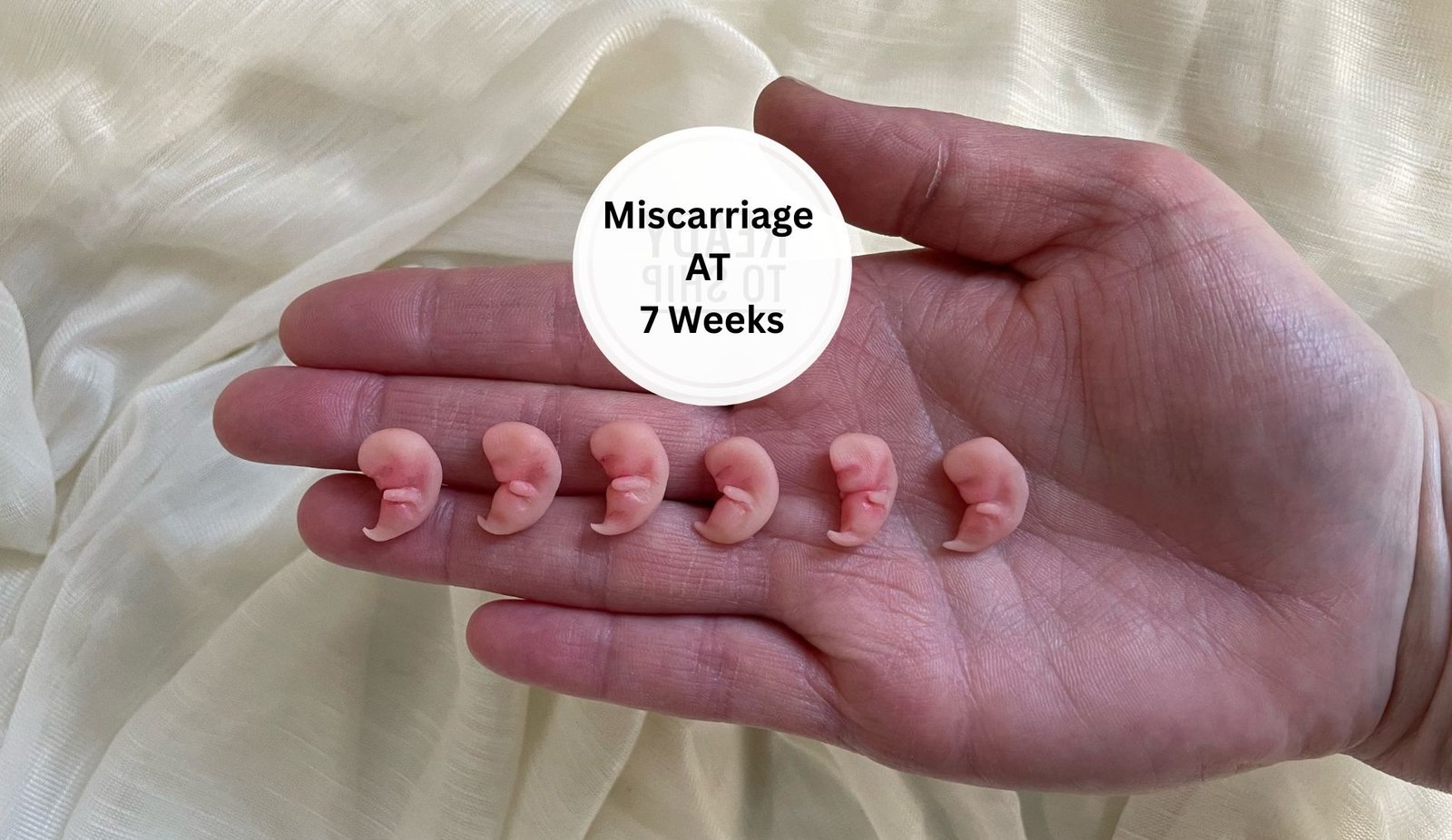
Have you ever wondered what happens when experience a miscarriage real life 7 week fetus? Experiencing a loss this early can be emotionally overwhelming, and many parents struggle to understand the physical and emotional realities. What signs should you look for, and how common is this type of early miscarriage?
Medical studies show that miscarriage at 7 weeks is unfortunately common, affecting roughly 10–20% of known pregnancies. Experts like Dr. Melissa L. Werner, an obstetrician specializing in early pregnancy, explain that most early miscarriages occur due to chromosomal abnormalities in the fetus. This article breaks down the causes, symptoms, and what to expect physically and emotionally during this difficult time.
But there’s more to understand beyond statistics and medical explanations. By reading further, you’ll gain insights on coping strategies, medical care options, and guidance from specialists who help women navigate early pregnancy loss with compassion and care.
What is a 7 Week Miscarriage?
A miscarriage, medically termed a spontaneous abortion, is the unexpected loss of a pregnancy before the 20th week. A 7-week miscarriage specifically occurs during the embryonic stage, a critical period of rapid development.
At this gestation, the fetus is developing foundational structures—arm and leg buds are forming, the heart is beating rapidly (often visible on an ultrasound), and the neural tube is closing. A miscarriage at this juncture means this development has tragically halted.
It’s crucial to understand that this is a common occurrence, estimated to happen in about 10-20% of known pregnancies, and it is almost never caused by anything the expecting parent did or did not do.
The term “Miscarriage Real Life 7 Week Fetus” reflects the tangible, physical reality of this loss, which contrasts with the often abstract way early pregnancy loss is discussed.
What Causes Miscarriage at 7 weeks? (Symptoms and Causes)
Understanding the causes can provide clarity and, importantly, help alleviate misplaced guilt. The vast majority of early miscarriages are caused by factors beyond anyone’s control.
Primary Causes:
- Chromosomal Abnormalities: This is the leading cause, accounting for approximately 50-60% of all first-trimester miscarriages. During fertilization, the sperm and egg each contribute 23 chromosomes. If an error occurs in this process—resulting in too many or too few chromosomes—the embryo cannot develop normally and a miscarriage occurs. This is a random, natural event.
- Uterine Abnormalities: Structural issues with the uterus, such as septate uterus (a wall of tissue dividing the uterus) or fibroids (non-cancerous growths), can create an environment where an embryo cannot properly implant or receive adequate nourishment.
- Hormonal Imbalances: Conditions like uncontrolled diabetes or thyroid disorders can disrupt the delicate hormonal balance required to sustain a pregnancy. Low progesterone levels, in particular, may prevent the uterine lining from adequately supporting the embryo.
- Infections: Severe infections that cause a high fever (like listeria or fifth disease) can jeopardize a pregnancy.
- Blood Clotting Disorders: Conditions like antiphospholipid syndrome (APS) can cause blood clots that block the flow of nutrients to the placenta.
Common Symptoms:
It is vital to distinguish between common pregnancy symptoms and potential signs of miscarriage. However, always consult a healthcare provider with any concerns.
- Vaginal Bleeding: This can range from light spotting to heavy bleeding with clots. While light spotting can be normal, any bleeding should be evaluated.
- Abdominal Cramping: Often more severe than typical menstrual cramps and may be accompanied by lower back pain.
- Sudden Cessation of Pregnancy Symptoms: A noticeable loss of breast tenderness, nausea, or fatigue can sometimes, but not always, be a sign.
- Tissue Passing: Passing clots or grayish fetal tissue from the vagina.
- Lack of Fetal Heartbeat: Confirmed via ultrasound, this is a definitive sign of miscarriage.
What Are The Types Of 7 Week Miscarriage?
Not all miscarriages present the same way. The type is typically diagnosed based on symptoms and ultrasound findings.
- Threatened Miscarriage: Light bleeding and cramping occur, but the cervix remains closed and a heartbeat is still detected. The pregnancy may continue normally.
- Inevitable Miscarriage: Bleeding and cramping intensify, the cervix begins to dilate, and a miscarriage is certain to happen.
- Incomplete Miscarriage: Some pregnancy tissue has passed from the uterus, but some remains. This often requires medical intervention to prevent infection.
- Complete Miscarriage: All the pregnancy tissue has been expelled from the uterus. Bleeding and cramping subside afterward.
- Missed Miscarriage (Silent Miscarriage): The embryo has stopped developing, but the body has not recognized the loss and has not expelled the tissue. There may be no symptoms, and it is often discovered during a routine ultrasound when no heartbeat is found.
Diagnosis of a 7 Week Miscarriage – Signs of miscarriage
A healthcare provider will use several methods to confirm a miscarriage, ensuring an accurate diagnosis before discussing next steps.
- Pelvic Examination: The doctor will check if the cervix has begun to dilate.
- Transvaginal Ultrasound: This is the primary diagnostic tool. It provides a clear image of the uterus to check for the presence of a gestational sac, embryo, and most critically, a fetal heartbeat. The absence of a heartbeat in an embryo measuring 7 weeks or more is a definitive diagnosis.
- Blood Tests: Quantitative hCG (human chorionic gonadotropin) tests measure the pregnancy hormone levels. In a viable pregnancy, hCG levels typically double every 48-72 hours. Falling or plateauing hCG levels can indicate a miscarriage. Progesterone levels may also be checked.
The Chance of Having another Miscarriage
This is one of the most pressing concerns for parents after a loss. It is essential to know that having one miscarriage does not mean you are more likely to have another. The vast majority of people who miscarry go on to have successful subsequent pregnancies.
- Single Miscarriage: The risk of a second miscarriage remains around the baseline of 10-20%.
- Recurrent Miscarriage: After two consecutive miscarriages, the risk of a third increases slightly. After three, doctors may recommend testing for underlying causes like genetic, anatomical, or immunological issues. Even after three losses, many couples still have a high chance of a future successful pregnancy.
7 Week Miscarriage Treatment: Diagnosis & Treatment
Once a miscarriage is confirmed, management focuses on ensuring the patient’s physical health and safety. There are three primary treatment options, each with its own considerations:
1. Expectant Management:
This involves allowing the body to complete the miscarriage naturally without medical intervention. This can take days or even weeks. It is often chosen if the bleeding is already starting and the situation is not medically urgent.
- Pros: Avoids medications and procedures; feels more natural to some.
- Cons: Can be emotionally draining to wait; process can be unpredictable and involve significant pain and bleeding; risk of incomplete miscarriage.
2. Medical Management:
This involves taking medication (usually misoprostol) to cause the uterus to contract and expel the remaining tissue. This is typically done at home.
- Pros: Offers more control over the timing than expectant management; avoids a surgical procedure.
- Cons: Can cause intense cramping and heavy bleeding; may not be fully effective, requiring a subsequent procedure (D&C).
3. Surgical Management (D&C – Dilation and Curettage):
This is a minor surgical procedure where the doctor dilates the cervix and gently removes the remaining pregnancy tissue from the uterus using suction and/or an instrument called a curette.
- Pros: Quick, complete, and predictable; done under anesthesia so no pain is experienced during; reduces the duration of bleeding.
- Cons: Carries rare surgical risks like infection, scarring (Asherman’s syndrome), or perforation; is a clinical procedure that some may find emotionally difficult.
The choice between these options is deeply personal and should be made in close consultation with a healthcare provider based on the individual’s medical situation and emotional needs.
Common Questions abour Risk Factors for Miscarriage in Week 7 (FAQs)
What are the signs of miscarriage at 7 weeks?
The signs of miscarriage at 7 weeks can include cramping and bleeding, which are often the first symptoms experienced. Other indications may involve passing tissue or clots and a decrease in pregnancy symptoms such as nausea or breast tenderness. If you suspect a miscarriage, it is crucial to consult a healthcare provider for an ultrasound or further evaluation.
What causes a miscarriage at 7 weeks?
Miscarriages at 7 weeks are commonly caused by chromosomal abnormalities that prevent the fetus from developing normally. Other potential causes can include hormonal imbalances, medical conditions, or abnormalities in the uterus. Understanding these factors can help in determining the risk of miscarriage for future pregnancies.
Can I experience a natural miscarriage at home?
Yes, many women experience a natural miscarriage at home. This can involve cramping and bleeding that may require the use of a maxi pad. However, it is essential to monitor the situation closely and seek medical advice if heavy bleeding occurs or if there are signs of infection.
What is the risk of miscarriage during the first trimester?
The risk of miscarriage is highest during the first trimester, particularly within the first 20 weeks of pregnancy. It is estimated that known pregnancies end in miscarriage in about 10-20% of cases. Understanding this risk can help manage expectations for those trying to conceive.
How is a miscarriage diagnosed?
The diagnosis of a miscarriage can be confirmed through an ultrasound, which may show an empty gestational sac or indicate that the fetus has stopped developing. Blood tests may also be performed to check hormone levels, providing additional information about the pregnancy’s viability.
What is the medical management of miscarriage?
Medical management of miscarriage may involve medications that help expel pregnancy tissue from the uterus. In some cases, a surgical procedure such as dilation and curettage (D&C) may be necessary to remove remaining tissue and prevent complications.
What should I do if I experience bleeding during early pregnancy?
If you experience bleeding during early pregnancy, it is important to contact your healthcare provider immediately. They may recommend an ultrasound to assess the pregnancy’s status and determine if it is a sign of miscarriage or another issue.
What are the chances of having another miscarriage after one?
Women who have experienced a single miscarriage generally have a good chance of having a successful pregnancy in the future. However, if there have been three miscarriages in a row, it may indicate underlying issues that warrant further investigation. Consulting with a healthcare provider can help address these concerns and assess individual risk factors.
Conclusion
A miscarriage at 7 weeks, representing the loss of a hoped-for future, is a significant and valid grief. Understanding the clinical facts—that it is usually caused by unpreventable chromosomal issues, that it is common, and that it does not define your future fertility—can be a crucial first step in healing. Please remember that you are not alone, and your feelings are entirely valid. Allow yourself to grieve, seek support from loved ones or professional counselors, and communicate openly with your healthcare team. There is no right or wrong way to feel. With time, support, and compassionate care, healing is possible, and hope for the future can be renewed.
Recommended posts
- When to Do Pregnancy Test After Miscarriage (Best Timing)
- Can Someone with Pots Have a Miscarriage: What Doctors Say?
- Here’s When to Resume for Intercourse After Miscarriage
- What to Do with Fetus After Miscarriage at Home? Ethical Way