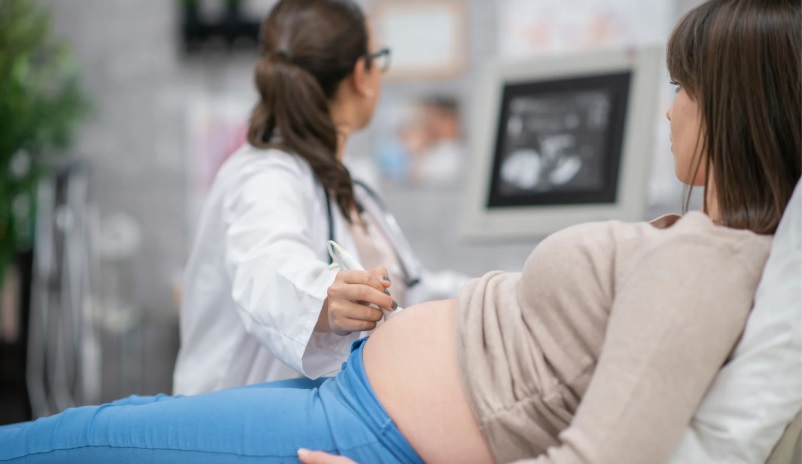
When to Do Pregnancy Test After Miscarriage is a question many women silently carry in their minds. Should you test right away, or wait for your body to fully recover? Miscarriage already brings physical and emotional challenges, so knowing the right time can help you feel more in control of your journey. Wouldn’t you agree that clarity is the first step toward healing?
Wait at least 3 weeks to take a pregnancy test after miscarriage to avoid false positives from lingering hCG. For accuracy, use a blood test or wait until your period returns.
Testing too early can show misleading results since residual hormones may still be in your body. In this article, we’ll explore how timing, symptoms, and medical guidance influence the best moment for testing.
But that’s not all—you’ll also learn what leading experts like the American College of Obstetricians and Gynecologists (ACOG) recommend, along with practical tips for tracking recovery. Curious to know how soon you can safely test without confusion? Then let’s dive deeper into the medical insights and expert-backed advice that will guide you through this delicate phase.
Trying to Get Pregnant Again?
After a miscarriage, it’s natural to think ahead and wonder when it’s safe to try conceiving again. For many women, the desire to get pregnant quickly after loss can be strong, while others prefer to wait until they feel emotionally ready.
Doctors typically recommend waiting until after at least one normal menstrual cycle before trying again. This is not only for emotional recovery but also to give your body time to reset. However, every case is unique, and the timing depends on factors such as:
- The type of miscarriage (early miscarriage, late miscarriage, or ectopic pregnancy).
- Whether you required medical treatment or a surgical procedure (like dilation and curettage, or D&C).
- Your emotional readiness and support system.
- Your doctor’s guidance based on your health history.
While it is medically possible to conceive soon after a miscarriage, understanding pregnancy test results during this time is critical—since leftover pregnancy hormones can cause confusion.
When to Do Pregnancy Test After Miscarriage?
The best time to take a pregnancy test after a miscarriage largely depends on your HCG levels and how long it has been since the miscarriage occurred. For most women, it is recommended to wait at least two weeks after the miscarriage before testing. This ensures that the HCG levels in your body have sufficiently dropped, making the pregnancy test results more accurate.
A key consideration is whether the miscarriage was early or late. In the case of a miscarriage that occurred early in pregnancy, your HCG levels may drop more quickly, meaning you can take a pregnancy test sooner.
However, if the miscarriage occurred later in pregnancy, it might take longer for your HCG levels to return to baseline levels. Waiting for a few weeks before testing will reduce the chances of a false positive result.
Additionally, it’s essential to note that some women may still have traces of HCG in their system for a few weeks following a miscarriage. This can make a pregnancy test show positive results even if you’re not pregnant, which is why waiting for the right amount of time before testing is critical.
Reasons for a Persistent Positive Pregnancy Test
A persistent positive pregnancy test after a miscarriage can be confusing and concerning. Normally, after a miscarriage, hCG (human chorionic gonadotropin) levels gradually decline and eventually return to non-pregnant levels (below ~5 mIU/mL). If the test remains positive for weeks, here are possible reasons:
🔹 Common Reasons
Residual hCG from the miscarriage
- It can take several days to weeks for hCG to clear from the body, depending on how far along the pregnancy was.
- The higher the hCG at the time of miscarriage, the longer it takes to return to baseline.
Retained products of conception (RPOC)
- If placental or fetal tissue remains in the uterus, it can continue producing hCG.
- Symptoms may include ongoing bleeding, abdominal pain, or infection.
- An ultrasound is usually done to check for retained tissue.
New pregnancy
- If you ovulate again soon after a miscarriage (which can happen within 2–4 weeks), a positive test could reflect a new conception.
🔹 Less Common but Important Causes
- Gestational trophoblastic disease (GTD)
- Rare condition where abnormal placental cells keep growing and producing hCG.
- Includes molar pregnancy and related disorders.
- May present with persistently high or even rising hCG, heavy bleeding, or an enlarged uterus.
- Laboratory/Testing issues
- Rare false positives due to pituitary hCG (especially in perimenopausal women), interfering antibodies, or test errors.
🔹 What to Do
- Serial blood hCG tests: Show whether hCG is falling, plateauing, or rising.
- Ultrasound: To check for retained tissue or new pregnancy.
- Medical evaluation: Especially if hCG isn’t declining, symptoms persist, or bleeding is heavy/prolonged.
👉 In short: A positive test after miscarriage is most often due to residual hCG, but if it stays positive for more than 2–3 weeks, or if symptoms suggest retained tissue, infection, or abnormal growth, medical follow-up is essential.
How Long After a Miscarriage Will a Pregnancy Test Be Positive?
The duration it takes for a pregnancy test to no longer show a positive result after a miscarriage varies from person to person. Typically, after a miscarriage, HCG levels can stay elevated for up to several weeks, especially if the miscarriage was incomplete or there are retained products of conception. In most cases, however, the hormone levels start to decrease within a few days to a week after the miscarriage.
It’s important to know that HCG is the hormone that pregnancy tests detect to indicate pregnancy. After a miscarriage, the test may still show positive results if the hormone levels have not yet decreased significantly. If you take a test too soon, it could give you false hope or confusion, as it may show that you are still pregnant when you’re not.
Generally, most women will see a negative pregnancy test within 2–4 weeks after a miscarriage, though it can take longer for some. To ensure accuracy, waiting for about two weeks after the miscarriage is usually the safest bet before testing again.
How Can I Confirm Pregnancy After Miscarriage?
If you suspect that you might be pregnant again after a miscarriage, the best way to confirm your pregnancy is to take a home pregnancy test. However, as we’ve discussed, it’s important to wait until your body has had enough time to return to its baseline levels before taking a test. A positive test result will indicate that your body has enough HCG to signal pregnancy.
If you are still uncertain or want more confirmation, visit your doctor to have a blood test or an ultrasound. Blood tests measure the exact levels of HCG in your body and can offer a more accurate and early confirmation of pregnancy.
An ultrasound can confirm the presence of a fetus and estimate how far along the pregnancy is, which is a useful step if you’re unsure about the timing of the pregnancy.
Another option is to track your ovulation cycles and signs of pregnancy. Symptoms such as missed periods, nausea, and tender breasts, along with a positive pregnancy test, can help confirm your pregnancy. However, these signs should be interpreted with caution since they can also occur after a miscarriage or due to hormonal fluctuations.
How Quickly Does HCG Drop After a Miscarriage?
HCG levels vary greatly from one woman to another after a miscarriage. However, on average, HCG levels start to decrease rapidly within 48 hours after the miscarriage begins and can continue to decline for several weeks.
The rate at which HCG drops depends on how far along the pregnancy was before the miscarriage and whether there are any retained pregnancy tissues. In most cases, after a complete miscarriage, HCG levels should return to normal (i.e., undetectable levels) within about 2-6 weeks.
For women who experience a missed miscarriage or incomplete miscarriage (where some pregnancy tissue remains in the uterus), it may take longer for HCG levels to drop. In these cases, it’s important to follow up with your healthcare provider to ensure that your body is healing properly and that any remaining tissue is addressed.
If your HCG levels are not decreasing as expected, your doctor may recommend additional tests or treatments, such as medication to help expel remaining tissue or, in rare cases, a procedure to clear the uterus. If your HCG levels remain elevated or there are other complications, it’s crucial to seek medical advice to rule out infections or other potential concerns.
Commonly Asked Questions about Treating an Early Miscarriage (FAQs)
What can I do to improve the chances of a healthy pregnancy after a miscarriage?
After an early pregnancy loss, focus on preconception health: take folic acid, manage chronic conditions, avoid toxins, and track ovulation. Allow time for emotional healing—most women achieve a healthy subsequent pregnancy with medical guidance.
Are special tests recommended before trying to conceive after a miscarriage?
Special tests aren’t always needed after one miscarriage, but recurrent losses may warrant thyroid, hormone, or genetic testing. Preconception counseling and a pelvic ultrasound can help identify underlying issues before trying again.
When Can I Get Pregnant After a Miscarriage?
You can often get pregnant immediately after a miscarriage, but doctors may recommend waiting 1–3 menstrual cycles to rebuild the uterine lining and date the pregnancy accurately. Emotionally, wait until you feel ready.
How soon after a miscarriage can I start trying to get pregnant?
You can typically start trying to get pregnant again after a miscarriage once your doctor gives the go-ahead, often after one normal menstrual cycle. However, emotional readiness and physical recovery should also be considered before trying to conceive again.
When to take a pregnancy test after miscarriage?
Wait 3–6 weeks after your pregnancy ends to take a test, as hCG needs time to clear. Testing too soon may show false positives if you miscarry. Confirm with a doctor for accuracy.
What is a chemical pregnancy?
A chemical pregnancy is a very early miscarriage occurring just after implantation, often before 5 weeks. It’s detected by a positive test that later turns negative, usually due to chromosomal abnormalities.
Why did the miscarriage happen?
Most miscarriages (loss of a pregnancy) occur due to chromosomal abnormalities in the embryo, making development unsustainable. Other causes include hormonal issues, infections, or chronic conditions—rarely linked to lifestyle factors.
How long do pregnancy symptoms last after miscarriage?
Pregnancy symptoms like nausea often fade within days after miscarriage, but cramping and vaginal bleeding may persist 1–2 weeks as the uterus empties. If symptoms linger beyond this, consult your doctor.
When Will hCG to Return to Normal?
hCG typically returns to normal within 4–6 weeks after the week of pregnancy loss, especially in the first trimester. Blood tests track progress—levels should drop steadily to non-pregnant ranges (<5 mIU/mL).
How long will a pregnancy test be positive after a miscarriage?
You may get a positive pregnancy test for 3–6 weeks after a miscarriage as hCG clears. Blood tests track decline; if positives persist, see a doctor to rule out retained tissue.
How long are hCG levels detected after a miscarriage?
hCG levels can take weeks to return to pre pregnancy levels after miscarriage. High levels may persist if tissue remains—blood tests monitor the drop. Seek care if hCG doesn’t decline as expected.
What happens if tissue remains after a miscarriage?
If pregnancy tissue left after miscarriage, it may cause infection, bleeding, or pain. Treatment includes medication or a procedure (D&C) to remove it. Prompt care prevents complications like sepsis or scarring.
Conclusion
Understanding the timing of pregnancy tests after a miscarriage is crucial for ensuring accurate results and emotional well-being. While the best time to test is typically two weeks after a miscarriage, the exact timing will depend on how quickly your HCG levels drop and how much time has passed since the miscarriage. It’s essential to give your body the time it needs to heal, and always consult with your healthcare provider for personalized guidance.
Remember that every woman’s experience is unique, and the path to trying for another pregnancy can vary. While it can be emotionally challenging to wait, taking a pregnancy test too soon could lead to confusion and unnecessary stress. Patience, combined with careful monitoring of your body’s changes, will help you confidently navigate the journey of trying to conceive again after a miscarriage.
Recommended posts
- Silent Miscarriage Symptoms – Every Woman Should Be Aware Of
- Implantation Bleeding Vs Miscarriage: (The Key Differences)
- Chances of Miscarriage After Heartbeat in Pregnancy (Facts)
- What Low HCG Levels After Miscarriage Really Mean
- Signs of Ovulation After Miscarriage You Shouldn’t Ignore
- No Period After Miscarriage Could I Be Pregnant Again?
- Miscarriage Real Life 7 Week Fetus – Facts & Helpful Advice