Chances of Miscarriage After Heartbeat often worry expecting parents. Does hearing the baby’s heartbeat really mean the risk is almost gone, or should you still be concerned? This question becomes even more important during the first trimester, when many women experience uncertainty and fear.
Studies show that once a heartbeat is detected, the chance of miscarriage drops significantly to less than 5% in most cases. The exact percentage depends on factors like the mother’s age, overall health, and the week of pregnancy when the heartbeat is confirmed.
Experts such as Dr. Zev Williams, a leading fertility specialist, emphasize that a heartbeat is one of the strongest indicators of a healthy pregnancy moving forward.
But statistics don’t tell the whole story. Many women still want to understand what influences these odds and what steps can protect their pregnancy. So, let’s dive deeper into the facts, research, and expert guidance on the chances of spontaneous miscarriage after heartbeat, giving you both reassurance and knowledge to move forward with confidence.
Chances of Miscarriage After Heartbeat in Pregnancy
Detecting a fetal heartbeat is one of the most reassuring indicators of a viable pregnancy. Typically, the heartbeat is visible via ultrasound around six weeks gestation. Studies show that once a heartbeat is detected, the risk of miscarriage drops significantly compared to pregnancies without a detected heartbeat.
While exact percentages can vary depending on maternal age, health conditions, and previous pregnancy history, research generally suggests that the overall miscarriage risk after a heartbeat is detected is approximately 2-5%.
It is important to note that while this risk is significantly lower than in pregnancies without a detectable heartbeat, it does not entirely eliminate the possibility of miscarriage. Each pregnancy is unique, and various biological, genetic, and environmental factors can still influence outcomes.
Risk of Miscarriage After Fetal Heartbeat Detected
The risk of miscarriage after the fetal heartbeat is detected depends on multiple factors, including gestational age and maternal health. A heartbeat detected between 6-7 weeks generally indicates a strong likelihood of a healthy pregnancy.
According to studies, the risk of miscarriage after a confirmed fetal heartbeat at this stage is about 5%, decreasing further as the pregnancy progresses.
However, the risk is not uniform. Advanced maternal age, previous pregnancy losses, and certain medical conditions can slightly elevate the risk even after a heartbeat is confirmed. Despite these factors, the presence of a heartbeat is one of the most reliable early indicators that the pregnancy is likely to continue successfully.
Does Miscarriage Chances Decrease after a Heartbeat is Detected?
Yes, the chances of miscarriage decrease after a heartbeat is detected, which is why medical professionals often use this milestone to provide reassurance. Before the detection of a fetal heartbeat, miscarriage rates are significantly higher, sometimes ranging between 15-25%. Once a heartbeat is visible, this rate drops sharply.
It is essential to understand that this reduction does not mean the risk is zero. Miscarriage can still occur due to genetic abnormalities, placental issues, or maternal health complications. However, for most healthy pregnancies, detecting a heartbeat is one of the most promising indicators of continued pregnancy viability.
Reasons for Miscarriage After Heartbeat at 6 Weeks
While a detectable heartbeat generally signals a healthy pregnancy, miscarriage can still occur. Common reasons include:
- Chromosomal abnormalities: Genetic issues are the most frequent cause of early pregnancy loss.
- Maternal health conditions: Conditions like uncontrolled diabetes, thyroid disorders, or autoimmune diseases can contribute to miscarriage.
- Hormonal imbalances: Insufficient progesterone or other hormonal deficiencies may impact pregnancy viability.
- Uterine abnormalities: Structural issues such as fibroids or septate uterus can increase miscarriage risk.
- Lifestyle factors: Smoking, excessive alcohol consumption, or high-stress levels may contribute to pregnancy loss.
Understanding these potential causes is crucial for medical evaluation and management if pregnancy loss occurs despite a detected heartbeat.
First Trimester Miscarriage After Heartbeat
The first trimester, particularly weeks 6-12, is the period when most miscarriages occur. Even after detecting a fetal heartbeat, miscarriage during this time can still happen, albeit at a lower rate.
Medical literature suggests that first-trimester miscarriage after a heartbeat is roughly 2-5%, with higher rates in older women or those with previous pregnancy complications.
Symptoms such as severe cramping, vaginal bleeding, or tissue passage may indicate miscarriage, and anyone experiencing these should seek prompt medical care. Despite the anxiety this can cause, it is essential to remember that most pregnancies with a detected heartbeat progress normally.
Second Trimester Miscarriage After Seeing a Heartbeat
Second-trimester miscarriage, which occurs between weeks 13 and 24, is less common but can still happen. Once a fetal heartbeat has been consistently detected, the risk is even lower than in the first trimester. Second-trimester losses are often linked to:
- Placental complications: Issues like placental abruption or insufficiency.
- Infections: Certain maternal infections can increase miscarriage risk.
- Chronic maternal health conditions: High blood pressure, diabetes, or autoimmune disorders may contribute.
- Cervical insufficiency: Premature cervical dilation can lead to pregnancy loss.
Statistically, second-trimester miscarriage after detecting a heartbeat occurs in less than 1% of pregnancies, making it rare but still clinically significant.
What are Some Miscarriage Risk Factors?
Several risk factors may increase the likelihood of miscarriage, even after detecting a fetal heartbeat:
- Advanced maternal age: Women over 35 have a higher risk.
- Previous miscarriages: A history of recurrent pregnancy loss increases risk.
- Lifestyle factors: Smoking, alcohol, and illicit drug use.
- Chronic medical conditions: Diabetes, thyroid disease, and hypertension.
- Obesity or underweight: Extreme BMI levels can affect pregnancy health.
- Infections: Certain bacterial or viral infections can contribute.
- Uterine abnormalities: Septate uterus, fibroids, or adhesions.
- Hormonal imbalances: Low progesterone or thyroid hormone issues.
While some of these factors are manageable, others may be inherent, emphasizing the importance of early prenatal care and monitoring.
Commonly Asked Questions about Risk of Recurrent Miscarriage (FAQs)
What are the average miscarriage rates by week?
Miscarriage rates drop sharply by week. After a positive pregnancy test, risk is ~10% at 7 weeks. By week 12, it falls below 5%. Most losses occur early due to chromosomal abnormalities.
How Many Pregnancies End in Miscarriage?
Approximately 10-20% of known pregnancies end in miscarriage, often referred to as spontaneous abortion. Many pregnancies miscarry before the woman even realizes she is pregnant, highlighting the importance of early prenatal care and awareness of potential risks.
What are the chances of miscarriage after a heartbeat is detected?
Once a fetal heartbeat is detected, studies indicate that the chances of miscarriage significantly decrease. Generally, if a heartbeat is seen on an ultrasound around 6 to 8 weeks of gestation, the risk of pregnancy loss drops to about 5% or lower. This is reassuring for many expectant parents, as the detection of a heartbeat is often seen as a positive sign of a progressing pregnancy.
How does maternal age affect the risk of miscarriage?
Maternal age is a significant risk factor for miscarriage. Women over the age of 35 are at an increased risk of experiencing pregnancy loss, especially in the first trimester. As women age, the likelihood of chromosomal issues in their eggs increases, which can lead to miscarriages. Therefore, understanding the age-related risks can be crucial for women planning for pregnancy.
What is the relationship between early pregnancy symptoms and miscarriage?
Early pregnancy symptoms, such as nausea and breast tenderness, can provide reassurance that the pregnancy is progressing. However, the absence of these symptoms does not necessarily indicate an impending miscarriage. Signs of miscarriage, like vaginal bleeding or cramping, should be discussed with a healthcare provider. It’s essential to monitor these symptoms, especially in the first trimester.
Can a previous miscarriage impact future pregnancies?
Women with a history of recurrent miscarriage may increased the chance of subsequent pregnancies. However, many women go on to have successful pregnancies after experiencing pregnancy loss. It’s important for these women to discuss their pregnancy history with their healthcare provider, who can assess individual risk factors and provide guidance for future pregnancies.
What role does ultrasound play in assessing miscarriage risk?
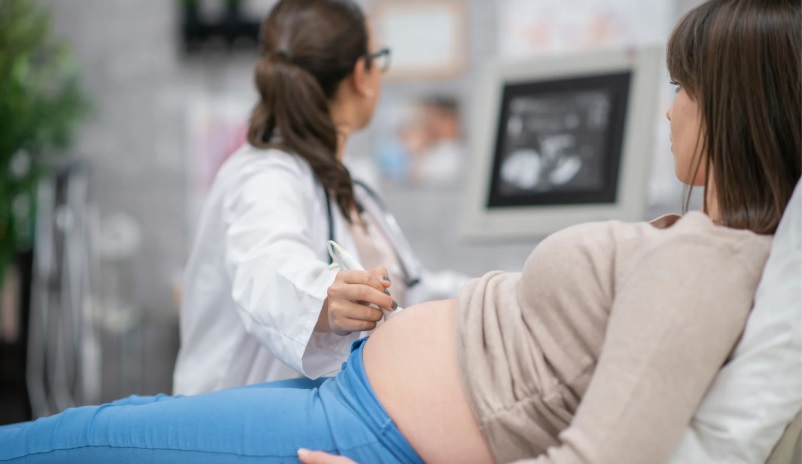
Ultrasound plays a crucial role in monitoring pregnancy progression and assessing the risk of miscarriage. The first ultrasound scan, typically performed around 6 to 8 weeks, can confirm the presence of a gestational sac and fetal heartbeat, which are positive indicators. If complications arise, such as a lack of a heartbeat or an abnormal gestational sac, further monitoring and medical intervention may be necessary.
What are the common causes of early miscarriage?
Early miscarriages, or early pregnancy loss, can occur during the first trimester due to a variety of factors, including chromosomal abnormalities, maternal health issues, or anatomical problems with the uterus. Understanding these causes can help women and their healthcare providers better manage risks in future pregnancies.
How does the risk of miscarriage change as pregnancy progresses?
The risk of miscarriage decreases significantly as the pregnancy progresses beyond the first trimester. Research shows that the overall risk of miscarriage drops once the heartbeat is detected and continues to decrease as the pregnancy reaches the second trimester. By 20 weeks of pregnancy, the miscarriage rate is considerably lower.
What should I do if I experience bleeding during pregnancy?
Vaginal bleeding during pregnancy can be concerning and may indicate a threatened miscarriage. If you experience any bleeding, it’s important to contact your healthcare provider immediately. They may recommend an ultrasound to assess the situation, especially if you are within the first trimester or have a history of pregnancy loss.
Can lifestyle choices affect the risk of miscarriage?
Yes, lifestyle choices can significantly impact the risk of miscarriage. Factors such as smoking, excessive alcohol consumption, and poor nutrition can increase the likelihood of pregnancy loss. It is advised that women planning to conceive or those who are pregnant focus on maintaining a healthy lifestyle to support their pregnancy outcomes.
Do most ectopic pregnancies miscarry?
No, most ectopic pregnancies do not miscarry naturally. They require medical or surgical intervention, as they pose a life-threatening risk if they rupture. Spontaneous resolution is rare and not safe to expect.
Conclusion
Detecting a fetal heartbeat is one of the most reassuring milestones in early pregnancy, significantly reducing—but not eliminating—the risk of miscarriage. The chances of miscarriage after heartbeat decrease sharply compared to pre-heartbeat stages, with first-trimester risk ranging from 2-5% and second-trimester risk below 1%. Understanding the factors contributing to miscarriage, such as genetic abnormalities, maternal health conditions, and lifestyle influences, allows expectant parents and healthcare providers to manage risk proactively.
While no medical milestone can guarantee a risk-free pregnancy, the detection of a fetal heartbeat remains one of the strongest indicators that a pregnancy is likely to progress successfully. Expectant parents should continue routine prenatal care, maintain healthy lifestyle habits, and consult their healthcare provider for any concerns.
Recommended posts
- Decidual Cast vs Miscarriage – Key Differences, and Symptoms
- Drinks and Foods That Cause Miscarriage Risk (Diet Alert)
- Dreams About Miscarriage Meaning: Here’s What Experts Say
- Early Miscarriage Vs Implantation Bleeding: (The Key Differences)
- When to Do Pregnancy Test After Miscarriage (Best Timing)
- Successful Pregnancy Right After Miscarriage (Solved)