Side Effects After Ectopic Pregnancy Surgery—what should you really expect after such a critical procedure? Many women worry about the physical and emotional changes that follow. Could the surgery affect future fertility, or will recovery bring unexpected challenges? These are common questions that deserve clear answers.
The truth is, side effects may include abdominal pain, fatigue, hormonal changes, and sometimes complications with reproductive health. Emotional distress is also frequent, as many women face anxiety or depression after surgery.
As the fertilized egg grows outside the uterus, it can cause the fallopian tube to rupture. Medical experts like Dr. Jane Frederick, a renowned reproductive endocrinologist, emphasize the importance of both physical and psychological care during recovery.
But these are only a few of the effects that can follow ectopic pregnancy surgery. Some symptoms fade quickly, while others may require long-term attention and support. So, let’s uncover the full picture of future ectopic pregnancy side effects with expert-backed insights that can help you or your loved one navigate this delicate recovery journey.
What to Expect After Laparoscopic Surgery Treatment of Ectopic Pregnancy?
Laparoscopic surgery is the most common treatment option for a tubal pregnancy when detected early. It involves making small cut and using a laparoscope (a thin tube with a camera) to remove the pregnancy tissue or sometimes the affected fallopian tube.
While it is considered minimally invasive, there are still important side effects and recovery considerations.
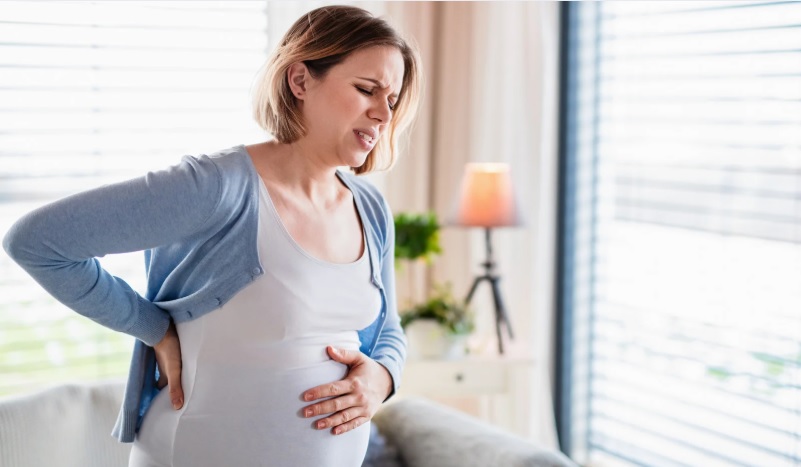
- Immediate Post-Surgery Discomfort – Patients usually experience abdominal pain, shoulder pain (caused by gas used to inflate the abdomen), and mild vaginal bleeding. These typically resolve within a few days to weeks.
- Fatigue and Weakness – Many women feel exhausted due to anesthesia, blood loss, and the emotional toll of the ectopic pregnancy. Rest and hydration are critical.
- Scarring and Adhesions – Although laparoscopic surgery leaves smaller scars, internal adhesions may form and could affect fertility in the future.
- Emotional Impact – The loss of a pregnancy is devastating. Many women face feelings of grief, guilt, or anxiety. Emotional support and counseling can significantly aid recovery.
Recovery from laparoscopic surgery is usually faster than open surgery, but close monitoring is still vital to prevent complications like infection or internal bleeding.
Long-Term Side Effects After Ectopic Pregnancy Surgery Laparotomy
In more severe cases where the ectopic pregnancy has ruptured or when laparoscopic surgery is not possible, a laparotomy (open surgery) is required. This procedure involves a larger incision in the abdomen and often results in longer recovery time and more pronounced side effects.
Some of the long-term side effects include:
- Chronic Pelvic Pain – Adhesions and scar tissue may lead to persistent pelvic discomfort.
- Higher Risk of Infertility – Damage to or removal of the fallopian tube can affect natural conception. Women with one remaining tube can still conceive, but fertility may be reduced.
- Increased Risk of Repeat Ectopic Pregnancy – Studies show that women who have had one ectopic pregnancy are at a higher risk of recurrence.
- Bowel or Bladder Issues – In rare cases, adhesions may affect nearby organs, leading to long-term gastrointestinal or urinary symptoms.
- Visible Surgical Scarring – Unlike keyhole surgery, laparotomy leaves larger scars that may have cosmetic and psychological implications.
Because laparotomy is more invasive, physical rehabilitation, wound care, and regular follow-up appointments are essential to long-term recovery.
Physical Recovery After Ectopic Pregnancy
Healing after ectopic pregnancy surgery is not just physical but also emotional. On the physical side, recovery depends on the type of surgery performed, the severity of the condition, and overall health.
Typical Recovery Timeline:
- Laparoscopy – 2 to 4 weeks for complete recovery.
- Laparotomy – 6 to 8 weeks or longer for full recovery.
Common Post-Surgery Symptoms:
- Abdominal swelling and tenderness.
- Fatigue lasting several weeks.
- Spotting or light bleeding for up to a month.
- Digestive discomfort from anesthesia or pain medication.
Tips for Faster Recovery:
- Avoid lifting heavy objects for at least 6 weeks.
- Eat iron-rich foods to replenish blood lost during emergency surgery.
- Practice gentle walking to improve circulation and reduce the risk of blood clots.
- Stay hydrated and follow prescribed medications diligently.
Women should also be prepared for emotional recovery, as the loss of a pregnancy can be as challenging as the physical healing process. Support groups and therapy can play a crucial role.
Future Pregnancies after Ectopic Pregnancy
One of the most common concerns women have after ectopic pregnancy surgery is whether they can conceive again. While the risk of recurrence is slightly higher, many women go on to have successful pregnancies.
Chances of Conceiving Again:
- If only one fallopian tube was removed, the remaining tube can still allow for natural conception.
- If both tubes were damaged or removed, assisted reproductive technologies like IVF (In Vitro Fertilization) may be necessary.
Risk of Recurrence:
- Studies show that women who have had one ectopic pregnancy face about a 10% risk of another.
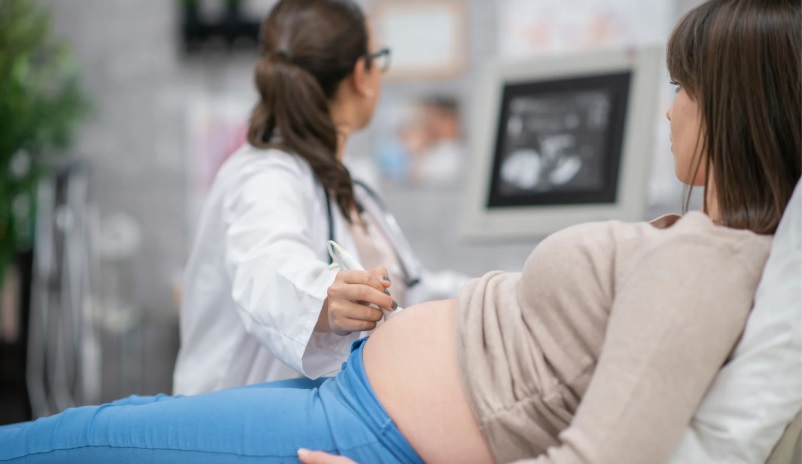
- Early monitoring in future pregnancies is crucial. Doctors often recommend blood tests and ultrasounds soon after conception to confirm proper implantation.
Precautions for Future Pregnancies:
- Medical Follow-up: Schedule a preconception consultation to discuss fertility health.
- Lifestyle Adjustments: Quit smoking, maintain a healthy weight, and manage chronic conditions.
- Prompt Testing: At the first sign of pregnancy, consult your doctor for monitoring.
While the road to parenthood after an ectopic pregnancy may be challenging, many women achieve healthy pregnancies with the right medical guidance.
When to Call Your Doctor?
After ectopic pregnancy surgery, certain symptoms should never be ignored. Immediate medical attention is needed if you experience:
- Heavy vaginal bleeding soaking more than one pad per hour.
- Severe or worsening abdominal pain not relieved by medication.
- Foul-smelling vaginal discharge (a sign of infection).
- High fever (above 100.4°F or 38°C).
- Persistent nausea, vomiting, or dizziness.
- Difficulty urinating or passing bowel movements.
- Signs of deep vein thrombosis (DVT) like leg swelling or sudden chest pain.
Prompt communication with your healthcare provider ensures that complications are treated early, reducing the risk of long-term side effects.
Commonly Asked Questions about Side Effects after Surgical Treatment of Ectopic Pregnancy
What are the common side effects after ectopic pregnancy surgery?
After undergoing surgery for an ectopic pregnancy, patients may experience several common side effects. These can include abdominal pain, cramping, and vaginal bleeding. These symptoms typically resolve as the body heals, but it’s crucial to monitor their severity and duration, as they can indicate complications.
How is ectopic pregnancy treated?
Ectopic pregnancy is treated using various methods, including medication like methotrexate or surgical options such as laparoscopic surgery or laparotomy. Surgical treatment may involve removing the affected fallopian tube or the ectopic tissue to prevent life-threatening complications.
What should I expect during recovery following an ectopic pregnancy?
The recovery following an ectopic pregnancy can be a demanding process. Patients may need to take time off work and avoid strenuous activities. Follow-up care is essential, including blood tests to monitor hCG levels and ensure that treatment is working effectively.
Are there risks of future pregnancies after an ectopic pregnancy?
Having a previous ectopic pregnancy may increase the risk of experiencing another in the future, but many women go on to have successful normal pregnancies. It’s essential to discuss any concerns with healthcare professionals to increase your chances of a healthy pregnancy.
What are the signs of complications after surgery for an ectopic pregnancy?
Signs of complications can include heavy bleeding, severe abdominal pain, or symptoms of internal bleeding such as dizziness and fainting. If any of these symptoms occur, it is crucial to call your doctor immediately for further evaluation.
How long does it take for my period to return after an ectopic pregnancy?
After an ectopic pregnancy, the return of your period can vary. Many women find that their next period starts within 4 to 6 weeks after surgery or the completion of methotrexate treatment. However, this timeline can differ based on individual recovery and hormonal levels.
What follow-up care is necessary after ectopic pregnancy surgery?
Follow-up care is vital. It often includes an appointment with your doctor to discuss recovery, follow-up blood tests to monitor hCG levels, and an assessment of any ongoing symptoms. This ensures that the treatment is effective and that there are no complications.
What is salpingectomy, and when is it performed?
Salpingectomy is a surgical procedure that involves the removal of a fallopian tube, often performed when an ectopic pregnancy occurs in the fallopian tube. This procedure may be necessary to prevent severe complications and allow for a safer recovery.
What are serious side effects of methotrexate?
Serious side effects of the drug called methotrexate include liver damage, severe lung issues, low blood cell counts, and increased infection risk. Report any fever, shortness of breath, or unusual bleeding to your doctor immediately.
Conclusion
Recovering from ectopic pregnancy surgery is a deeply personal experience, blending physical healing with emotional resilience. Whether treated with laparoscopic surgery or laparotomy, women may face a range of Side Effects After Ectopic Pregnancy Surgery, from short-term discomfort to potential long-term challenges. The key is understanding what to expect, taking proactive steps toward recovery, and seeking professional support when needed.
Though the journey can be painful, it’s important to remember that many women go on to live full, healthy lives and even welcome future pregnancies. With the right care, patience, and emotional support, recovery is not only possible but also empowering.
Related posts
- What to Expect After Taking Methotrexate for Ectopic Pregnancy?
- Ectopic Pregnancy hCG Levels at 5 Weeks (Signs & Monitoring)
- How Soon After Tubal Reversal Can I Try to Conceive (Tested)
- Chances of Twins After Ectopic Pregnancy: What Science Says
- Ectopic Cornual Pregnancy – Risks, Diagnosis, and Care Guide
- Shoulder Pain Ectopic Pregnancy: Symptoms, Risks & Care Tips