
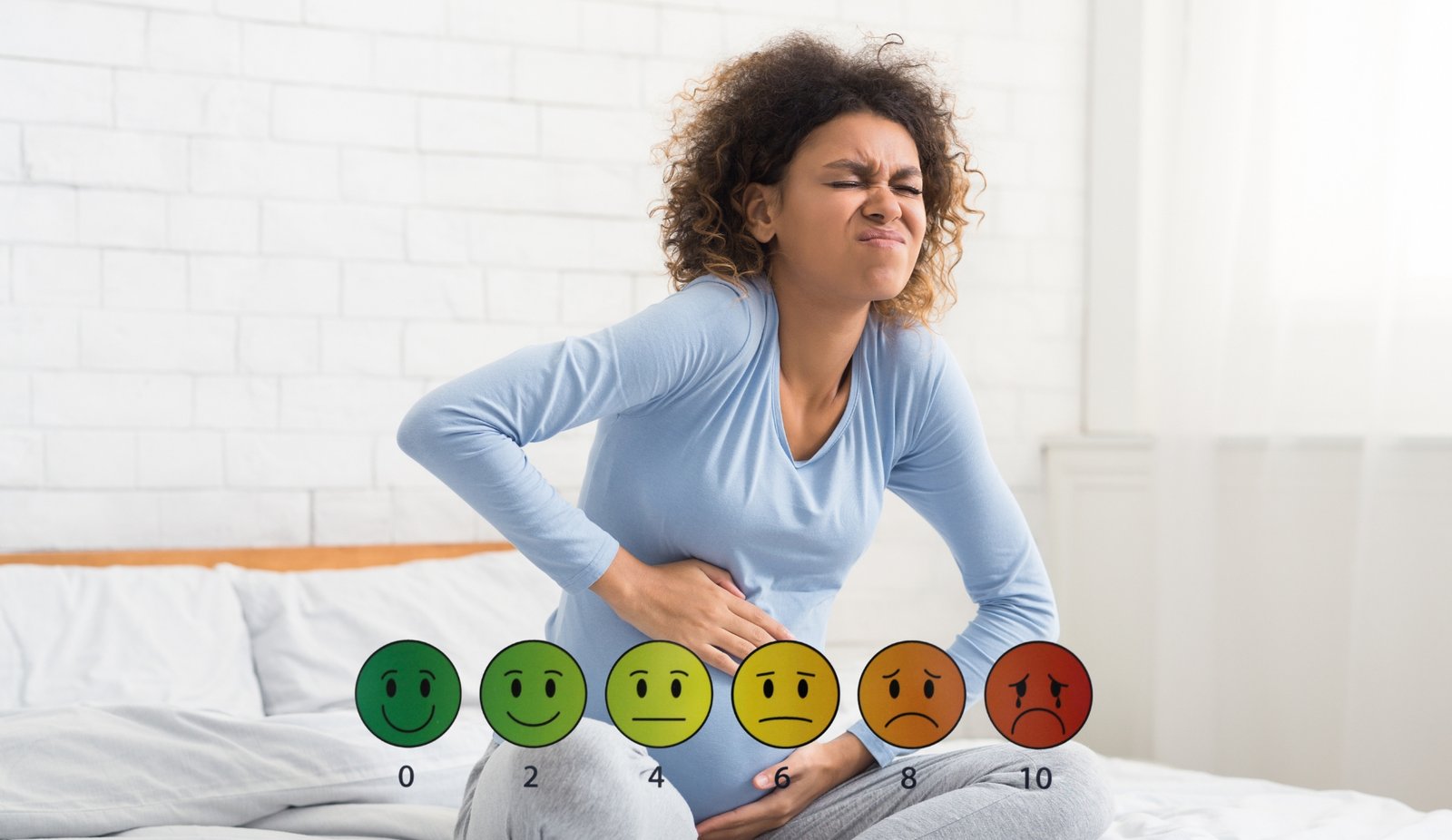
Childbirth is a profound experience that combines emotional intensity with physical exertion. Understanding the pain scale for labor is essential for expectant mothers, partners, and support teams aiming to prepare for what lies ahead.
By breaking down the labor process phase-by-phase and aligning it with typical pain intensities, this guide provides clarity on what labor and delivery truly feels like—from the first contraction to the final push.
Let’s take a deep dive into the intensity of labor pain, what it feels like, how it compares on pain scales, and practical ways to manage it effectively.
What Does Giving Birth Really Feel Like?
Labor pain is unlike any other sensation. It’s often described as a combination of menstrual cramps, intense pressure, and sharp muscular spasms. But it’s important to understand that the experience of labor varies significantly from one person to another.
Some describe it as waves of pain that come and go, increasing in intensity and frequency as labor progresses. Others compare it to severe back pain or gastrointestinal discomfort. In early labor, contractions may feel like mild period cramps. As labor progresses, those sensations intensify, radiating through the abdomen, lower back, thighs, and even the pelvis.
The baby’s positioning, the speed of labor, your individual pain tolerance, and whether it’s your first birth or not, all contribute to how labor will feel.
Emotionally, the experience can swing from fear to elation. Physical pain often intertwines with emotions, which can amplify or dull the sensations depending on how supported and safe a birthing person feels.
How Painful is Childbirth?
Pain is subjective, and childbirth pain is no exception. On a standard 0–10 pain scale—where 0 means no pain and 10 is the most severe imaginable—active labor and vaginal delivery typically rank between 7 and 10, though this can vary.
A 2018 study published in the Journal of Pain Research revealed that women rated their average labor pain intensity at around 7.1 out of 10, with the peak pain approaching 8.9 for many. However, these numbers are averages, not absolutes.
Here’s a breakdown of common comparisons:
- Early labor (0–3 cm dilation): Pain may be rated 2–4. Manageable discomfort resembling strong menstrual cramps.
- Active labor (4–7 cm): Pain increases to 5–7, often requiring focus, breathing techniques, and movement.
- Transition phase (8–10 cm): The most intense stage, often ranked 8–10 on the pain scale.
- Pushing and delivery: While painful (8–10), many women report a shift from sharp pain to an overwhelming pressure, often paired with a natural urge to push.
Interestingly, many women report that once the baby is delivered, the pain diminishes rapidly and is often overshadowed by joy and relief.
Pain Scale for Labor – What pain score to Expect from Start to Birth
Understanding childbirth on the pain scale can help demystify the process and reduce anxiety. Here’s a stage-by-stage breakdown aligned with pain intensity estimates and what to expect physically and emotionally.
1. Early Labor (0–3 cm dilation)
- Childbirth on the pain scale: 1–4
- Duration: Hours to days
- Symptoms: Irregular contractions, mild cramping, lower back ache
What it feels like: Strong menstrual cramps or dull backache
Tip: This is a good time to rest, hydrate, and stay relaxed.
2. Active Labor (4–7 cm dilation)
- Childbirth on the pain scale: 5–7
- Duration: 4–8 hours on average
- Symptoms: Regular contractions every 3–5 minutes, lasting 45–60 seconds
What it feels like: Intense pressure and tightening across the abdomen and lower back; hard to talk through contractions
Tip: Breathing exercises, massage, warm showers, and support can help here.
3. Transition (8–10 cm dilation)
- Childbirth on the pain scale: 8–10
- Duration: 30 minutes to 2 hours
- Symptoms: Rapid, intense contractions, nausea, shaking, irritability
What it feels like: Extremely powerful waves of pain, often back-to-back
Tip: Stay grounded with encouragement, deep breathing, and a focus on the end goal—meeting your baby.
4. Second Stage (Pushing and Birth)
- Childbirth on the pain scale: 7–10
- Duration: Minutes to 2 hours
- Symptoms: A strong urge to push, increased pelvic pressure
What it feels like: Ring of fire (burning/stretching sensation), immense pressure
Tip: Pushing brings a sense of control and purpose. Focus on each breath and direction from your birth team.
5. Third Stage (Delivery of Placenta)
- Pain scale: 0–3
- Duration: 5–30 minutes
- Symptoms: Mild contractions
What it feels like: Cramping or pressure, similar to early labor
Tip: This stage is usually overshadowed by bonding with the baby.
What Can You Do to Decrease Pain During Birth?
There’s no one-size-fits-all approach to managing labor pain. However, a combination of preparation, support, and interventions—natural or medical—can significantly influence how you experience labor.
1. Non-Medical Pain Management Techniques
- Breathing and Relaxation: Deep, rhythmic breathing and guided relaxation can help calm the nervous system and reduce pain perception.
- Movement and Positioning: Walking, swaying, or laboring on all fours can help progress labor and reduce discomfort.
- Hydrotherapy: Soaking in a warm bath or standing in a hot shower eases tension and soothes pain.
- Massage and Counterpressure: Gentle massage or firm pressure on the lower back during contractions can reduce intensity.
- Hypnobirthing: A method involving visualization and self-hypnosis to remain calm and focused during labor.
- TENS machine: This handheld device delivers mild electrical impulses that help block pain signals.
2. Medical Pain Relief Options
- Epidural Analgesia: A regional anesthetic that blocks pain in the lower half of the body. Offers significant relief but may reduce mobility.
- Nitrous Oxide (Laughing Gas): Inhaled through a mask, this helps take the edge off contractions without side effects for the baby.
- Opioid Injections: Medications like morphine or fentanyl provide temporary relief but may cause drowsiness or nausea.
- Spinal Block: Similar to an epidural but used mainly for C-sections or very quick labors.
3. Emotional and Physical Support
Studies have shown that continuous support during labor—especially from doulas—can reduce the need for pain medication, shorten labor, and improve birth outcomes. Encouragement, hand-holding, and calm reassurance can be as powerful as medical tools.
Common Questions about Labor Pain Scale 1 10 Systematic review (FAQs)
What is the pain scale for labor?
The pain scale for labor is a tool used to assess the intensity of pain experienced by women during childbirth. Typically, it ranges from 0 to 10, where 0 indicates no pain and 10 represents the worst pain imaginable. This scale helps healthcare providers understand a woman’s pain perception and tailor pain relief options accordingly.
How does labor pain differ in the stages of labor?
Labor pain varies significantly across the stages of labor. In the first stage, which involves cervical dilation, pregnant women may experience lower back pain and contractions. The pain intensity tends to increase as labor progresses into the second stage, where the woman in labor experiences strong urges to push. The pain can peak during the transition phase, leading to high levels of discomfort.
What are common methods for pain relief during labor?
There are several methods for pain relief during labor, including epidurals, narcotics, and non-pharmacological techniques such as breathing exercises, massage, and hydrotherapy. Each method has its benefits and potential side effects; thus, the choice may depend on the woman’s preferences and the clinical situation.
How do women cope with labor pain?
Coping with labor pain can involve various strategies. Many women find that relaxation techniques, such as visualization and deep breathing, help manage pain. Support from partners, doulas, or midwives can also enhance coping mechanisms, providing emotional support that may alleviate the perceived pain during childbirth.
What is the role of epidurals in managing labor pain?
Epidurals are a popular form of labor analgesia that significantly reduce pain during childbirth. This method involves injecting anesthetic medication into the epidural space of the spine, blocking pain signals from reaching the brain. While effective, women should discuss the potential risks and benefits with their healthcare provider before opting for this pain relief option.
How is pain assessment conducted during labor?
Pain assessment during labor is typically conducted using various scales, including the numeric rating scale and the visual analog scale. These tools help women communicate their pain levels to healthcare providers, facilitating better pain management strategies and ensuring that the appropriate interventions are applied throughout labor.
What factors influence the perception of pain during labor?
The perception of pain during labor can be influenced by numerous factors, including a woman’s previous experiences with pain, emotional state, and the level of support she receives. Cultural beliefs and expectations about childbirth can also play a significant role in shaping how pain is perceived and managed during labor.
What is the relationship between fear of labor and pain intensity?
Research indicates that fear of labor can heighten the intensity of pain experienced during childbirth. Pregnant women who have anxiety or fear regarding labor may have a lower pain threshold, leading to increased pain sensations. Understanding and addressing these fears through education and support can help reduce the levels of pain and improve the overall labor experience.
How can I prepare for the pain of childbirth?
Preparing for the pain of childbirth involves educating yourself about the labor process, discussing pain relief options with your healthcare provider, and practicing coping techniques such as relaxation and breathing exercises. Creating a birth plan that outlines your preferences for pain management can also help ensure that you feel more in control during labor.
Conclusion
Labor is an extraordinary journey—intense, transformative, and deeply personal. By understanding the pain scale for labor, expectant parents can better anticipate the phases of childbirth, recognize what’s normal, and prepare with confidence.
While labor pain can be formidable, it is manageable through a combination of knowledge, support, and pain management strategies. Whether you choose a natural birth, use medical interventions, or a combination of both, the most important thing is that you feel empowered, supported, and informed throughout the process.
Every birth story is unique, but preparation can shape it into a positive and powerful experience. Start by learning, planning, and assembling a birth team that respects your choices—because when the moment arrives, you’ll be ready.
Recommended posts
- The Ring of Fire IN Labor: (What It Is & How to Cope)
- Is Shakes During Labor Normal or A Sign of Trouble (Must-Read)
- The Average Length of Prodromal Labor: (Facts & Relief Tips)
- Can Lpn Work in Labor and Delivery: (Myth or Possibility?)
- Is Nausea a Sign of Labor? What Your Body Telling You
- When Do Labor Shakes Start: A Mom’s Guide to Labor Shakes
- TENS Machine for Labor Pain: How It Works and Why Moms Love It
- Fourth Degree Tear Labor: Causes, Recovery & Self-Care Tips

