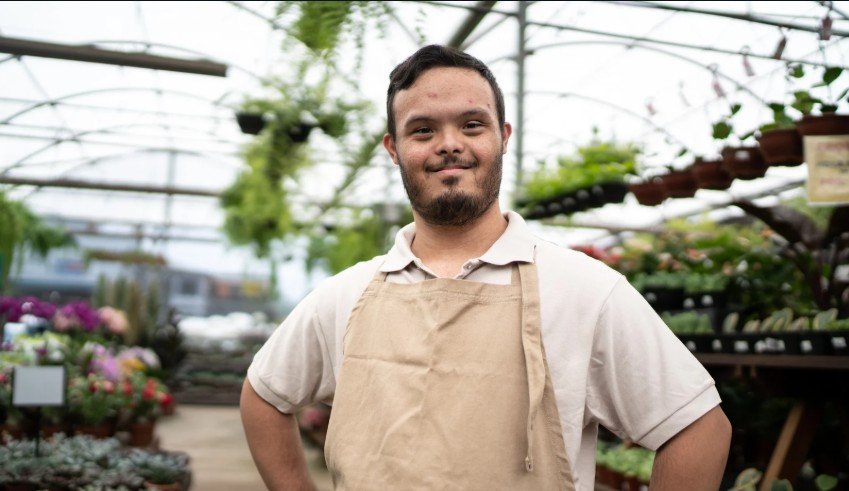
Down Syndrome job opportunities are growing, but are people with Down Syndrome really thriving in the workplace? What kinds of jobs are available, and how do employers support their success? If you’re curious about inclusion and real-life employment stories, you’re in for something inspiring.
Many individuals with Down Syndrome work in retail, hospitality, offices, and even creative industries. Programs like Gigi’s Playhouse Career Development and partnerships with companies like Walgreens and Starbucks are making a big impact. According to Dr. David M. Perry, an intellectual disability advocate and scholar, meaningful employment builds independence and dignity.
But these are just a few examples of what’s possible. With the right training, support, and opportunity, people living with down syndrome can achieve amazing things. Let’s dive into the evolving world of inclusive employment and see how workplaces Improving the Lives of People with Down Syndrome.
What are the Best Jobs for People with Down Syndrome?
Finding the right job is essential for everyone, but it’s especially important for individuals with Down Syndrome. The best careers for people with down’s Syndrome are those that provide a balance between meaningful work, flexibility, and the opportunity for growth.
Some individuals thrive in structured environments, while others may perform better in more social or hands-on roles. Jobs that focus on repetitive tasks, customer service, and community engagement are often suitable.
Some of the best jobs for people with Down Syndrome include:
- Retail Jobs: Many individuals with Down Syndrome thrive in retail environments where they can assist customers, restock shelves, or organize displays. These jobs are ideal for those who enjoy social interactions and prefer hands-on work.
- Animal Care: Animal shelters, pet stores, or dog-walking services often offer opportunities for individuals with Down Syndrome. These jobs provide a low-stress environment and the chance to interact with animals, which can be both rewarding and therapeutic.
- Office Support Roles: Filing, data entry, and other administrative tasks can be a good fit for people living with down syndrome who enjoy working in a structured office setting.
- Food Service: Working in restaurants or cafés in roles like host, server, or kitchen assistant is an excellent opportunity for those with Down Syndrome who enjoy customer-facing roles and working in a team.
Best Down Syndrome Job Opportunities
When it comes to Down Syndrome job opportunities, many companies and organizations are becoming more open to hiring individuals with intellectual and developmental disabilities. From traditional office jobs to creative fields, there is an increasing number of employers who recognize the value that down syndrome people can bring to the workplace.
Notable job opportunities for individuals with Down Syndrome include:
- Community Support Jobs: These roles involve providing assistance to others, whether it’s through helping in schools, care homes, or social organizations. Positions like support staff or community assistant are feasible options.
- Manufacturing Jobs: In manufacturing environments, people with Down Syndrome can excel in assembly lines, quality control, or packaging positions where the tasks are repetitive and clearly defined.
- Technology and IT Roles: With the rise of remote work and digital jobs, there is a growing demand for entry-level roles in IT and data management. People with disabilities who have an interest in technology might find employment opportunities as IT assistants or data entry clerks.
- Creative Arts: Some individuals with Down Syndrome are naturally gifted in the arts, whether that’s painting, photography, or performing arts. Creative careers offer an excellent opportunity for self-expression while building a career.
Employment and Volunteer Work
Volunteer work can serve as a valuable stepping stone to permanent employment. It helps individuals with Down Syndrome gain real-world experience, develop soft skills, and build connections within their community. Many employers value volunteer work on a resume, seeing it as a sign of initiative and dedication.
Types of volunteer work that can lead to Down Syndrome job opportunities in the united states include:
- Local Nonprofits: Volunteering at local organizations provides the opportunity to contribute to the community while gaining experience in various roles.
- Event Staffing: Volunteers who help organize events can develop organizational and communication skills that will serve them well in paid jobs.
- School Assistance: Working in educational settings, such as helping teachers or working in school cafeterias, can also be a great way to develop practical skills for future job opportunities.
Volunteering allows individuals with Down Syndrome to get accustomed to the demands of work while simultaneously learning to interact with colleagues and manage time efficiently.
Supported Employment
Supported employment plays a vital role in facilitating successful careers for down syndrome people. This model involves providing tailored support and services to help individuals integrate into the workforce. Supported employment can come in many forms, including job coaching, workplace accommodations, and social skills training.
Employers and job coaches work together to ensure that the individual receives the necessary support to succeed in their job. For example, some individuals with Down Syndrome may benefit from a more structured environment or extra training to perform specific tasks. Disability employment programs ensure that everyone has a fair chance at job success, regardless of intellectual or developmental disabilities.
Down Syndrome Jobs – Real Success Stories
One of the best ways to understand the potential of Down Syndrome job opportunities is by looking at real success stories. These examples serve as inspiration for both individuals with Down Syndrome and employers who may be considering hiring someone with similar abilities.
Michaela’s Story:
Michaela, a young woman with Down Syndrome, worked at a local animal shelter where she helped care for the animals and organized supplies. Over time, she became a beloved member of the team and was offered a full-time position.
Tom’s Journey in Retail:
Tom has Down Syndrome and worked in a retail store for several years. With the right training and support from his manager, he learned all aspects of store operations, including customer service and inventory management. Tom’s success led to his promotion to team lead.
Anna’s Art Career:
Anna is an artist with Down Syndrome whose work has been showcased in local galleries. She started by volunteering at an art center before transitioning to paid work. Now, Anna runs her own small business selling her artwork online and at events.
These stories prove that individuals with Down Syndrome can thrive in the workplace with the right opportunities, training, and support.
Find a Job That Works for You
When searching for a job, it’s essential to focus on strengths and interests. A job should feel fulfilling and aligned with personal skills and preferences. Here are some tips to help individuals with Down Syndrome find a job that works:
- Identify Interests: Consider what activities bring joy and satisfaction. Whether it’s working with animals, helping others, or being creative, aligning a job with personal passions can boost success and job satisfaction.
- Seek Job Coaching: A job coach can offer personalized support during the job search and help develop the necessary skills for success.
- Start with Part-Time or Volunteer Work: Gaining experience through part-time jobs or volunteer work is an excellent way to build confidence and learn job skills in a less demanding environment.
- Consider the Work Environment: Whether it’s a quiet office or a lively retail store, choosing the right work environment can make a significant difference in job performance and overall happiness.
By taking a thoughtful approach to job selection, individuals with Down Syndrome can find meaningful work that brings fulfillment and growth.
Modifications for Students with Down Syndrome
For students with Down Syndrome, modifications and accommodations can greatly impact academic success and competitive employment opportunities. These adjustments help level the playing field and allow students to reach their full potential. Common modifications include:
- Extended Time for Exams: Extra time to complete assignments and tests ensures that students with Down Syndrome have the opportunity to demonstrate their knowledge.
- Visual Aids and Tools: Using visual schedules, graphic organizers, and other tools can help students with Down Syndrome stay organized and focus on tasks.
- Individualized Instruction: Teachers can use individualized instruction to cater to the unique learning needs of students with Down Syndrome.
As students with Down Syndrome progress through school, the skills learned and the accommodations provided will prepare them for success in the workforce.
Commonly Asked Questions about the Best Down Syndrome Careers (FAQs)
What jobs can people with down syndrome get?
People with Down syndrome thrive in integrated employment, with roles that suit their strengths: retail, food service, clerical work, or arts. Tailored support and inclusive workplaces boost success.
Can people with down syndrome have jobs?
Yes, people with DS can find work in roles like retail, hospitality, or administration. With tailored support and inclusive policies, many thrive in jobs matching their skills and interests.
Can someone with down syndrome have a job?
Yes! individuals with Down syndrome can have jobs in roles like retail, food service, or office work. Many thrive with support—employers value their dedication, enthusiasm, and unique strengths.
What jobs can down syndrome do?
People with Down syndrome excel in diverse jobs, from outdoors (landscaping) to creative talents (art, music). Many achieve excellence in retail, hospitality, or administrative roles with tailored support.
How to find jobs working with down syndrome near me?
To find jobs working with Down syndrome near you, contact local employment consultants specializing in disabilities, search inclusive job boards, or connect with organizations like Best Buddies and DSA.
What types of job opportunities are available for adults with Down syndrome?
Adults with Down syndrome have a variety of job options available to them, ranging from entry-level positions in retail or grocery stores to roles in more specialized fields such as light assembly or office support. Many organizations focus on integrating these individuals into the workforce, providing job training and ongoing support to help them succeed. Programs designed by the National Down Syndrome Society (NDSS) often highlight the strengths and skills of individuals, making them valuable employees.
How can job training programs assist individuals with Down syndrome?
Job training programs are essential for helping individuals with Down syndrome develop new skills and gain work experience. These programs often include guidance on vocational skills, social skills, and specific job-related tasks. By providing clear instructions and the right level of support, these initiatives foster an environment where individuals can thrive and find meaningful employment.
What support is available for employers hiring people with Down syndrome?
Employers can access a range of resources to support the integration of employees with Down syndrome into their workforce. The National Down Syndrome Society offers technical assistance and guidance on accommodating individuals with disabilities. This support helps create a more inclusive workplace, ensuring that employees receive the necessary training and adjustments to excel in their roles.
How can individuals with Down syndrome find job openings in their area?
Individuals with Down syndrome can find job openings through various channels, including local employment agencies, online job boards, and community based resources. Networking within local advocacy groups can also help connect them with employers who are committed to hiring individuals with disabilities. Additionally, job coaching services can assist in preparing for interviews and navigating the job search process.
What are some success stories of people with Down syndrome in the workplace?
There are numerous success stories of individuals with Down syndrome thriving in various job roles. From bagging groceries at local supermarkets to working in garden centers, these individuals often demonstrate exceptional dedication and positive attitudes. Many have developed strong relationships with their coworkers and have become integral parts of their teams, showcasing the importance of supporting people with Down syndrome in the workforce.
How does volunteering benefit individuals with Down syndrome?
Volunteering offers individuals with Down syndrome the chance to gain work experience while contributing to their communities. Through volunteer opportunities, they can develop new skills, build confidence, and enhance their social skills. This experience can also serve as a stepping stone to finding paid employment, as it allows them to showcase their abilities and interests to potential employers.
Conclusion
In conclusion, Down Syndrome job opportunities are expanding, and individuals with Down Syndrome are excelling in a wide range of industries. By focusing on strengths, providing support, and offering opportunities for growth, people with Down Syndrome can find fulfilling and meaningful work. Whether through volunteer work, supported employment, or discovering their ideal job, there are countless ways to achieve career success. The real success stories prove that with determination, the right support, and the belief in one’s abilities, individuals with Down Syndrome can thrive in the workforce, creating a more inclusive and diverse job market for everyone.
Recommended posts
- Best Down Syndrome Speech Therapy Options for All Ages
- Down Syndrome Regression Disorder: Signs, Causes, and Care
- How Long Can a Person with Down Syndrome Live? (Statistics)