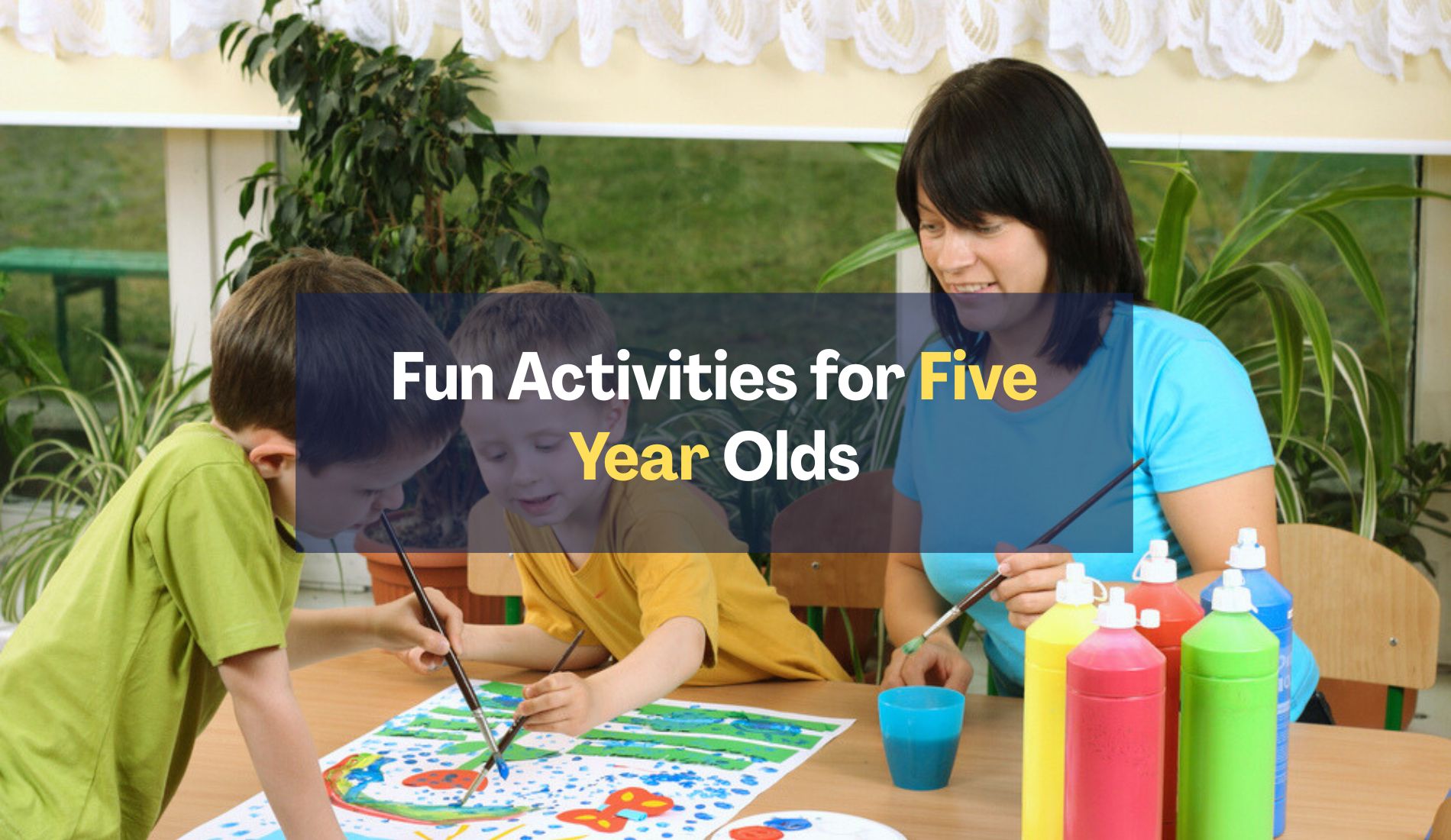
Does your child struggle with waiting their turn or acting before thinking? Teaching impulse control can be challenging, but it’s a crucial skill for kids to develop. That’s why we’ve put together these engaging impulse control activities for kids with adhd to make learning self-regulation fun and effective.
Impulse control is a crucial skill for children, particularly those diagnosed with ADHD. Learning to manage their impulses helps kids develop self-regulation, enhances their social skills, and ultimately contributes to better mental health.
From Simon Says to mindfulness exercises, these activities help children improve patience and decision-making. Dr. Ross Greene, a renowned child psychologist, emphasizes that impulse control is a skill that can be nurtured through practice, not punishment. These tested strategies ensure kids learn self-regulation in an enjoyable and stress-free way.
But that’s just the beginning! Each activity is designed to be simple yet powerful in building your child’s self-discipline. So, let’s dive in and explore these exciting ways to strengthen impulse control in kids!
Impulse Control Activities for Kids with ADHD
For children with ADHD, impulse control activities are vital in nurturing self-regulation. Activities such as charades and Simon Says can be particularly effective, as they require children to wait for their turn and think before they act.
These games provide a fun, interactive setting where kids can learn impulse control skills while having a great time. Additionally, role-playing scenarios can help students learn to pause and think about their responses, which is essential for managing impulsivity in real-life situations.
By integrating these engaging activities into their routines, parents and educators can help children develop the self-control skills needed to navigate various social environments.

Moreover, incorporating structured activities for impulse control not only makes learning enjoyable but also reinforces essential cognitive strategies. Children can practice mindfulness techniques during these activities, allowing them to recognize their urges and consciously choose how to respond.
For instance, employing mindful breathing exercises within a game can help kids calm themselves when they feel impulsive. These activities serve as valuable tools for helping kids develop self-regulation, ultimately leading to improved focus and behavior in both academic and social settings.
How to Help Adhd Child with Impulse Control?
How to control impulsive behavior in child? Helping a child with ADHD develop impulse control requires a combination of patience and effective strategies. One of the most beneficial approaches is to create a structured environment where children can practice self-regulation skills.
Establishing clear expectations and using visual aids such as charts or reminders can help reinforce these concepts. Additionally, teaching kids to recognize their impulses is crucial. Encouraging them to “stop and think” before reacting can greatly improve their ability to manage impulsive behaviors.
Another effective strategy for kids, is to engage them in activities that promote executive functioning skills. Activities like the waiting game, where children must practice waiting their turn, can significantly enhance their capacity to control impulses.
These structured play scenarios provide a safe space for children to practice self-control in a fun way. As children develop these skills, they become better equipped to handle challenges in social situations, contributing to their overall mental health and emotional well-being.
Tips for Implementing Impulse Control Activities for Kids Effectively
Implementing impulse control activities for kids effectively involves several key strategies. Here are some effective tips for implementing impulse control activities you can try for kids need to help:
– Practice Mindfulness
Practicing mindfulness is an excellent strategy for enhancing impulse control in children. Mindfulness activities encourage kids to focus on the present moment, which helps them recognize their impulses without immediately acting on them.
Simple exercises like mindful breathing can teach children how to calm their minds and bodies when they feel the urge to act impulsively. By integrating mindfulness into daily routines, children can develop a greater awareness of their thoughts and feelings, leading to improved self-regulation.
– Self-Regulation, and Executive Functioning Skills
Self-regulation and executive functioning skills are critical components of impulse control. Activities that focus on enhancing these skills can significantly benefit children, especially those with ADHD.
Engaging in tasks that require problem-solving and decision-making can help kids strengthen their cognitive control while practicing self-control. For example, role-playing different scenarios allows children to think through their options before acting, fostering healthier responses to impulsivity.
– Post Visuals, Games etc.
Utilizing visuals and engaging games can significantly enhance the effectiveness of impulse control activities for kids. Visual aids, such as charts and reminders, help children understand the importance of self-control and provide them with tangible strategies to implement.
For example, a visual stop sign can remind children to pause and reflect on their impulses before acting. Additionally, incorporating games into these activities can make learning fun and engaging, encouraging kids to practice self-regulation in a playful environment.
– Calming Strategy Practice
Practicing calming strategies is essential for helping children manage their impulses effectively. Techniques such as deep breathing, progressive muscle relaxation, or even simple stretching exercises can help kids calm their minds and bodies when they feel overwhelmed.
By teaching children these strategies, parents and educators can provide them with tools to cope with impulsivity in various situations. Implementing calming practice during activities can create a peaceful environment where children feel safe to express their emotions.
– Lessons Worksheets Games for Impulsivity BUNDLE
Creating a comprehensive bundle of lessons, worksheets, and games for impulsivity can provide a structured approach to impulse control activities for kids. This bundle can include a variety of resources designed to engage children while teaching them essential self-regulation skills.
Worksheets that focus on recognizing impulses and developing coping strategies can be particularly effective in reinforcing these concepts. By providing diverse activities, children can practice self-control in multiple contexts, enhancing their overall learning experience.
Furthermore, incorporating games that emphasize turn-taking, patience, and mindfulness can significantly boost children’s engagement. Activities like scenario cards that challenge kids to think before acting can foster critical cognitive skills.
– Mindful breathing
Mindful breathing is a powerful tool for helping children manage their impulses. This simple yet effective technique allows kids to focus on their breath, promoting relaxation and enhancing self-regulation skills.
Incorporating mindful breathing exercises into daily routines, children can learn to calm their minds and bodies when feeling impulsive. Practicing mindful breathing during activities can create a peaceful atmosphere where kids can feel secure and in control.
Additionally, teaching children how to use mindful breathing as a coping strategy can empower them to handle challenging situations more effectively. For example, before participating in a game or group activity, kids can engage in a few minutes of mindful breathing to center themselves.
– Game Lesson and Scenario Cards for Impulsivity
Using game lesson and scenario cards for impulsivity is an innovative way to teach children about self-control in an engaging manner. These cards can present various scenarios where children must think critically about their impulses and decide on appropriate responses.
By role-playing these scenarios, kids can practice self-regulation in a safe and supportive environment. This interactive approach not only makes learning fun but also helps children develop essential cognitive skills.
Moreover, incorporating games into these lessons can enhance children’s understanding of impulse control. For instance, using scenario cards in conjunction with games like charades can encourage kids to wait their turn and think before acting.
This blend of play and learning reinforces self-control skills while fostering a sense of community among peers. By consistently utilizing game lesson and scenario cards, educators and parents can help children strengthen their impulse control skills, leading to better social emotional regulation and social interactions.
– Calm Coloring
Calm coloring is a delightful activity that can foster mindfulness and self-regulation in children. Engaging in coloring allows kids to express their creativity while providing a calming effect that can reduce impulsivity.
By integrating calm coloring sessions into their routines, children can learn to manage their emotions and practice self-control in a relaxing environment. This activity encourages mindfulness, allowing children to focus on each stroke of color rather than their impulses.
In addition to enhancing self-regulation, calm coloring can also serve as a valuable tool for emotional expression. Children can use colors to represent their feelings, providing an outlet for their emotions.
– Lessons for Google Slides Digital SEL Resource
Creating lessons for Google Slides as a digital SEL resource can provide an engaging platform for teaching impulse control skills. These interactive lessons can include multimedia elements such as videos, quizzes, and visuals that make learning more dynamic.
Utilizing technology, educators can reach children in a format that resonates with them, enhancing their understanding of self-regulation and impulsivity. These lessons can be designed to promote discussion and reflection, allowing kids to share their thoughts and experiences related to impulse control.
Furthermore, incorporating activities that encourage participation, such as interactive polls or scenario discussions, can greatly enhance the learning experience.
Commonly Asked Questions about Self Control Games for Kids (FAQs)
What is the importance of impulse control activities for kids?
Impulse control activities are essential for developing self-control and self-regulation skills in children. These activities help kids learn to manage their thoughts and emotions, which is important for making good choices and problem solving in real-life scenarios.
How can “Simon Says” help teach impulse control?
“Simon Says” is a great game to enhance listening skills and self-awareness. It requires children to follow directions carefully and only act when prompted, helping them practice stopping and thinking before they react.
What are some printable impulse control activities I can use at home or in the classroom?
There are many printable lessons and activities that focus on impulse control strategies. Look for worksheets that include scenarios for kids to practice making good choices or coping skills that promote emotional intelligence.
Can you explain the “Freeze” activity and its benefits?
The “Freeze” activity involves kids moving around and then freezing in place when prompted. This helps strengthen self-control as children learn to stop their actions and pay close attention to their surroundings. It’s a fun way to practice managing impulses.
What are some activities ideas to teach students about making good choices?
Activities that involve role-playing real-life scenarios can teach students about good choices. Discussing the consequences of their actions helps them develop coping skills and enhance their emotional intelligence.
How can listening to music aid in impulse control for kids?
Listening to music can serve as a distraction that helps children calm down and think mindfully before they act. It provides a purposeful break, allowing them to reset and manage their emotions effectively.
What strategies can help kids when they feel the urge to blurt out answers in class?
Teaching students to use self-control strategies such as taking a deep breath or counting to five can help them pause and think before speaking. This practice encourages them to be more conscious of their body language and facial expressions, promoting better communication.
Why is it important for kids to learn about impulse control early on?
Developing impulse control early helps children build a foundation for emotional regulation throughout their lives. It equips them with the skills they need to navigate social situations and strengthen their ability to make thoughtful decisions, which is essential for both children and adults.
Can you provide a real-life scenario to illustrate the benefits of impulse control strategies?
A: Imagine a student who feels frustrated during a group project. By using impulse control strategies, they can recognize their emotions, take a moment to stop and think, and express their feelings calmly instead of reacting impulsively. This not only helps them communicate effectively but also fosters better teamwork.
Conclusion
In conclusion, engaging impulse control activities are essential for helping children, especially those with ADHD, develop self-regulation and self-control skills. By incorporating various strategies, such as mindfulness, structured games, and visual aids, parents and educators can create an environment that fosters healthy emotional responses to impulsivity. These activities not only promote cognitive growth but also enhance children’s social skills and mental health. As kids practice these skills over time, they will learn to navigate their impulses more effectively, ultimately leading to improved interactions and a greater sense of well-being. Helping kids develop impulse control skills is a vital step in nurturing their overall development and success in life.
Recommended posts
- Discipline Vs Punishment: Which One Works Best for Kids?
- How to Set Boundaries with Adult Step-Children (Proven Tips)
- Smart Punishments for Teenagers – Effective Discipline Ideas
- Extreme Attention-Seeking Behavior in Child: (Quick Fixes)
- 100+ Engaging and Easy Trivia Questions for Kids to Enjoy