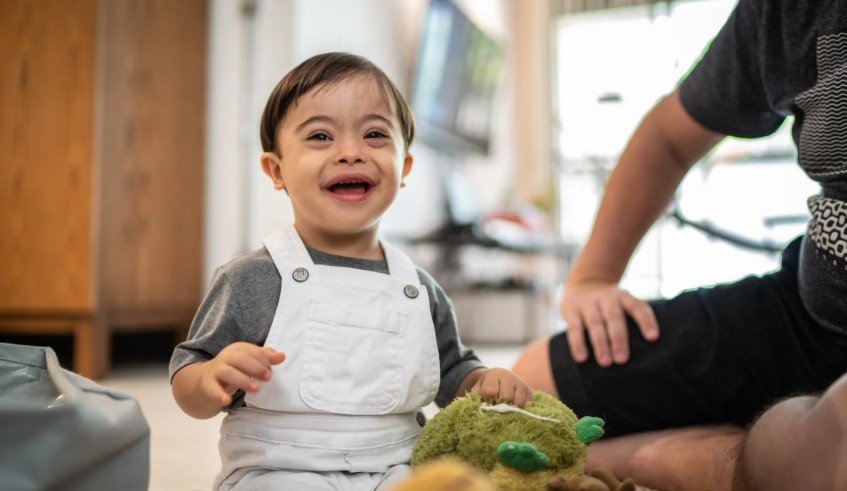
Newborn Down Syndrome ears often raise questions for new parents—do their ears look or function differently? Can ear shape or structure signal potential health concerns? If you’ve noticed something unique about your down syndrome infant ears, you’re not alone, and it’s worth understanding what it could mean.
Babies with Down Syndrome may have small, low-set, or unusually shaped ears. Hearing issues are also common due to narrow ear canals or fluid buildup. According to Dr. Susan Wiley, a developmental pediatrician, early hearing screenings and ENT checkups are vital to prevent delays in speech and language.
But the shape of the ear is just the surface. There’s much more to know about hearing health, infections, and care in newborns with Down Syndrome. Stick around as we unpack the key insights and expert advice to support your baby’s auditory development from day one.
Common ENT Problems in Children With Down Syndrome
Down syndrome, a genetic condition caused by the presence of an extra 21st chromosome, affects various systems of the body, including the ENT system. Children with Down syndrome often experience a higher frequency of ENT issues than their typically developing peers.
Children with Trisomy 21 (Down syndrome) often have ear, nose, and throat issues. Some of the most common Ear, Nose and Throat Down Syndrome problems include:
- Chronic Ear Infections: These can be frequent and persistent due to the structural differences in the ear. Children with Down syndrome have a higher incidence of fluid buildup in the middle ear, which can lead to otitis media (middle ear infection).
- Hearing Loss: This is another common concern, ranging from mild to severe, and can be a result of recurrent ear infections or anatomical issues within the ear.
- Sleep Apnea: Children with Down syndrome are more likely to suffer from obstructive sleep apnea, which can lead to issues with hearing due to the airways being obstructed during sleep.
- Nasal Congestion: Enlarged adenoids and tonsils are more prevalent in children with Down syndrome, contributing to breathing problems and increased incidence of ear infections and conductive hearing loss.
Given these potential concerns, it is essential to have regular checkups with an ENT specialist. Early intervention can address issues like ear infections or hearing impairments, ensuring that your child’s development is on track.
Newborn Down Syndrome Ears Hearing Loss is also Common
One of the most concerning issues for parents of newborns with Down syndrome is hearing loss. It is important to understand that newborns with Down syndrome may experience hearing loss for several reasons:
- Structural Abnormalities: The ears of children with Down syndrome can exhibit physical differences that may contribute to hearing loss. These abnormalities can affect the ear canal and middle ear, making it difficult for sounds to travel properly.
- Fluid Buildup: A common condition associated with Down syndrome is the accumulation of fluid behind the eardrum, often caused by Eustachian tube dysfunction. This fluid can lead to temporary hearing loss and, if left untreated, can cause more serious, long-term hearing issues.
- Recurrent Ear Infections: Newborns and young children with Down syndrome are particularly vulnerable to frequent ear infections, which can lead to hearing loss over time. The presence of fluid and infection can interfere with the delicate structures of the ear, resulting in hearing impairment.
- Neurological Factors: In some cases, hearing loss in newborns with Down syndrome may be related to the neurological effects of the condition, which can impact the auditory pathways.
It is important for parents of newborns with Down syndrome to schedule an appointment with a pediatric specialist shortly after birth and follow up with regular hearing assessments as part of their child’s ongoing medical care. Early identification and intervention are critical in managing hearing loss and supporting language development.
Ear Canals and Hearing in Baby with Down Syndrome
Newborns diagnosed with Down syndrome, specifically chromosome 21, often exhibit unique physical features, including low-set ears and other ear and pinna abnormalities. These babies may experience hearing loss, which can be sensorineural or conductive in nature, making regular audiologic testing at birth essential.
The American Academy of Pediatrics recommends that pediatricians perform a screening test to check for middle ear conditions, as fluid in the middle ear can lead to recurrent ear infections and other complications.
Individuals with Down syndrome frequently face challenges related to hypotonia, or low muscle tone, which can affect their overall development, including the function of the eustachian tube.
It is crucial for parents of a child with Down syndrome to consult with an ENT specialist if they notice symptoms of hearing loss, as early intervention can significantly improve hearing and quality of life.
The rate of hearing loss in children with Down syndrome is notably higher than in the general population, emphasizing the importance of monitoring auditory health from the first well-baby exam.
Low Set Ears and Pinna Abnormalities
Another notable feature of newborns with Down syndrome is the presence of low-set ears and pinna abnormalities. The pinna, or outer ear, plays a crucial role in collecting and directing sound into the ear canal. In children with Down syndrome, the pinna may be unusually shaped or positioned lower on the head.
- Low-Set Ears: One of the most common physical features in individuals with Down syndrome is the presence of low-set ears. The ears may appear smaller than usual and positioned slightly lower than in typically developing children. While this typically does not cause hearing loss on its own, it may be associated with other structural ear issues, such as the narrowing of the ear canal or abnormalities in the middle ear.
- Pinna Abnormalities: Children with Down syndrome often have abnormal pinna shapes. These can include flattened or malformed outer ears, which may affect the way sound is funneled into the ear. Although the primary concern is cosmetic, in some cases, these abnormalities can complicate the process of hearing sound effectively.
While low-set ears and pinna abnormalities may not directly cause hearing loss, they are often indicative of underlying ear structural issues. It is essential to monitor any changes or symptoms in the down syndrome infant ears and seek early intervention if necessary.
Commonly Asked Questions about Down Syndrome Infant Ears (FAQs)
What are the common ear abnormalities in newborns with Down syndrome?
Newborns with Down syndrome often exhibit physical features such as low-set ears and other ears and pinna abnormalities. These characteristics may vary in severity and can sometimes affect the child’s overall health and development.
How does Down syndrome affect hearing in newborns?
Children with Down syndrome are at a higher risk for hearing loss, including both conductive and sensorineural hearing loss. This can be attributed to various factors, including middle ear disease and eustachian tube dysfunction, which are common in children with this condition.
What is the importance of hearing tests for newborns with Down syndrome?
Audiologic testing at birth is crucial for newborns with Down syndrome. Early detection of hearing loss allows for timely interventions, which can significantly improve hearing outcomes and developmental progress for these children.
How can parents check for middle ear problems in their newborn?
Parents should monitor for signs of middle ear issues, such as frequent ear infections or fluid in the middle ear. If concerns arise, it is advisable to see an ENT specialist for a thorough evaluation and potential audiologic testing.
What role does the American Academy of Pediatrics play in Down syndrome care?
The American Academy of Pediatrics provides guidelines for the healthcare of children with Down syndrome, including recommendations for regular hearing screenings and evaluations by pediatricians and specialists, such as otolaryngologists.
What are the health conditions associated with Down syndrome that can affect ears?
Individuals with Down syndrome may have various health conditions that can impact their ears, such as low muscle tone and ear wax buildup, which can lead to hearing difficulties. Regular check-ups can help manage these issues effectively.
How common are ear infections in babies with Down syndrome?
Babies with Down syndrome tend to experience a higher rate of ear infections due to anatomical differences in their ear canals and eustachian tubes. Parents should be vigilant for symptoms of ear infections and consult their pediatrician for appropriate care.
What should I do if my newborn has low-set ears?
If your newborn has low-set ears, it is important to discuss this with your pediatrician. While low-set ears are a common physical feature in babies with Down syndrome, a healthcare professional can guide you in monitoring any related health issues.
Can physical abnormalities in Down syndrome affect overall health?
Yes, physical abnormalities associated with Down syndrome, including ear-related issues, can influence overall health and development. Regular medical assessments are essential to address any potential concerns early on.
What are 5 features recognized in a Down’s syndrome individual?
Five key features in Down syndrome individuals include flattened facial features, upward-slanted eyes, a small nose, a single palmar crease, and low muscle tone (hypotonia). Early interventions aid development.
Conclusion
Caring for a newborn with Down syndrome requires a comprehensive understanding of the various medical conditions that may arise, especially those related to the ears. The challenges associated with “Newborn Down Syndrome Ears” often include hearing loss, ear canal abnormalities, and recurrent ear infections. However, with proper monitoring and early intervention, many of these issues can be managed effectively. Regular check-ups with an ENT specialist, routine hearing tests, and addressing any physical or structural abnormalities early on can help ensure your child’s optimal hearing and speech development. By staying informed and proactive, you can provide the best support for your child’s ENT health, allowing them to reach their full potential.
Recommended posts
- Why Down Syndrome with Glasses Is Common: Eye Care Guide
- Down Syndrome Physical Therapy Treatment – Best Options
- Down Syndrome hCG Levels by Week: Screening Risk Indicators
- Down Syndrome Regression Disorder: Signs, Causes, and Care
- Down Syndrome Face Features 101: Science, Signs, and Support