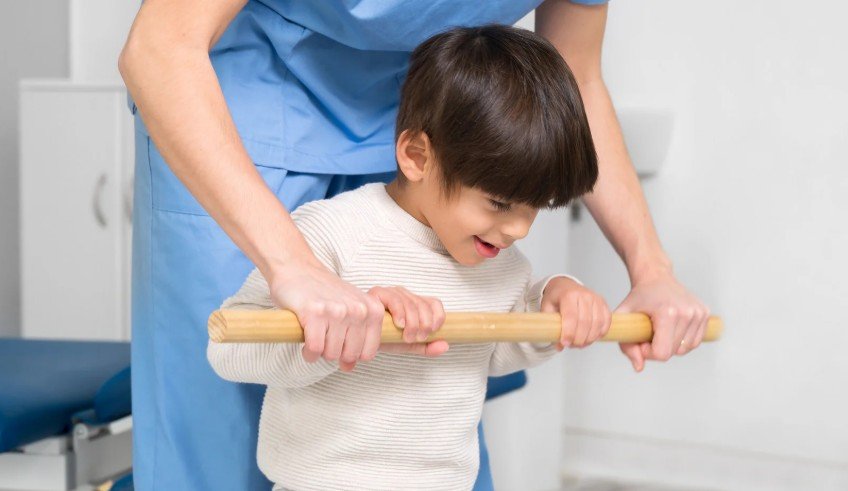
Down Syndrome physical therapy treatment plays a crucial role in helping children develop better movement, balance, and coordination. But how exactly does physical therapy make a difference in their everyday life? Can regular sessions really boost their ability to walk, play, and explore like other kids? If you’re curious about how movement therapy fits into the picture, you’re in the right place.
Children with Down Syndrome often have low muscle tone, joint looseness, and delayed motor skills. Physical therapy targets these challenges through personalized exercises, postural control, and strength-building routines. Experts like Dr. Patricia Winders from the Sie Center for Down Syndrome confirm that early intervention leads to major long-term benefits.
But therapy doesn’t end with crawling and walking milestones. There’s a full journey ahead to improve balance, stamina, and daily independence. So, let’s break down what the best physical therapy plans look like—and how they empower kids with Down Syndrome to move with confidence and joy.
How Can a Physical Therapist Help Children with Down Syndrome?
A physical therapist specializing in Down syndrome can offer invaluable assistance by providing targeted treatments that help children overcome physical limitations associated with the condition.
These therapists focus on improving muscle tone, strength, and flexibility while promoting balance, coordination, and overall motor skills. Physical therapists assess the individual needs of each child and create personalized treatment plans that cater to their unique challenges.
For children with Down syndrome, physical therapy often addresses concerns like low muscle tone (hypotonia low muscle tone), joint instability, and delayed gross motor skills.
Through various therapeutic techniques, such as strength-building exercises, stretching, and proprioceptive training, therapists work to enhance mobility and prevent secondary complications like arthritis or orthopedic issues.
Regular therapy sessions can help children develop the physical foundation necessary for achieving milestones such as walking, running, and engaging in age-appropriate play activities.
Benefits of Physical Therapy for Children With Down Syndrome
Physical therapy offers numerous benefits for children with Down syndrome. Key advantages include:
- Improved Mobility and Strength: Physical therapy helps children build muscle strength and increase endurance. Strengthening core muscles, legs, and arms can significantly improve a child’s ability to move independently, whether it’s crawling, walking, or running.
- Enhanced Coordination and Balance: individuals with down syndrome often struggle with balance and coordination. Targeted exercises like walking on uneven surfaces or balancing on one foot help improve these essential skills.
- Better Posture and Alignment: Since children with Down syndrome may have a tendency to slouch or lack proper alignment, physical therapy ensures they develop good posture habits, which are crucial for their long-term health.
- Reduced Risk of Joint Issues: By addressing muscle weakness and joint instability early on, physical therapists can help prevent or manage orthopedic concerns that are common in children and adults with Down syndrome, such as hip dislocation or scoliosis.
- Improved Gross Motor Skills: early intervention programs are specifically designed to target large muscle groups, helping children develop skills related to walking, running, jumping, and climbing, which are vital for their independence and self-confidence.
- Increased Confidence and Independence: Through physical therapy, children gain a sense of accomplishment as they progress in their physical abilities. This boosts their self-esteem and motivation to continue improving.
Best Down Syndrome Physical Therapy Treatments – Down Syndrome Therapy Options
When it comes to physical therapy treatments for children with Down syndrome, there are several approaches and techniques used by experts. Some of the most effective treatments include:
1. Strengthening Exercises
Strengthening exercises are essential for building muscle tone and increasing endurance. These exercises are tailored to each child’s developmental stage and abilities. They can include activities like resistance training with lightweight equipment, bodyweight exercises, or using therapy bands.
2. Proprioceptive Training
Proprioception refers to the body’s ability to sense its position and movement in space. Children with Down syndrome often face difficulties with proprioception, which can affect their balance and coordination. Proprioceptive training involves exercises that enhance this sense, like standing on unstable surfaces or practicing jumping and landing techniques.
3. Gross Motor Skill Development
Therapists focus on helping children with Down syndrome improve gross motor skills. Activities that encourage crawling, rolling, running, and jumping are incorporated into therapy. These activities help build coordination and muscle strength, which are critical for a child’s overall development.
4. Aquatic Therapy
Aquatic therapy, or water therapy, is an effective treatment for children with Down syndrome, especially those who struggle with joint instability or motor planning. The buoyancy of water reduces the impact on joints while providing resistance to strengthen muscles.
5. Posture and Alignment Training
Since children with Down syndrome often have poor muscle tone and difficulty maintaining good posture, physical therapists may use exercises focused on aligning the spine, strengthening the back, and improving balance to help them develop proper body alignment.
6. Mobility Training
Mobility training includes specific exercises to improve walking, running, and other activities of daily living. Physical therapists help children practice these activities, paying attention to foot placement, joint movements, and gait.
7. Stretching and Flexibility Exercises
Children with Down syndrome tend to have shorter muscles, which can affect flexibility. Regular stretching routines are an important part of physical therapy, helping children increase flexibility and improve their range of motion.
Fine Motor Skills in Children With Down Syndrome
Fine motor skills are the ability to perform tasks that require small muscle movements, particularly in the hands and fingers. While physical therapy largely focuses on gross motor skills, fine motor skills are also an important component of a child’s development. These skills include activities like grasping, writing, and manipulating small objects.
– Occupational Therapy
Occupational therapy plays an essential role in helping children with Down syndrome improve their fine motor skills. This type of therapy works on tasks such as dressing, feeding, and using utensils, all of which require hand-eye coordination and dexterity. Occupational therapists incorporate fun and engaging activities, like drawing or stacking blocks, to build strength and coordination in the hands.
– Speech and Language Therapy
While not directly related to physical therapy, speech and language therapy is a vital part of the developmental process for persons with down syndrome. This therapy focuses on improving communication skills, which are crucial for social interactions and daily life. Speech therapists help with articulation, language comprehension, and the development of cognitive-communication skills.
– Physiotherapy Management and the Role of the Multidisciplinary Team
Physical therapy is just one aspect of the comprehensive care required for children with Down syndrome. Physiotherapy management involves a multidisciplinary approach where various healthcare professionals—such as physical therapists, occupational therapists, speech therapists, and pediatricians—work together to create an individualized treatment plan. This collaborative approach ensures that all aspects of the child’s physical, cognitive, and social development are addressed.
Early Intervention and Educational Therapy
Early intervention is key to helping children with Down syndrome reach their full potential. Research shows that the earlier physical therapy and other down syndrome therapies begin, the better the outcomes for children. Early intervention can be provided in various settings, including at home, in daycares, or in specialized therapy centers.
Educational therapy can complement physical therapy by using specific teaching methods to enhance a child’s learning abilities. This down syndrome therapies focus on developing academic, social, and self-help skills, which are essential for people with down syndrome to thrive in school and beyond.
Best Exercise Videos for Children and Toddlers With Down Syndrome
Why Exercise Matters for Kids With Down Syndrome? Children with Down syndrome benefit greatly from regular physical activity. It improves muscle tone, balance, coordination, and overall well-being. Exercise also supports heart health and cognitive development. Creating a fun, engaging environment is key to building healthy habits early.
Choosing the Right Videos for Your Child
Not all workout videos are suitable for toddlers or kids with special needs. Look for slow-paced, visually engaging, and clearly instructed videos. A calm tone and friendly host help children stay focused and feel comfortable. Always ensure the routines are safe and age-appropriate.
Top Benefits of Using Exercise Videos
- Encourages daily movement
- Builds routine and structure
- Supports physical therapy goals
- Improves social interaction skills
- Boosts mood and confidence
Videos are especially helpful when supervised. They guide parents and caregivers while making fitness fun and interactive.
Best Types of Exercises for Kids With Down Syndrome
1. Gross Motor Skills Activities
Jumping, crawling, marching, and balancing are ideal. These exercises help strengthen large muscle groups. Many toddler workout videos include fun animal movements to promote gross motor skill development.
2. Yoga and Stretching Routines
Gentle yoga improves flexibility and focus. It also calms the nervous system and enhances breathing. Many videos use story-based yoga adventures that captivate young minds.
3. Dance and Music-Based Movement
Dance routines keep kids engaged. Rhythmic movement combined with songs boosts coordination and memory. Repetitive steps are especially effective for learning and motor planning.
4. Interactive Play Exercises
Videos with games like “Simon Says” or follow-the-leader encourage listening skills. These playful exercises improve reaction time and body awareness.
Top Recommended Exercise Channels for Kids With Down Syndrome
1. Cosmic Kids Yoga
This channel offers colorful, story-based yoga sessions. Perfect for toddlers and young children. The instructor is animated, making it fun and easy to follow.
2. The Singing Walrus
This YouTube channel combines songs and movement. The content supports language development and gross motor skills. It’s engaging and simple for kids to follow.
3. GoNoodle
GoNoodle features short, energetic videos designed for classrooms and home. Many videos focus on movement, mindfulness, and fun. Great for all ages and abilities.
4. Miss Rachel
Miss Rachel offers slow-paced, speech-enriched content. Her songs often involve gentle physical movement. Ideal for toddlers learning new skills through music.
How to Maximize the Benefits
- Watch videos together
- Use consistent schedules
- Keep sessions short and fun
- Encourage praise and participation
- Choose quiet, distraction-free environments
Even 10 minutes a day can make a big difference. Small, regular efforts build strength and confidence over time.
Safety First: Tips for Parents and Caregivers
Always check with your child’s doctor or physical therapist before starting new routines. Watch for fatigue, discomfort, or overstimulation. Keep a soft mat or carpet under active kids to prevent injury. Monitor progress and celebrate milestones.
Exercise videos can transform fitness into a joyful daily habit. For children and toddlers with Down syndrome, these routines support physical, emotional, and cognitive growth. Choose wisely, stay consistent, and most importantly — have fun moving together!
Great Apps for Developing Fine Motor Skills in Children With Down Syndrome
Technology has made it easier to access tools for helping children develop fine motor skills. Here are some great apps that help develop fine motor skills in individuals with down syndrome. These apps use touch, drag-and-drop, tapping, and tracing to encourage hand-eye coordination, finger strength, and precision—crucial for daily skills like writing, dressing, and feeding.
📱 Top Apps for Fine Motor Skill Development
1. Dexteria Jr.
- Platform: iOS
- Best for: Toddlers and young children
- Features: Finger-tapping, pinching, and tracing exercises
Why it’s great: Developed by occupational therapists specifically to support fine motor development. It’s playful and progress can be tracked.
2. Bugs and Buttons
- Platform: iOS and Android
- Best for: Ages 3+
- Features: Over 18 mini-games involving tapping, pinching, dragging, and sorting bugs
Why it’s great: Visually engaging with real-world textures and a wide range of fine motor tasks
3. Busy Shapes
- Platform: iOS and Android
- Best for: Ages 2–5
- Features: Drag-and-drop puzzles using shapes
Why it’s great: Improves logic and hand-eye coordination with simple, intuitive controls ideal for kids with developmental delays.
4. Toca Boca Series (especially Toca Kitchen, Toca Hair Salon, Toca Life)
- Platform: iOS and Android
- Best for: Ages 3–8
- Features: Open-ended play with touch-based activities
Why it’s great: Kids tap, drag, and move objects with purpose, improving coordination while playing freely.
5. Endless Alphabet
- Platform: iOS and Android
- Best for: Ages 3–6
- Features: Drag-and-drop letters into place
Why it’s great: Combines vocabulary development with fine motor practice. Friendly monsters keep it fun and stress-free.
6. Montessori Crosswords
- Platform: iOS and Android
- Best for: Preschool–early elementary
- Features: Drag letters into crossword puzzle spaces
Why it’s great: Builds spelling, phonics, and precise finger control. Inspired by Montessori methods.
7. Fine Motor Skills by Little Bear Sees
- Platform: iOS
- Best for: Children with developmental delays
- Features: Simple cause-and-effect games using tapping and swiping
Why it’s great: Designed specifically for children with disabilities, including Down syndrome and CVI.
🎮 Bonus Apps for Touch Precision and Control
- Dot to Dot Adventure – Tracing paths and completing pictures
- Drawing Pad – Free drawing for hand control
- Dr. Panda Games – Tap-and-drag games for pretend play
Paint Sparkles Draw – Stimulating tracing and coloring
🧠 Tips for Using Apps Effectively
- Use a stylus to mimic pencil grip and support writing skills
- Start with short sessions (5–10 minutes)
- Sit together to guide and encourage
- Use a tablet stand to support posture and reduce fatigue
- Celebrate small successes to boost confidence
Commonly Asked Questions about Down Syndrome Therapy Treatment Options (FAQs)
How physical therapy can help children with Down syndrome?
Physical therapy helps children with Down syndrome improve muscle tone, motor skills, and coordination. Early intervention boosts mobility, balance, and independence—key for overcoming developmental delays and enhancing quality of life.
What is physical therapy for children with Down syndrome?
Physical therapy in down syndrome focuses on enhancing their physical abilities and motor skills. It involves tailored exercises and activities that aim to improve muscle strength, coordination, and overall physical function. A physical therapist works with the child to develop a personalized treatment plan that addresses their unique needs and challenges.
How can early intervention benefit infants with Down syndrome?
Early intervention is crucial for infants with Down syndrome as it can significantly improve their development. Engaging in therapy services, including pediatric physical therapy, occupational therapy, and speech therapy, helps children develop essential motor skills, fine motor skills, and communication abilities. The earlier these interventions begin, the more effective they tend to be in promoting positive outcomes.
What role does a physical therapist play in the treatment of children with Down syndrome?
A physical therapist is a health professional who specializes in movement and physical function. They assess a child’s physical abilities and challenges, then develop a treatment plan that includes exercises to improve muscle tone, strength, and coordination. Physical therapists also educate families on how to support their child’s physical development at home.
Can physical therapy help improve gross motor skills in children with Down syndrome?
Yes, physical therapy can significantly help improve gross motor skills in children with Down syndrome. Through targeted exercises and activities, therapists can assist children in achieving milestones such as sitting, crawling, walking, and running. Regular physical activity can lead to enhanced physical fitness and overall well-being.
What types of activities are included in physical therapy for children with Down syndrome?
Physical therapy for children with Down syndrome often includes a variety of activities such as balance exercises, strength training, coordination tasks, and play-based movement. These activities are designed to be fun and engaging while promoting the development of motor skills and physical fitness.
How does occupational therapy complement physical therapy for children with Down syndrome?
Occupational therapy complements physical therapy by focusing on improving a child’s ability to perform daily activities. While physical therapy enhances motor skills and physical fitness, occupational therapy helps develop fine motor skills and addresses sensory processing issues. Together, these therapies provide a comprehensive approach to support the child’s overall development.
What is the importance of regular physical activity for adolescents with Down syndrome?
Regular physical activity is vital for adolescents with Down syndrome as it supports physical health, enhances social skills, and improves mental well-being. Engaging in consistent exercise helps maintain muscle strength, improves coordination, and can lead to better health outcomes, including reduced risk of obesity and improved cardiovascular fitness.
How can parents help their child with Down syndrome improve motor skills at home?
Parents can help their child with Down syndrome improve motor skills at home by incorporating play-based activities that focus on movement and coordination. Simple exercises, such as climbing stairs, playing ball games, or engaging in dance, can be beneficial. Additionally, working with a physical therapist can provide parents with specific strategies and exercises tailored to their child’s needs.
What are the benefits of a systematic review and meta-analysis in understanding treatment for Down syndrome?
A systematic review and meta-analysis compile and analyze data from various studies to provide comprehensive insights into treatment effectiveness for Down syndrome. This helps health care providers, therapists, and families understand which interventions yield the best outcomes, guiding them in creating effective treatment plans for children and adolescents with Down syndrome.
Conclusion
Down Syndrome Physical Therapy Treatment is an essential part of helping people with down syndrome overcome physical challenges and improve their quality of life. With the right therapy, children can gain strength, balance, coordination, and fine motor skills that will serve them well as they grow. Whether it’s through strengthening exercises, occupational therapy, or early intervention, the benefits of physical therapy are undeniable. By incorporating a variety of treatments, including physical, speech, and educational therapy, children with Down syndrome can achieve their fullest potential and lead independent, healthy lives.
Recommended Posts
- Tips for Potty Training Down Syndrome: (That Really Work)
- Can People with Down Syndrome Drive A Car?
- The Most Common Down Syndrome Feet Issue in Children
- Down Syndrome Infant Ears & ENT Support: A Parent’s Guide
- 10 Down Syndrome Interesting Facts to Know and Share
- Down Syndrome Regression Disorder: Signs, Causes, and Care
- Best Down Syndrome Speech Therapy Options for All Ages
- Down Syndrome and Developmental Milestones (Tracking Progress)
- Easy At-Home Water Play Activities for Infants to Beat Heat