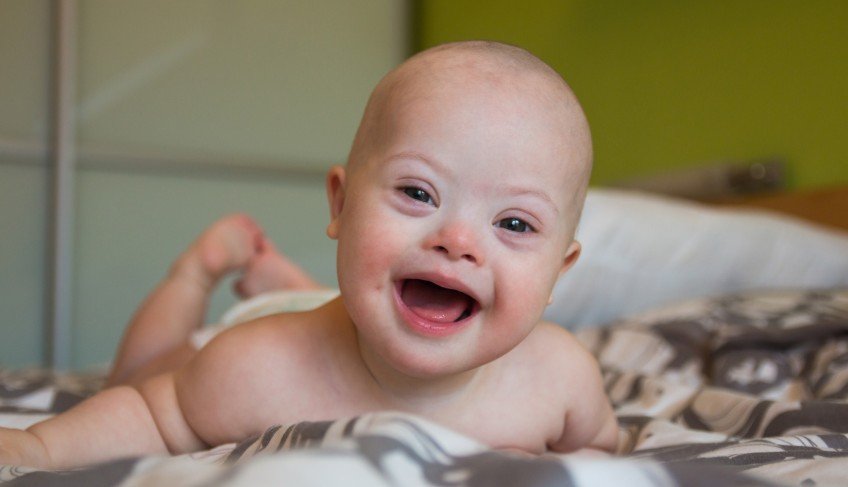
Newborn Down syndrome eyes—what do they really look like? Many parents notice unique eye features in their baby and wonder if they’re signs of Down syndrome. Can the eyes alone indicate the condition, or is it just one part of a bigger picture?
Many newborns with Down syndrome have distinct eye characteristics like upward slanting eyelids, Brushfield spots (tiny white or grayish spots on the iris), and a wider space between the eyes. These traits are common, but they’re not a diagnosis on their own. Doctors confirm Down syndrome with genetic testing, such as a karyotype or a chromosomal blood test.
Curious about what these signs mean for your baby’s development or health? Wondering how early these traits appear and what other features to watch for? Keep reading as we unpack medical insights, expert opinions, and real parent experiences to guide you through recognizing and understanding the visual signs of Down syndrome in newborns.
What Do Down Syndrome Eyes Look Like?
Down syndrome eyes newborn often present a unique and easily identifiable appearance. Common traits include an upward slanting of the eyelids, which is caused by a fold of skin known as the epicanthal fold.
This fold often appears at the inner corner of the eyes and is one of the defining features in children with Down syndrome. The eyes themselves may also appear slightly almond-shaped or smaller than those of typically developing children.
The distinct eye shape in patients with down syndrome, often referred to as “Down Syndrome Eyes,” is due to the extra copy of chromosome 21 that alters various facial features, including the eyes. This feature may vary in severity among children with Down syndrome, but it’s typically evident shortly after birth and becomes more pronounced as they grow.
Identifying Down Syndrome in Newborns – Signs and Symptoms
Identifying Down syndrome in newborns typically involves observing specific signs and symptoms. Here are some common indicators:
Physical Characteristics
1. Facial Features:
- Flat facial profile
- Slanted eyes
- Small ears
- Protruding tongue
2. Body Structure:
- Short neck
- Short stature
- Low muscle tone (hypotonia)
- Short arms and legs
3. Palmar Features:
- Single transverse palmar crease (simian line)
- Short fingers
– Health Considerations
- Heart Defects: Many infants with Down syndrome may have congenital heart issues.
- Digestive Problems: Some may experience gastrointestinal problems.
Developmental Delays
- Cognitive Development: Delays in reaching developmental milestones such as sitting, crawling, and walking.
- Speech and Language: Delayed speech development.
Diagnosis
While physical signs can suggest Down syndrome, a definitive diagnosis typically involves genetic testing, such as chromosomal analysis.
Important Note
Not all infants with Down syndrome will exhibit all these signs, and some features may not be evident at birth. Early intervention and support can greatly benefit children with Down syndrome. If you suspect Down syndrome, consult a healthcare professional for further evaluation and guidance.
Do Children with Down Syndrome Have Eye Problems?
Yes, children with Down syndrome are more prone to various eye problems compared to typically developing children. The likelihood of vision problems in these children is higher due to the genetic abnormalities associated with Down syndrome, specifically the trisomy 21 condition.
These issues can vary, but some of the most common eye problems that affect children with Down syndrome include strabismus, refractive errors, and more severe conditions like congenital cataracts and glaucoma.
Additionally, because children with Down syndrome often have developmental delays, their visual acuities development may also be affected, which means that eye issues can sometimes go unnoticed until later. Regular pediatric eye screenings are essential to ensure that any issues are identified early and treated appropriately.
Down Syndrome Eyes vs Regular Eyes
Down syndrome can affect various physical features, including facial characteristics. One notable difference is the appearance of the eyes. Here are some distinguishing features:
Down Syndrome Eyes:
- Almond-shaped: The eyes may appear more almond-shaped.
- Epicanthic folds: There is often a fold of skin over the inner corner of the eye.
- Slanting appearance: The eyes may have a slight downward slant.
- Spacing: The distance between the eyes can be wider than average.
Regular Eyes:
- Shape: Typically round or oval.
- No epicanthic folds: Standard eyelid structure without the additional fold.
- Symmetry: Generally more symmetrical and evenly spaced.
These features can vary significantly among individuals with Down syndrome. It’s important to appreciate the diversity within any group.
What Does Down Syndrome Do to the Eyes?
Down syndrome affects the development of many body systems, and the eyes are no exception. Apart from the distinctive appearance of Down Syndrome Eyes, children with this condition are at a higher risk for several eye problems. These can include:
- Strabismus: A condition where the eyes are not properly aligned, leading to one eye turning in or out.
- Nystagmus: Involuntary, rapid eye movements that can affect vision.
- Refractive errors: Children with Down syndrome are more likely to have nearsightedness (myopia) or farsightedness (hyperopia), which may require corrective lenses.
- Cataracts: Clouding of the eye lens, which can impair vision and is more common in individuals with Down syndrome.
- Glaucoma: Increased pressure in the eye that can lead to damage of the optic nerve and vision loss.
These conditions can affect a child’s ability to see clearly and may impact their overall development. Regular eye exams are crucial to detect any vision issues early so that appropriate treatments, such as corrective lenses or surgical interventions, can be administered.
Down Syndrome Birth Defects and Risk Factors
Down syndrome is a congenital condition caused by the presence of an extra chromosome, often referred to as an “extra copy of chromosome 21” in the child’s DNA.
This additional genetic material affects various aspects of physical development, including the eyes, facial structure, and other systems. The presence of this extra chromosome leads to a range of developmental issues and health conditions that can affect the newborn’s growth and well-being.
The risk factors for having a child with Down syndrome increase with maternal age, particularly in women over 35. However, Down syndrome can occur in any pregnancy, regardless of the mother’s age.
Prenatal screening tests, such as blood tests and ultrasounds, can help identify the likelihood of Down syndrome before birth. If these tests indicate a higher risk, diagnostic tests like amniocentesis or chorionic villus sampling (CVS) can confirm the diagnosis.
Commonly Asked Questions about Eyes in Down Syndrome (FAQs)
How to Diagnose Down Syndrome During Pregnancy?
Down syndrome can be diagnosed during pregnancy through screening tests like blood tests and ultrasound, followed by diagnostic tests such as amniocentesis or chorionic villus sampling for confirmation.
What Causes Down Syndrome in Newborns?
Down syndrome in newborns is a genetic condition caused by an extra copy of chromosome 21, resulting from errors in cell division during egg or sperm formation, leading to trisomy 21.
What are the common physical signs of a newborn with Down syndrome?
Newborns with Down syndrome may exhibit distinct physical features such as a flat facial profile, slanted eyes, and a short neck. They may also have an extra fold of skin at the eyelids, which is often referred to as a “mongoloid fold.” These characteristics are generally present at birth and can be indicative of the condition.
How is Down syndrome diagnosed in newborns?
Down syndrome is typically diagnosed through a combination of physical examination and diagnostic testing. A pediatrician may identify signs of the syndrome during a newborn’s initial examination. Confirmatory tests such as a blood test can check for the presence of an extra copy of chromosome 21, which causes Down syndrome.
What are the risk factors for having a baby with Down syndrome?
Several risk factors can increase the likelihood of having a child with Down syndrome. Advanced maternal age is a significant factor, as the risk increases for mothers aged 35 and older. Additionally, having had a previous child with Down syndrome may elevate the risk for subsequent pregnancies.
What are the potential vision problems in infants with Down syndrome?
Infants with Down syndrome are at a higher risk for various vision problems, such as strabismus and refractive errors. Regular eye exams by a pediatric ophthalmologist are recommended to monitor and address any vision issues that may arise as the child develops.
How can I help my child with Down syndrome thrive?
Supporting a child that diagnosed with down syndrome involves early intervention and specialized care. Engaging with healthcare providers, including pediatricians and therapists, can help promote the child’s development. Early educational programs can also assist in enhancing cognitive and physical skills.
What is the role of the National Down Syndrome Society?
The National Down Syndrome Society (NDSS) plays an essential role in advocating for individuals with Down syndrome and their families. They provide resources, support, and information about the syndrome to help families navigate challenges and access necessary services.
What are the most common congenital defects associated with Down syndrome?
Children with Down syndrome may be at an increased risk for congenital defects, particularly heart defects. Approximately 40-60% of infants with Down syndrome are born with some form of congenital heart disease, which may require medical intervention shortly after birth.
What are the signs and symptoms of Down syndrome during pregnancy?
During pregnancy, screening tests such as blood tests and ultrasounds can help assess the risk of Down syndrome. Indicators may include an increased nuchal translucency measurement or specific markers in the blood. However, a definitive diagnosis can only be made through diagnostic testing like amniocentesis or chorionic villus sampling.
Down Syndrome Eyelids Conclusion
In conclusion, Down syndrome eyes, characterized by the distinct upward slant and epicanthal folds, are one of the key physical features of this condition. These eye traits are present from birth and are closely associated with other common characteristics found in people with down syndrome, including developmental delays and physical features like a flat facial profile.
While the appearance of Down syndrome eyes may be the first clue to the diagnosis, it’s important to remember that this condition affects the entire body and can lead to other health complications, particularly related to vision. Early diagnosis and regular monitoring by pediatric healthcare providers, including eye care specialists, are crucial to managing any eye issues and ensuring the best possible outcomes for children with Down syndrome.
Families and caregivers should work closely with their healthcare team to address potential eye problems, monitor development, and provide the necessary care and resources. With the right support, children with Down syndrome can lead fulfilling and productive lives.
Recommended posts
- Down Syndrome 4d Ultrasound: Can It Detect Early Signs?
- Why Do People with Down’s Syndrome Look the Same?
- Why Down Syndrome with Glasses Is Common: Eye Care Guide
- Most Common Cause of Down Syndrome Death (Must-Read)
- Common Down Syndrome Eyesight Challenges And Treatments