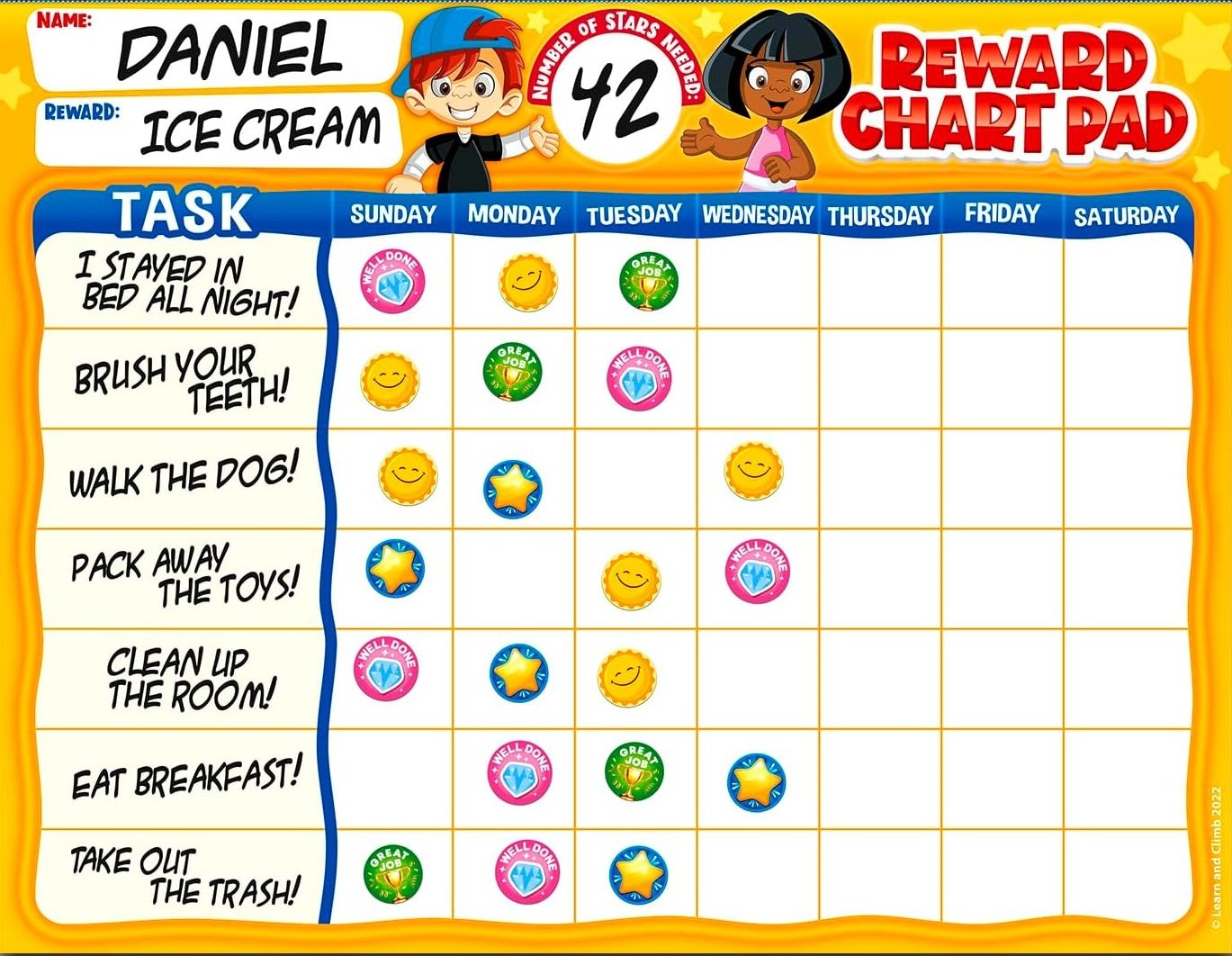
Struggling to manage your child’s behavior at home? Creative discipline behavior chart ideas for home can turn chaos into structure while keeping things fun and engaging. But how do you make discipline effective without being too harsh?
Visual Childrens Behavior Charts with rewards, sticker systems, and color-coded behavior trackers make discipline exciting. Experts like Dr. Jane Nelsen, the creator of Positive Discipline, emphasize the power of consistency and encouragement. These creative methods help children learn responsibility while maintaining a positive home environment.
Want to see the best behavior chart ideas that actually work? We’ve gathered practical and expert-approved strategies to help you create a structured yet enjoyable discipline system. Let’s dive in child behavior checklist!
Why Use Behavior Charts?
Behavior charts are practical tools for parents aiming to encourage good behavior and discourage undesirable actions. By visually tracking your child’s behavior throughout the day, you provide them with immediate feedback, reinforcing positive actions and addressing negative ones.
Using behavior charts can help children understand their actions’ consequences, making them feel more in control of their choices. Moreover, these charts can serve as an effective behavior intervention plan for children with ADHD or other behavioral issues, helping to set clear expectations and routines.
Incorporating a behavior chart into your parenting strategy can also foster positive communication between you and your child. When your child sees their achievements documented on a chart, it instills a sense of pride and accomplishment. This encourages them to continue striving for positive behavior.
Furthermore, using a chart allows parents to focus on rewarding good behavior rather than punishing bad behavior, which aligns with the principles of positive parenting. A well-structured behavior chart can turn discipline into an encouraging experience for both parents and children.
Creating an Effective Behavior Chart: A Better Way
To create an effective Childrens Behavior Chart, begin by clearly outlining the behaviors you want to encourage or discourage. It’s essential to keep the goals realistic and achievable for your child.
For instance, if you are working on a behavior intervention plan, consider breaking down larger goals into smaller, manageable tasks.
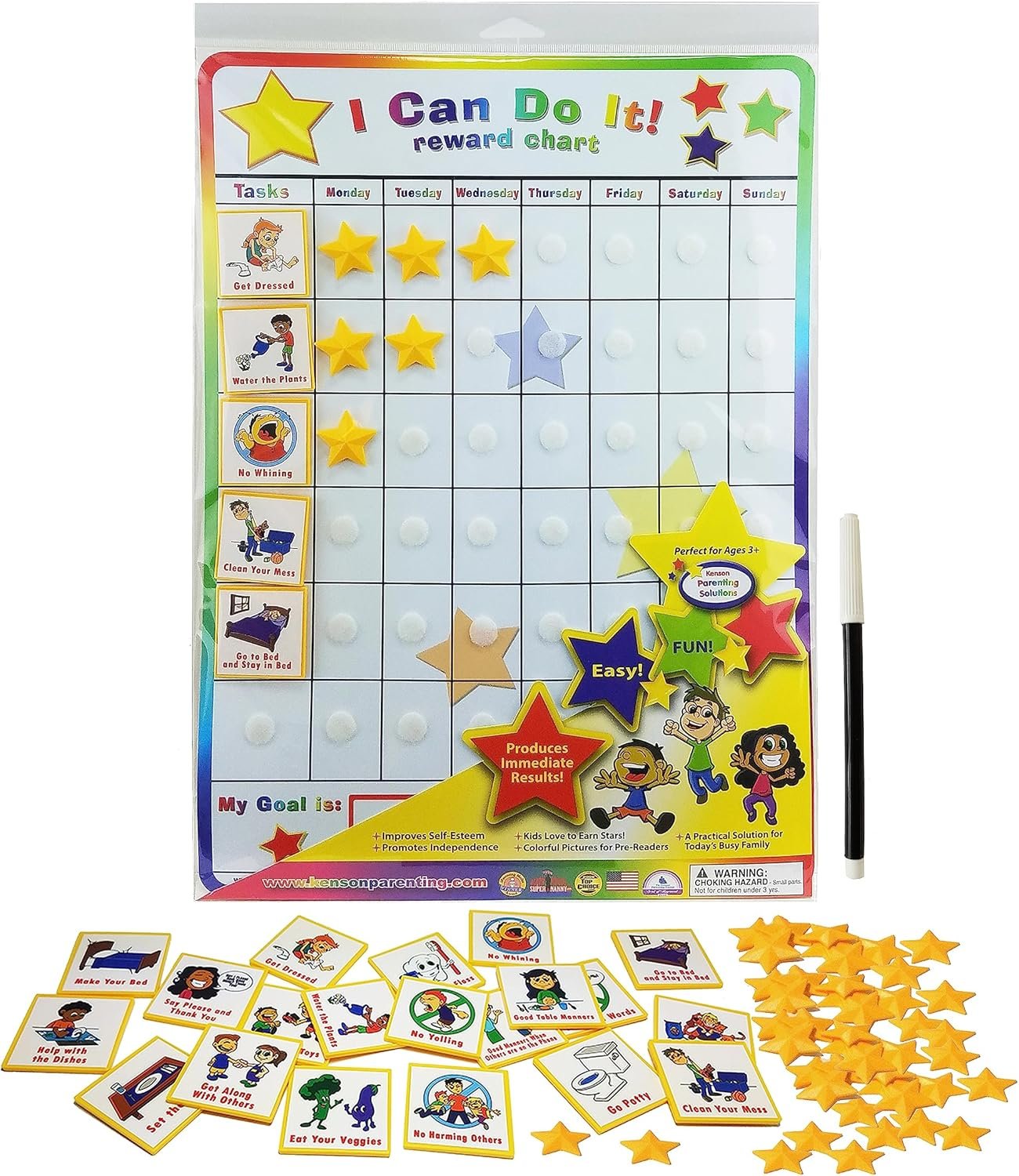
This approach not only helps children understand what is expected but also provides them with a sense of accomplishment as they meet each milestone. Remember to engage your child in the chart creation process; this fosters ownership and commitment to their behavior.
Additionally, integrating a reward system into your behavior chart can significantly enhance its effectiveness. Determine what rewards will motivate your child, whether it be extra screen time, a special treat, or a fun outing. Tracking their progress towards these rewards can serve as a powerful motivator.
As you update the chart together, celebrate their successes, reinforcing positive behavior and encouraging them to continue making good choices. This collaborative approach not only helps your child learn about accountability but also strengthens the parent-child bond.
Best Reward Discipline Behavior Chart Ideas for Home
When it comes to reward discipline behavior chart ideas, creativity is key. Consider creating a colorful poster board chart that outlines specific behaviors alongside corresponding rewards. For example, for each good behavior, your child could earn a sticker, and after collecting a certain number, they receive a special reward.
Another engaging idea is to use a points system, where each positive action earns points that can be redeemed for a larger reward, such as a fun outing or a toy. This gamification of behavior management can significantly motivate kids.
Additionally, integrating themes that your child enjoys can enhance their engagement with the chart. For example, if your child loves animals, use animal stickers or create a jungle-themed chart.
This not only makes the process more enjoyable but also encourages them to check their progress regularly. Involving your child in the design and selection of rewards makes them more invested in the behavior chart process.
Ultimately, the best reward systems create a balance between fun and accountability, helping your child learn the value of good behavior in a positive environment.
Different Types of Behavior Charts – Recommended Products
There are numerous types of behavior charts for kids, each tailored to meet specific needs and preferences. For younger children or toddlers, reward sticker charts are particularly popular, allowing them to visually see their accomplishments as they earn stickers for good behavior.
These charts can be designed to track daily chores or specific behaviors, creating a sense of achievement as stickers accumulate. For older kids, more elaborate reward charts can be utilized, where they can set goals and earn points towards a desired reward, making it a fun and engaging way to motivate kids.
Another type of behavior chart involves a discipline chart for kids at home that categorizes different behaviors as “good,” “bad,” or “red” actions. This visual representation helps children understand the impact of their behavior and encourages them to make better choices.
Additionally, parents can create customized charts that track specific behaviors, such as potty training or homework completion. The flexibility in chart types allows parents to choose what works best for their child, making behavior management a personalized experience.
Tailoring Charts for Kids with Special Needs
When working with children who have special needs, such as ADHD, it’s crucial to tailor behavior charts to meet their unique requirements. Start by simplifying the chart to focus on a few key behaviors to track.
Overloading a child with too many expectations can lead to frustration and confusion. Use clear and concise language, and consider incorporating visuals to enhance understanding. Visual aids can significantly support children with learning disabilities, helping them grasp the concepts of good and bad behavior more easily.
Moreover, it’s essential to maintain flexibility in your approach. Some children may respond better to immediate rewards, while others might thrive on a longer-term goal. Adjust the reward system accordingly, ensuring that it aligns with your child’s interests and capabilities.
Regularly review the chart and discuss progress, making adjustments as needed to better support your child’s growth. Understanding your child’s behavior management needs is vital in creating a successful behavior chart that fosters positive behavior and enhances their development.
Behavior Chart ideas for 7 yr old with ADHD?
Creating a behavior chart for a 7-year-old with ADHD should be simple, engaging, and motivating. Here are some child behavior checklist ideas:
1. Sticker or Star Chart
- How it works: The child earns a sticker or star for completing tasks or displaying positive behaviors. After collecting a certain number, they get a reward.
- Example categories:
- Listened the first time
- Completed homework
- Used kind words
- Stayed in seat during meals
2. Daily Routine Chart
- How it works: A visual schedule with pictures and checkmarks for each completed task.
- Example tasks:
- Brushed teeth
- Got dressed
- Finished schoolwork
- Packed backpack
3. “Catch Them Being Good” Jar
- How it works: Add a small token (bead, marble, pom-pom) to a jar each time they exhibit a good behavior. When the jar is full, they get a bigger reward.
4. Color-Coded Behavior Chart
- How it works: Use a traffic light system where:
- Green = Great day (earned a reward)
- Yellow = Needs improvement (small reminder)
- Red = Time to reflect (reset goals for tomorrow)
5. Superhero Chart
- How it works: The child levels up their “superpower” (self-control, listening, kindness) by completing positive behaviors, moving up a fun, superhero-themed chart.
6. Choice Board Chart
- How it works: The child picks a reward (extra playtime, special treat, movie night) and works towards it by earning points.
Free Printable Behavior Charts for Kids
For parents looking for convenient resources, free printable behavior charts are a fantastic option. These charts can be easily downloaded and customized to fit your child’s specific behavioral goals.
Many websites offer a variety of designs, from colorful sticker charts to simple discipline charts, making it easy to find one that resonates with your child’s interests. Printable behavior charts not only save time but also provide a structured format for tracking progress in an organized manner.
Using a free printable behavior chart allows parents to focus on the content rather than the design process. By simply filling in the desired behaviors and rewards, parents can quickly implement a behavior management system at home.
Regularly updating the charts keeps the process dynamic and engaging for kids. Parents can encourage their children to decorate their charts with stickers or drawings, fostering a sense of ownership. These free resources empower parents to effectively manage their child’s behavior while promoting a positive home environment.
Conclusion
In conclusion, behavior charts are powerful tools for promoting positive behavior in children. With various types of behavior charts available, parents can choose the most suitable options for their child’s needs. By creating engaging and personalized behavior charts at home, parents can effectively motivate kids to make better choices. Additionally, tailoring charts for special needs children ensures that every child receives the support they need for successful behavior management. Utilizing free printable behavior charts simplifies the process, making positive parenting more accessible. Ultimately, Childrens Behavior Chart can transform discipline into a constructive experience, fostering growth and understanding in children.
Recommended posts
- Positive Discipline for Preschoolers (A Must-Read Book)
- Smart Punishments for Teenagers – Effective Discipline Ideas
- How to Discipline a 2-Year-Old When They Hit (Effective Tips)
- Key Behavioral Strengths of Child and How to Support Them
- How to Discipline a Child with PDA: (Helpful Approaches)